

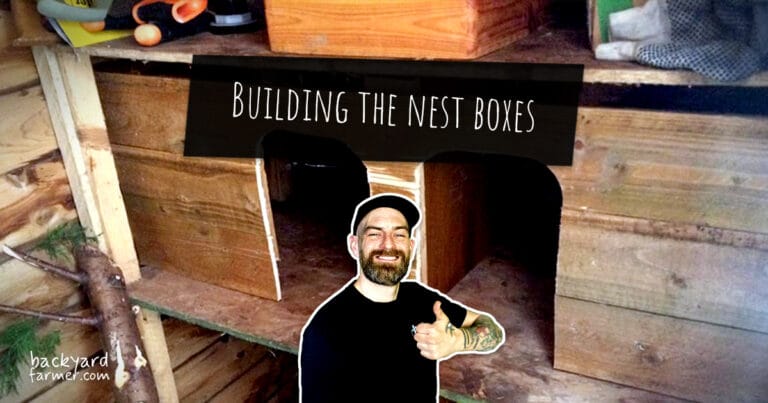
Introduction
Building chicken nest boxes doesn’t need to be complicated, expensive, or perfectly finished to work well. In fact, most backyard and suburban chicken keepers in the UK adapt existing sheds, outbuildings, or small coops rather than starting from scratch.
This guide shows you how to build DIY chicken nest boxes that are practical, long‑lasting, and comfortable for laying hens. At the same time, it keeps things realistic by focusing on reclaimed materials, simple tools, and designs that suit everyday backyard chicken keeping.
Although the approach is based on a real shed‑to‑coop conversion, the principles apply just as well whether you’re working with a garden shed, a small wooden coop, or an improvised chicken house. As a result, the guidance is easy to adapt to different spaces and flock sizes.
Rather than focusing on idealised plans or off‑the‑shelf kits, the aim here is to explain what actually matters when building chicken nest boxes, including:
- Correct chicken nest box size for UK laying breeds
- Sensible nest box placement within the coop
- Easy and hygienic egg collection
- Layouts that work for both chickens and keepers
In other words, perfection isn’t the goal. Instead, functionality, hygiene, and ease of use are what make DIY chicken nest boxes work well in the long term.
So, if you’re keeping chickens in a suburban garden, working with limited space, or looking for a cost‑effective way to build nest boxes, this guide will walk you through the key decisions step by step. Along the way, it shows how those choices were applied in a real‑world setup.
Throughout the article, you’ll find clear guidance alongside a practical example of how these DIY chicken nest boxes were built. You don’t need to copy the design exactly. Instead, use it as a reference you can adapt to suit your own space, materials, and flock.
Continue your backyard chickens & wildlife journey
If you’re building nest boxes, these guides will help you with chicken care, wildlife integration, and creating spaces that benefit both poultry and beneficial garden species.
- What can I feed my backyard chickens? – A comprehensive guide to balanced and safe feeding for backyard chickens — helpful for overall flock health.
- How to keep chickens in the suburbs – Practical tips for raising backyard chickens successfully — great context for nest box planning and care.
- How to make your garden wildlife-friendly – Ideas for attracting and supporting beneficial wildlife while complementing your chicken area and nest box setup.
What Makes a Good Chicken Nest Box?
A good chicken nest box doesn’t need to be complicated. However, it does need to get a few key things right. When those basics are in place, hens are more likely to lay consistently, eggs stay cleaner, and day‑to‑day care becomes noticeably easier.
Rather than focusing on appearance or novelty designs, it’s far more effective to design DIY chicken nest boxes around chicken behaviour and practical use. In other words, how chickens actually behave inside the coop matters far more than how the nest boxes look.
Comfort and Privacy for Hens
Hens naturally prefer nest boxes that feel enclosed, calm, and slightly darker than the rest of the chicken coop. Because a sense of privacy helps hens feel secure while laying eggs, it also reduces stress and discourages eggs being laid in unsuitable places.
On the other hand, chicken nest boxes that are too open, too bright, or placed in busy parts of the coop are often ignored. By keeping the nest box entrance a sensible size and positioning boxes away from main traffic areas, you make them far more appealing for regular laying.
Easy Access for Egg Collection
Chicken nest boxes should work just as well for the keeper as they do for the hens. When access is straightforward, it’s quicker to collect eggs, spot problems early, and keep nest boxes clean and hygienic.
For that reason, features such as removable or hinged panels make a real difference. They allow egg collection without reaching deep into the coop or disturbing hens unnecessarily. Over time, this saves effort and, importantly, reduces the temptation to delay cleaning or routine checks.
Ease of Cleaning and Maintenance
Nest boxes will get dirty — there’s no avoiding it. Bedding needs changing, and occasional deep cleaning is simply part of keeping chickens. Because of this, simple chicken nest box designs with smooth internal surfaces are much easier to maintain and far less likely to harbour red mite, damp, or bacteria.
Avoid unnecessary ledges, tight corners, or decorative features that trap debris. In practice, a functional DIY nest box that can be cleaned quickly will always outperform a more elaborate design in the long run.
Durability Without Overengineering
Chicken nest boxes should be sturdy enough to last, but they don’t need heavy framing or excessive fixings. Usually, solid panels, secure joints, and sensible materials are more than enough for most backyard chicken setups.
Overbuilding adds cost and complexity without improving results. Instead, a straightforward nest box structure that stays dry and holds its shape provides everything laying hens need for healthy egg production.
Designing for Behaviour, Not Aesthetics
Chickens don’t care how nest boxes look. What matters to them is feeling safe, having enough internal space, and being able to enter and leave comfortably.
Designing chicken nest boxes with behaviour in mind means:
- Placing nest boxes lower than roosts to discourage sleeping inside them
- Keeping boxes raised off the ground so they stay drier and cleaner
- Providing enough internal space without making nest boxes feel exposed
When these behavioural needs are met, hens are far more likely to use the nest boxes consistently. As a result, both the flock and the keeper benefit from cleaner eggs, better hygiene, and a setup that simply works.
Planning Your Setup (Working With Existing Spaces)
Most DIY chicken nest boxes aren’t built into brand-new coops. In reality, they’re usually added to sheds, outbuildings, or existing chicken houses that already come with a few limitations. By planning around those constraints early on, you make the build simpler, improve nest box placement, and avoid many common problems later.
Assessing the Space You Have
Before building anything, it’s worth taking a step back and properly assessing the space inside your shed or chicken coop. This gives you a clearer idea of what’s realistic and helps prevent wasted effort or poorly positioned chicken nest boxes.
As you look around, pay attention to:
- Available floor and wall space inside the coop
- Existing shelving or framing that could be reused for nest boxes
- Head height and roof slope, which affect placement
- Access points for cleaning and egg collection
Clearing the area first also makes a big difference. Once the space is tidy, it’s much easier to visualise where chicken nest boxes will fit and how you’ll use them day to day.
Balancing Storage and Chicken Space
In many backyard chicken setups, sheds still need to double up as storage. Tools, feed bins, and equipment often share space with chickens, particularly in suburban gardens.
If that sounds familiar, plan your chicken nest boxes so they:
- Make good use of vertical space within the coop
- Don’t block access to stored items or equipment
- Can be reached easily without having to move tools every time
By designing around shared use from the start, you reduce frustration later and avoid the temptation to compromise on hygiene, access, or egg collection.
Why Raised Nest Boxes Work Best
Raised chicken nest boxes generally perform better than boxes placed directly on the floor. By keeping nest boxes elevated, you help to:
- Reduce damp and draughts
- Keep nesting bedding cleaner
- Make egg collection quicker and easier
- Discourage pests, such as rodents
In many cases, positioning nest boxes on existing shelves or framing is also simpler than building freestanding units from scratch.
Positioning Relative to Roosts and Traffic
Where chicken nest boxes sit in relation to roosts and busy areas has a big impact on how consistently hens use them. Ideally, nest boxes should be positioned:
- Lower than roosting perches to discourage sleeping inside
- Away from busy entrances, feeders, and waterers
- In a quieter, slightly darker part of the coop
This layout supports natural chicken behaviour, discourages roosting in nest boxes, and helps keep the nesting area calm during laying.
Planning for Light, Airflow, and Access
Although nest boxes should feel sheltered, they shouldn’t be sealed off completely. Good airflow helps prevent damp, reduces the risk of red mite, and keeps bedding fresher for longer.
When planning nest box placement, make sure that:
- Air can circulate around the boxes
- Boxes aren’t sitting in direct draughts
- There’s enough clearance to remove panels or collect eggs comfortably
By thinking through these details before cutting any timber, you save time and avoid awkward adjustments once the chicken nest boxes are already built.
Materials Used (Why Reclaimed Wood Works Well)
One of the biggest advantages of building DIY chicken nest boxes is that you don’t need specialist or expensive materials. In fact, for most backyard chicken setups, reclaimed timber and basic fixings work extremely well — as long as they’re chosen with a bit of care.
Using reclaimed materials helps keep costs down, reduce waste, and fits naturally with practical, sustainable chicken keeping. However, the key is understanding which materials are suitable for chicken nest boxes and, just as importantly, which ones to avoid.
Using Reclaimed Timber Safely
Reclaimed wood is particularly well suited to chicken nest boxes because it’s usually already seasoned and stable. Old fence panels, shelving, pallets, and timber offcuts can all be reused successfully, provided they’re in good condition.
When selecting reclaimed timber for nest boxes, check that it is:
- Structurally sound, with no rot or soft, crumbling areas
- Free from old paint, varnish, or chemical treatments
- Thick enough to hold fixings securely without splitting
At the same time, avoid wood that has been pressure-treated or heavily painted. This is especially important for interior nest box surfaces, where chickens will sit, scratch, and spend long periods of time.
Why Untreated Wood Is Best
Untreated wood is one of the best materials for DIY chicken nest boxes. It helps regulate moisture inside the box and is far less likely to release unwanted chemicals. As a result, it creates a healthier environment for laying hens and makes ongoing maintenance easier.
If reclaimed timber feels rough to the touch, a quick sand is usually enough to remove splinters and sharp edges. A perfectly smooth finish isn’t necessary. Instead, safety, cleanliness, and ease of cleaning matter far more than appearance.
Fixings and Basic Hardware
Chicken nest boxes don’t need complex joinery or specialist hardware. In most cases, simple screws or nails are more than sufficient, as long as everything is secured firmly and safely.
When choosing fixings for nest boxes, it helps to:
- Use corrosion-resistant screws where possible
- Keep fixings flush or countersunk
- Avoid exposed sharp points inside the box
If you plan to make panels removable or hinged for easier egg collection and cleaning, basic hinges or simple wooden battens are usually all that’s required.
Materials You Don’t Need
It’s easy to overcomplicate a build by adding materials that don’t actually improve how chicken nest boxes perform. In practice, you can usually avoid:
- Plastics or composite boards
- Treated exterior timbers for internal nest box surfaces
- Decorative trims or mouldings
- Heavy framing timber
A simple wooden nest box structure that stays dry, secure, and easy to clean will almost always outperform a more elaborate build over time.
Keeping Costs and Complexity Low
One of the main benefits of using reclaimed materials is flexibility. If your timber isn’t perfectly uniform, the nest box design can easily be adjusted to suit what you already have available.
By working with existing wood and straightforward fixings, you can build chicken nest boxes that meet your hens’ needs without overspending or turning the project into a major construction job.
Nest Box Size, Door Openings & Access
Getting the size and access right is one of the most important parts of building DIY chicken nest boxes. If nest boxes are too small, they quickly feel cramped. However, if they’re too large, they can feel exposed and are far more likely to be slept in rather than used properly for laying eggs.
The aim is simple: create a chicken nest box size that feels secure for the hen, keeps eggs safely contained, and remains easy to access day to day.
Choosing the Right Nest Box Size
Most common UK laying breeds are happiest in nest boxes that give them enough room to settle and turn around comfortably, without leaving too much unused space. While it can feel generous to go bigger, oversized chicken nest boxes often encourage multiple hens to pile in at once. As a result, the risk of broken, dirty, or trampled eggs increases.
As a general rule for DIY chicken nest boxes:
- Boxes should be just large enough for a single hen to settle and turn comfortably
- Depth matters as much as width, as it helps keep eggs away from the nest box entrance
- Keeping all nest boxes the same size helps reduce competition and confusion
For most backyard flocks, the recommended chicken nest box dimensions in the quick reference section provide a reliable, well-tested starting point.
Door Opening Size and Shape
The doorway plays a big role in how secure a chicken nest box feels. If the opening is too small, larger hens may avoid using it. On the other hand, openings that are too large let in excess light, reduce privacy, and make nest boxes less appealing.
In most DIY nest box setups:
- A simple rectangular opening works well and is easy to cut
- The opening should allow comfortable entry without forcing hens to crouch
- Keeping the doorway lower than the internal box height helps retain bedding
Well-sized door openings also help discourage roosting inside nest boxes, which keeps them cleaner and easier to maintain.
Raised Entrances and Bedding Control
Adding a small entrance lip or raised edge at the nest box opening makes a noticeable difference. It helps prevent bedding from being scratched out during use. As a result, eggs stay cleaner and bedding needs replacing less often.
The entrance lip doesn’t need to be high. Even a modest rise is enough to do the job without getting in the way of the hens.
Designing for Easy Access
Chicken nest boxes should be easy to reach for routine checks, egg collection, and cleaning. Otherwise, poor access quickly becomes frustrating and often leads to skipped maintenance.
When planning nest box access, it helps to think about:
- Whether eggs can be collected without reaching deep into the chicken coop
- Whether panels can be removed or opened easily for cleaning and maintenance
- Whether access is possible without disturbing other parts of the coop setup
By designing access into the nest box from the start, you save time, reduce effort, and avoid unnecessary hassle later on.
Balancing Hen Comfort and Keeper Convenience
Good chicken nest box design always balances the needs of the hens with practical, day-to-day use. When hens feel comfortable and secure, they lay more consistently. Meanwhile, when access is straightforward, regular checks and good hygiene become much easier to maintain.
By focusing on sensible nest box sizing, well-proportioned door openings, and simple access, you end up with DIY chicken nest boxes that work reliably over the long term — not just ones that look good on day one.
Building the Nest Box Structure
With the planning, sizing, and materials sorted, building DIY chicken nest boxes can stay refreshingly simple. At this stage, the aim isn’t fine carpentry or perfect finishes. Instead, it’s about creating a solid, safe chicken nest box structure that holds its shape, stays dry, and is easy to live with over time.
Choosing a Simple Layout
For most backyard chicken setups, a straightforward nest box layout works best. Individual chicken nest boxes placed side by side are easy to build and, importantly, make it simple to add or remove boxes later without redesigning the entire unit.
When laying out the nest box structure, it helps to:
- Keep all chicken nest boxes the same size to reduce competition
- Allow enough depth to keep eggs away from the nest box entrance
- Avoid internal dividers that create awkward corners or trap dirt and debris
Overall, simple nest box shapes are easier to cut, assemble, and clean.
Measuring and Marking Out
Accurate measuring at the start saves time and frustration later on. Before cutting any timber, take the time to mark out all panels and door openings clearly.
In practice, it helps to:
- Measure twice before cutting
- Mark door openings and panel edges clearly
- Dry-fit panels where possible before fixing
By slowing down slightly at this stage, you reduce mistakes and make the whole chicken nest box assembly process far more straightforward.
Cutting Panels and Openings
Once everything is marked out, cut the panels and nest box door openings carefully. The finish doesn’t need to be perfect. However, edges should be smooth and free from splinters to keep hens safe.
After cutting, it’s worth taking a few extra minutes to:
- Lightly sand rough edges
- Remove sharp corners
- Check door openings are consistent across all chicken nest boxes
Although these details seem small, they improve safety for both hens and keepers and make the nest boxes easier to maintain.
Assembling the Structure
When assembling the chicken nest boxes, use basic fixings and keep everything square and secure. Start with the main panels first, then add dividers if required.
As you go, make sure to:
- Fix panels firmly to prevent movement
- Keep fixings flush or countersunk
- Check alignment regularly as you build
A rigid nest box structure is easier to maintain and far less likely to loosen, twist, or shift over time.
Keeping the Build Practical
It’s tempting to add extra features, especially once the structure starts to take shape. However, overcomplicated chicken nest box builds are usually harder to clean, repair, and adapt later.
A useful rule of thumb is this: if a feature doesn’t clearly improve comfort, hygiene, or access, it probably isn’t needed.
In everyday use, a simple, well-built DIY chicken nest box structure will almost always outperform a more elaborate design and stand up better to the realities of backyard chicken keeping.
Making Egg Collection Easy
Easy egg collection is often overlooked during the build stage. However, it has a huge impact on how practical DIY chicken nest boxes feel day to day. Nest boxes that are awkward to access quickly become frustrating, which can lead to skipped checks, broken eggs, and poorer hygiene inside the chicken coop.
By designing chicken nest boxes for easy access from the start, you save time, reduce disturbance to the hens, and make routine care far more enjoyable and consistent.
Why Access Matters
Eggs should be collected regularly to keep them clean and to discourage hens from pecking eggs, brooding, or laying in awkward spots around the coop. If egg collection means reaching deep into the chicken coop or disturbing birds on the roost, it’s far more likely to be delayed or avoided altogether.
In contrast, simple and well-planned access encourages consistency. As a result, both the flock and the keeper benefit from cleaner eggs and better overall hygiene.
Removable or Hinged Panels
One of the easiest ways to improve egg collection is by making part of the chicken nest box removable or hinged. A front panel that can be lifted off or opened allows eggs to be collected quickly, without putting hands inside the coop or disturbing laying hens.
At the same time, this design choice makes it much easier to:
- Replace nesting bedding
- Clean chicken nest boxes thoroughly
- Inspect for red mite, damage, or damp
In most cases, basic battens, hinges, or lift-off panels are more than enough. Therefore, there’s no need for complex mechanisms or over-engineered designs.
Minimising Disturbance to Hens
Good access design also reduces how much hens are disturbed while laying. Collecting eggs from outside the main coop area helps keep the nesting space calm and encourages hens to keep using the nest boxes consistently.
Where possible, avoid chicken nest box designs that require lifting hens, reaching directly over them, or working around roosting birds, as this can increase stress and disrupt laying behaviour.
Keeping Eggs Clean and Intact
Access design plays a big role in egg cleanliness. When you can see clearly into the nest box, it’s much easier to spot broken eggs, damp bedding, or dirt early on.
When this is combined with correct chicken nest box size and a small entrance lip, eggs are far less likely to be scratched out, soiled, or damaged during laying.
Designing for Long-Term Use
It’s also worth thinking beyond the first few weeks of use. Over time, easy access reduces wear on the nest box structure and makes repairs or adjustments simpler.
A chicken nest box design that allows quick checks and straightforward cleaning is far more likely to stay hygienic and functional in the long term than one that looks tidy but proves awkward to use day after day.
Perches, Ladders & Chicken Behaviour
Understanding basic chicken behaviour makes a noticeable difference to how well DIY chicken nest boxes are used. In many cases, common problems — such as hens sleeping in nest boxes or laying eggs in awkward places — come down to perch height and overall coop layout, rather than the nest boxes themselves.
By designing perches, ladders, and access routes with behaviour in mind, you keep chicken nest boxes cleaner and encourage more consistent egg laying over time.
Roosts and Nest Boxes Serve Different Purposes
Chickens naturally look for higher places to sleep at night. Therefore, if nest boxes are the highest or most appealing option available, hens are very likely to roost in them instead of laying.
To avoid this, it helps to:
- Keep roosting perches higher than chicken nest boxes
- Position nest boxes slightly lower and in darker, quieter areas
- Place perches away from nest box entrances to reduce temptation
With clear separation between roosting and nesting areas, chicken nest boxes stay cleaner and require far less maintenance.
Choosing the Right Perch Thickness
Perch thickness plays an important role in foot health and overall comfort. If perches are too thin, they can create pressure points. On the other hand, perches that are too thick can be awkward, especially for smaller laying hens.
Most hens are comfortable with perches around 2–4 inches (5–10 cm) in diameter. Natural branches work particularly well because they offer slight variation in shape and texture, which supports healthy feet.
When using natural wood for chicken perches, make sure to:
- Remove loose bark if it flakes easily
- Smooth sharp edges or splinters
- Fix branches securely so they don’t move under weight
Using Natural Branches Safely
Natural branches are a practical, low-cost option for backyard chicken coops. Not only do they mimic what chickens would choose naturally, but they also allow feet to grip more comfortably.
Branches used for perches should be:
- Dry and solid
- Free from rot or decay
- Firmly fixed to prevent movement
A small amount of variation in perch thickness, over time, can help reduce strain on chickens’ feet and joints.
Ladders and Access to Raised Nest Boxes
Most hens can jump short distances without any trouble. However, ladders can still be useful in certain chicken coop setups. Raised chicken nest boxes, particularly in converted sheds or tight spaces, often benefit from a simple ladder or stepped access.
In practice, ladders:
- Provide an alternative route for less confident birds
- Offer additional resting points within the coop
- Reduce wing flapping and congestion in tighter spaces
They don’t need to be complicated. A few evenly spaced rungs on a solid frame are usually more than enough.
Encouraging Good Nest Box Habits
Good nest box habits usually come down to good design. When perches, ladders, and chicken nest boxes are laid out sensibly, hens are far more likely to use the space as intended.
By keeping roosts higher than nest boxes, providing comfortable perches, and avoiding congestion around entrances, you reduce common behaviour issues and make the entire chicken coop easier to manage day to day.
Placement, Height & Coop Layout
Where you place chicken nest boxes inside the coop has a big influence on how well they’re used. Even well-built DIY chicken nest boxes can be ignored if they end up in the wrong spot. For that reason, it’s worth thinking carefully about nest box placement, height, and overall coop layout before fixing anything permanently.
By taking a little time to plan this properly, you encourage more consistent egg laying and make the chicken coop much easier to manage day to day.
Choosing the Right Height
Chicken nest boxes should be raised off the ground, but they shouldn’t be the highest feature in the coop. Elevation helps keep nest boxes drier and cleaner. However, placing them below roost height discourages hens from sleeping inside them instead of laying.
In most backyard chicken setups:
- Chicken nest boxes work well when raised around 45–90 cm (18–36 inches) from the ground
- Roosting perches should always sit higher than the nest boxes
- Nest boxes placed directly on the floor are far more likely to become damp or dirty
This balance supports natural chicken behaviour while also improving hygiene and egg cleanliness.
Positioning Within the Coop
Chicken nest boxes are best placed in a calm, quieter part of the coop, away from busy areas such as entrances, feeders, and waterers. When hens feel less disturbed, they’re far more likely to use the nest boxes consistently.
When choosing nest box placement, try to:
- Avoid placing boxes directly under perches where droppings could fall
- Keep nest box entrances clear so hens aren’t forced to queue or squeeze past one another
- Leave enough space for birds to enter and leave comfortably
Often, even small changes in positioning can make a noticeable difference to how reliably nest boxes are used.
Light and Shade Considerations
Hens generally prefer nest boxes that feel slightly darker than the rest of the chicken coop. Too much light can make nest boxes feel exposed and, as a result, less appealing for laying.
Rather than directing bright light into the nesting area, it’s better to:
- Use natural shade from the coop structure where possible
- Avoid placing nest boxes directly in front of windows or bright openings
- Allow some ambient light for visibility without making the nesting space overly bright
This approach creates a calmer environment that encourages hens to lay eggs in the boxes rather than elsewhere.
Allowing for Airflow and Access
Good airflow helps prevent damp bedding and keeps chicken nest boxes fresher for longer. At the same time, boxes still need shelter from direct draughts.
When planning the coop layout, make sure that:
- Air can circulate around the nest boxes
- Boxes aren’t sealed tightly against walls with no airflow
- Panels or access points can be opened easily for cleaning and egg collection
Balancing ventilation with shelter improves long-term hygiene, reduces the risk of red mite, and keeps nest boxes comfortable for laying hens.
Designing the Coop as a Whole System
Chicken nest boxes don’t exist in isolation. Instead, their placement should work alongside roosts, feeders, water points, and access routes within the coop.
By thinking of the chicken coop as a whole system, you prevent problems before they start. When nest boxes are positioned with behaviour, access, and maintenance in mind, the entire setup becomes more reliable and far easier to manage over time.
Common Mistakes to Avoid
Many issues with chicken nest boxes aren’t caused by poor materials or lack of effort. More often, they come down to a handful of common design mistakes. Fortunately, by avoiding these early on, you can save time, keep DIY chicken nest boxes cleaner, and encourage hens to use them far more consistently.
Building Boxes That Are Too Large or Too Small
Chicken nest boxes that are too small can feel cramped, which discourages use, particularly for larger laying hens. However, nest boxes that are too large can cause problems too. They often attract multiple birds at once or end up being used for sleeping rather than laying eggs.
For that reason, stick to sensible chicken nest box dimensions that suit your flock and aim for consistency across all boxes.
Placing Nest Boxes Too High or Too Low
Nest boxes placed directly on the floor are far more likely to become damp, dirty, and unattractive to hens. On the other hand, placing them too high — especially above roosting perches — can encourage chickens to sleep inside the boxes instead of using them for laying.
Instead, always position chicken nest boxes raised off the ground but below roost height.
Making Boxes Too Bright or Exposed
Hens prefer nest boxes that feel private and sheltered. As a result, chicken nest boxes placed in bright or busy parts of the coop are often ignored.
Where possible, avoid placing nest boxes directly under windows, next to entrances, or in high-traffic areas.
Overcomplicating the Build
It’s tempting to add extra features that look good on paper but don’t actually improve function. Decorative trims, complex mechanisms, and heavy framing can quickly make DIY chicken nest boxes harder to clean, repair, and adapt later.
In practice, simple and sturdy nest box designs almost always perform better over time.
Poor Access for Egg Collection and Cleaning
If egg collection or changing bedding feels awkward, routine maintenance is much more likely to be delayed. Over time, this leads to dirtier nest boxes, broken eggs, and unnecessary frustration.
By designing easy access into chicken nest boxes from the start — for example, using removable or hinged panels — routine care becomes quicker and far easier to keep up with.
Confusing Roosting and Nesting Areas
When roosts are placed too close to nest box entrances, or at the same height, chickens are far more likely to sleep in the nest boxes.
Clear separation between roosting and nesting areas helps keep chicken nest boxes cleaner and reduces unwanted behaviour.
Ignoring Future Maintenance
Chicken nest boxes need ongoing care, not just a one-off build. Designs that don’t allow easy access for cleaning or inspection often become frustrating over time.
Therefore, always think beyond the initial build and consider how your chicken nest boxes will be used, cleaned, and adjusted months or even years down the line.
FAQs
For most common UK laying breeds, a chicken nest box size of around 30–35 cm (12–14 inches) wide, deep, and high works well. This gives hens enough space to turn around comfortably. However, boxes shouldn’t be so large that they feel exposed or encourage more than one bird to squeeze in, as this can lead to broken or dirty eggs.
A good rule of thumb is one nest box for every three to four hens. In practice, chickens often prefer to share a favourite nest box. As a result, a small number of well-placed chicken nest boxes usually works better than providing one box per bird.
Chicken nest boxes work best when they’re raised off the ground but still positioned below roost height. In most backyard chicken coops, placing boxes around 45–90 cm (18–36 inches) above ground level helps keep them dry and clean. At the same time, this discourages chickens from sleeping inside them instead of laying eggs.
Untreated wood is ideal for DIY chicken nest boxes, including reclaimed timber such as old fence panels or shelving. Where possible, avoid pressure-treated or painted wood on interior nest box surfaces, as these can contain chemicals that aren’t suitable for chickens.
Chickens will often sleep in nesting boxes if they’re placed too high or feel more appealing than the roosts. To prevent this behaviour, keep roosting perches higher than the nest boxes and position the boxes in darker, quieter parts of the chicken coop.
Keeping eggs clean usually comes down to a few simple factors. Correct chicken nest box dimensions, a small entrance lip to hold bedding in place, and regular cleaning all help. In addition, easy access for egg collection makes it far more likely that checks are done consistently.
Yes, reclaimed materials can be used safely as long as they’re structurally sound, untreated, and free from old paint or chemical coatings. A light sand to remove splinters and sharp edges is usually all that’s needed before using reclaimed timber for chicken nest boxes.
Both options can work. However, internal chicken nest boxes are simpler for most backyard setups and easier to keep weatherproof. External nest boxes can be useful in tight spaces. That said, they usually need more careful construction and extra protection from the weather.
Final Thoughts
Building your own chicken nest boxes doesn’t need to be complicated or expensive to work well. When you get the basics right — sensible chicken nest box size, thoughtful nest box placement, and easy access for egg collection — hens are far more likely to use the boxes consistently. As a result, day‑to‑day chicken care becomes simpler and far less of a chore.
Throughout this guide, the focus has been on practical decisions rather than perfect finishes. By working with the space you already have and using reclaimed materials where possible, you can build DIY chicken nest boxes that suit both your flock and your garden. More importantly, you can do it without turning the job into a full‑scale building project or relying on expensive off‑the‑shelf solutions.
Of course, every backyard chicken setup is different. There’s no single “correct” chicken nest box design that works for everyone. Instead, the principles here are meant as a flexible starting point that you can adapt to your own space, materials, and chickens. Over time, small adjustments are normal and often make the chicken coop work better in practice.
If you’re new to keeping chickens, it’s worth remembering that you don’t need to get everything perfect on day one. Start with a simple, functional design. Then, observe how your hens use the space and tweak things as needed. In reality, the best‑working DIY chicken nest boxes are usually the result of small, thoughtful improvements rather than elaborate planning.
With a calm, practical approach, DIY chicken nest boxes can easily become one of the most straightforward — and rewarding — parts of setting up a healthy, well‑managed backyard chicken coop.