What Can I Grow in Autumn and Winter in the UK?

What Can I Grow in Autumn and Winter in the UK?

This post may contain affiliate links, which means I earn a small commission at no extra cost to you, that helps fund quality content.

Introduction

If you’re wondering what you can grow in autumn and winter in the UK, the short answer is: more than you probably expect. A wide range of autumn and winter vegetables in the UK actually thrive in cooler weather. From winter-hardy vegetables like kale and spinach to sweet carrots and parsnips, the growing season doesn’t simply end when summer fades. In fact, many vegetables to grow in winter UK conditions taste even better after a light frost.

So rather than asking whether you can grow vegetables in autumn and winter, it’s better to ask which crops suit the season — and how to time them properly.


Why Growing Doesn’t Stop After Summer

As the days shorten and temperatures drop, it’s easy to assume the garden is finished for the year. However, that’s rarely true. Autumn and winter can be some of the most productive months in a UK garden, especially when you focus on cool-season crops.

The key is straightforward:

  • Choose the right winter-hardy vegetables UK gardens rely on
  • Understand how frost affects different autumn vegetables
  • Sow at the correct time so plants establish before winter slows growth

Once you get those three things right, growing vegetables in autumn and winter becomes far more predictable.


Why the UK Climate Works in Your Favour

Although we often complain about grey skies and cold mornings, the UK climate actually favours cool-season growing. Cooler temperatures naturally slow growth; as a result, plants are less likely to bolt. At the same time, they build stronger root systems and develop deeper flavour.

Of course, hard frosts can damage tender crops. However, many vegetables that survive frost in the UK tolerate light freezes without issue. Some — such as parsnips and kale — even convert starches into sugars, which makes them noticeably sweeter.

In other words, the climate that feels challenging can actually improve your harvest. If you’d like a month-by-month breakdown to stay ahead of the seasons, take a look at my guide on what to plant each month in the UK for clear sowing windows and practical timing advice.


Growing With or Without a Greenhouse

Whether you’re growing on an allotment, in raised beds, or in containers, you can grow vegetables in autumn and winter in the UK without a greenhouse. While protection such as a polytunnel certainly helps, many crops perform well outdoors when you choose wisely and plan ahead.

Below, you’ll find a practical, UK-focused guide covering:

  • The best autumn and winter vegetables UK gardeners can rely on
  • When to sow winter vegetables in the UK
  • Which vegetables survive frost — and which need protection
  • How to protect crops during cold snaps

So instead of packing the garden away for the year, let’s look at how you can keep growing vegetables through autumn and winter — and make the most of the season.


Vegetables You Can Grow in Autumn and Winter (UK List)

If you’re planning what to grow in autumn and winter in the UK, it ultimately comes down to choosing crops that handle cooler temperatures and shorter daylight hours. Fortunately, there’s a wide range of autumn vegetables UK gardeners rely on, as well as hardy winter vegetables UK plots can sustain with minimal effort.

While some vegetables are naturally frost-hardy, others simply need light protection when a cold snap rolls in. Either way, once you understand which crops suit the season, growing vegetables in autumn and winter becomes far more straightforward.

Below is a practical breakdown of reliable plants to grow for autumn and winter that consistently perform well in UK gardens.


Winter Greens You Can Grow in the UK

Leafy crops form the backbone of most autumn and winter growing plans. In fact, many of these winter-hardy vegetables UK gardeners choose tolerate light frost — and in some cases, they even taste better because of it.

These are some of the best vegetables to grow in winter UK conditions:

Lettuce (Cut-and-Come-Again Varieties)

Surprisingly tough for something so tender-looking. Growth slows as temperatures drop; however, the flavour often improves. During harder frosts, protect plants with fleece or a cloche to prevent damage.

Mustard Greens

Fast-growing and ideal if you’re looking for a vegetable to plant in autumn to grow in winter. They handle cool conditions well and, as a result, provide a steady supply of peppery leaves through autumn.

Kale

One of the most reliable winter vegetables in the UK. Kale easily survives light frost, and after a cold snap, the leaves usually become sweeter.

Rocket (Arugula)

Quick to mature and perfect for succession sowing. It performs well in cool weather; however, prolonged frost can knock it back. Therefore, light protection improves reliability.

Spinach (e.g. Bloomsdale)

A classic cool-season crop and one of the more dependable vegetables that survive frost in the UK. It continues growing steadily in mild winters, especially under light cover.

Tatsoi

Low-growing and compact, which helps it cope with cold conditions. Because it hugs the soil, it often withstands light frost better than taller crops.

Claytonia (Winter Purslane)

An underrated but extremely hardy winter salad crop. It’s low maintenance and dependable right through colder UK months.

Swiss Chard

Although technically a biennial, chard often overwinters in milder areas. With a bit of protection, it regrows strongly in spring and extends your harvest window.


Root Vegetables to Grow in Autumn and Winter

Root crops are some of the most dependable vegetables to plant in autumn to grow through winter. Because they develop below the soil surface, they naturally cope better with cold conditions — provided the ground doesn’t freeze solid.

If you’re deciding what vegetables to grow over autumn and winter, these are strong options:

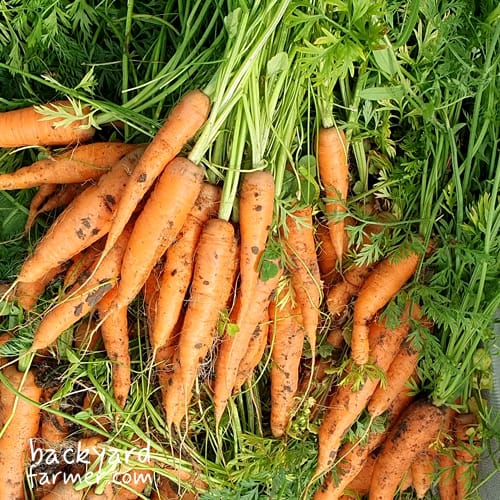
Carrots

Cool weather improves sweetness. However, lift them before prolonged freezing weather sets in to protect quality.

Turnips

Fast growing and well suited to autumn sowing. They handle cool conditions well and make a dependable winter staple.

Beetroot

Tolerates light frost and stores well. Growth slows in winter; nevertheless, flavour remains strong and earthy.

Parsnips

A true winter classic. In fact, many gardeners leave them in the ground until after the first frost because it improves sweetness.

Swede

A hardy brassica root that performs particularly well in cooler UK climates and heavier soils.

Radish

Quick growing and surprisingly frost tolerant. As long as the soil doesn’t freeze hard, they continue producing.

Onions (Overwintering Sets)

Planted in autumn, they establish roots before winter and, consequently, gain a strong head start in spring.

Potatoes (Container Method)

You can grow potatoes into autumn with protection. Containers work best because you can move them during heavy frost and control drainage more easily.


Next, we’ll look at when to sow autumn and winter vegetables in the UK, because timing ultimately determines whether your crops thrive or simply stall as daylight fades.


When to Sow Autumn and Winter Vegetables in the UK

Knowing what to grow in autumn and winter in the UK is only half the equation. Knowing when to sow autumn and winter vegetables in the UK is what truly determines your success.

In fact, timing is often the biggest factor separating steady winter harvests from plants that simply stall as daylight fades. In most parts of the UK, you need to sow earlier than many people expect. The goal is simple: establish strong plants while the soil is still warm. Once daylight hours drop, growth slows dramatically.

If you want reliable vegetables to grow in winter UK gardens, getting the sowing window right is essential.


Late July to August – Main Sowing Window

This is the prime sowing period for many autumn and winter vegetables UK gardeners depend on.

During late summer, soil temperatures remain high enough for quick germination. As a result, seedlings establish strong root systems before cooler weather arrives.

Ideal crops to sow during this window:

  • Kale
  • Spinach
  • Mustard greens
  • Rocket
  • Swiss chard
  • Turnips
  • Carrots (late varieties)
  • Beetroot

Because temperatures are still relatively stable, these crops gain resilience before autumn properly sets in. Consequently, they are far better prepared to handle light frost and shorter days.


September – Succession Sowing

By early September, you can still sow fast-growing crops, especially in southern or sheltered areas. However, growth begins to slow, so choose varieties that mature quickly.

If you’re deciding what vegetables to grow over autumn and winter, focus on dependable, quick crops.

Best options for September sowing:

  • Rocket
  • Mustard
  • Spinach
  • Radish
  • Tatsoi

At this stage, it also makes sense to think ahead. As temperatures dip, light protection such as fleece or cloches improves reliability and reduces frost damage.


October – Protected Growing Only

By October, outdoor sowing becomes much more limited across the UK. Daylight hours drop sharply and, as a result, plant growth slows significantly.

That said, you can still sow under protection. In a greenhouse, cold frame, or polytunnel, you can grow:

  • Winter lettuce
  • Spinach
  • Claytonia
  • Asian greens

If you’re wondering what can I grow in my polytunnel over autumn and winter, these crops are strong candidates. In northern regions and Scotland, October sowing almost always requires cover from the outset.


North vs South UK Timing Differences

Timing varies across the country. Generally, the further north you are, the earlier you should sow.

Gardeners in Scotland and northern England often need to bring sowing forward by one to two weeks compared to the South. This adjustment allows crops to establish properly before shorter days significantly reduce growth.

On the other hand, southern coastal areas usually experience milder autumns and winters. Therefore, gardeners in those regions can often sow slightly later and still achieve successful overwintering.


Understanding First Frost Dates

Rather than relying purely on calendar dates, pay close attention to your local first frost date. Most vegetables to plant in autumn to grow in winter need at least 4–6 weeks of active growth before regular frosts arrive.

If you sow too late, seeds may germinate; however, plants won’t build enough strength to carry through winter.

If you’re unsure about timing, using a structured guide makes planning much easier. Checking exact UK sowing dates for your area helps you avoid guesswork and align planting with local conditions.


Ultimately, when you sow matters just as much as what you sow. Choose suitable winter-hardy vegetables UK gardens support, establish them early, and your plot can remain productive right through autumn and into winter — even without a greenhouse.


Winter Hardy Vegetables That Survive Frost

Frost is usually the biggest concern when people think about growing vegetables in autumn and winter in the UK. However, while prolonged hard freezes can damage crops, a surprising number of winter-hardy vegetables UK gardeners rely on tolerate — and sometimes even benefit from — a light frost.

In fact, once you understand which vegetables survive frost in the UK, winter growing feels far less risky. The key is simple: know which crops are genuinely frost hardy and which need protection.

Below is a practical, quick-reference guide to help you decide which autumn and winter vegetables UK gardens can sustain through frost, and which ones require extra care.


Frost Tolerance Comparison Table

This table highlights common winter vegetables UK gardeners grow and how they cope with light and hard frost.

VegetableLight FrostHard FrostNeeds Protection?Notes
Kale✅ Tolerates⚠️ May struggle in prolonged freezeRarelyFlavour improves after frost
Spinach✅ Tolerates⚠️ With protectionSometimesPerforms well in mild winters
Mustard Greens✅ Tolerates❌ Damaged by hard frostYes in deep winterFast growing, ideal autumn vegetable
Rocket⚠️ Light tolerance❌ Struggles in hard frostYesBest under fleece or cloche
Lettuce⚠️ Very light frost only❌ Not hardy in freezeYesWinter varieties are more resilient
Tatsoi✅ Good tolerance⚠️ With protectionSometimesLow-growing, handles cold well
Claytonia✅ Very hardy⚠️ Rarely damagedNo in mild areasExcellent winter salad crop
Carrots✅ Tolerates❌ If ground freezes solidSometimesLift before prolonged freeze
Turnips✅ Tolerates⚠️ Leaves may sufferRarelyRoots usually remain fine
Parsnips✅ Tolerates⚠️ If soil freezes hardRarelyFrost improves sweetness
Beetroot⚠️ Light frost only❌ Damaged by deep freezeYes in harsh wintersHarvest before heavy frost
Radish✅ Good tolerance⚠️ Short freezes onlySometimesLeaves may die back, root survives

What Counts as a “Light” vs “Hard” Frost?

Understanding frost levels helps you protect your vegetables to grow in winter UK conditions more effectively.

  • Light frost: Temperatures briefly dip to around 0°C to -2°C.
  • Hard frost: Temperatures fall below -3°C for sustained periods, or the ground freezes solid.

Most autumn vegetables UK gardeners plant handle occasional light frost without major issues. However, problems usually start when soil freezes deeply or when sub-zero temperatures persist for several nights in a row.


Key Takeaway for UK Gardeners

If you want reliable winter vegetables in the UK, keep it simple and stay frost-aware:

  • Establish plants well before regular frosts arrive
  • Protect tender crops with fleece or cloches when necessary
  • Harvest root vegetables before the ground freezes solid

Once you match the right frost-hardy vegetables UK gardens support to your local conditions, winter growing becomes far more predictable. With sensible timing and basic protection during cold snaps, you can continue harvesting right through autumn and into winter — even without a greenhouse.


Can You Grow Vegetables Without a Greenhouse in the UK?

Yes — you absolutely can grow vegetables without a greenhouse in the UK, even in autumn and winter.

Although a greenhouse or polytunnel will extend your season and make winter gardening more predictable, you don’t actually need one to keep producing food. In fact, many autumn and winter vegetables UK gardeners rely on grow perfectly well outdoors with sensible planning and light protection.

So, if you’re wondering whether winter gardening without a greenhouse is realistic, the short answer is yes — as long as you choose the right crops and manage frost properly.


Best Crops for Growing Without a Greenhouse

If you’re growing vegetables in autumn and winter in the UK without cover, start with the toughest and most dependable options.

These winter-hardy vegetables UK gardens support perform reliably outdoors:

  • Kale
  • Parsnips
  • Turnips
  • Swede
  • Claytonia
  • Spinach (established early)
  • Carrots (lift before prolonged freezing)

Because these crops tolerate cold soil and light frost, they suit exposed beds and traditional allotments. As a result, they’re ideal if you want dependable vegetables to grow in winter UK conditions without investing in structures.


Use Microclimates to Your Advantage

Even without a greenhouse, small positioning tweaks can significantly improve your results.

For example, you can:

  • Grow near a south-facing wall to reflect warmth
  • Use raised beds for better drainage and slightly warmer soil
  • Choose sheltered spots protected from prevailing winds
  • Avoid low areas where frost naturally settles overnight

Although these adjustments seem minor, they can add a couple of degrees of protection during cold snaps. In many cases, that’s enough to keep hardy crops growing steadily.


Low-Cost Protection Alternatives

If you don’t have a greenhouse or polytunnel, don’t overcomplicate things. Instead, use simple, affordable frost protection methods.

You can:

  • Drape garden fleece over beds when frost is forecast
  • Use cloches for tender autumn salads
  • Set up a cold frame as a middle-ground solution
  • Apply a thick organic mulch around root vegetables

Together, these methods reduce frost damage and help prevent soil from freezing deeply. Consequently, they make growing vegetables in autumn and winter far more reliable without expensive equipment.


Container Growing Strategy

Containers actually give you more flexibility when you grow vegetables without a greenhouse UK-wide.

Because pots freeze faster than open ground, you need to stay proactive. However, they are easy to move when temperatures drop.

During heavy frost, you can:

  • Shift pots against a sheltered house wall
  • Move them into a shed or porch overnight
  • Wrap containers with bubble wrap or hessian

Importantly, the goal isn’t to keep plants warm. Instead, you’re simply preventing the compost from freezing solid and damaging roots.


The Bottom Line

You do not need a greenhouse to grow autumn and winter vegetables in the UK.

Instead:

  • Choose genuinely frost-hardy crops
  • Sow at the correct time
  • Apply straightforward frost protection when necessary

With sensible planning, realistic expectations, and the right crop selection, winter gardening without a greenhouse can keep your plot productive well into the colder months — no glasshouse required.


How to Protect Vegetables from Frost (UK Guide)

If you’re growing vegetables in autumn and winter in the UK, knowing how to protect vegetables from frost is just as important as choosing the right crops.

While many winter-hardy vegetables UK gardeners rely on cope with light frost, prolonged hard freezes and frozen soil can cause real damage. Therefore, sensible frost protection often makes the difference between a steady winter harvest and losing crops overnight.

Importantly, the aim isn’t to create summer conditions. Instead, you’re simply trying to prevent deep freezing and shield plants from icy winds and saturated soil.


Garden Fleece and Cloches

Garden fleece is one of the simplest and most effective ways of protecting vegetables from frost in the UK. It’s affordable, easy to use, and highly reliable during cold snaps.

To use fleece properly:

  • Drape it loosely over crops before sunset
  • Secure the edges to trap slightly warmer air
  • Remove it during milder days to prevent excess moisture build-up

Cloches also work particularly well for more tender autumn vegetables UK gardeners grow, such as:

  • Lettuce
  • Rocket
  • Mustard greens
  • Young spinach plants

Because these covers create a small insulated pocket, they can raise temperatures by a couple of degrees. In many cases, that small buffer is enough to prevent frost damage.


Cold Frames

Cold frames act as simple, unheated mini-greenhouses. As a result, they’re ideal if you want to grow winter vegetables in the UK without a heated greenhouse.

They:

  • Protect crops from frost and heavy rain
  • Slightly increase soil temperature
  • Shield plants from cold winds

However, ventilation remains important. On milder days, open the frame to prevent damp air from building up and causing fungal problems.


Polytunnels and Greenhouses

Although they aren’t essential, polytunnels and greenhouses provide the most reliable frost protection for winter crops.

They’re particularly useful for:

  • Winter lettuce
  • Spinach
  • Claytonia
  • Late-sown greens

Even without heating, these structures extend the growing season by several weeks. Consequently, they reduce stress on plants during severe frost and prolonged cold weather.

If you’re wondering what can I grow in my polytunnel over autumn and winter, combining light frost protection with hardy crops gives you the best results.


Mulching Techniques

Mulching plays a key role in protecting root vegetables from frost.

Apply a thick layer of:

  • Straw
  • Leaves
  • Compost

This insulation slows heat loss from the soil and helps prevent it from freezing solid. As a result, you protect crops like carrots, beetroot, and parsnips growing beneath the surface.


Protecting Containers in Cold Weather

When you grow vegetables in containers during autumn and winter, compost freezes faster than open ground. Therefore, you need to stay proactive.

To reduce frost damage in pots:

  • Move containers against a sheltered wall
  • Raise pots off cold ground using bricks
  • Wrap pots with bubble wrap or hessian
  • Shift them into a shed or porch during severe frost

Again, you’re not trying to keep plants warm. Instead, you’re simply preventing the root zone from freezing solid, which protects long-term plant health.


When to Harvest Instead of Protect

Sometimes, harvesting early is the simplest form of frost protection.

If forecasts predict temperatures well below zero for several nights, it often makes sense to lift:

  • Carrots
  • Beetroot
  • Turnips

You can then store them in a cool, frost-free space rather than risking frozen soil and damaged crops.


Key Takeaway

Overall, once you combine hardy crop selection with practical frost protection methods, winter gardening in the UK becomes far more manageable.

With preparation, sensible timing, and simple protective measures, even unexpected cold spells don’t have to derail your autumn and winter harvest.


Growing Potatoes in Autumn and Winter in the UK

If you’re deciding what to grow in autumn and winter in the UK, potatoes can play a small but useful role. While they aren’t the most frost-hardy winter vegetables UK gardeners rely on, they can still produce a late crop with the right timing and protection.

With sensible planning, you can grow potatoes through autumn — and sometimes into early winter in milder parts of the UK. However, because potatoes don’t tolerate hard frost well, you need to manage them differently from true winter-hardy vegetables like kale or parsnips.

In short, the focus is simple: protect the foliage and prevent the soil from freezing solid.


Can You Grow Potatoes in Autumn in the UK?

Yes — especially if you choose second early or fast-maturing varieties. When you plant them in late summer, they can produce a modest but satisfying crop before winter fully sets in.

This method works best in:

  • Southern UK regions with milder autumns
  • Sheltered gardens
  • Polytunnels or greenhouses
  • Containers you can move during cold snaps

If you’re wondering what can I grow in my polytunnel over autumn and winter, potatoes can form part of the plan. However, they’re better seen as an extension crop rather than a deep-winter staple.

Naturally, yields will be smaller than a main summer crop. Nevertheless, harvesting fresh new potatoes in October or November makes the effort worthwhile.


Why Containers Work Best

If you’re growing potatoes into autumn and early winter, containers give you far more control.

For starters, compost in pots warms faster than open ground. In addition, you can move containers when frost is forecast, which makes protecting vegetables from frost in the UK much easier. They also drain better during wet winters, reducing the risk of waterlogging — a common issue when growing vegetables in autumn and winter.

Benefits of container growing:

  • Faster soil warming
  • Easy movement during frost warnings
  • Reduced risk of soggy compost
  • Better drainage overall

Grow bags, large pots, or recycled tubs with proper drainage holes all work well. As a result, container growing is often the safest and most flexible way to include potatoes in your autumn and winter vegetable plan.


Protecting Potatoes from Frost

Potato foliage is vulnerable to hard frost. Therefore, you need to stay one step ahead of the forecast.

If temperatures are due to drop below freezing, take action:

  • Cover plants with fleece overnight
  • Move containers into a shed or against a sheltered wall
  • Add a light mulch around the base

Even if frost blackens the leaves, don’t panic immediately. Tuber growth may stop; however, the potatoes beneath the soil are often still perfectly usable.

Because potatoes aren’t true winter-hardy vegetables UK gardens depend on, they require more attention than crops like parsnips or swede.


When to Harvest Autumn Potatoes

Autumn-grown potatoes shouldn’t remain in the ground once prolonged freezing weather arrives.

Lift crops when:

  • Foliage begins to die back
  • Heavy frost is forecast
  • Growth noticeably slows

Leaving tubers in frozen soil damages texture and storage quality. Therefore, it’s usually better to harvest slightly early than risk losing the crop.


Are Winter Potatoes Worth It?

Realistically, potatoes aren’t a core winter vegetable in the UK. Instead, think of them as an autumn extension crop that helps you make use of late-season space.

They’re particularly useful if you want to experiment with vegetables to grow in winter UK gardens, especially under cover. However, for dependable deep-winter harvests, focus on frost-hardy greens and root crops.

In short, late potatoes are a bonus — not the backbone of your autumn and winter growing plan.


Why Winter Vegetables Often Taste Better

If you’ve ever wondered why certain winter vegetables in the UK taste better than their summer counterparts, there’s a clear reason behind it. Parsnips become noticeably sweeter after a frost, and kale often tastes milder once temperatures drop.

Cooler conditions don’t just slow plants down — they actively change how they grow. As a result, many autumn and winter vegetables UK gardeners grow develop deeper, more concentrated flavour.

In other words, the cold doesn’t just test your crops — it improves them.


Cold Triggers Natural Sugars

When temperatures fall, many root vegetables and leafy greens convert stored starches into sugars. They do this as a natural defence against freezing.

This process:

  • Lowers the freezing point inside plant cells
  • Protects tissues from frost damage
  • Makes crops noticeably sweeter

That’s why vegetables that survive frost in the UK, such as parsnips, carrots, and kale, often taste better after the first light freeze. In short, a touch of cold improves both resilience and flavour.


Slower Growth Means Better Texture

In autumn and winter, reduced daylight naturally slows growth. Consequently, plants develop steadily instead of producing fast, soft summer growth.

Slower development usually leads to:

  • Denser leaf structure
  • Less watery tissue
  • More concentrated flavour

Because many vegetables to grow in winter UK gardens mature gradually, they build strength and texture over time. As a result, flavour becomes richer and more complex.


Reduced Bolting in Cool Weather

During hot summer spells, many salad crops bolt quickly. However, once temperatures cool, that risk drops significantly.

As a result:

  • Lettuce stays usable for longer
  • Spinach continues producing steady leaves
  • Rocket develops a milder, less bitter flavour

For gardeners deciding what to grow in autumn and winter in the UK, this makes leafy greens far more forgiving and reliable.


The UK Advantage for Autumn and Winter Growing

Although we often complain about grey skies and chilly mornings, the UK climate actually suits cool-season crops extremely well. Prolonged hard freezes can cause problems, of course. However, typical autumn and early winter conditions are ideal for developing flavour in hardy vegetables.

By choosing the right winter-hardy vegetables UK gardens support and allowing them to mature slowly, you’re not just extending your growing season — you’re actively improving the quality of what you harvest.

So winter growing isn’t simply about keeping the garden ticking over. Instead, it’s about producing autumn and winter vegetables with real depth and character — something fast-grown summer crops sometimes struggle to match.


Common Winter Growing Mistakes (And How to Avoid Them)

Growing vegetables in autumn and winter in the UK is completely achievable. However, a few avoidable mistakes can quickly knock your confidence if you’re not expecting them. In most cases, problems come down to timing, drainage, or misunderstanding how frost affects different crops.

If you want reliable winter vegetables UK gardens can sustain, here’s exactly what to watch out for — and how to fix it.


Sowing Too Late

One of the most common mistakes when deciding what to grow in autumn and winter in the UK is simply sowing too late.

By late October, daylight hours drop sharply and growth slows dramatically. Seeds may still germinate; however, they often fail to establish strongly enough to survive winter conditions.

This is especially important for vegetables to plant in autumn to grow in winter. They need time to build solid root systems before regular frost sets in.

Fix: Sow most autumn and winter vegetables between late July and early September. As a result, plants establish properly before colder weather reduces growth.


Ignoring Drainage

In the UK, winter usually brings more rain than frost. Consequently, waterlogged soil often causes more damage than low temperatures.

Poor drainage leads to:

  • Root rot
  • Stunted growth
  • Increased pest and disease pressure

Even many winter-hardy vegetables UK gardeners rely on will struggle in saturated soil.

Fix: Improve heavy soil with organic matter, use raised beds, or grow in containers. This way, you maintain healthy drainage while growing vegetables in autumn and winter.


Overwatering in Cold Weather

Because growth slows during autumn and winter, plants need significantly less water. At the same time, lower evaporation means soil stays damp for longer.

If you water as though it’s still summer, you increase the risk of fungal problems and root damage — particularly in winter vegetables in the UK, where excess moisture lingers.

Fix: Always check the soil first. Only water when the top few centimetres have genuinely dried out.


Not Harvesting Before a Deep Freeze

Light frost rarely ruins hardy crops. However, prolonged freezing temperatures can damage root vegetables if the soil freezes solid.

Carrots, beetroot, and turnips — all popular autumn and winter vegetables UK gardeners grow — are especially vulnerable in exposed beds.

Fix: If a hard freeze is forecast for several consecutive nights, harvest early or apply a thick mulch layer to insulate the soil and protect roots.


Moving Plants Into Overheated Spaces

When frost threatens, it’s tempting to bring containers indoors. However, sudden warmth can shock plants that are adapted to cool-season growing.

This mistake often affects gardeners trying to grow vegetables without a greenhouse in the UK, especially when containers are involved.

Fix: Move pots into a shed, porch, or against a sheltered wall instead. Keep them frost-free, but still cool and stable.


Choosing the Wrong Crops

Not every vegetable suits autumn and winter growing. Tender crops such as courgettes, tomatoes, and beans simply won’t cope without heated protection.

If you’re serious about vegetables to grow in winter UK gardens, focus on genuinely frost-hardy options like kale, parsnips, spinach, and swede.


Key Takeaway

Overall, winter growing becomes far more predictable once you avoid these common pitfalls.

Plan ahead, choose appropriate winter-hardy vegetables UK conditions support, and stay aware of frost and drainage. Do that, and your garden can remain productive long after summer fades.


Plan Your Autumn and Winter Growing with the Free UK Vegetable Planting Calendar

Knowing what you can grow in autumn and winter in the UK is a strong starting point. However, knowing exactly when to sow autumn and winter vegetables in the UK is what truly determines your success.

Because the UK has varied microclimates, frost dates, and daylight hours differ from region to region. What works in Cornwall won’t always suit Scotland, and coastal gardens often behave differently from inland plots. Therefore, timing matters just as much as crop choice when planning your autumn and winter vegetables UK garden.

That’s precisely why I built a free UK Vegetable Planting Calendar — to remove the guesswork and help you grow vegetables in autumn and winter with confidence.


What the Calendar Helps You Do

It gives you clear, month-by-month guidance so you can:

  • See what to grow in autumn and winter in the UK each month
  • Time vegetables to plant in autumn to grow in winter correctly
  • Plan reliable winter-hardy vegetables UK gardens support
  • Avoid sowing too late as daylight hours fall

As a result, you stop second-guessing and start planting with confidence.


Why Timing Makes All the Difference

Instead of relying on rough calendar guesses, you can follow structured, UK-specific guidance tailored to seasonal conditions. Consequently, you’ll make better decisions about vegetables to grow in winter UK gardens, especially as frost approaches.

So, if you’re planning what to grow this autumn — or preparing your plot for winter — use the calendar to check your exact UK sowing dates and stay one step ahead of the weather.


Final Thought

With the right timing, sensible crop selection, and a clear understanding of frost-hardy vegetables, growing vegetables in autumn and winter in the UK becomes far more predictable — and far more productive.


Frequently Asked Questions About Growing in Autumn and Winter (UK)

Below are clear, practical answers to common questions about what to grow in autumn and winter in the UK. If you’re planning your autumn and winter vegetables UK-wide, these should help you make confident, realistic decisions.


What vegetables can I grow over autumn and winter in the UK?

There’s a wider choice than most people realise. Reliable autumn and winter vegetables UK gardeners grow include kale, spinach, parsnips, swede, turnips, carrots, mustard greens, rocket, and claytonia. Most of these are considered winter-hardy vegetables UK plots support, and many tolerate light frost. In fact, crops like parsnips and kale often taste better once colder weather sets in.

What plants grow in autumn and winter in Scotland?

In Scotland and other northern regions, focus on the toughest vegetables to grow in winter UK conditions. Kale, parsnips, swede, spinach, and claytonia perform particularly well. However, you’ll usually need to sow slightly earlier than gardeners in the South, because daylight hours drop sooner and growth slows more quickly.

Can vegetables survive frost?

Yes, many vegetables that survive frost in the UK cope well with light frost (around 0°C to -2°C). However, problems typically arise during prolonged hard freezes or when the soil freezes solid. Hardy crops such as kale and parsnips manage cold conditions well, whereas tender autumn salads often require protection.

Can I grow vegetables in winter without a greenhouse?

Yes — you can grow vegetables without a greenhouse in the UK. Choose genuinely frost-hardy crops, sow early enough for them to establish properly, and use simple protection like fleece or mulch during severe cold snaps. As a result, winter gardening without a greenhouse becomes entirely realistic.

What can I grow in my polytunnel over autumn and winter?

If you’re wondering what can I grow in my polytunnel over autumn and winter, you have even more flexibility. Winter lettuce, spinach, mustard greens, Asian greens, and claytonia all perform well under cover. In addition, a polytunnel extends the season for late carrots or container-grown potatoes, particularly in milder southern parts of the UK.


Final Takeaway

Overall, once you match the right winter vegetables UK gardens support to your local conditions and understand how frost affects each crop, growing vegetables in autumn and winter becomes far more straightforward — and far more productive than many gardeners expect.

Facebook
X
Pinterest
Reddit

Related Articles

Scroll to Top