

Bees are essential for food, gardens, and healthy ecosystems. They help pollinate many of the fruits, vegetables, and crops we rely on, while also supporting wild plants, wildlife, and biodiversity.
However, bee populations across the UK and beyond are under pressure from habitat loss, pesticide use, climate change, and the way we manage land and gardens.
In this guide, I’ll explain why bees matter, what’s causing their decline, and how you can help them — whether you have a garden, patio, balcony, or allotment.
Quick Answer: Why Are Bees Important?
Bees are essential because they pollinate many of the plants we rely on for food, while also supporting wild plants, wildlife, and healthy ecosystems.
Without bees:
- Many fruits and vegetables would struggle to grow
- Crop yields would drop, making food more expensive and less varied
- Wild plants would decline, affecting birds, insects, and other wildlife
- Ecosystems would become less stable over time
They matter in gardens and allotments too. Every time a bee moves between flowers, it transfers pollen, helping plants produce fruit, seeds, and new growth.
So, when you see bees in your garden, they’re not just passing through — they’re helping everything grow.
Why Bees Matter for Food, Wildlife and Gardens
Bees are important because they help plants reproduce. As they move from flower to flower collecting nectar and pollen, they also transfer pollen between plants. This process allows many plants to produce fruit, seeds, and new growth.
That matters for humans because a lot of the food we grow depends on pollination. Bees help produce crops such as:
- Apples, berries, and cherries
- Courgettes, beans, and peppers
- Nuts and seeds
- Clover and other livestock feed crops
Without strong pollination, many crops would produce lower yields, poorer fruit, or become harder to grow at scale. As a result, food would become less reliable, less varied, and often more expensive.
However, bees don’t only support food production. They also help keep wild plants reproducing, which supports the wider ecosystem. When wild plants set seed and fruit, they feed birds, insects, mammals, and other wildlife. So, when bee numbers decline, the impact spreads far beyond the bees themselves.
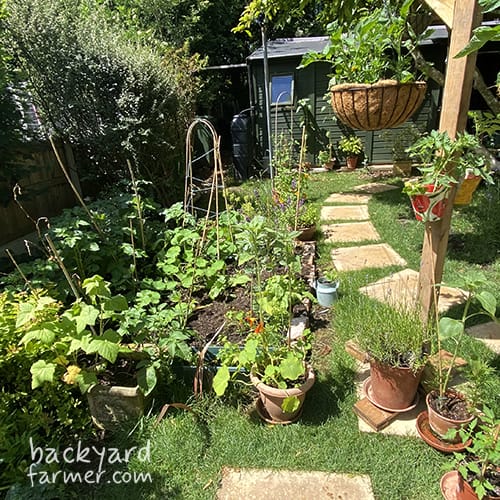
Bees also make a visible difference in gardens and allotments. If you grow fruit, vegetables, or flowering plants, a steady flow of bees can help improve:
- Bigger harvests
- Better fruit set
- Larger, better-shaped produce
- Healthier, more resilient plants
- More biodiversity in the garden
In my own garden, even leaving a small patch to grow a bit wild has made a clear difference. Early flowers like dandelions and clover bring bees in at the start of the season. Then, as things pick up, they move across the rest of the garden and help pollinate everything else.
Over time, this creates a more active, balanced, and productive growing space. So, whether you’re looking at farms, wild spaces, gardens, or allotments, bees quietly underpin food production, biodiversity, and the natural balance of the environment.
Why Are Bees Declining?
Bee populations across the UK and beyond are under pressure from several causes at once. There isn’t one single reason bees are declining. Instead, habitat loss, pesticides, climate change, disease, and intensive land management all play a part.
Habitat Loss
One of the biggest problems is the loss of wild, flower-rich spaces. As towns expand and farmland becomes more intensively managed, bees lose both food sources and nesting sites.
Useful habitats such as wildflower meadows, hedgerows, rough grass, and uncultivated corners are often replaced by:
- Paved or built-up spaces
- Intensively managed farmland
- Tidy gardens with very little plant diversity
As a result, bees have fewer places to feed, nest, and recover.
Pesticides and Chemicals
Pesticides can also harm bees, especially when used heavily or at the wrong time. Some chemicals affect a bee’s nervous system, making it harder for them to navigate, forage, and return to the hive or nest.
Even when pesticides do not kill bees outright, they can still:
- Disrupt navigation
- Reduce feeding efficiency
- Weaken colonies over time
- Affect reproduction and survival
This is why reducing chemical use in gardens, allotments, and farmland is so important.
Climate Change and Seasonal Disruption
Changing weather patterns are also causing problems. Warmer winters, late frosts, droughts, and unpredictable seasons can affect when bees emerge and when plants flower.
If bees become active before enough flowers are available, they may struggle to find food. Over time, this can lead to weaker colonies and lower survival rates.
Disease, Parasites, and Pests
Bees also face pressure from disease and parasites. Honey bees, for example, can be badly affected by Varroa mites, which weaken bees and spread viruses.
Other problems include fungal infections, bacterial diseases, and weaker immune systems caused by stress from poor habitat, pesticides, or lack of food.
The Bigger Picture
Bee decline is not caused by one problem alone. It is the result of several pressures building up at the same time.
The good news is that gardens, allotments, and community spaces can help. By planting more flowers, avoiding pesticides where possible, leaving wild patches, and creating nesting spaces, we can make everyday spaces much more bee-friendly.
Are Bees Endangered in the UK?
Not all bees in the UK are endangered, but many species are under pressure. Some have declined sharply, and a few have already disappeared from parts of the country.
The UK is home to around 270 species of bee, including honey bees, bumblebees, and solitary bees. Most people recognise honey bees and bumblebees first, but solitary bees actually make up the majority of UK bee species.
Honey Bees Are Only Part of the Story
It’s easy to assume that if honey bees are doing well, bees in general are fine. However, honey bees are only one part of a much bigger picture.
Bumblebees and solitary bees are also vital pollinators. In some cases, they can be even better suited to UK gardens and wild spaces, especially in cooler weather.
Why Bee Diversity Matters
Different bees pollinate different plants. So, the more diverse the bee population is, the more stable and reliable pollination becomes.
A healthy mix of bee species supports:
- More reliable pollination
- Healthier gardens and wild spaces
- Better biodiversity
- Stronger food production
As bee diversity drops, ecosystems become more fragile. This is why protecting all types of bees — not just honey bees — matters.
If you’re seeing more bees in your garden, learning a bit of bee identification can also help you understand which species you’re supporting.
How to Help Bees in Your Garden
Helping bees doesn’t require a huge garden or specialist knowledge. A few simple changes can make a real difference, whether you have an allotment, garden, patio, or balcony.
Avoid Pesticides Where Possible
One of the best ways to help bees is to reduce or avoid chemical pesticides. Many garden chemicals do not just affect pests; they can also harm bees or interfere with how they feed, navigate, and reproduce.
Instead, try to:
- Use natural pest control methods
- Try companion planting
- Encourage beneficial insects like hoverflies and ladybirds
- Avoid spraying plants when they are in flower
Over time, a more balanced garden usually needs less intervention anyway.
Let Some Areas Grow Wild
A perfectly tidy garden often lacks the variety bees need. Leaving even a small patch to grow a bit wild can provide food, shelter, and nesting opportunities.
Useful plants like dandelions, clover, yarrow, viper’s bugloss, field scabious, and white dead nettle are especially valuable because they provide nectar and pollen when other flowers may be limited.
This does not need to mean letting the whole garden go wild. Even one unmown corner, a strip along a fence, or a few wildflowers in pots can help.
Plant Flowers from Spring to Autumn
Bees need food across the growing season, not just in summer. The best bee-friendly gardens include a mix of early, mid-season, and late-flowering plants.
Good UK plants for bees include:
- Crocus
- Snowdrops
- Dandelions
- Clover
- Lavender
- Cosmos
- Calendula
- Sunflowers
- Sedum
- Ivy
- Rosemary
- Thyme
- Chives
- Oregano
- Apple blossom
- Raspberry canes
- Blackberries
- Strawberries
Try to plant flowers in small groups or clusters so bees can find them easily. Single, open flowers are usually better than heavily bred double flowers, which often contain less accessible nectar and pollen.
Provide Shelter and Nesting Spaces
Different bees need different types of shelter. Honey bees live in colonies, but many solitary bees nest in small holes, hollow stems, bare soil, or tucked-away spaces.
You can help by:
- Leaving some hollow stems in place over winter
- Avoiding over-clearing every corner of the garden
- Providing a simple bee hotel
- Leaving small areas of bare soil for ground-nesting bees
This gives bees a reason to stay in your garden rather than just pass through.
Add a Simple Water Source
Bees also need water, especially during dry or warm weather. A shallow dish with pebbles, stones, or marbles gives them somewhere safe to land while they drink.
Keep it simple:
- Use a shallow tray or dish
- Add stones so bees do not drown
- Top it up with fresh water regularly
Together, these small steps create a more bee-friendly garden with food, shelter, water, and fewer chemical pressures. Over time, that supports stronger pollination, better biodiversity, and a healthier growing space.
What Should You Do If You Find a Tired Bee?
It’s common to find a bee sitting still on the ground, especially in warm weather. Often, it isn’t dying — it may just be tired, dehydrated, or short on energy.
A bee may need help if it:
- Sits still for a long time
- Moves slowly or looks weak
- Struggles to fly
The best thing to do is gently move it onto a nearby flower in a sheltered, sunny spot. A natural food source is always better than sugar water.
If there are no flowers nearby, you can offer a few drops of weak sugar water on a spoon or flat surface. Let the bee feed by itself, then leave it to recover naturally.
Avoid:
- Pouring liquid onto the bee
- Spraying or submerging it in water
- Handling it too much
- Leaving sugar water out regularly
The aim is simple: give the bee a safe chance to recover, then let it carry on naturally.
Final Thoughts: Why Small Actions Matter
Bees are not just helpful — they are essential. They pollinate many of the foods we eat, support wild plants, and help keep gardens, farms, and natural ecosystems healthy.
The good news is that helping bees does not require a huge garden or a complete lifestyle change. Small, consistent actions can make a real difference, such as:
- Planting bee-friendly flowers
- Letting a corner of your garden grow wild
- Cutting back or avoiding pesticides
- Adding a simple water source
- Learning which bees are visiting your garden
On their own, these steps may seem small. However, when lots of gardens, allotments, patios, and community spaces do the same, they create better connected habitats for bees and other pollinators.
If you want to take the next step, start by creating a simple bee-friendly planting plan, keeping flowers going through the season, or using our UK bee identification app to learn more about the bees visiting your garden.
Or, if you want something more hands-on, try our UK bee identification app to quickly identify the bees visiting your garden.