
The Red-tailed Bumblebee (Bombus lapidarius) is one of the easiest UK bumblebees to recognise, especially when you see a female. Queens and workers are mostly velvety black with a bright red or orange-red tail and no obvious yellow bands.
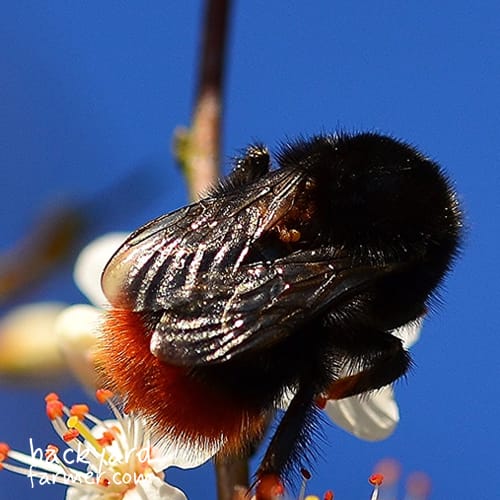
Many people first notice this species as a black bumblebee with a red tail, especially when a queen or worker turns up in the garden.
Males look different. They still have the red tail, but they also have yellow facial hair and yellow bands on the thorax, which can make them more confusing for beginners.
This is a common UK bumblebee, often seen in gardens, parks, hedgerows, farmland, woodland edges, and other flower-rich places. Beginners sometimes describe it as a red-tailed black bumblebee, but its standard common name is Red-tailed Bumblebee.
How to Identify Red-Tailed Bumblebees in the UK
The Red-tailed Bumblebee is a good beginner species because the females are so distinctive. Queens and workers have a dense, velvety black body with a strong red or orange-red tail. Unlike many familiar black-and-yellow bumblebees, female Red-tailed Bumblebees normally have no yellow bands.
Males need a little more care. They still have the red tail, but they also show yellow facial hair and yellow banding on the thorax. This can make them look more like other red-tailed or yellow-banded bumblebees at first glance.
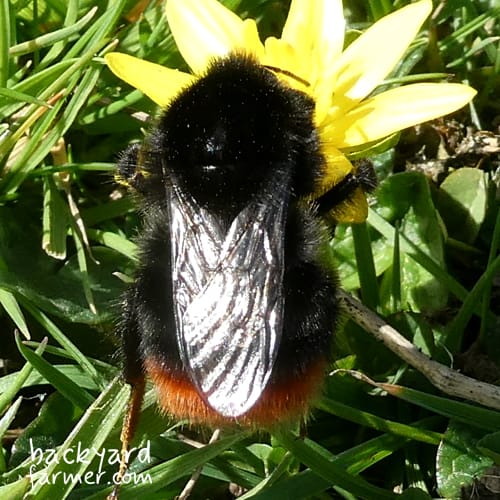
Queen Red-Tailed Bumblebee
A queen Red-tailed Bumblebee is usually the largest individual you will see, especially early in the year. She is large, robust and velvety black with a bright red or orange-red tail.
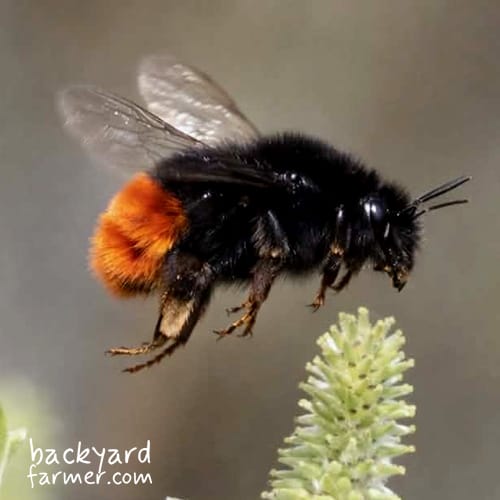
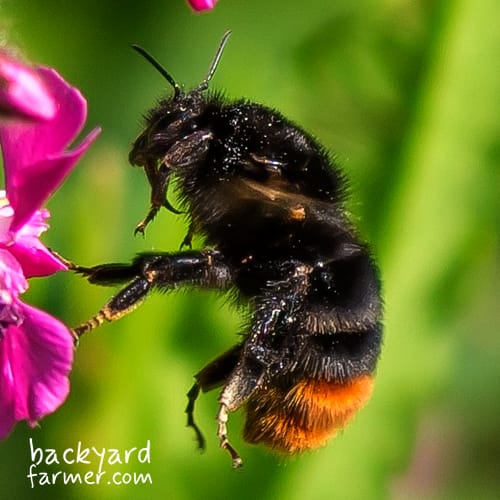
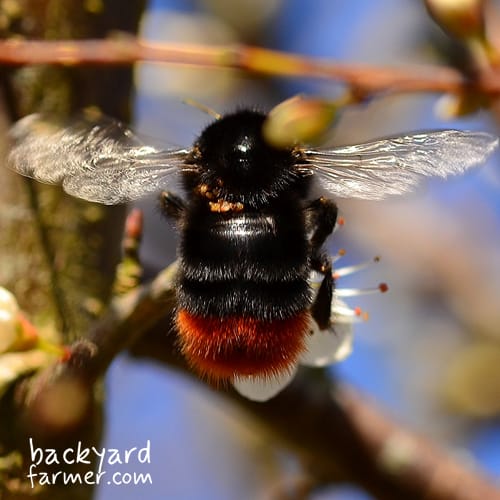
Female Worker Red-Tailed Bumblebee
Smaller than the queen but with the same classic pattern: black body, red tail and no obvious yellow bands. Workers are often seen feeding on garden flowers and may carry pollen on their hind legs.
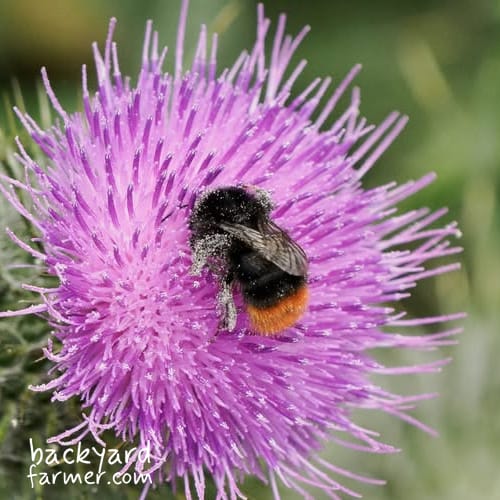
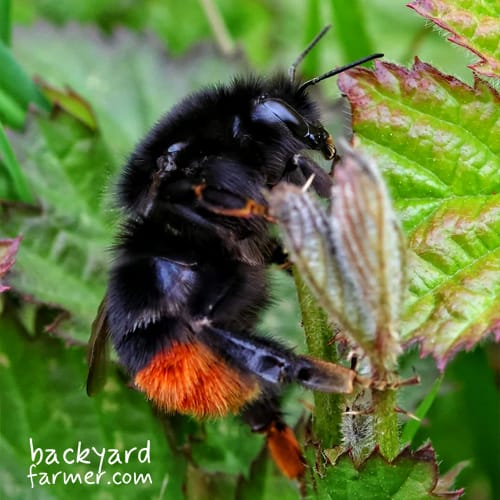
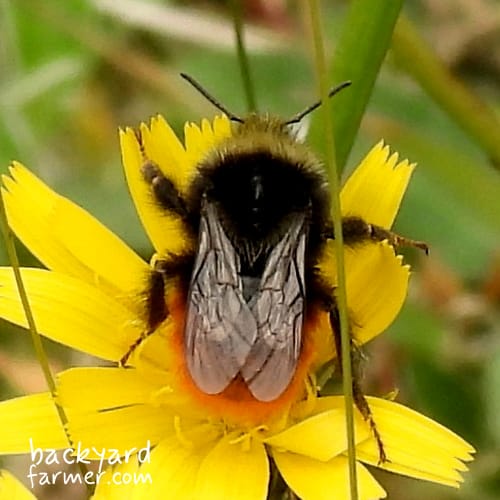
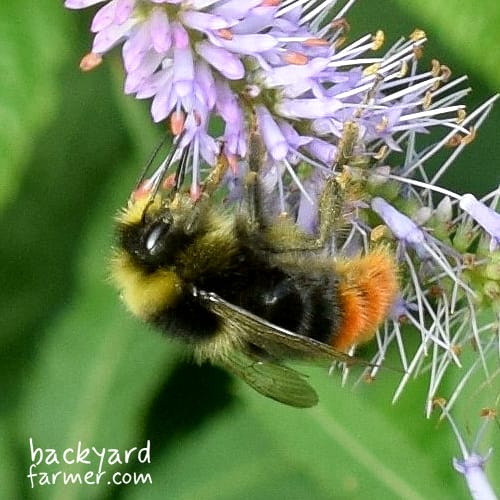
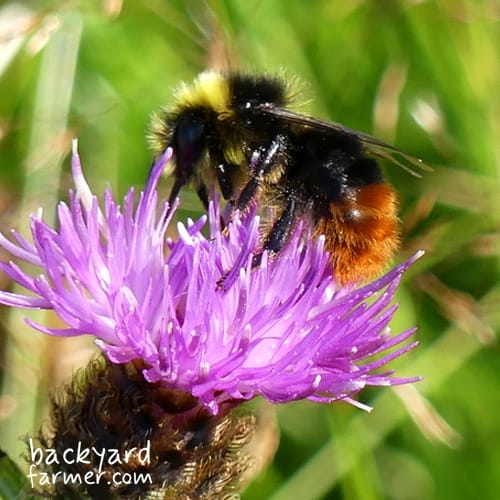
Male Red-Tailed Bumblebee
Smaller and slimmer-looking than the queen, with a red tail, yellow facial hair and yellow bands on the thorax. Males appear later in the season, do not collect pollen and cannot sting.
Identification & Key Facts
| Attribute | Details |
|---|---|
| Common name | Red-tailed Bumblebee |
| Scientific name | Bombus lapidarius |
| Other names | Sometimes called Large Red-tailed Bumblebee; “red-tailed black bumblebee” is best treated as a descriptive search phrase |
| Best beginner clue | Females are black with a red/orange-red tail and no yellow bands |
| Main ID feature | Black body with a bright red/orange-red tail |
| Queen size | Around 20–22 mm |
| Worker size | Around 11–16 mm |
| Male size | Around 14–16 mm |
| Female markings | Queens and workers are black with a red tail and normally no yellow bands |
| Male markings | Red tail, yellow facial hair, yellow collar band and a second yellow thorax band that can vary in strength |
| Tongue length | Medium-length tongue |
| Active period | Queens from March; workers from spring into summer; males and new queens from July into early autumn |
| Habitat | Gardens, parks, hedgerows, farmland, grassland, woodland edges, heathland, coastal areas and other flower-rich places |
| Nesting | Mainly underground or in enclosed spaces, often old mammal burrows, under stones, beneath slabs or around old walls |
| Colony size | Often large, sometimes around 100–300 workers |
| UK status | Common and widespread |
Red-tailed Bumblebee Nesting Behaviour
Red-tailed Bumblebees usually nest underground or in enclosed spaces. In gardens and countryside, they may use old mammal burrows, gaps beneath stones, spaces under slabs, rough edges near walls, or other quiet sheltered places.
A Red-tailed Bumblebee nest is temporary. Queens start new colonies in spring, workers build the colony through the season, and males and new queens appear later in summer. Once the season ends, the old nest naturally dies out.
If a nest is not causing a serious access or safety problem, it is usually best left alone. Bumblebee nests do not last all year like honey bee colonies, so most garden nests can simply be watched and enjoyed from a sensible distance.
What Flowers Do Red-tailed Bumblebees Visit?
Red-tailed Bumblebees visit a wide range of garden and wild flowers. They are often seen on nectar-rich plants such as dandelions, knapweed, lavender, clover, thistles, dead-nettle, bird’s-foot trefoil and other open or moderately deep flowers.
For gardens, the best approach is to provide flowers across the season. Early spring flowers help queens after hibernation, while summer and early autumn flowers support workers, males and new queens.
Similar Species
Most female Red-tailed Bumblebees are fairly easy to recognise, but a few UK bumblebees can be confusing. These are the main similar species to check before confirming your ID.
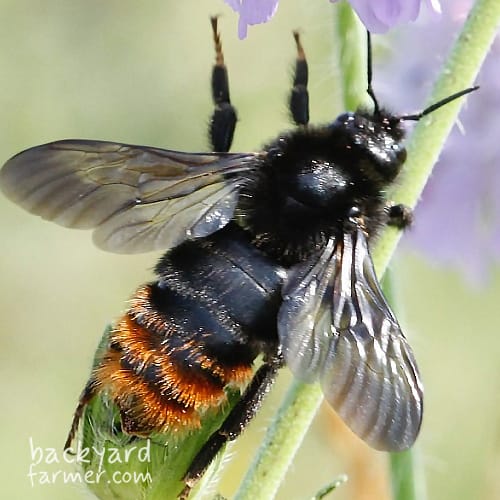
Red Tailed Cuckoo Bee (Bombus rupestris) – A close lookalike with a black body and red tail, but usually darker wings, sparser hair and a shinier body.
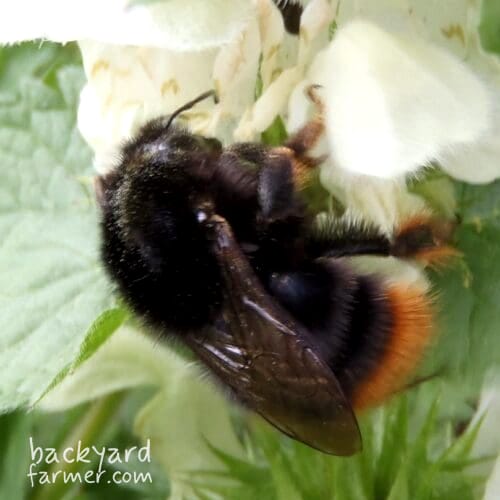
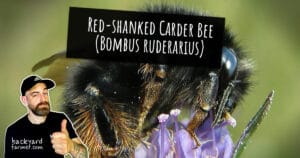
Red-shanked Carder Bumblebee (Bombus ruderarius) – Smaller, rounder and scarcer than the Red-tailed Bumblebee.
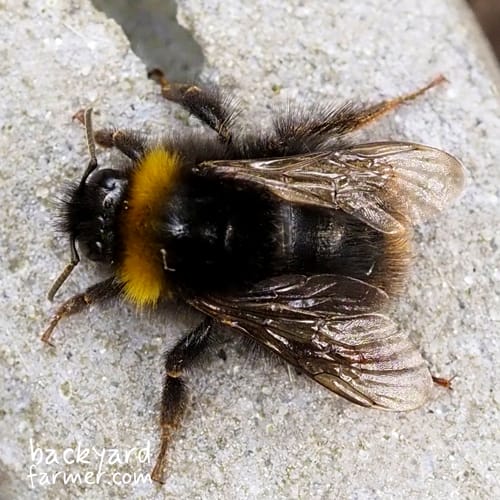
Early Bumblebee (Bombus pratorum) – Smaller and fluffier, with a small orange-red tail and yellow bands.
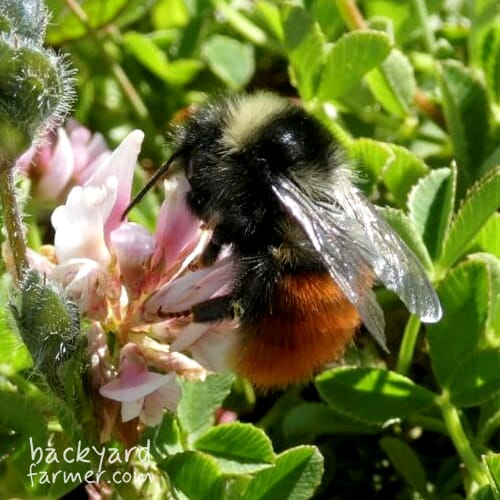
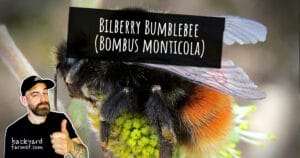
Bilberry Bumblebee (Bombus monticola) – A red-tailed, yellow-banded species of upland, heathland and moorland habitats.
Why the Red Tailed Bumblebee Matters
The Red-tailed Bumblebee is a widespread UK pollinator, but common species still need good habitat. It visits a wide range of flowers and helps pollinate wild plants, garden flowers and some crops.
Like other bumblebees, it benefits from flower-rich gardens, fewer pesticides, rough nesting corners and connected habitats. A garden with flowers from spring into autumn is far more useful than one that is tidy, clipped and flower-poor.
How You Can Help Red-tailed Bumblebees
Grow Flowers Across the Season
Plant a mix of flowers from spring to autumn. Early flowers help queens after hibernation, while summer flowers support workers, males and new queens.
Good choices include:
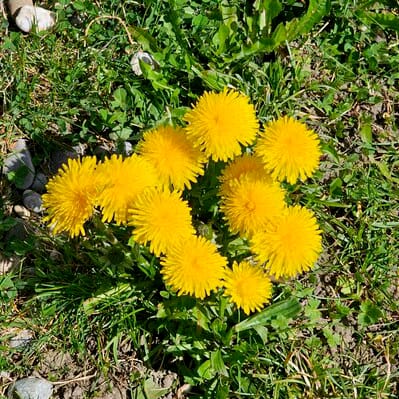
- Dandelions in relaxed lawn areas
- Knapweed
- Lavender
- Clover
- Thistles were suitable
- Dead-nettle
- Bird’s-foot trefoil
- Foxglove
- Other nectar-rich cottage garden and wildflower plants
Leave Nesting Corners
Red-tailed Bumblebees often nest underground or in enclosed spaces. Leaving a few quiet, undisturbed corners around hedges, walls, rough grass, compost areas, or stone edges can make a garden more useful for nesting bumblebees.
Avoid Pesticides
Avoid spraying flowering plants, especially when bees are active. A pesticide-free garden is much more useful for bumblebees and other pollinators.
By creating a pollinator-friendly garden, you’ll help ensure that the Red Tailed Black Bumblebee and other beneficial species continue to thrive. Check out these WWF tips on creating a bee-friendly garden for more ideas.
Frequently Asked Questions
Female Red-tailed Bumblebees are black with a bright red or orange-red tail and no obvious yellow bands. Males also have a red tail, but they have yellow facial hair and yellow bands on the thorax.
The scientific name of the Red-tailed Bumblebee is Bombus lapidarius.
Red-tailed Bumblebees feed on nectar for energy and collect pollen to feed their larvae. They visit a wide range of flowers, including dandelions, knapweed, lavender, clover and other nectar-rich garden and wild plants.
Red-tailed Bumblebees visit a wide range of nectar-rich flowers, including dandelions, knapweed, lavender, clover, thistles, dead-nettle and bird’s-foot trefoil. A mix of flowers from spring to autumn is best.
Not always, but in UK gardens it is one of the most likely options. Similar species include the Red-tailed Cuckoo Bumblebee and the much scarcer Red-shanked Carder Bumblebee.
It is probably a male Red-tailed Bumblebee. Male Red-tailed Bumblebees have yellow facial hair and yellow bands on the thorax, unlike the plain black females.
They usually nest underground or in enclosed places, often in old mammal burrows, under stones, beneath slabs or near old walls.
No. They are not aggressive when left alone. Queens and workers can sting if threatened or trapped, but they usually ignore people. Males cannot sting.
Queens and workers can sting if trapped, handled or disturbed near a nest, but they are not aggressive when left alone. Male Red-tailed Bumblebees cannot sting.
Usually, no. Bumblebee nests are temporary and normally die out naturally by the end of the season. If the nest is not causing a serious access or safety issue, it is best left alone.
No. The Red-tailed Bumblebee is widespread in the UK, but it still benefits from flower-rich gardens, pesticide-free spaces and undisturbed nesting areas.