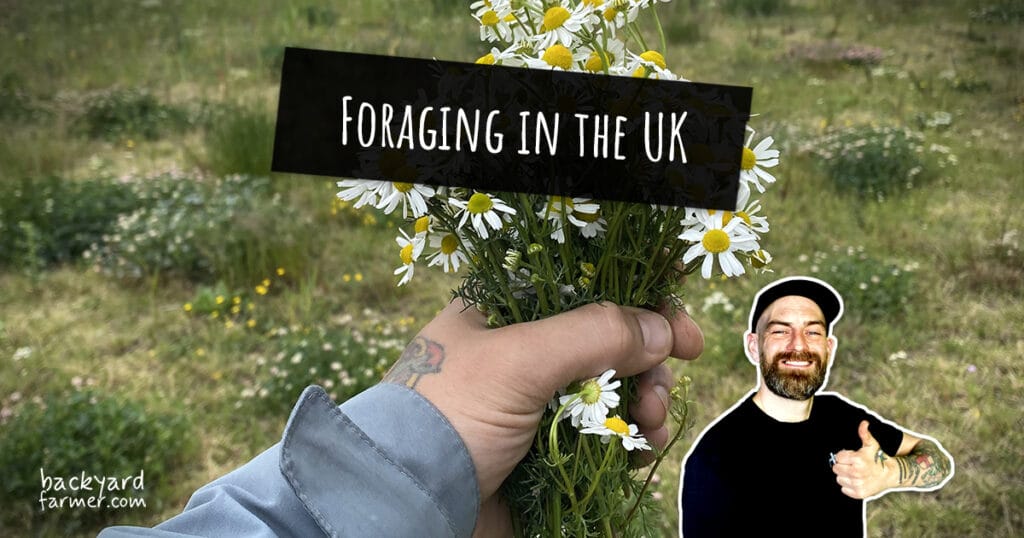
Foraging in the UK: A Safe, Seasonal Guide for Beginners

Foraging in the UK often begins with curiosity — spotting a plant you half‑recognise, noticing a hedgerow coming into bloom, or simply wondering what’s growing nearby. However, that curiosity is usually paired with hesitation. Importantly, that caution is healthy, and it’s worth keeping.
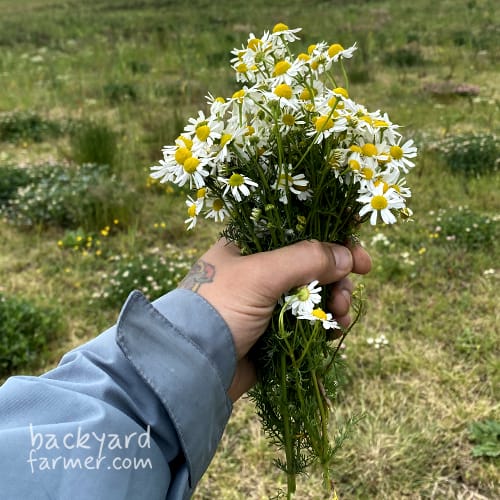
This hub is for people who want to learn foraging in the UK properly, without shortcuts, hype, or pressure to act before they’re ready. Everything here is grounded in real UK conditions — including local landscapes, access rules, protected species, and the seasonal patterns that shape wild food.

Rather than overwhelming you with long lists of UK wild edible plants, the focus stays on how to forage safely. You’ll learn how to observe habitats, understand seasonal cues, identify wild plants accurately, and recognise when a plant is best left alone.

Ultimately, foraging isn’t about taking more. Instead, it’s about noticing more — building knowledge, confidence, and respect for the landscape, one season at a time..

What this hub helps you do

This hub is designed to deliver clear, practical outcomes for anyone interested in UK foraging — without overwhelm or unnecessary risk.

Specifically, it will help you:

  • Identify common UK wild edible plants using multiple confirmation cues
  • Understand seasonal foraging — when plants appear, flower, fruit, and fade
  • Avoid dangerous lookalikes and common beginner foraging mistakes
  • Stay within UK foraging law, bylaws, and access rules
  • Build confidence gradually by learning one plant at a time

Start here: Beginner foraging paths

If you’re new to foraging, start with the path that best fits where you’re at right now. There’s no correct order — steady progress matters more than speed.

New to foraging

If you’re starting from scratch, it’s best to focus on fundamentals first: what foraging really involves, how to approach it safely, and how to develop the right mindset before picking anything.

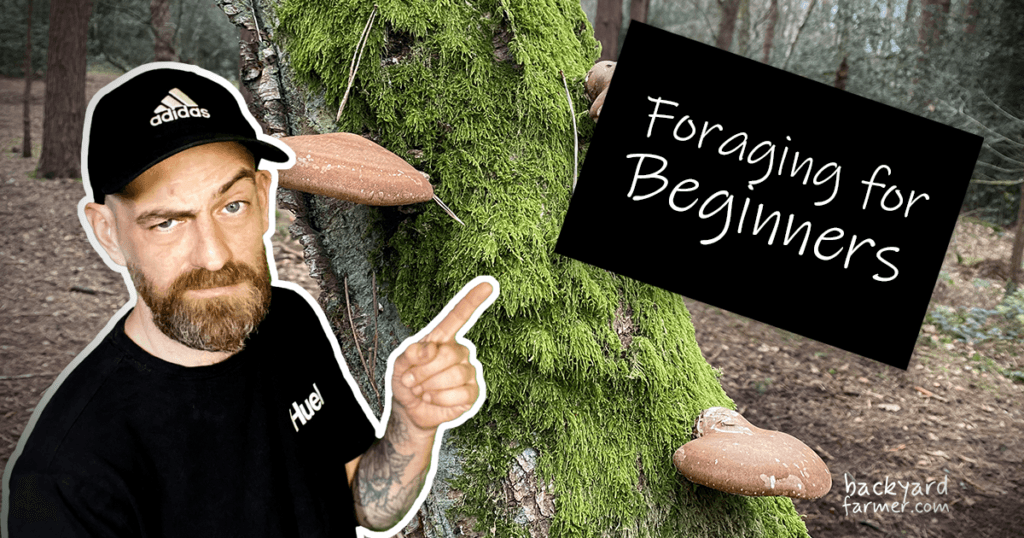
Foraging for Beginners UK – man pointing at tree fungi in woodland

Foraging in the UK: A Beginner’s Guide to Wild Food

Introduction to Foraging for Beginners UK Foraging in the UK is a rewarding activity that connects you to nature while providing free, healthy food. Whether you’re searching for mushrooms, berries, or edible plants, foraging allows you to explore the natural world and learn essential survival

Read guide »

Seasonal foraging

Foraging follows the seasons. Knowing when wild plants appear is just as important as knowing what they are.

These tools help you understand UK foraging seasons, seasonal timing, and natural cycles:

Plant identification

Good foraging depends on accurate identification. That means learning visual cues, growth habits, and seasonal behaviour — rather than relying on a single feature.

Pollinators as seasonal indicators

Bees and other pollinators appear here as ecology and seasonality context. By learning which species are active — and when — you gain a clearer picture of what is flowering in the landscape before you ever consider harvesting.

Rather than focusing on individual species here, use pollinators as a learning lens for seasonality. A single tool can help you understand what’s flowering and when, without encouraging harvesting:

Urban & hedgerow foraging

Most people forage in everyday places — paths, hedgerows, parks, and the edges of towns.

This section focuses on realistic locations, access awareness, and responsible behaviour in shared spaces.

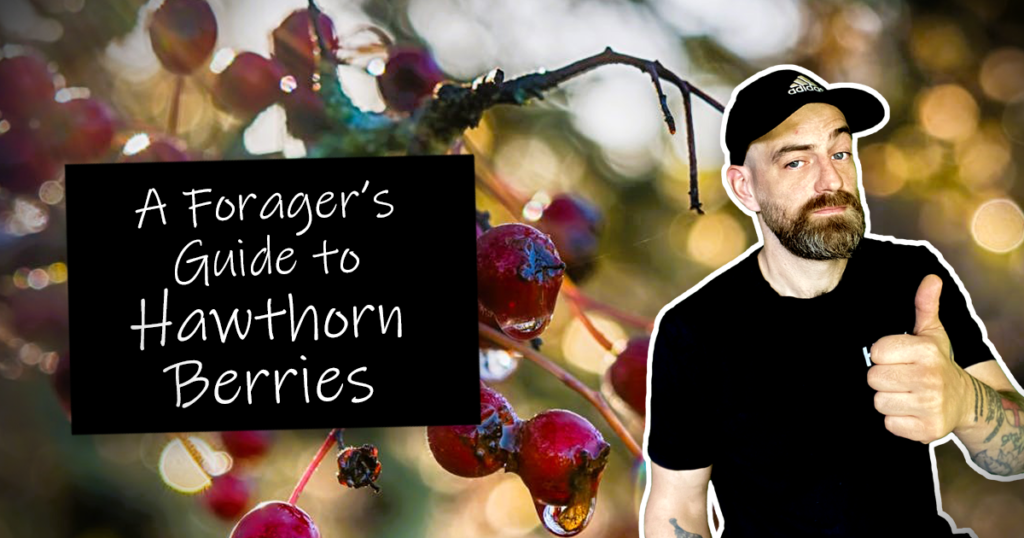
Person holding freshly picked red hawthorn berries in autumn sunlight – foraging guide hero image

A Forager’s Guide to Hawthorn Berries

Introduction Hawthorn berries, also known as haws, are small, bright red fruits that grow on the Crataegus tree, a member of the rose family. These hardy trees thrive in hedgerows, woodland edges, and open fields, making them a top choice for foragers and herbalists looking
Read guide »

Edible plants & greens

Focus on learning to:

  • Recognise common, low‑risk plants
  • Identify clear, repeatable features
  • Use multiple confirmation cues
dandelion health and nutrition

The Dandelion health nutrition and tea

Is Dandelion Tea Good for You? Benefits, Side Effects & How to Brew It Dandelion tea — whether made from the root, leaves, or flowers — has been a staple in traditional herbal medicine for centuries. Today, it’s still enjoyed as a comforting, caffeine-free herbal

Read guide »
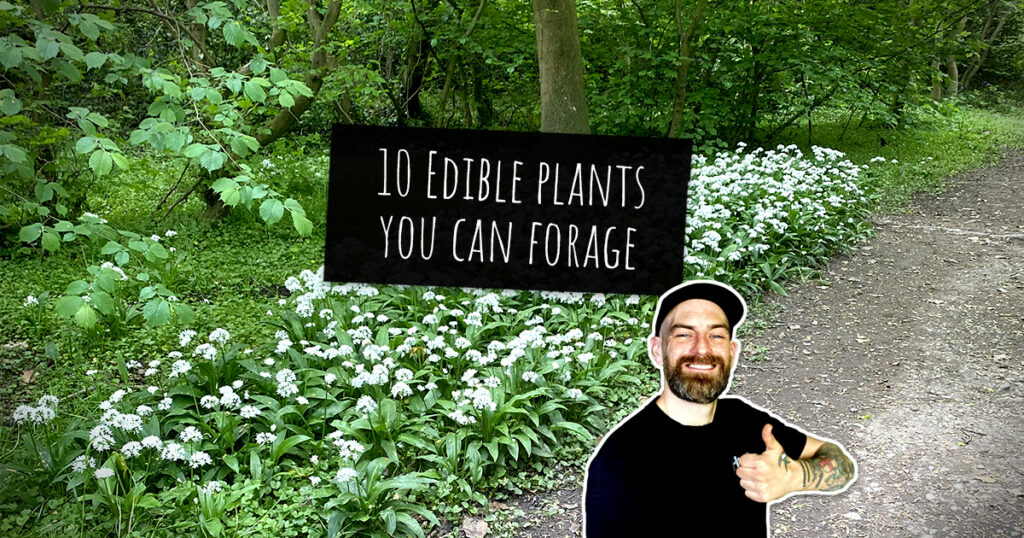
10 Edible plants you can forage

10 Edible plants you can forage

Intro: 10 Edible Plants You Can Forage in the UK Foraging is making a comeback—and it’s easy to see why. With more people turning to sustainable living and seeking ways to reconnect with the outdoors, edible plants in the UK offer an abundant, free, and

Read guide »

Wild fruits & berries

Focus on learning to:

  • Understand seasonal timing

  • Distinguish safe and unsafe berries

  • Follow respectful harvesting etiquette

Totally wild foraging in the uk

Totally Wild Foraging in the UK

Totally Wild is a company in the United Kingdom that offer educational services in foraging for wild foods in the UK. They are an experienced and reputable company set up by founder James Wood, a keen forager. Who founded ‘Totally Wild’? James Wood founded Totally Wild

Read guide »

Herbs & medicinal plants (intro level)

This section helps you learn to:

  • Recognise traditionally used plants

  • Understand boundaries and disclaimers

  • Focus on identification, not claims

Herbs & Heresy: From Witch Hunts to Big Pharma

Introduction: Herbs & Heresy — From Witch Hunts to Big Pharma The Roots of Herbal Medicine For centuries, the history of herbal medicine has shaped human survival. Herbal remedies and natural medicine formed the backbone of healthcare long before modern pharmaceuticals. Village midwives, hedge‑row healers,

Read guide »

Trees & woodland foods

This section helps you learn to:

  • Recognise nuts, seeds, and leaves

  • Think long‑term rather than seasonal grabs

  • Harvest respectfully where permitted

Best Foraging Books | UK 2025

Best Foraging Books | UK 2026

Find the Best Foraging Book for Your Wild Food Adventures in the UK Looking for the best foraging books (UK) to help you explore nature’s larder? To guide your outdoor adventures, you’re in the right place. Whether you’re just starting out and spotting your first

Read guide »

Safety, legality & ethics

Foraging in the UK comes with responsibilities as well as rewards. While personal foraging is permitted in some situations, it’s never a free‑for‑all. Understanding UK foraging laws and access rules protects both you and the places you’re exploring.

In practical terms, you can only forage where you have permission, and you must never uproot plants or damage habitats. Many wild plants are protected, and foraging on private land without consent isn’t allowed. Public access does not automatically mean permission to forage.

Ethics matter just as much as legality. Take small amounts, leave plenty behind, and avoid areas already under pressure. If you’re unsure about a plant, location, or rule, leaving it alone is the right call. Caution is a strength here.

Seasonal foraging calendar

Foraging is shaped by the seasons. Plants emerge, flower, fruit, and fade in predictable patterns, and learning those rhythms is central to safe identification.

Spring brings fresh growth and early greens. Summer is the peak for flowers and berries. Autumn focuses on fruits, nuts, and seeds, while winter is better suited to learning tree identification, buds, and habitats rather than harvesting.

Seasonal awareness reduces mistakes, limits pressure on plants, and builds long‑term understanding. This hub links to calendar tools and seasonal guides to support that slower, more reliable approach.

Common mistakes beginners make

Most early mistakes come from rushing. Relying on a single identifying feature, trusting an app without cross‑checking, or picking before fully understanding a plant are all common traps.

Another issue is over‑harvesting. Even edible plants can suffer if too much is taken, especially in busy or urban areas. Foraging should always feel light‑touch.

Location risks are often underestimated as well. Roadsides, polluted ground, and treated areas can make otherwise safe plants unsuitable. Pausing, observing, and double‑checking are part of becoming confident.

How this fits with the rest of the site

Foraging sits alongside the rest of The Backyard Farmer as a complementary skill — not a replacement for growing your own food.

Many people begin by growing vegetables and herbs, then use foraging to deepen their understanding of plants, seasons, and ecosystems. DIY projects such as drying, storing, or preserving connect naturally with responsible foraging.

Tools and reviews across the site focus on practical kit that supports learning safely — field guides, baskets, and everyday tools rather than specialist or extreme gear.

Latest foraging guides

Foraging doesn’t require confidence on day one. It develops slowly, through observation, repetition, and restraint.

If there’s one thing to take from this hub, let it be this: you don’t need to pick everything you recognise. Learning names, seasons, and habitats is progress in itself.

Small steps. One plant at a time.

Scroll to Top