
Introduction
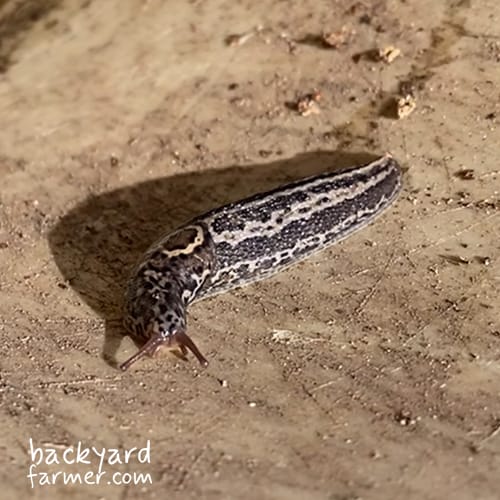
Slugs are one of the most frustrating pests in UK gardens, especially in mild, wet weather when seedlings, lettuce and hostas can be hit overnight. Natural slug control does work, but it works best as a layered approach rather than one miracle trick.
The most reliable methods are reducing damp hiding places, protecting soft young plants, collecting slugs when they are active, and encouraging predators that help keep numbers down. Start with the quick answer below, then use the sections after it to match the method to your garden.
Quick Answer: What Actually Works Best?
The best natural way to get rid of slugs is to make the garden less inviting, then protect the plants that are most at risk. In practice, that means clearing damp hiding places, checking vulnerable crops on wet evenings, using simple traps, and encouraging predators.
If pressure is high, beer traps and nematodes can help, but they work best as backup methods rather than the whole answer.
| Method | Best For | Reliability |
|---|---|---|
| Night torch picking | Small gardens, seedlings, hostas | High |
| Board, cardboard or tile traps | Allotments, veg beds | High |
| Reducing damp hiding places | Long-term control | High |
| Frogs, toads, birds and beetles | Wildlife-friendly balance | Medium-high |
| Nematodes | Heavy slug pressure in soil | Medium-high |
| Beer traps | Short-term local knockback | Medium |
| Copper, wool, grit and shells | Pots and individual plants | Mixed |
Why Slugs Are So Bad In UK Gardens
Slugs do well in the conditions many UK gardens get for long stretches: mild temperatures, regular rain, damp shade and plenty of ground-level cover. Borders, veg beds and allotments often give them exactly what they want, especially where pots, mulch, boards and dense planting create cool hiding places.
Young plants suffer most because they are soft and easy to strip quickly. That is why seedlings, lettuce, brassicas, beans, dahlias and hostas can look fine one evening and badly damaged by morning. In most gardens, the real problem is wet weather, shelter and vulnerable plants all lining up at once.
That is also why the best control methods are the simplest ones: reduce shelter, protect soft growth and deal with slugs when they are active.
The Best Natural Slug Control Methods
Start with the methods that cut damage quickly, then make the garden less inviting over time. In most UK gardens, that means dealing with active slugs first and reducing the damp shelter that keeps them coming back.
1. Go Out At Night With A Torch
This is one of the quickest ways to reduce damage. Check vulnerable plants on damp evenings or after rain, especially seedlings, lettuce, brassicas, beans, dahlias and hostas. You will usually find slugs feeding on leaves or sitting on the soil nearby.
Work methodically with a tub or bucket rather than wandering around the garden. It is not glamorous, but it shows you exactly where the pressure is and works well in smaller gardens, raised beds and around pots.
2. Use Boards, Cardboard Or Slug Hiding Traps
Slugs hide in cool, damp places by day, so you can gather them under one spot instead of hunting them all over the garden. Lay a board, folded cardboard, tile, stone or upturned pot near damaged plants, then lift it in the morning and collect what is underneath.
This works especially well on allotments and veg beds where night checking every evening is unrealistic. It turns slug control into a quick routine rather than a full patrol.
3. Remove Damp Hiding Places
Long-term control starts with reducing shelter. Lift unused pots and trays, clear old bags, timber, plastic and dense weeds, and stop bed edges turning into permanent damp hiding strips. Around small seedlings, avoid thick damp mulch until plants are established.
Watering in the morning can also help because the surface has time to dry before slugs become active. You will not make the garden slug-proof, but you can make it much less comfortable for them.
4. Protect Young Plants Until They Toughen Up
Slugs do most damage when plants are small and soft, so one of the best natural methods is to get crops past that stage. Raise seedlings in modules, plant them out a bit bigger, and use collars, cloches or other simple protection while they settle in.
This matters most with lettuce, brassicas, beans, courgettes, dahlias and hostas. You do not need to protect everything forever, just the plants soft enough to disappear overnight.
5. Encourage Natural Slug Predators
A wildlife-friendly garden will not remove slugs completely, but it can help keep numbers in balance. Frogs, toads, ground beetles, blackbirds, thrushes and hedgehogs all help where they are present, which is why ponds, rough margins, log piles and undisturbed corners are useful.
This is a background strategy rather than an instant fix, so it works best alongside direct protection for seedlings and other vulnerable plants.
Beer Traps: Do They Work?
Yes, beer traps do catch slugs, which is why gardeners still use them when pressure is high. Set a shallow container near the plants being hit hardest and keep it topped up. Some people use a yeast, sugar and water mix instead of beer.
They are best treated as a short-term backup method, not the main answer. Beer traps need emptying and refilling, can smell in warm weather, and are not especially wildlife-friendly. Used sparingly, they can help knock numbers back, but they work best alongside torch picking, hiding traps and habitat control.
Nematodes: A Low-Toxicity Option For Heavy Slug Pressure
If slug pressure is still high after trapping and night checks, nematodes are one of the better low-toxicity backup options. They are watered into the soil, where they target slugs below the surface rather than the ones you happen to see on leaves.
They work best when the soil is moist and warm enough, so timing matters. Results can be weaker in cold, heavy or badly drained ground, and they are not usually a one-off cure. Used at the right time, though, they can be a useful step up for veg beds and larger plots.
Physical Barriers: What Works And What Is Overrated?
Physical barriers can help around individual plants, pots and seedlings, but they are not the strongest answer on their own. In wet UK gardens, they are best treated as backup protection rather than full slug control.
| Barrier | Verdict |
|---|---|
| Copper tape or rings | Mixed. Can help around pots or collars, but unreliable across a whole bed. |
| Rough or sharp sand | May help when dry, but weak after rain. Better around pots and seedlings than open soil. |
| Oyster shell or crushed shell | Can act as a rough barrier, but results are mixed. |
| Crushed eggshells | Often recommended, but not reliable enough to depend on. |
| Wool pellets | Some gardeners like them, but results are mixed in wet weather. |
| Grit or gravel | May slow slugs a little, but rarely stops them completely. |
Use barriers to protect specific vulnerable plants, not as your whole slug-control plan.
Dog-Friendly Slug Control
If dogs use the garden, keep slug control simple and low risk. The main concern is not just pellets. Dogs can also pick up lungworm by eating slugs or snails, or by mouthing wet toys, bowls or grass where they have been active.
The safest approach is to focus on habitat reduction, torch collection, raised growing and simple plant protection. Bring bowls and toys in at night, avoid leaving beer traps where a dog can reach them, and be cautious with any slug product sold as pet safe.
What Not To Rely On
Some slug remedies get repeated because they sound satisfying, not because they work well in a wet UK garden. Salt and vinegar kill on contact, but they are poor garden solutions and do not fit a natural approach. Coffee grounds, crushed eggshells and similar home tips are also easy to overrate. They may deter a few slugs in the right conditions, but they are too unreliable to build your whole plan around.
The other mistake is treating slug control as a one-off job. If you remove the slugs you can see but leave the damp shelter, evening moisture and vulnerable plants exactly as they were, the problem usually comes straight back. Lasting control comes from reducing pressure and protecting key plants, not chasing miracle fixes.
Best Method By Situation
The right method depends on where the damage is happening. Match the fix to the problem rather than looking for one answer that does everything.
| Situation | Best Approach |
|---|---|
| Seedlings disappearing overnight | Torch hunt + collars or cloches + board traps |
| Hostas being shredded | Night picking + local barrier or rough mulch + long-term predator support |
| Slugs in pots | Raise pots off the ground, check underneath, and use a collar or copper barrier if it helps |
| Slugs in raised beds | Board traps + remove damp edges + nematodes if pressure stays high |
| Slugs in greenhouse | Check pots and trays, keep the floor clear, and trap where they hide by day |
| Slugs near dog areas | Avoid pellets and reachable traps, bring bowls and toys in, reduce shelter |
| Allotment slug pressure | Strong transplants, board traps, habitat control and nematodes where needed |
Frequently Asked Questions
Yes, but they are a short-term backup method rather than a full solution.
Not reliably enough to depend on.
Sometimes around pots or collars, but results are mixed.
Yes, if slug pressure is high and soil conditions are right.
Predator support, habitat balance and protecting vulnerable plants.
Seal gaps, reduce damp and remove food sources.
You can reduce damage a lot, but a completely slug-free garden is not realistic.
Final Summary: The BYF Method
The most reliable natural slug control in UK gardens is layered. Clear damp hiding places, protect soft young plants, collect slugs when they are active, and use simple traps to gather them where you can deal with them quickly.
Beer traps and nematodes can help when pressure is high, but they are backup tools rather than the main answer. The real win is making the garden less inviting and focusing effort where damage is actually happening.