
Potatoes are one of the easiest and most reliable crops to grow in the UK. Whether you have an allotment, raised bed or just a couple of large containers, they can produce a generous harvest without requiring complicated care.
In this guide, I’ll show you the straightforward no-dig method we use at The Backyard Farm. Instead of burying seed potatoes deeply and repeatedly earthing up rows, we grow them beneath a thick layer of mulch.
This approach works in open ground, raised beds, wooden boxes and large containers. It makes planting simpler, harvesting cleaner and gradually adds organic matter to the soil.
Why Grow Potatoes Using the No-Dig Method?
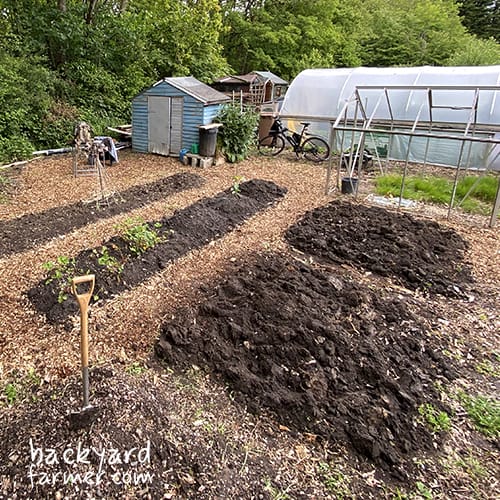
Growing no dig potatoes in the UK is one of the simplest ways to get a reliable harvest without constantly turning or piling up soil. Instead of repeatedly earthing up around the stems, you add steady layers of organic mulch. As a result, the developing tubers stay protected from light while the soil underneath improves naturally.
In the UK climate, this approach makes even more sense. Heavy rain can quickly compact exposed soil, and traditional digging often turns into a muddy workout. However, with the no dig method, you avoid most of that effort and still grow strong, healthy plants with minimal disturbance.
Because this system works just as well in open ground as it does in containers, it’s ideal if you want to grow potatoes in containers, raised beds, or smaller garden spaces.
The Benefits of Growing Potatoes Without Digging
1. Less Physical Effort
There is far less heavy work involved. Once the seed potatoes are planted, simply add more mulch as the stems grow rather than digging and repeatedly earthing up compacted soil.
2. Healthier Soil Over Time
Because the ground remains undisturbed, beneficial soil organisms stay active. The mulch gradually breaks down from the surface, improving soil structure, drainage and moisture retention.
3. Cleaner, Easier Harvests
At harvest time, pull back the mulch and lift the potatoes by hand. This keeps the crop cleaner and reduces the risk of spearing or slicing tubers with a garden fork.
4. Ideal for Containers and Raised Beds
The method works well in containers, wooden boxes, grow bags and raised beds. It is particularly useful where soil depth is limited or drainage needs closer control.
Are There Any Downsides?
Of course, no method is perfect, so it’s worth understanding the trade-offs before you start.
- Potatoes can be more exposed to slugs if mulch stays consistently damp
- Yields may be slightly lower compared to perfectly earthed traditional rows
- Wildlife can occasionally disturb loosely mulched beds
For most home growers, the reduced digging and easier harvesting outweigh these drawbacks, provided the mulch is managed carefully and the developing tubers remain covered.
Step-by-Step – How We Grow Potatoes at The Backyard Farm
This is the no-dig method I use at The Backyard Farm. It works in open ground, raised beds, wooden boxes and large containers, with only minor changes to spacing and watering.
1. Choose Your Container or Growing Area
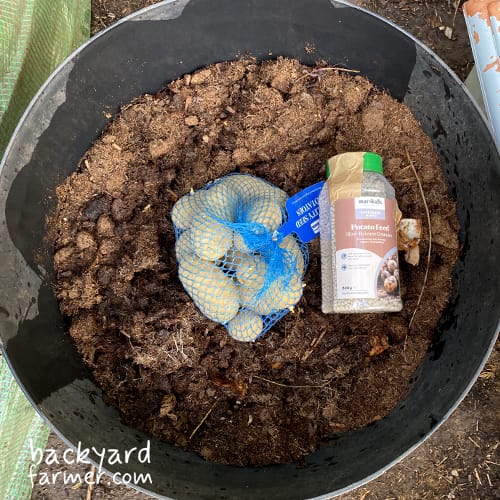
Potatoes can be grown in:
- Open ground or raised beds
- Wooden planter boxes
- Large containers
- Potato grow bags
For containers, choose one at least 30–40cm deep with plenty of drainage holes. Potatoes dislike waterlogged conditions, particularly during wet UK weather.
2. Add Your Base Layer (Soil & Compost)
Add a fertile, free-draining mixture of soil and well-rotted compost. In containers and wooden boxes, fill roughly one-quarter of the available depth.
The growing medium should be:
- Loose and free-draining
- Rich in organic matter
- Free from fresh manure
Fresh manure can encourage excessive leafy growth at the expense of the crop. Well-rotted compost provides a steadier source of nutrients and helps improve heavier soils.
3. Plant Your Seed Potatoes
Place your chitted seed potatoes on the surface with the strongest shoots facing upwards. Press them lightly into the soil so they sit partly embedded.
With this no-dig method, the potatoes do not need to be buried deeply because the mulch replaces traditional earthing up.
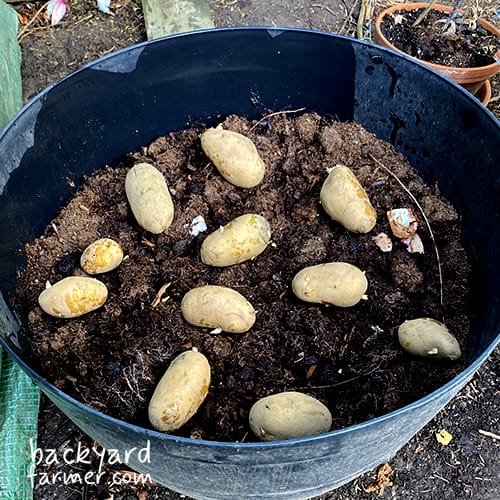
Use the following spacing:
- 25–30cm apart in beds
- 2–3 seed potatoes per large grow bag
Certified seed potatoes are preferable to supermarket potatoes because they carry a lower disease risk and are produced specifically for planting.
4. Cover with Mulch
Cover the seed potatoes with around 10–15cm of mulch, using materials such as:
- Straw
- Hay
- Dry leaves
- Partly dried grass clippings
Apply grass clippings in relatively thin layers so they do not become wet and compacted.
The mulch blocks light from reaching the developing tubers, suppresses weeds and helps the soil retain moisture. Once the shoots stand around 5–10cm above the surface, add another layer around the stems.
Continue topping up the mulch as the plants grow to prevent potatoes from becoming exposed and turning green.
5. Watering & Ongoing Care
Keep the soil consistently moist but never saturated. Potatoes grow best with:
- Full sun for at least six hours a day
- Even moisture
- Good airflow around the foliage
Containers can dry out quickly, so check them every day or two during warm weather. Open beds generally need less frequent watering, although they should still be checked during prolonged dry spells.
When to Plant Potatoes in the UK
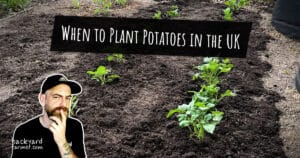
Most potatoes are planted between mid-March and April, but soil condition matters more than a fixed calendar date.
So, when should you plant potatoes in the UK?
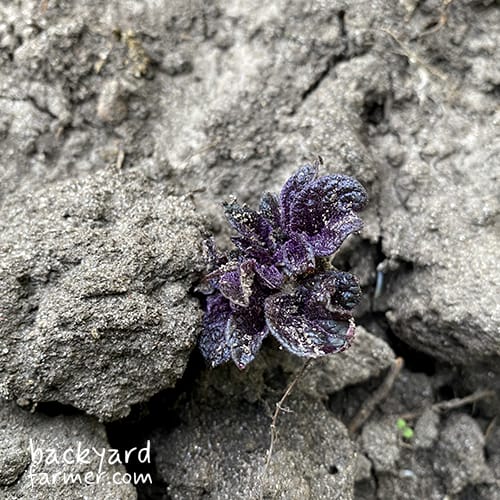
In most parts of the UK, the main planting window runs from mid-March through April, depending on the variety. Ideally, the soil should be workable, free-draining, and sitting consistently above 7°C. If the ground feels cold and sticky, it’s usually better to wait.
Because different varieties mature at different speeds, your planting time links directly to harvest timing. Therefore, choosing the right category helps you plan your growing season more effectively.
The 3 Main Potato Categories
When growing potatoes in the UK, varieties fall into three main groups based on how long they take to mature. As a result, the category determines both when to plant potatoes and when to harvest them.
| Category | When to Plant (UK) | Harvest Time | Best For |
|---|---|---|---|
| Earlies | Mid–Late March | June–July (70–80 days) | New potatoes, summer salads |
| Second Earlies | Late March–Early April | July–August (90–110 days) | General kitchen use |
| Maincrop | April | September–October (120+ days) | Storage & winter use |
Plant first earlies from mid to late March, second earlies from late March into early April and maincrop varieties during April. Treat these as general windows rather than fixed dates: wait if the soil is cold, saturated or difficult to work.
My Potato Picks
For most UK growers, I’d keep the choice simple and pick one dependable variety from each main potato group. These are the three I’d choose for a good spread of early, salad and maincrop potatoes.
First Early — Sharpe’s Express
Second Early — Charlotte
Maincrop — Maris Piper
How to Choose the Right Variety: Choose a potato variety to suit how you plan to grow and use the crop. First earlies and waxy varieties are ideal for summer salads and boiling, while floury maincrop potatoes are better for roasting, baking and winter storage. Also consider your available space, as compact early varieties are often easier to manage in containers than larger maincrop plants.
What If It’s Still Cold?
If your soil feels heavy, sticky, or slow to warm up, it’s usually better to delay planting rather than rush. Cold, saturated soil can cause seed potatoes to rot before they establish.
In the meantime, you can move things forward by chitting potatoes indoors 3–4 weeks before planting. That way, once conditions improve, your seed potatoes are ready to grow quickly — which helps shorten the overall growing time and improves early establishment.
Ultimately, planting potatoes at the right time makes every other step easier, from healthy growth to strong harvests later in the season.
How Long Do Potatoes Take to Grow?
Most potatoes grown in the UK take around 70–130 days from planting to harvest. The exact timing depends mainly on the type of potato, along with soil temperature, sunlight and moisture.
Quick Answer by Type
- First earlies: 70–80 days
- Second earlies: 90–110 days
- Maincrop: 120 days or more
First earlies planted in mid-March may be ready from June, while maincrop potatoes planted in April are usually harvested during September or October.
What Affects Potato Growing Time?
Soil temperature
Cold, saturated soil slows establishment and may cause seed potatoes to rot. Growth usually becomes more reliable once the soil is workable and consistently above approximately 7°C.
Sunlight
Potatoes perform best with at least six hours of direct sunlight each day. Plants grown in shade tend to develop more slowly and produce smaller crops.
Moisture
Keep the soil evenly moist, particularly once the plants begin flowering and the tubers start swelling. Avoid both prolonged dryness and waterlogged conditions.
Variety
Early varieties mature quickly and are usually harvested as new potatoes. Maincrop varieties need a longer season but generally produce heavier crops with thicker skins for storage.
Use these timings as a guide rather than a fixed deadline. Check the plants as they approach maturity, and gently lift one if you are unsure whether the crop is ready.
For more detail, see our guide to when to harvest potatoes in the UK, including the signs to look for with early and maincrop varieties.
Chitting Potatoes: What It Means and Why It Helps
Chitting simply means allowing seed potatoes to sprout before planting. It gives them a head start while the soil is still warming and is particularly useful for first and second earlies.
Why Chit Potatoes?
Chitting encourages short, sturdy shoots to develop from the eyes before the seed potatoes go into the ground. This can lead to:
- Faster establishment
- More even early growth
- A slightly earlier harvest
How to Chit Potatoes
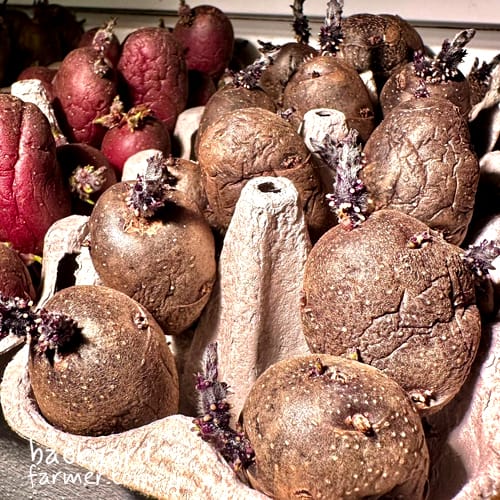
- Place the seed potatoes in an egg box or shallow tray.
- Position the end with the most eyes facing upwards.
- Keep them somewhere cool, bright and frost-free.
- Leave them for around 2–4 weeks before planting.
Aim for short, thick green or purple shoots. Long, pale shoots usually mean the potatoes have been kept somewhere too warm or dark.
When to Start Chitting Potatoes
Start around 3–4 weeks before your intended planting date:
- First earlies: February
- Second earlies: Late February to early March
- Maincrop: March
Maincrop potatoes usually gain less from chitting than early varieties, but you can still chit them if you have the space.
Do You Have to Chit Potatoes?
No. Seed potatoes will still grow without chitting.
However, it is a simple way to encourage earlier growth and may bring the harvest forward slightly, particularly with early potatoes.
Common Potato Growing Problems and How to Fix Them
Potatoes are generally dependable, but cold soil, poor drainage, low light and inconsistent watering can all affect growth. Most problems are easier to correct when noticed early.
Why Are My Potatoes Not Growing?
If plants are slow, pale or weak, check the following conditions.
Cold Soil
Planting too early into cold, wet ground can delay growth and cause seed potatoes to rot. Wait until the soil is workable and consistently above approximately 7°C.
Waterlogged Conditions
Potatoes need moisture but dislike saturated soil. Improve drainage in heavier ground and make sure containers or grow bags have plenty of drainage holes.
Poor Light
Potatoes perform best with at least six hours of direct sunlight each day. Plants grown in shade often become weak and produce fewer or smaller tubers.
Low Nutrients
Pale or stunted growth may indicate poor soil fertility. Add well-rotted compost before planting, but avoid excessive nitrogen, which encourages leafy growth at the expense of potatoes.
Rotating potatoes around the plot can also reduce the build-up of pests and soil-borne diseases. See our Allotment Crop Rotation Guide for a practical approach.
Slugs and Other Pests
Mulch can provide shelter for slugs, particularly during damp weather. Reduce the risk by:
- Avoiding thick layers of wet, compacted mulch
- Checking beneath the mulch regularly
- Encouraging natural predators
- Removing badly damaged potatoes promptly
Slug damage may affect both the foliage and developing tubers, so it is worth checking the crop during prolonged wet spells.
Potatoes Turning Green
Potatoes turn green when developing tubers are exposed to light. Check around the base of each plant regularly and add more soil or mulch whenever potatoes become visible.
Green potatoes contain potentially harmful glycoalkaloids and should not be eaten.
Tall Plants with Few Potatoes
Strong leafy growth with a disappointing crop is commonly caused by:
- Too much nitrogen
- Insufficient sunlight
- Overcrowding
- Irregular watering
Space seed potatoes around 25–30cm apart and avoid high-nitrogen fertilisers once growth is underway.
When and How to Harvest Potatoes
Harvesting is where the no-dig method really proves its value. Instead of digging through heavy soil and risking damaged tubers, you can pull back the mulch and gather the potatoes largely by hand.
When Are Potatoes Ready to Harvest?
The timing depends on the type you planted:
- First earlies: Usually ready once the plants begin flowering, when the tubers are still small and tender.
- Second earlies: Commonly lifted from mid to late summer, once flowering has finished.
- Maincrop potatoes: Leave them until the foliage turns yellow and dies back. This allows the skins to thicken, making the potatoes more suitable for storage.
Treat these as general signs rather than fixed rules. When you think the crop is ready, gently check one plant before lifting everything.
For a fuller breakdown, see our guide to when to harvest potatoes in the UK.
How to Harvest No-Dig Potatoes
- Pull back the mulch around the plant.
- Loosen the material gently at the base.
- Lift the plant and gather the potatoes by hand.
- Check through the remaining mulch and soil for any tubers left behind.
This reduces the risk of spearing or slicing potatoes with a garden fork.
For containers and grow bags, tip the contents onto a tarp or into a wheelbarrow and sort through them by hand.
Harvesting Potatoes for Storage
Maincrop potatoes intended for storage need slightly more care:
- Harvest on a dry day.
- Allow the potatoes to dry briefly on the soil surface.
- Store only firm, undamaged tubers.
- Keep them somewhere cool, dark and frost-free.
Do not wash potatoes before storage. Brush away loose soil once the skins are dry, as excess moisture can encourage rot.
Can You Harvest Potatoes Early?
Yes. With the no-dig method, you can carefully reach beneath the mulch and remove a few small new potatoes while leaving the plant in place.
The remaining tubers can then continue growing, allowing you to harvest gradually rather than lifting the whole crop at once.
Frequently Asked Questions
Here are answers to some of the most common questions about growing potatoes in the UK.
They may grow, but they can carry disease and are sometimes treated to prevent sprouting. Certified seed potatoes are usually the safer and more reliable choice.
For this no-dig method, press the seed potatoes lightly into the soil and cover them with around 10–15cm of mulch. Continue adding mulch as the shoots grow.
A healthy plant may produce around 5–10 usable potatoes, although the final yield depends on the variety, spacing, growing conditions and size at harvest.
Potatoes grow best with at least six hours of direct sunlight each day. They can tolerate a little shade, but yields are usually lower.
Yes. Choose a large grow bag at least 30–40cm deep, make sure it drains freely and avoid overcrowding it. Two or three seed potatoes are usually enough for a large bag.
Use loose, fertile and free-draining soil enriched with well-rotted compost. Avoid fresh manure and excessive nitrogen, which can produce lots of foliage but fewer potatoes.