
If you’re wondering what you can grow in autumn and winter in the UK, there are more options than you might expect. Hardy greens, root crops, winter salads and overwintering vegetables can all keep your plot productive as temperatures fall.
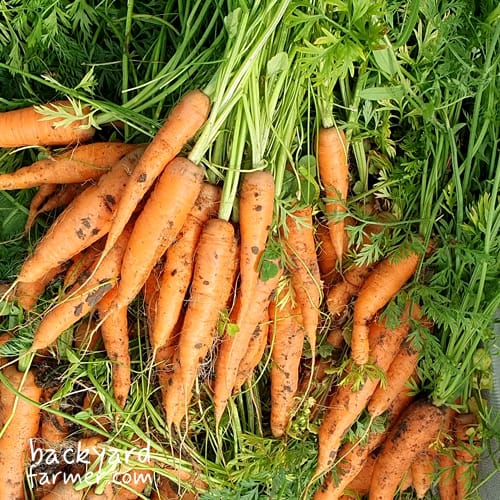
Crops such as kale, spinach, parsnips, carrots, swede, onions and winter lettuce can cope well with cooler conditions, especially when they are established before daylight levels drop too far. Some will grow slowly through winter, while others simply sit through the cold and start strongly again in spring.
The key is choosing hardy crops, understanding frost tolerance and using simple protection where needed.
Vegetables You Can Grow in Autumn and Winter (UK List)
For autumn and winter growing in the UK, focus on hardy crops that cope with cooler temperatures, shorter days and occasional frost. Leafy greens, root crops and overwintering alliums are generally the most reliable choices.
Some will grow outdoors with little help, while more tender crops benefit from fleece, cloches or undercover growing during colder spells.
Winter Greens and Salad Crops
| Crop | Best Use | Autumn/Winter Notes |
|---|---|---|
| Kale | Reliable winter green | Very hardy and usually fine outdoors through light frost. |
| Spinach | Cool-season leafy crop | Performs well in mild winters, especially with light protection. |
| Claytonia | Winter salad crop | Very hardy and useful for fresh leaves through colder months. |
| Tatsoi | Hardy Asian green | Compact, cold-tolerant and well suited to winter salads. |
| Mustard Greens | Fast autumn leaves | Quick-growing, but protect during harder frosts. |
| Rocket | Autumn salad crop | Handles cool weather but benefits from cover in prolonged frost. |
| Winter Lettuce | Protected winter salads | Best with fleece, cloches or undercover growing in colder weather. |
| Swiss Chard | Extended autumn harvest | Often continues in milder areas and may regrow in spring. |
Root Crops and Overwintering Alliums
Root crops can remain productive well into colder weather, although prolonged frozen ground can affect quality and make harvesting difficult.
| Crop | Best Use | Autumn/Winter Notes |
|---|---|---|
| Parsnips | Classic winter root crop | Very reliable, with flavour often improving after light frost. |
| Carrots | Autumn and early winter roots | Tolerate cool weather but are best lifted before prolonged freezing. |
| Turnips | Fast autumn root crop | Quick to mature and generally tolerant of cool conditions. |
| Swede | Hardy winter staple | A dependable choice for colder UK conditions. |
| Beetroot | Autumn roots and storage | Tolerates light frost but is best harvested before severe cold. |
| Radish | Quick autumn crop | Fast-growing and tolerant of cool weather while the soil remains workable. |
| Overwintering Onions | Spring/early summer crop | Sit through winter after establishing in autumn, then resume growth in spring. |
For dependable cold-season growing, hardy greens, roots and overwintering crops are the best place to start.
Next, we’ll look at when autumn and winter crops need to be established, and when it makes more sense to protect existing plants rather than keep sowing.
When to Start Autumn and Winter Crops
Most autumn and winter vegetables need to establish before temperatures and daylight fall too far. In much of the UK, this means starting hardy greens, roots and winter salads from late summer into early autumn, while the soil is still warm enough for reliable growth.
By late autumn, the focus should shift away from sowing new crops and towards maintaining established plants. Northern, inland and colder gardens may need to start a little earlier, while southern and sheltered areas often have a slightly longer growing window.
For exact month-by-month timings, see our Vegetables to Plant in Autumn UK guide, covering what to sow and plant in September, October and November.
Once crops are established, their frost tolerance becomes more important than sowing dates — which is what we’ll look at next.
Winter Hardy Vegetables That Survive Frost
Many autumn and winter vegetables can handle light frost without much trouble. The bigger risk is prolonged freezing, especially when soil freezes hard or less-hardy crops are left unprotected.
Use the table below as a quick guide to which crops can stay outside and which may need extra protection.
Frost Tolerance Comparison Table
| Vegetable | Light Frost | Hard Frost | Needs Protection? | Notes |
|---|---|---|---|---|
| Kale | Tolerates | May struggle in prolonged freezes | Rarely | Flavour often improves after frost |
| Spinach | Tolerates | Better with protection | Sometimes | Reliable in milder winters |
| Mustard Greens | Tolerates | Can be damaged | Yes in colder spells | Better as an autumn crop |
| Rocket | Light tolerance | Struggles | Yes | Best under fleece or a cloche |
| Lettuce | Very light frost | Not reliably hardy | Yes | Winter varieties cope best |
| Tatsoi | Good tolerance | Better with protection | Sometimes | Compact and cold tolerant |
| Claytonia | Very hardy | Usually copes well | Usually no | Excellent winter salad crop |
| Carrots | Tolerates | Risk if soil freezes hard | Sometimes | Lift before prolonged freezing |
| Turnips | Tolerates | Leaves may suffer | Rarely | Roots are generally more resilient |
| Parsnips | Tolerates | Risk if soil freezes hard | Rarely | Frost can improve sweetness |
| Beetroot | Light frost | Can be damaged | Yes in harsh weather | Harvest before severe freezing |
| Radish | Good tolerance | Short freezes only | Sometimes | Leaves may suffer before roots |
Light Frost vs Hard Frost
A light frost is usually brief, and many hardy crops can cope with it once they are well established.
Harder or prolonged frosts are more challenging, particularly when the soil begins to freeze. At that point, less-hardy crops may need fleece, cloches or a cold frame, while vulnerable roots may be better harvested.
For reliable winter growing:
- establish crops before regular frosts arrive
- protect less-hardy plants during colder spells
- harvest vulnerable roots before prolonged freezing
Once crops are established, hardiness and protection matter more than sowing dates, which is why choosing the right vegetables makes such a difference through winter.
Can You Grow Vegetables Without a Greenhouse in the UK?
Yes — plenty of autumn and winter vegetables can grow outdoors in the UK without a greenhouse.
A greenhouse or polytunnel extends your options, particularly for salads and less-hardy crops, but many of the hardy greens, roots and overwintering vegetables listed above can remain outside if they are established in time and protected during severe cold.
Fleece, cloches, mulch and sheltered positions can all help during colder spells. Containers also work well, although pots freeze faster than open ground, so move them against a sheltered wall or under cover during prolonged hard frost.
For most UK gardens, the key is simply to choose hardy crops and use protection only when conditions demand it.
How to Protect Vegetables from Frost
Frost protection in autumn and winter is mainly about reducing extremes rather than trying to keep crops warm. Hardy vegetables usually cope with light frost, while salads, containers and exposed root crops may need extra protection during colder spells.
Simple Frost Protection Methods
| Method | Best For | How It Helps |
|---|---|---|
| Garden fleece | Lettuce, rocket, mustard greens, young spinach | Protects leaves from frost and cold wind |
| Cloches | Small salads and individual rows | Creates a sheltered pocket around crops |
| Cold frames | Winter lettuce, spinach, claytonia, Asian greens | Protects from frost, wind and heavy rain |
| Greenhouses and polytunnels | Late sowings and tender salads | Extends the season and improves reliability |
| Mulch | Carrots, parsnips, beetroot, turnips | Helps insulate the soil around roots |
| Moving containers | Pots, grow bags and tubs | Reduces the risk of compost freezing solid |
Using Fleece and Cloches
Cover vulnerable crops before colder nights, secure fleece so it cannot blow away, and loosen or remove protection during milder spells to improve airflow.
Cloches work particularly well over small rows of winter salads and young leafy crops.
Protecting Roots and Containers
Prolonged frozen ground can damage root crops and make harvesting difficult, so mulch vulnerable crops or lift them before severe cold arrives.
Containers freeze faster than open ground. During hard frosts, move pots into a sheltered position or under cover where possible.
When to Harvest Instead
If prolonged hard frost is forecast, harvesting vulnerable crops such as carrots, beetroot and turnips can be simpler than trying to protect them.
For most winter crops, keep protection simple: grow hardy varieties, cover vulnerable leaves during cold spells and avoid leaving less-hardy roots in deeply frozen soil.
Common Winter Growing Mistakes and How to Avoid Them
Winter growing is usually straightforward if you choose hardy crops, avoid waterlogged soil and protect plants during severe cold.
| Mistake | Why It Causes Problems | How to Avoid It |
|---|---|---|
| Sowing too late | Plants may not establish before cold and low light slow growth. | Start winter crops early enough to establish before conditions deteriorate. |
| Ignoring drainage | Wet winter soil can encourage root rot and weak growth. | Improve drainage, use raised beds or grow in containers where needed. |
| Overwatering | Plants use less water in colder weather and soil stays damp longer. | Check the soil before watering and only water when needed. |
| Leaving roots in frozen soil | Prolonged freezing can reduce quality and make harvesting difficult. | Harvest vulnerable roots before hard frost or protect the soil with mulch. |
| Moving pots into warm rooms | Sudden warmth can encourage weak growth. | Use a shed, porch, cold frame or sheltered outdoor position instead. |
| Choosing tender summer crops | Tomatoes, courgettes and beans are not suited to unheated winter growing. | Focus on hardy greens, roots and overwintering crops. |
Most problems can be avoided by working with the season: establish crops early, keep drainage good and protect only when conditions require it.
Plan Your Autumn and Winter Growing
You don’t need to fill every bed for winter. Start with the crops you actually want to harvest, then work out which areas of the plot will stay productive and which can be cleared, mulched or prepared for spring.
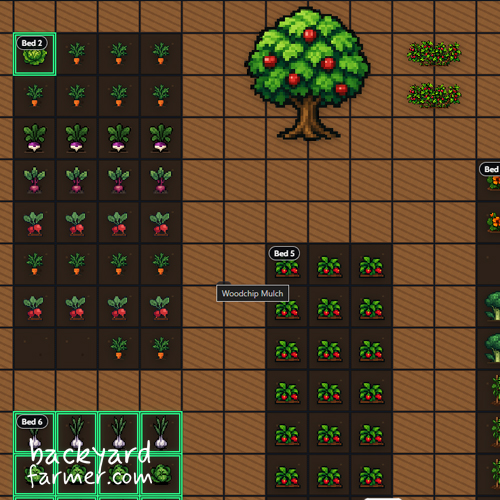
Use the free BYF Allotment Planner to lay out your autumn and winter crops before planting. You can map out beds for hardy greens, roots and overwintering crops, while leaving space for anything already growing or planned for early spring.
For the timing side, use our Free UK Vegetable Planting Calendar to check when crops can be sown, planted and harvested throughout the year.
FAQs About Autumn and Winter Growing in the UK
Hardy greens, root vegetables and overwintering crops are the most reliable choices. Kale, spinach, claytonia, parsnips, carrots, turnips, swede and overwintering onions can all cope with cooler conditions, although some crops benefit from fleece or cloches during harder frosts.
Kale, parsnips, turnips, swede and claytonia are among the more frost-tolerant choices. Spinach, tatsoi and carrots can also handle light frost, while lettuce, rocket and beetroot may need protection during colder spells. Prolonged frozen ground is generally more damaging than a brief light frost.
Yes. Many hardy crops can remain outdoors throughout winter if they are well established and suited to cold conditions. A greenhouse or polytunnel extends your options, but fleece, cloches, mulch and sheltered positions are often enough to protect outdoor crops during colder weather.
Yes, but colder temperatures, shorter days and earlier frosts mean crops generally need to be established earlier than in southern parts of the UK. Focus on particularly hardy vegetables such as kale, parsnips, swede and winter spinach, and use fleece, cloches or undercover growing where conditions are more exposed.
An unheated polytunnel is particularly useful for winter salads and leafy crops such as spinach, winter lettuce, claytonia, tatsoi and rocket. It protects plants from wind, heavy rain and frost, although growth will still slow considerably during the darkest and coldest part of winter.
Final Takeaway
Growing vegetables through autumn and winter in the UK is mainly about choosing crops that suit colder conditions and getting them established before growth slows.
Hardy greens, roots and overwintering crops can keep a garden productive well beyond summer, while simple protection such as fleece, cloches and mulch can help less-hardy plants through colder spells.
You do not need to force growth through winter. Work with the season, protect crops when needed, and focus on varieties that are naturally suited to low temperatures.
For exact autumn sowing and planting timings, use our Vegetables to Plant in Autumn UK guide or the Free UK Vegetable Planting Calendar.