
Introduction
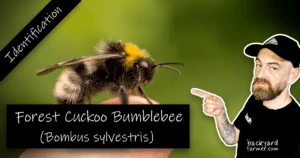
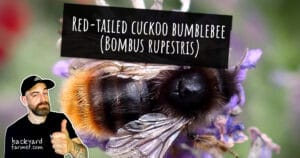
The Field Cuckoo Bumblebee (Bombus campestris) is a parasitic bumblebee commonly found across the UK. Unlike typical bumblebees, it does not build its own nest or raise workers. Instead, it invades the nests of host species such as the Common Carder Bee (Bombus pascuorum) and relies on them to raise its young.
Although it behaves very differently from most bees, it still plays a role in the ecosystem and is a fascinating species to observe. Spotting one in your garden or local meadow is often a sign of a healthy, established bee population.
Field Cuckoo Bumblebee Identification: How to Recognise Bombus campestris
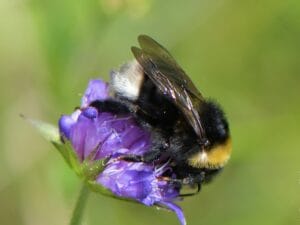
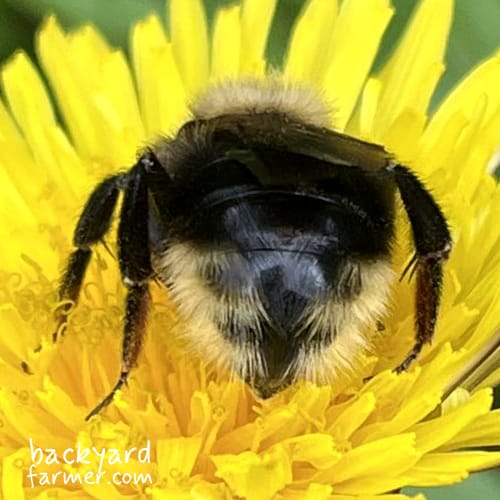
The Field Cuckoo Bumblebee is slightly larger and bulkier than many other bees, with a distinctive mix of black, yellow, and often reddish hairs. It can be mistaken for other bumblebees at a glance, but there are a few key traits that help separate it.
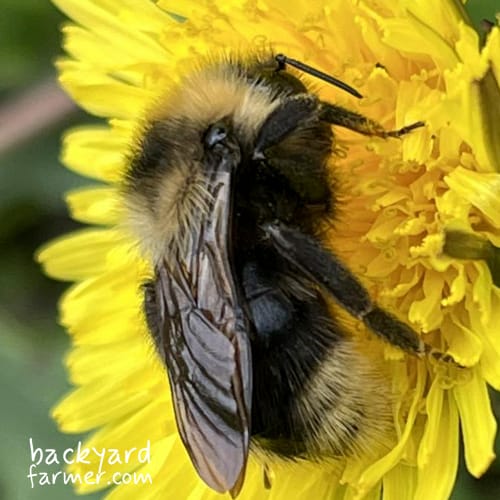
Female Field Cuckoo Bumblebee
- Size: 15–18 mm, robust and stocky
- Appearance: Black and yellow with a slightly scruffy, uneven coat
- Key feature: Lacks pollen baskets on the hind legs
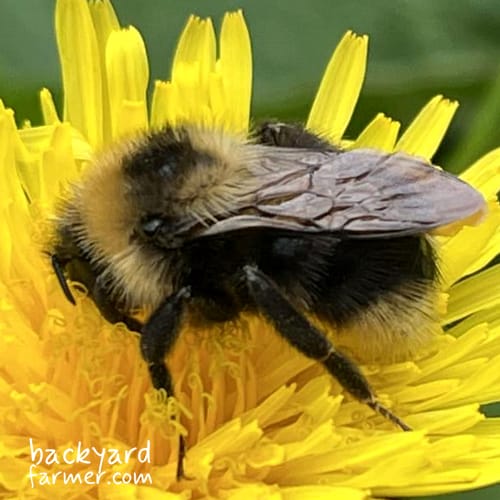
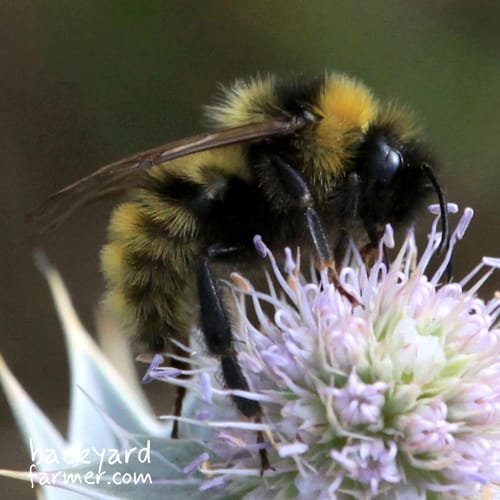
Male Field Cuckoo Bumblebee
- Size: Similar to female, sometimes slightly slimmer
- Appearance: Often shows more variation in colour, sometimes with paler or more faded markings
- Key feature: Like the female, it lacks pollen baskets
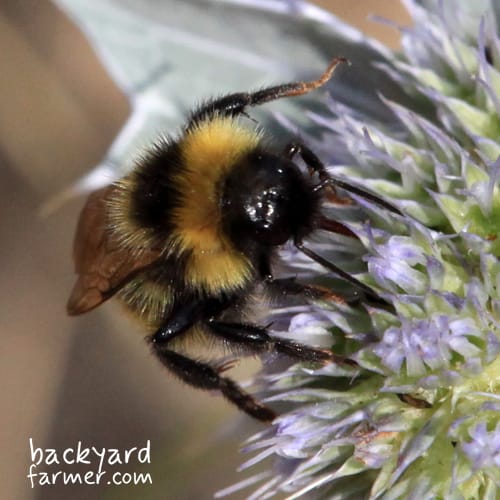
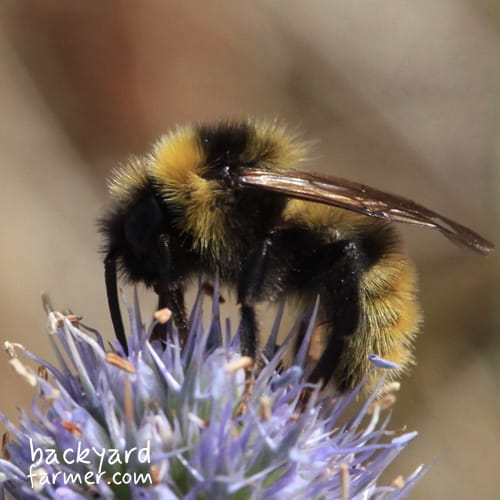
Lack of Pollen Baskets (Key ID Feature)
One of the most reliable ways to identify a cuckoo bumblebee is by looking at the hind legs.
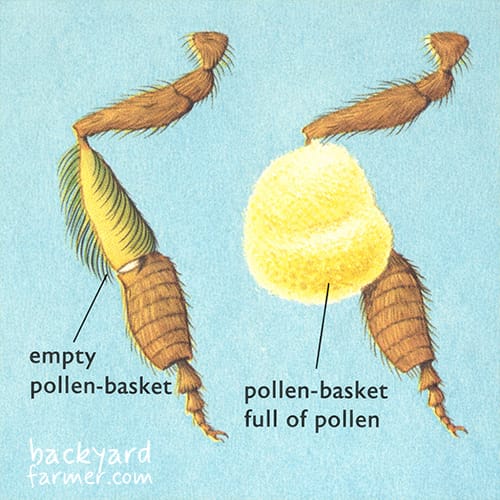
Unlike worker bumblebees, Field Cuckoo Bumblebees do not collect pollen, so they lack the flattened pollen baskets (corbicula) normally seen on the back legs of species like Bombus pascuorum.
Instead, the hind legs appear more rounded and hairy, without the smooth, shiny surface used for carrying pollen.
In good light or close-up photos, this difference is often very clear and can quickly confirm that you’re looking at a parasitic species rather than a typical foraging bumblebee.
Flight Behaviour (Male vs Female Clue)
Another useful way to distinguish individuals is by watching how they behave in flight.
Males often patrol and hover over areas where host bees are active, moving in short loops or holding position mid-air while searching for females.
Females tend to be more direct and purposeful, flying low and investigating potential nest sites. You may see them dropping down to ground level or disappearing briefly as they inspect host nests.
In practice:
- A bee hovering repeatedly in one area is more likely a male
- A bee actively searching the ground or entering nests is more likely a female
Identification & Key Facts
| Attribute | Details |
|---|---|
| Common Name | Field Cuckoo Bumblebee |
| Latin Name | Bombus campestris |
| Size | 15–18 mm |
| Location | Found across the UK and Europe, especially in meadows, gardens, and grasslands |
| Active Months | March – September |
| Habitat | Grasslands, meadows, hedgerows, and gardens |
| Nesting Behaviour | Cleptoparasitic – lays eggs in the nests of other bumblebees (e.g. Bombus pascuorum) |
| Social Behaviour | Parasitic and solitary in structure, with no worker caste |
| Flora & Fauna | Often seen visiting wildflowers such as clover, vetch, and thistles |
| UK Status | Common and widespread |
Bees That Look Like the Field Cuckoo Bumblebee
Because of its colouring and size, the Field Cuckoo Bumblebee is often confused with other bumblebee species.
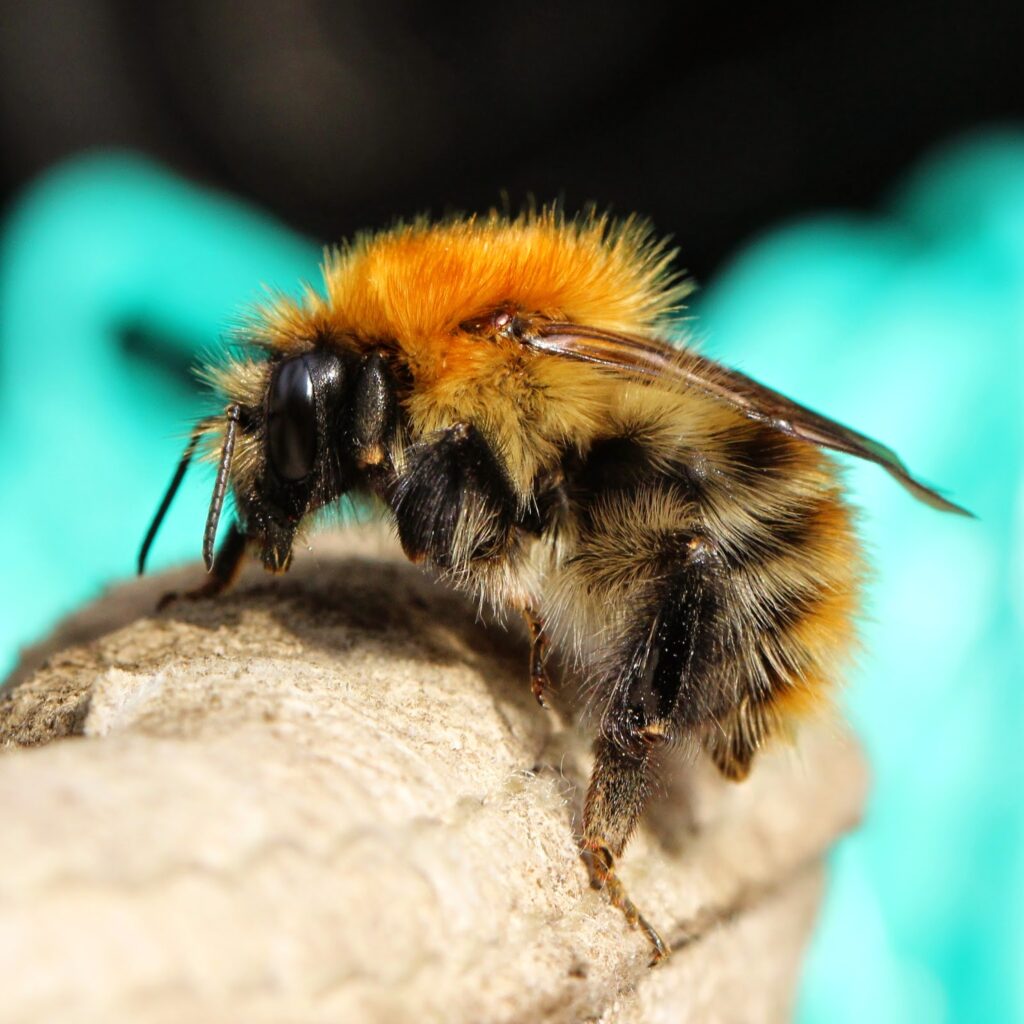
Common Carder Bee (Bombus pascuorum): Has a more uniform ginger-brown appearance and visible pollen baskets on the hind legs.
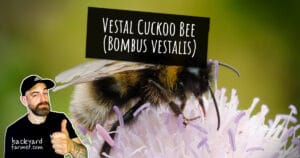
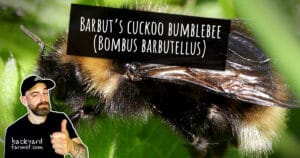
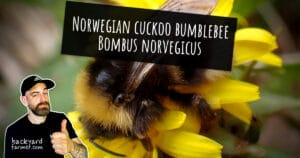
Other cuckoo bumblebees: May look similar but often differ in colour pattern and host preference
The Ecological Role of the Field Cuckoo Bumblebee
Although it does not produce its own workers, the Field Cuckoo Bumblebee still contributes to pollination while feeding on nectar. More importantly, its presence indicates a strong population of host species.
This makes it a useful indicator of ecosystem health. Where cuckoo bumblebees are found, there are usually thriving communities of other bees supporting them.
How You Can Support Field Cuckoo Bumblebees and Their Hosts
Plant nectar-rich flowers
Clover, vetch, and wildflowers support both cuckoo bees and their hosts.
Avoid pesticides
Reduces harm to all bee species and maintains ecosystem balance.
Leave natural areas
Undisturbed grass and soil allow host species to nest successfully.
Frequently Asked Questions (FAQ)
It is a medium-sized bumblebee with black and yellow markings, often slightly scruffy in appearance and lacking pollen baskets.
No, it is generally non-aggressive and unlikely to sting unless handled.
It does not collect pollen like other bees, but it still contributes to pollination while feeding on nectar.
Commonly seen in gardens, meadows, and grasslands, especially where host bumblebees are present.
The name comes from its behaviour of laying eggs in the nests of other bee species, similar to cuckoo birds.
By making your garden pollinator-friendly, you’ll help the Early Bumblebee and other essential species thrive. Check out these WWF bee-friendly gardening tips to start making a difference today!