Small Spaces, Flats & Low‑Energy Indoor Growing (UK)
Growing food indoors in the UK doesn’t have to mean grow tents, loud fans, or eye‑watering electricity bills.
In reality, for many people living in flats, rented homes, or shared spaces, indoor growing only works when it’s small, quiet, low‑energy, and easy to live with. That’s exactly what this hub focuses on: low‑energy indoor growing in small UK homes.
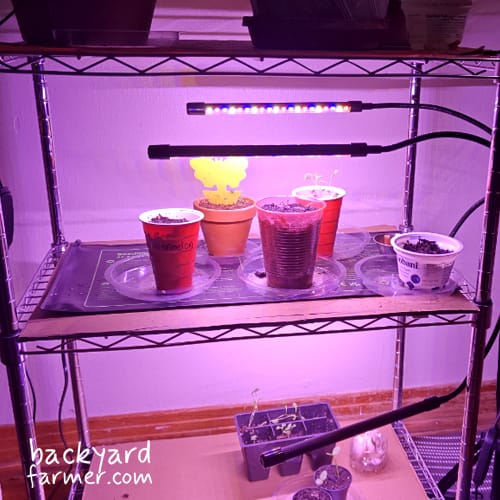
Rather than chasing high‑powered setups designed for sheds or garages, this page centres on realistic indoor gardening for small spaces — the kind that fits onto shelves, windowsills, spare corners, and everyday rooms. In other words, it’s about making indoor growing work alongside normal life, not taking it over.
Ultimately, this is indoor growing for small UK homes, not specialist or commercial setups.
Start here: realistic indoor growing in small spaces
One of the biggest myths around indoor growing is that you need a dedicated room or expensive kit to get started.
In practice, most successful small‑space indoor growers begin by working with what they already have. Then, they add only what’s genuinely needed. As a result, indoor growing stays manageable, affordable, and far easier to live with.
That usually means:
So, if you’re just getting started — or you’ve tried indoor growing before and struggled — these guides help reset expectations and avoid the most common early mistakes.
What “low‑energy” indoor growing actually means
Low‑energy indoor growing isn’t about cutting corners. Instead, it’s about matching light, space, and electricity use to reality.
In small UK homes, that usually means:
For herbs, salads, and leafy crops, modest lighting used well often outperforms oversized systems used badly. As a result, plants stay healthier, rooms stay comfortable, and indoor growing electricity costs remain predictable.
Space‑first thinking: grow where life already happens
Instead of designing an indoor grow setup and then trying to force it into your home, it’s far easier to start with the space itself.
When plants live where you already spend time, they’re easier to water, easier to monitor, and far less likely to be forgotten.
Avoiding the most common small‑space mistakes
Many indoor growing setups fail not because of bad equipment, but because of too much enthusiasm too quickly.
Common problems in flats and small homes include:
By keeping things deliberately simple at the start, most indoor growers see better results over the long term.
How this hub fits into the wider indoor growing guides
This page sits between two other parts of the site:
Think of this hub as the bridge between theory and real‑world homes. It helps you adapt indoor growing principles to the constraints of UK flats, rentals, and shared spaces before spending money.
Where to go next
If you’re still exploring whether indoor growing is right for you, it’s best to spend time with the beginner and problem‑solving guides first.
However, if you’re confident you want to grow food indoors and need to choose lighting that suits a small, low‑energy indoor setup, the LED grow light reviews hub is the natural next step.