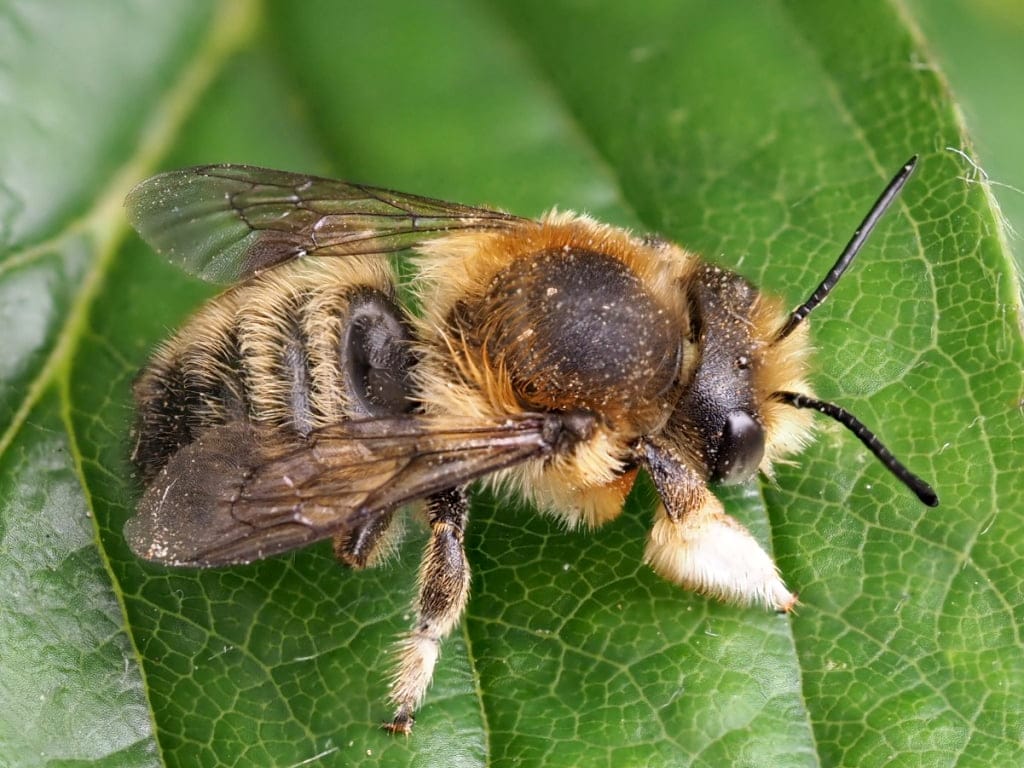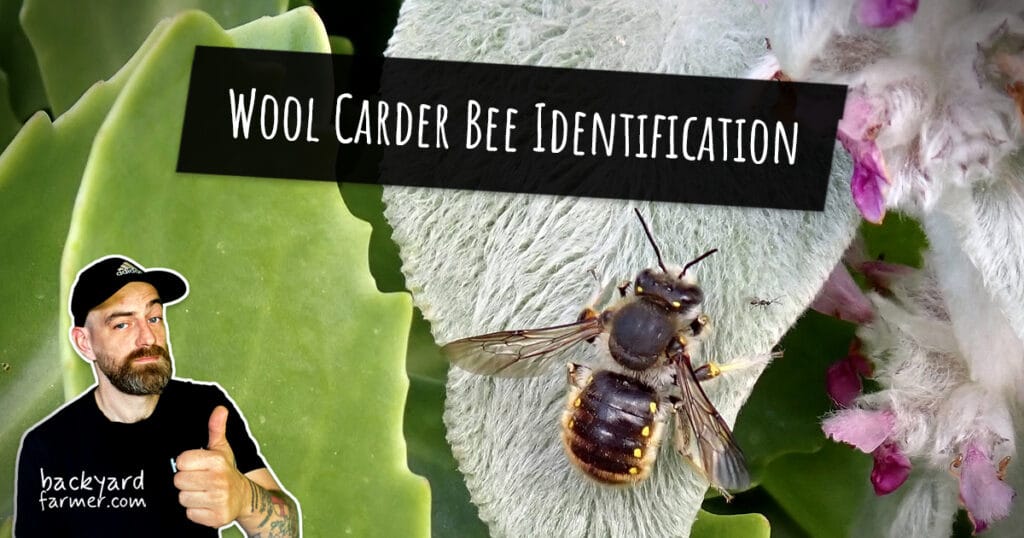

Not sure what kind of bee you’ve spotted? If you’re trying to improve your bee identification in the UK, it helps to know two British bee facts: first, the UK has 250+ bee species, and second, many of the most common ones look similar at a glance. However, with a few simple visual checks — like tail colour, band pattern, size, season and behaviour — you can usually narrow it down quickly.
This guide is designed as a practical starting point. It explains the main types of bees you’ll spot in gardens and allotments, then links you to individual UK bee species profiles for deeper confirmation.
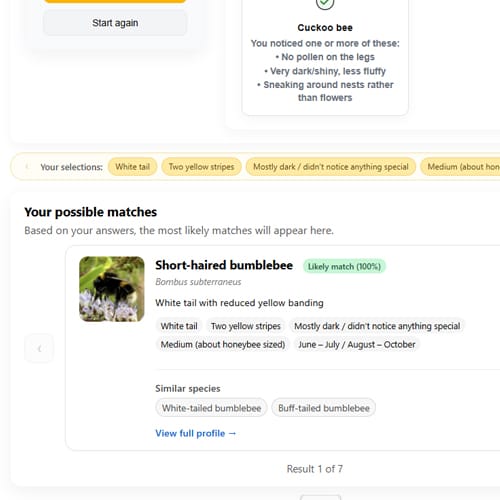
Use the Free UK Bee Identification App
Bees are quick and don’t often hang around long enough for a clear photo. If you know what you saw and want to refine results quickly, use our Bee ID app. It’s free to use and can help you narrow the search in a few simple steps.
The Main Bee Groups Found in Britain
Most bees you’ll see in the UK fall into four broad groups. Once you know which group you’re looking at, identifying the exact species becomes much easier.
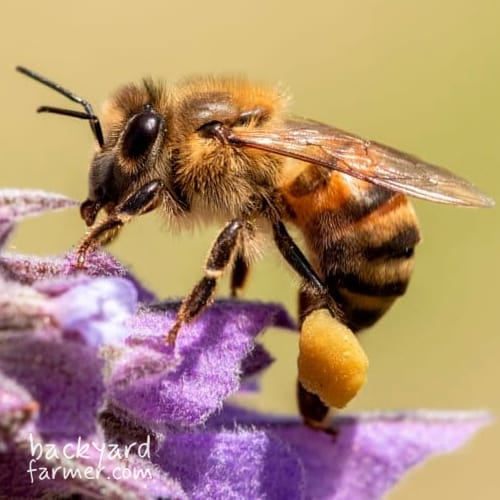
Medium-sized, hive-living bees which are commonly found in gardens and on farmland.
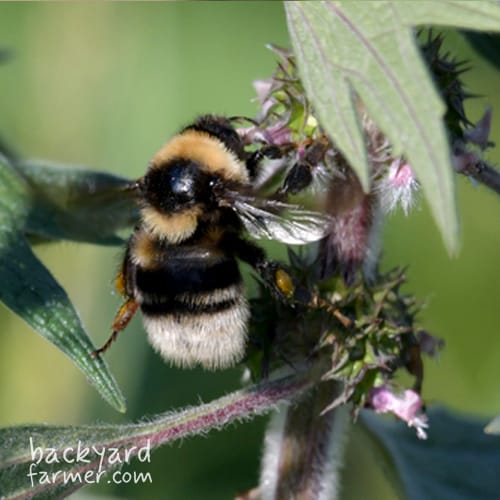
Large, fuzzy bees with distinctive stripes and tail colours. Excellent pollinators.
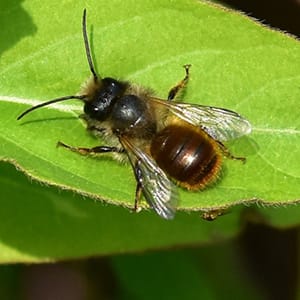
Smaller, diverse bees nest alone in soil, stems, or wood. Highly efficient pollinators.
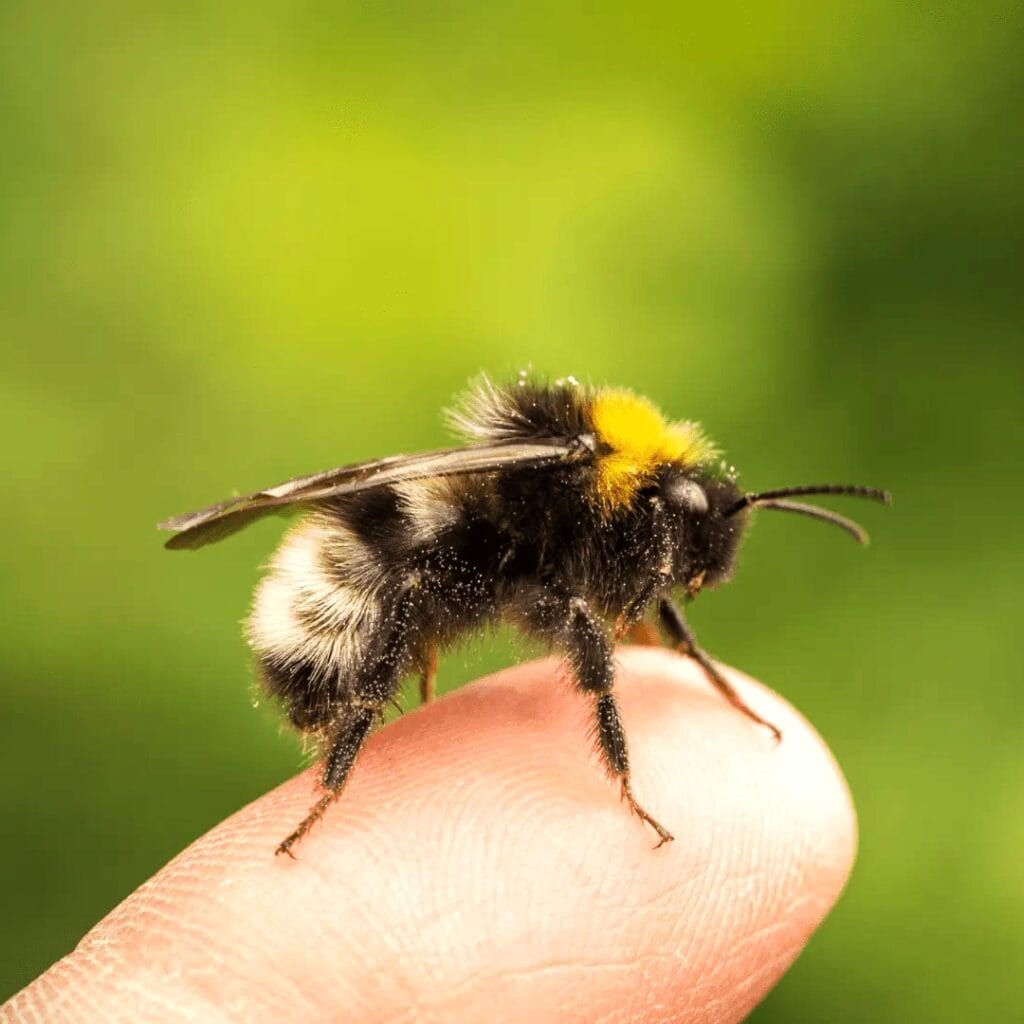
Parasitic bees that lay eggs in other bees’ nests and collect no pollen themselves.
Bumblebees Found in Britain
Bumblebees are the easiest group to recognise, but some species are deceptively similar. Use tail colour and band placement first, then confirm by size, season and behaviour.
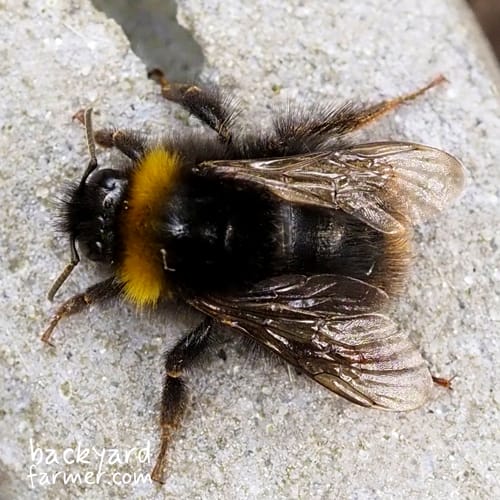
Early Bumblebee (Bombus pratorum)
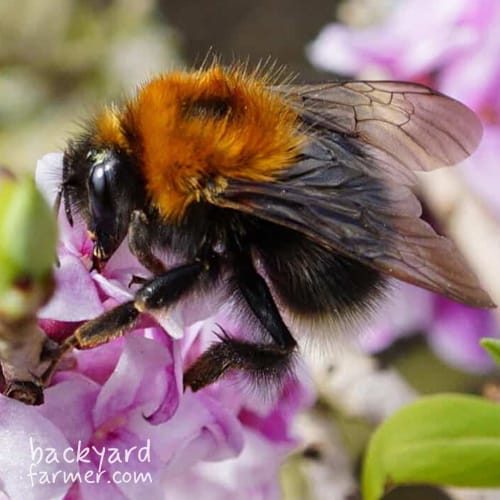
Tree Bumblebee (Bombus hypnorum)
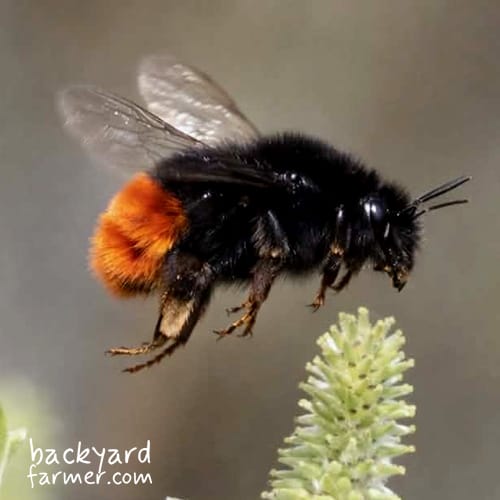
Red Tailed Bumblebee (Bombus lapidarius)
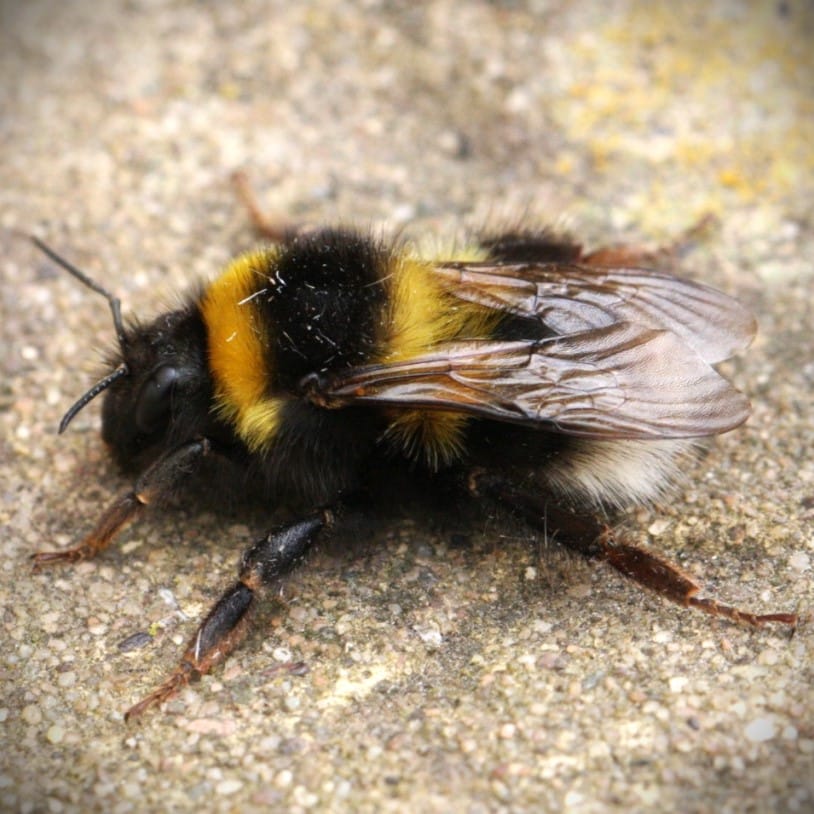
White Tailed Bumblebee (Bombus lucorum)
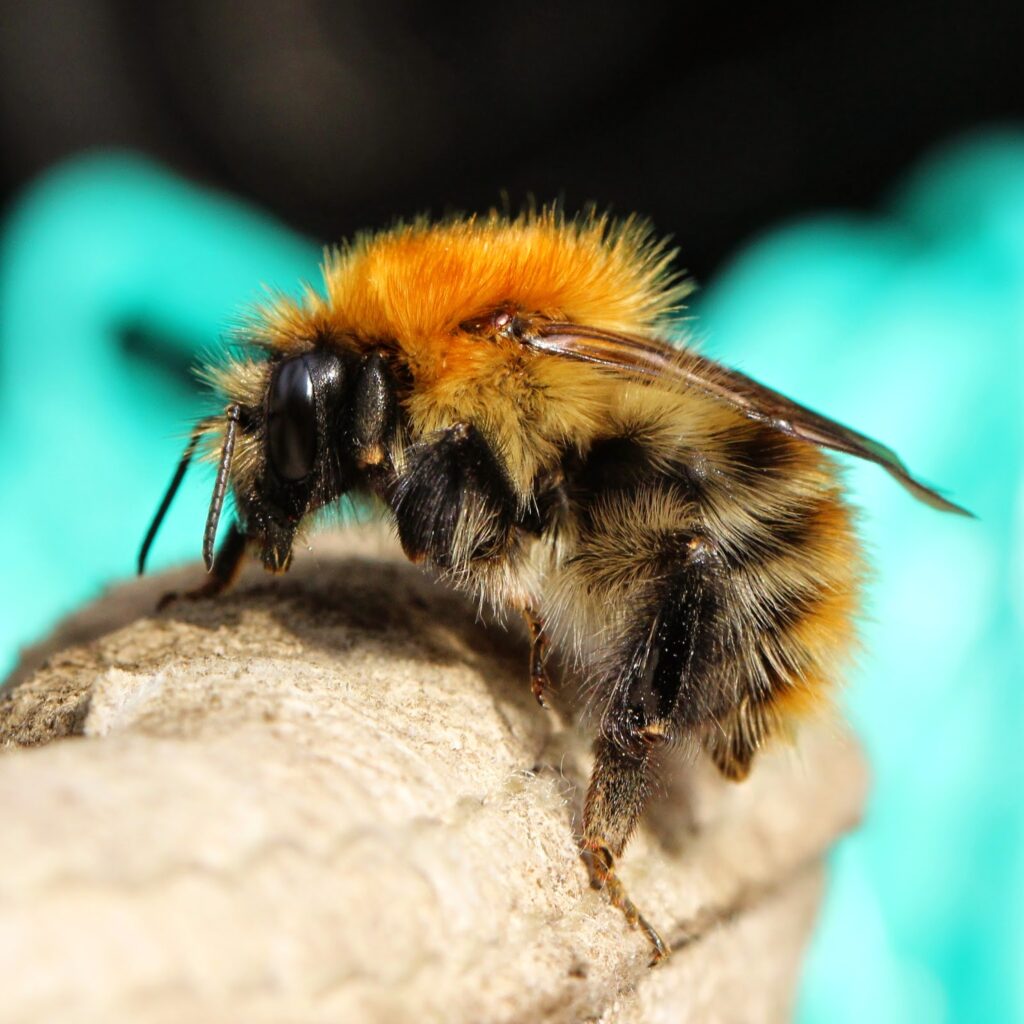
Common Carder bee (Bombus pascuorum)
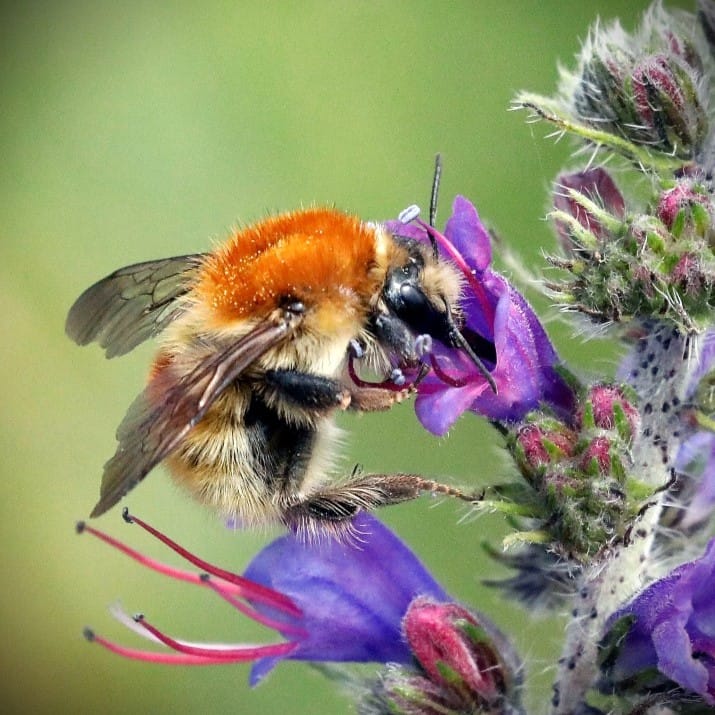
Brown Banded Carder (Bombus humilis)
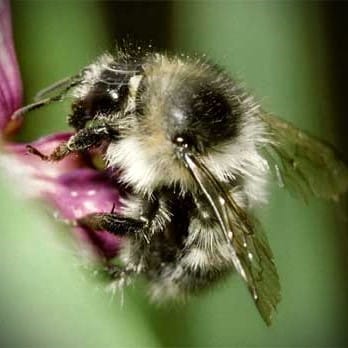
Shrill Carder Bee (Bombus sylvarum)
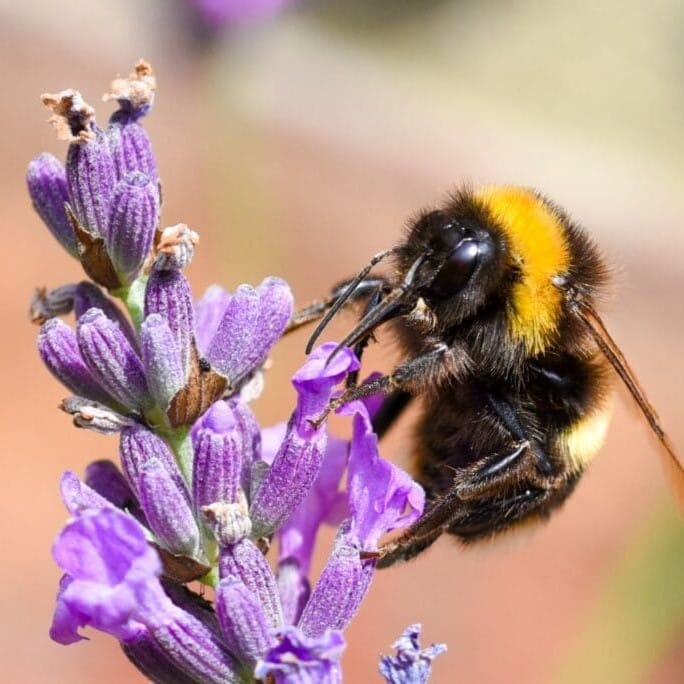
Buff-tailed Bumblebee (Bombus terrestris)
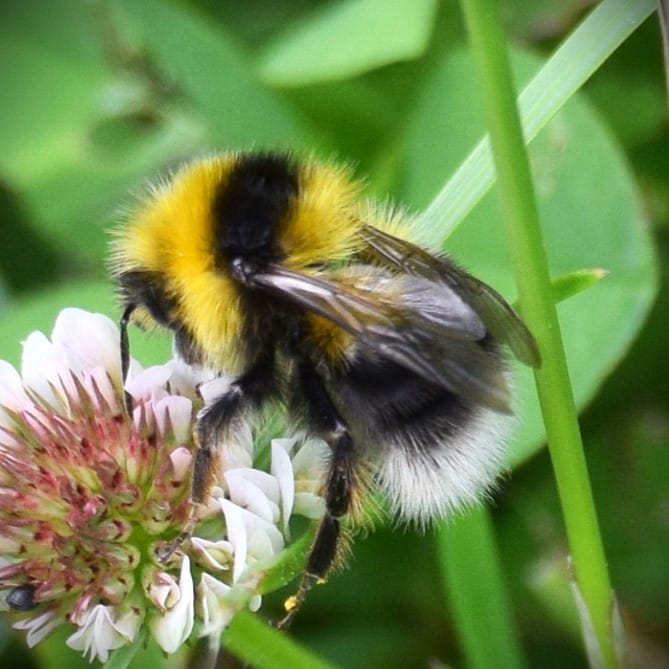
Garden Bumblebee (Bombus hortorum)
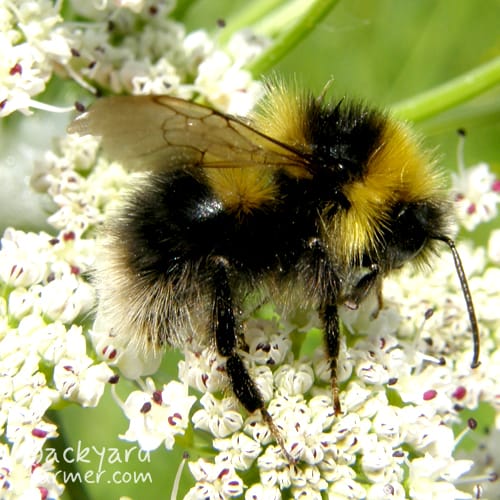
Heath Bumblebee (Bombus jonellus)
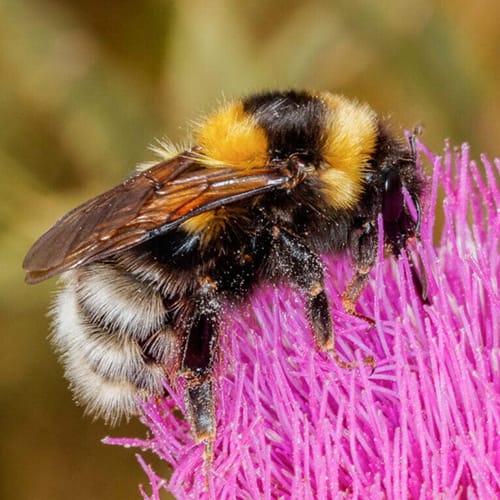
Large Garden Bumblebee (Bombus ruderatus)
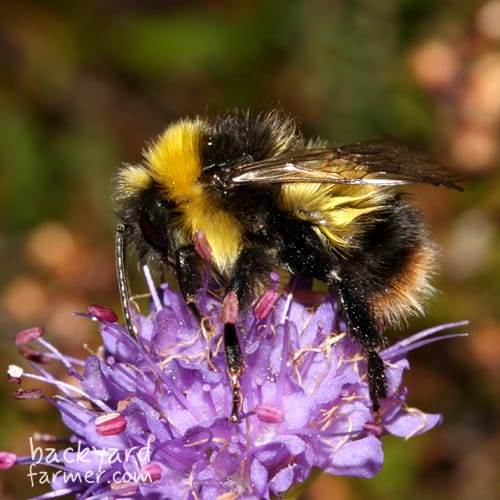
Broken-belted Bumblebee (Bombus soroeensis)
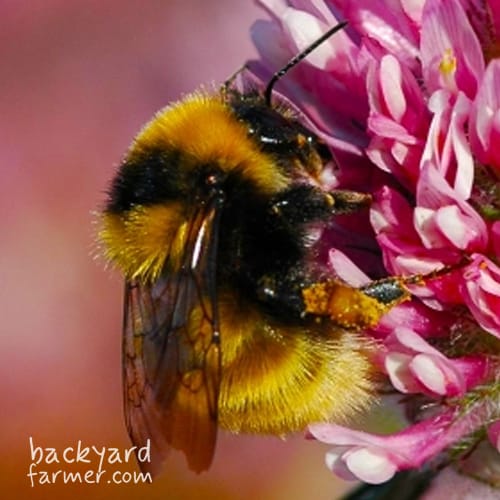
Great Yellow Bumblebee (Bombus distinguendus)
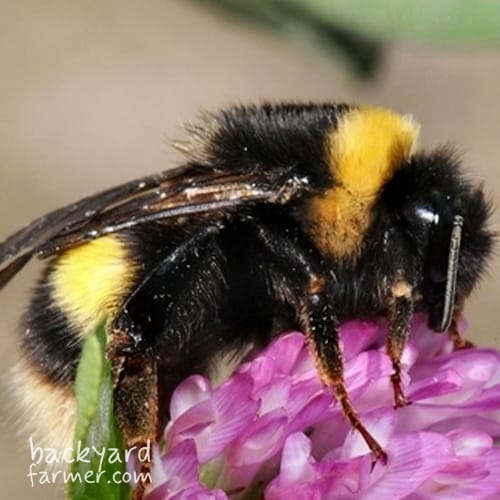
Northern White-tailed Bumblebee (Bombus magnus)
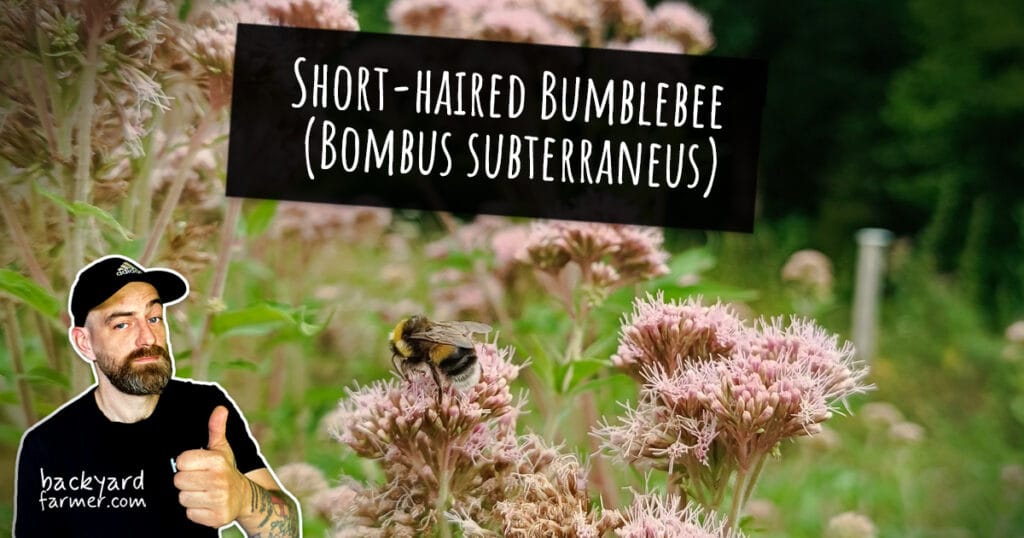
Short-haired Bumblebee (Bombus subterraneus)
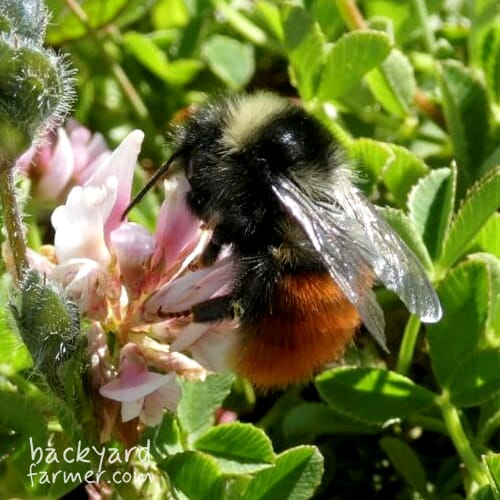
Bilberry Bumblebee (Bombus monticola)
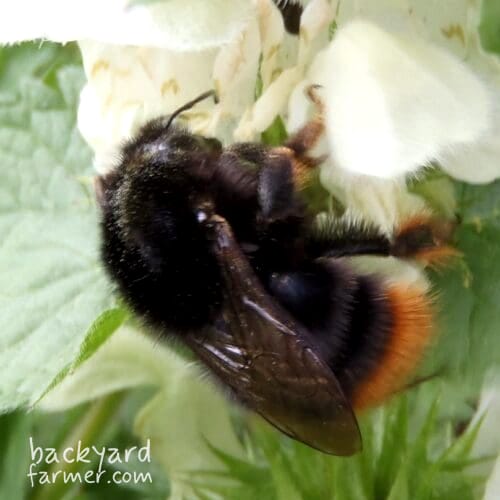
Red-shanked Carder Bee
(Bombus ruderarius)
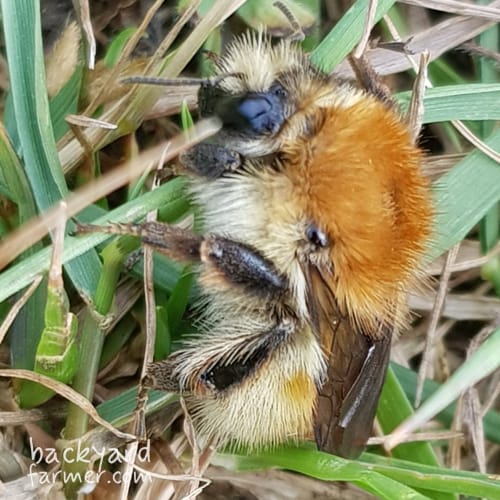
Moss carder bee
(Bombus muscorum)
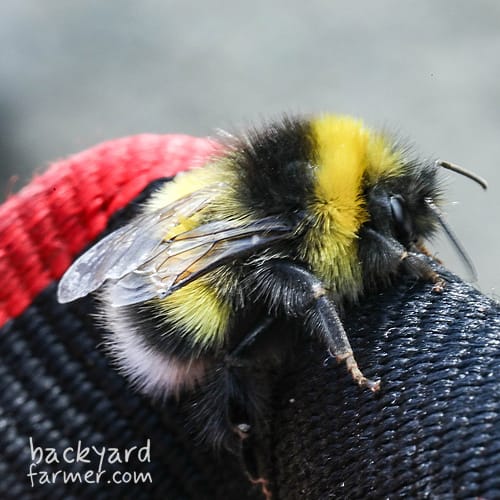
Cryptic bumblebee (Bombus cryptarum)
Solitary Bees of The British Isles
Solitary bees don’t live in colonies, and many are smaller than bumblebees. However, they’re often easier to identify once you know their nesting habits.
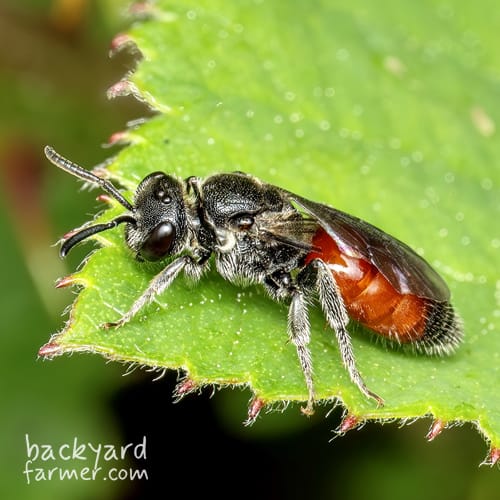
Red-girdled Mining Bee
(Andrena labiata)
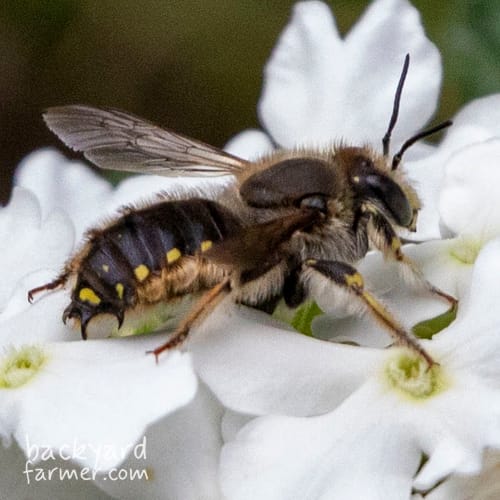
Wool Carder Bee
(Anthidium manicatum)

Willoughby’s Leaf Cutter Bee
(Megachile willughbiella)
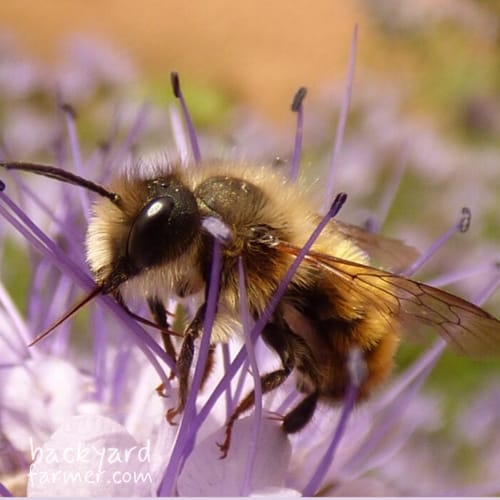
Red Mason Bee
(Osmia bicornis)
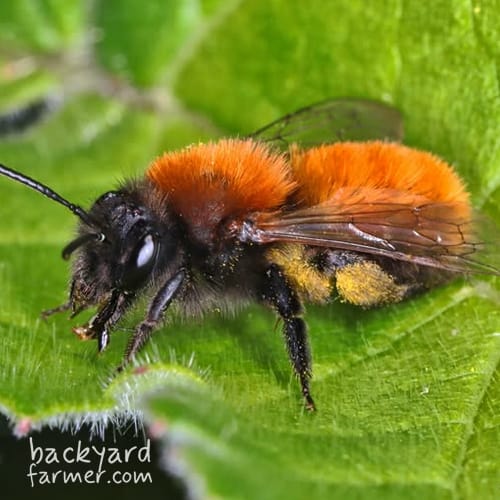
Tawny Mining Bee
(Andrena fulva)
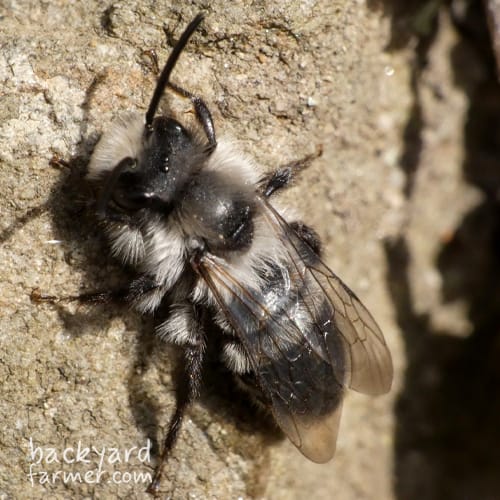
Ashy Mining Bee
(Andrena cineraria)
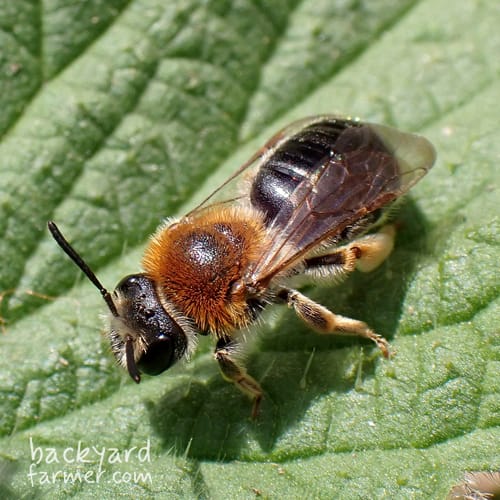
Early Mining Bee
(Andrena haemorrhoa)
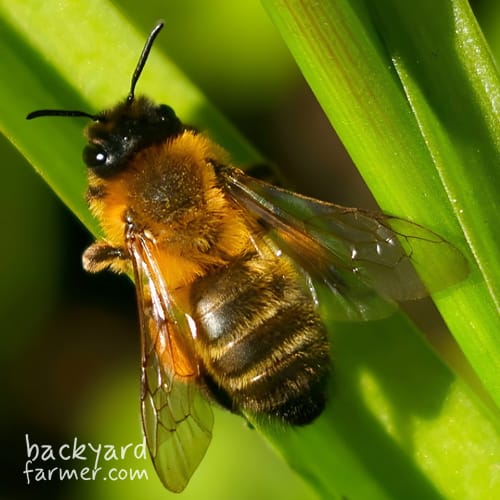
Buffish Mining Bee
(Andrena nigroaenea)
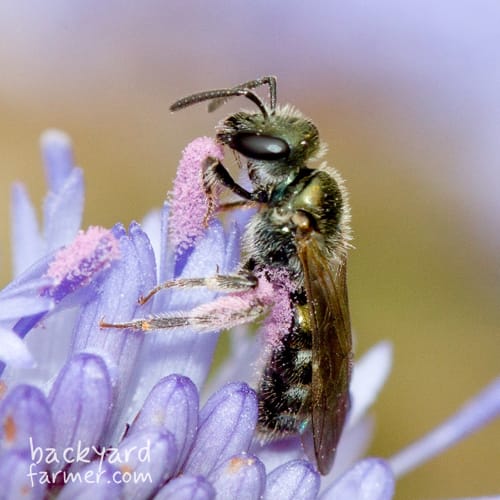
Smeathman’s Furrow Bee
(L. smeathmanellum)
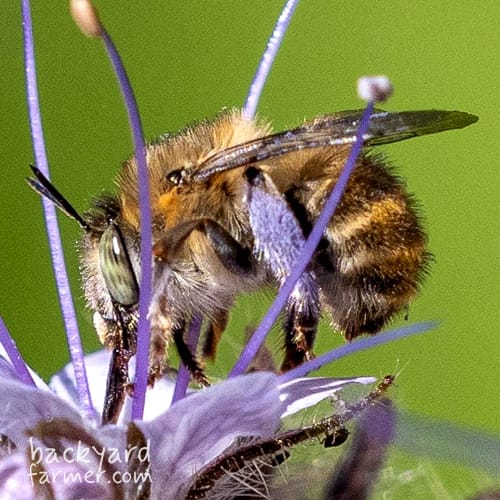
Green Eyed Flower Bee
(Anthophora bimaculata)
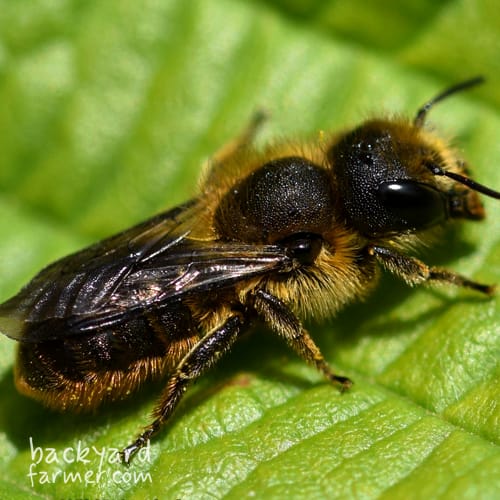
Orange-vented mason bee
(Osmia leaiana)
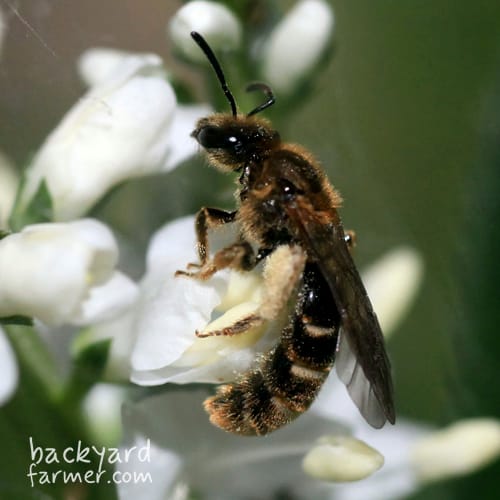
Common Furrow Bee
(Lasioglossum calceatum)
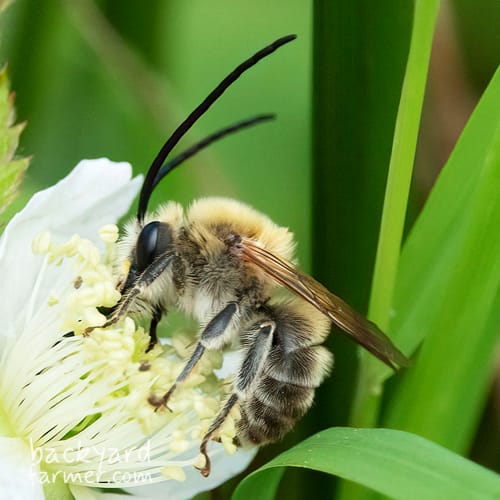
Long-Horned Bee
(Eucera longicornis)
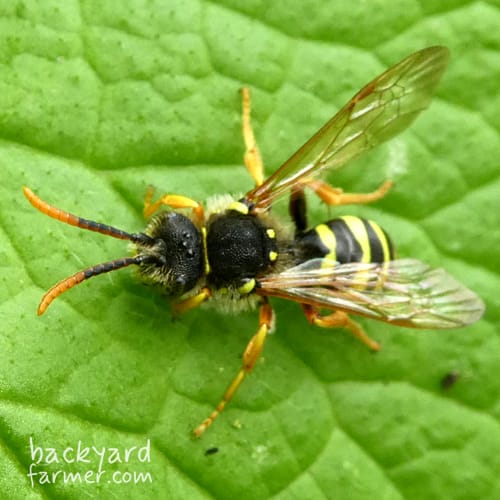
Goodens Nomad Bee
(Nomada goodeniana)
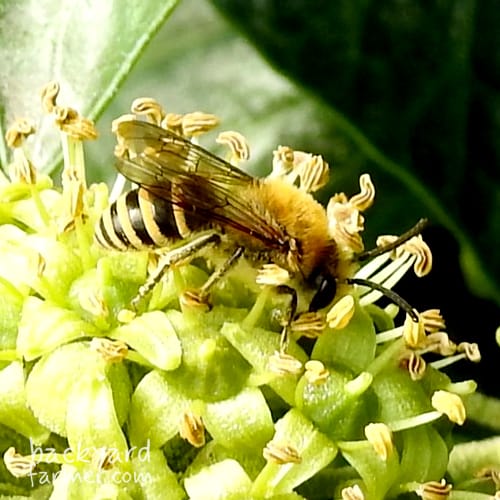
Ivy Mining Bee
(Colletes hederae)
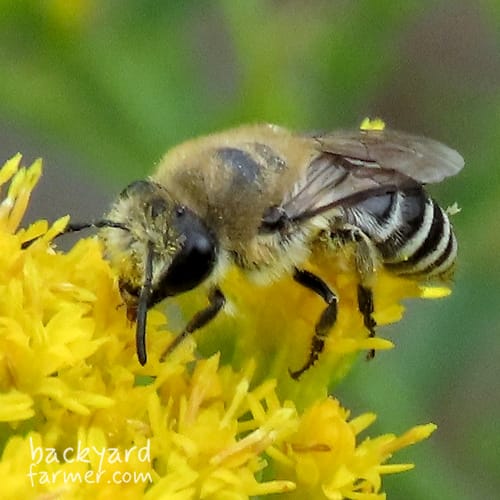
Davies’ Colletes Bee
(Colletes daviesanus)
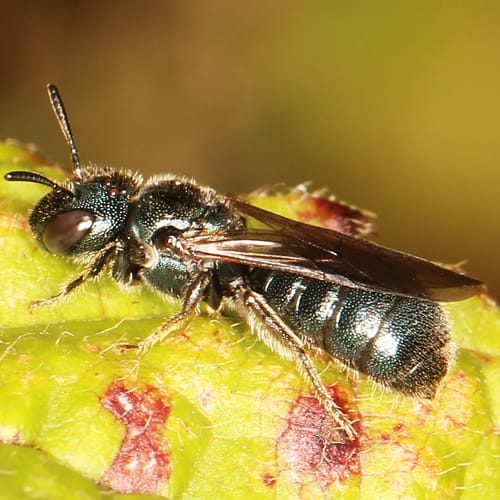
Small Carpenter Bee
(Ceratina cyanea)
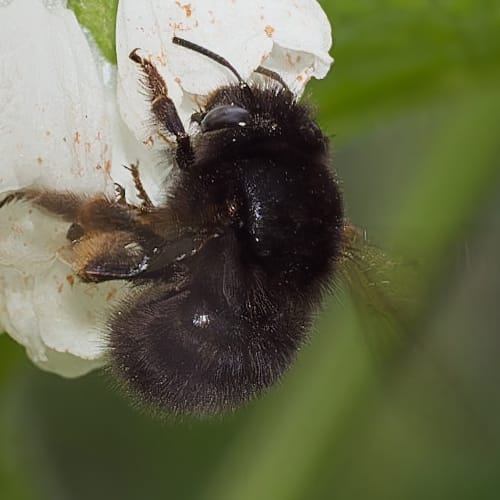
Hairy-footed Flower Bee
(Anthophora plumipes)
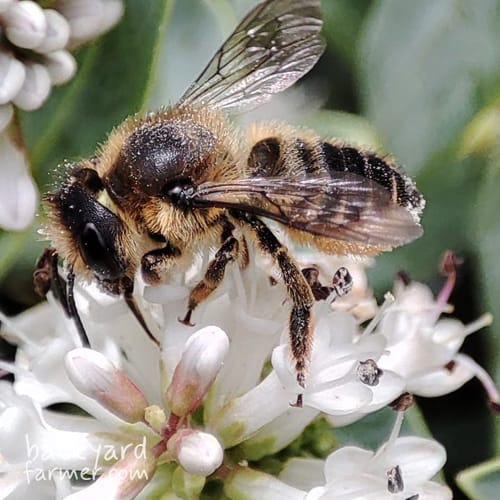
Patchwork Leafcutter Bee
(Megachile centuncularis)
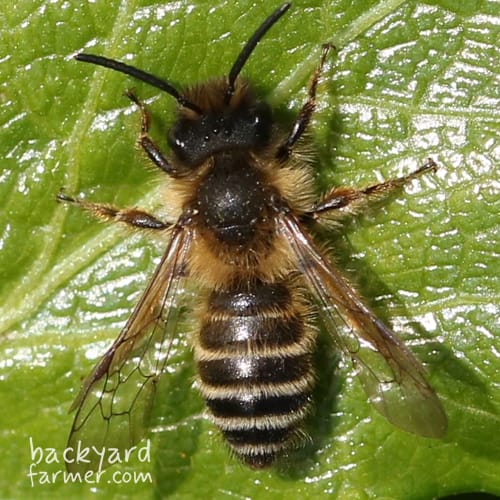
Yellow-legged Mining Bee
(Andrena flavipes)
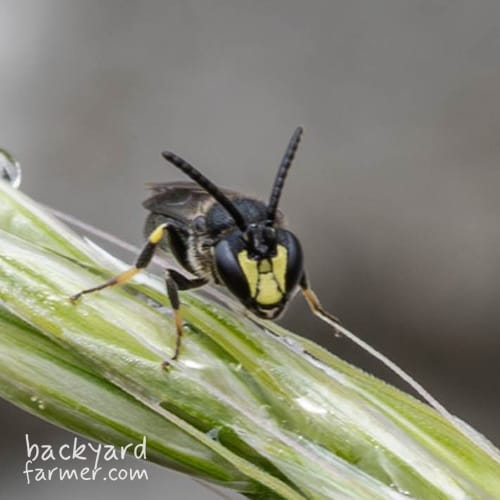
Yellow-faced Bee
(Hylaeus spp.)
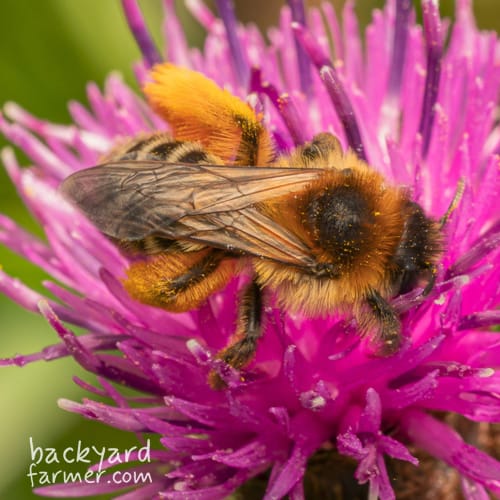
Pantaloon Bee
(Dasypoda hirtipes)
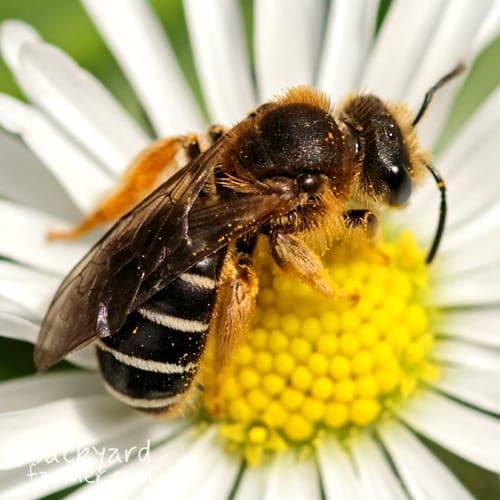
Orange-legged Furrow Bee
(Halictus rubicundus)

Silvery Leafcutter Bee
(Megachile leachella)
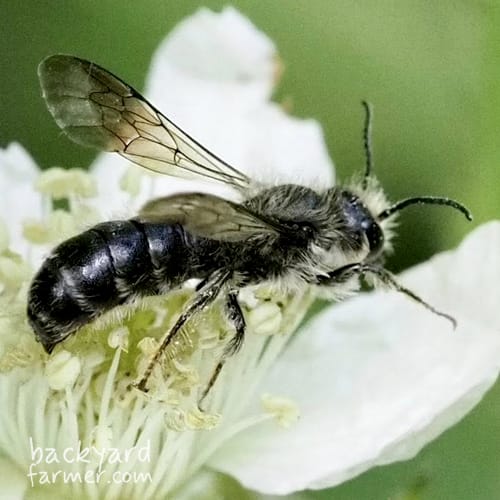
Small Scissor Bee
(Chelostoma florisomne)
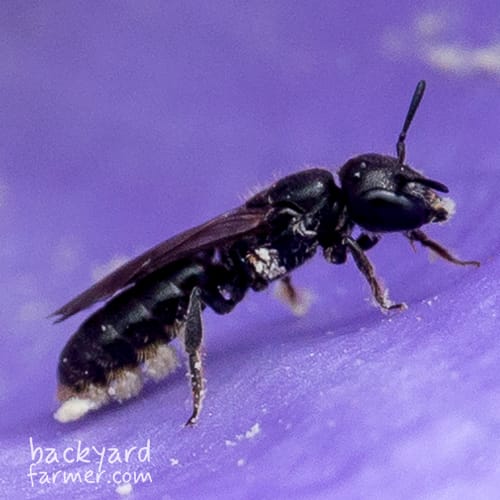
Harebell Carpenter Bee
(Chelostoma campanularum)
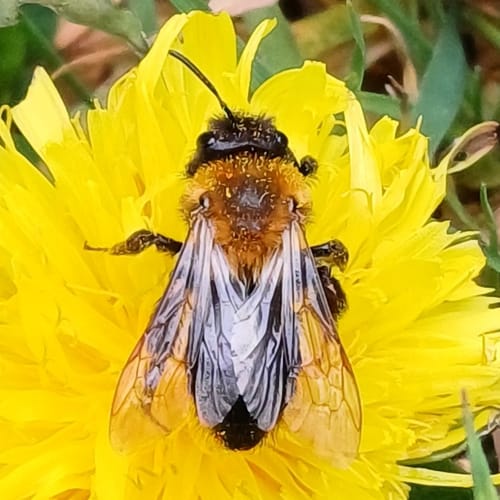
Cliff Mining Bee
(Andrena thoracica)
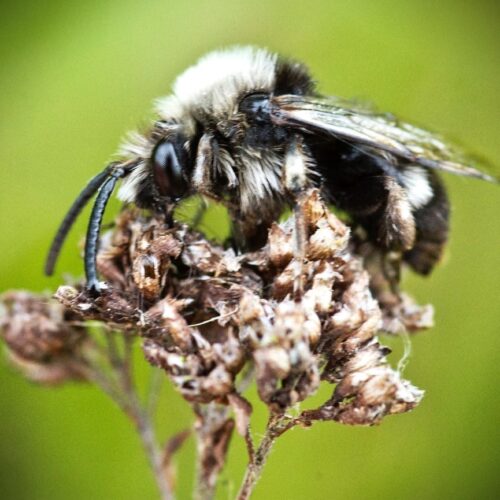
Common Mourning Bee
(Lasioglossum calceatum)
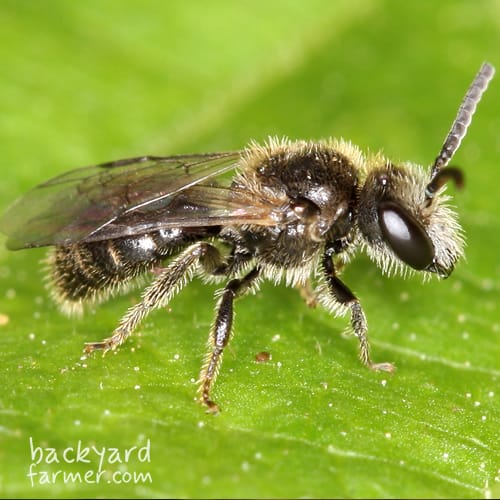
Shaggy Furrow Bee
(Lasioglossum villosulum)
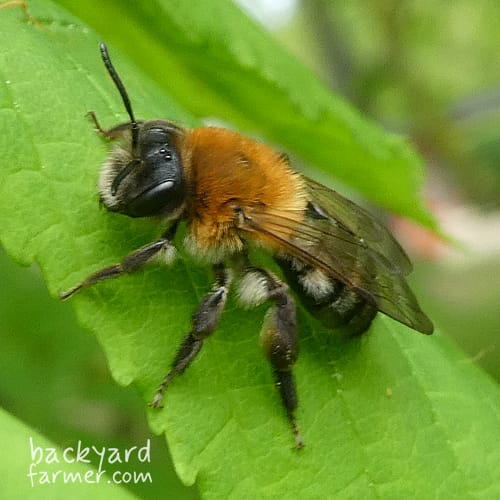
Grey-patched Mining Bee
(Andrena nitida)

Orange-tip Mining Bee
(Andrena fulvago)
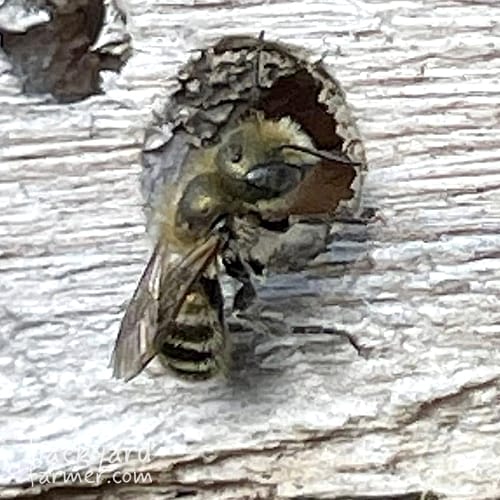
Giant willow flower bee
(Anthophora furcata)
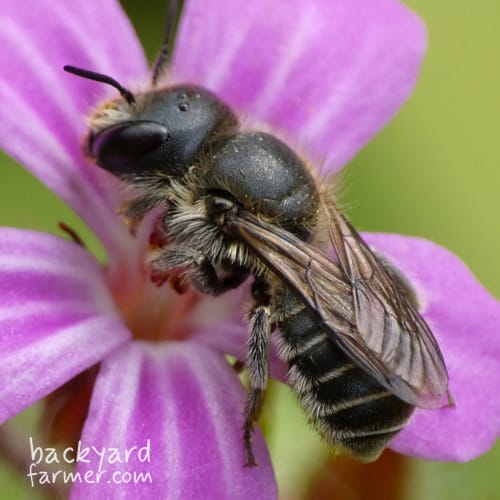
Blue mason bee
(Osmia caerulescens)
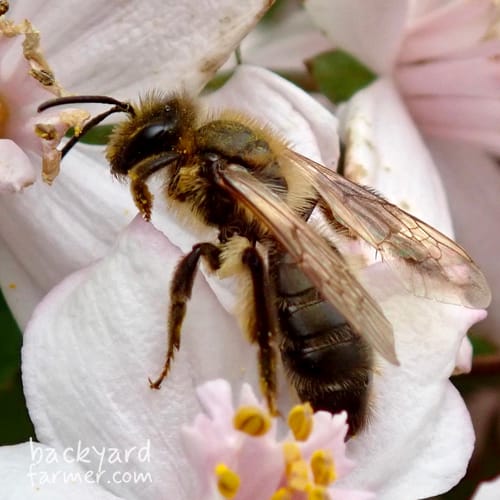
Chocolate Mining Bee (Andrena scotica)
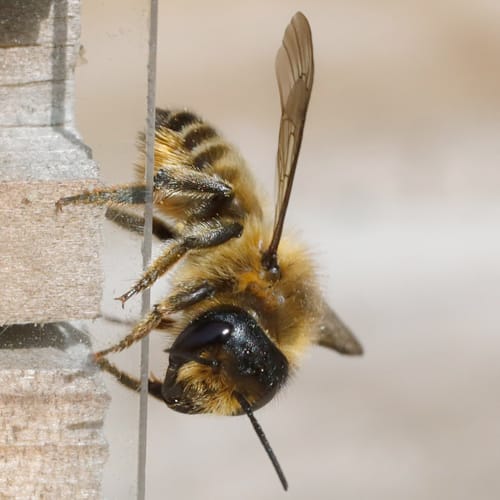
Silky Leafcutter Bee (Megachile versicolor)
Honey Bees
Honey bees are slimmer and more uniform in colour than bumblebees. This section helps you separate honey bees from similar-sized solitary bees.
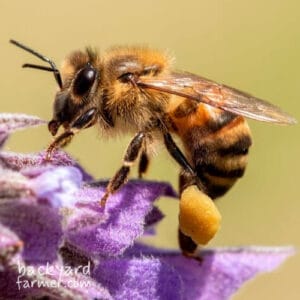
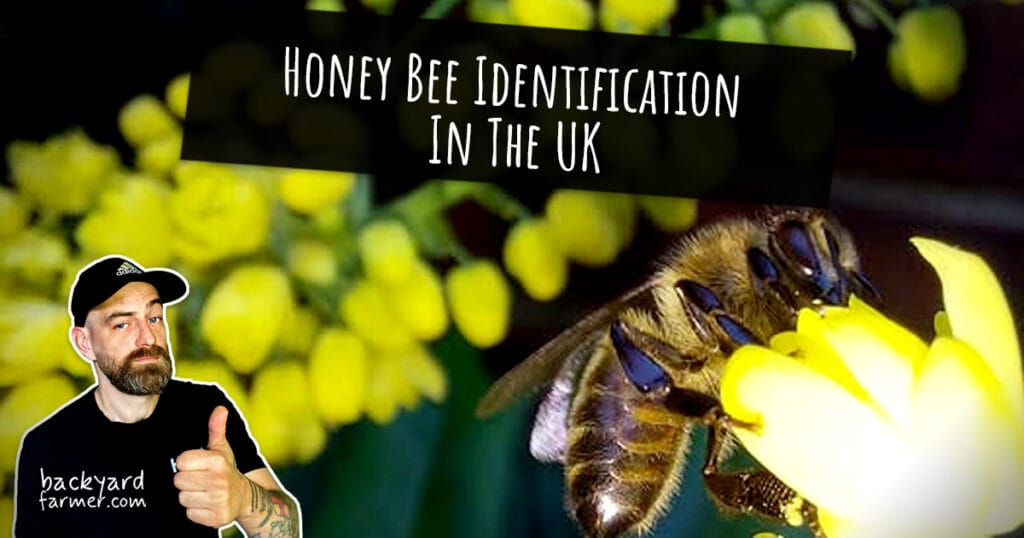
Western Honey Bee (Apis Mellifera)
Cuckoo Bees (Parasitic Bees)
Cuckoo bees don’t collect pollen or build their own nests. Instead, they lay their eggs in the nests of other bee species. Many look similar to wasps or appear less hairy than typical bees.
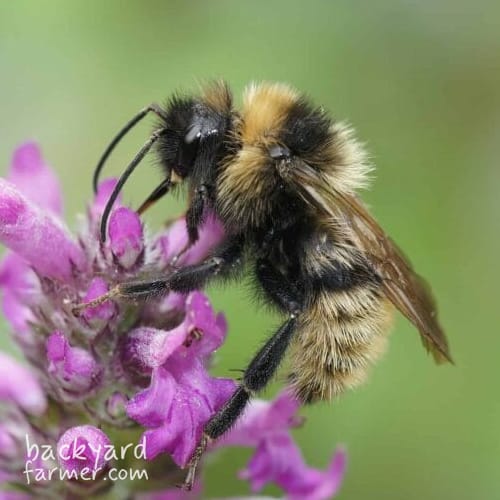
Field Cuckoo Bumblebee
(Bombus campestris)
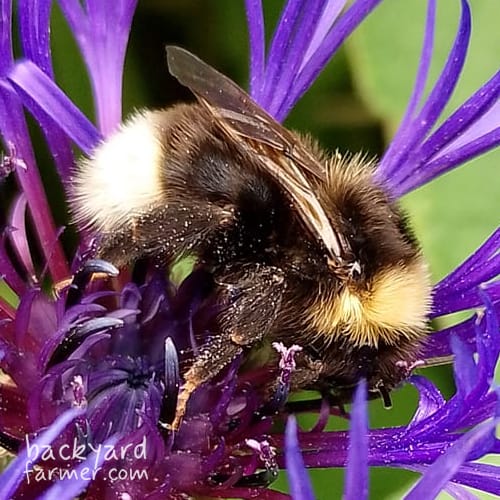
Gypsy Cuckoo Bumblebee
(Bombus bohemicus)
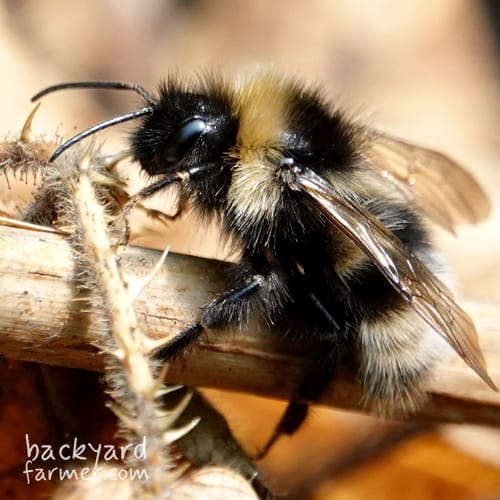
Forest Cuckoo Bumblebee
(Bombus sylvestris)
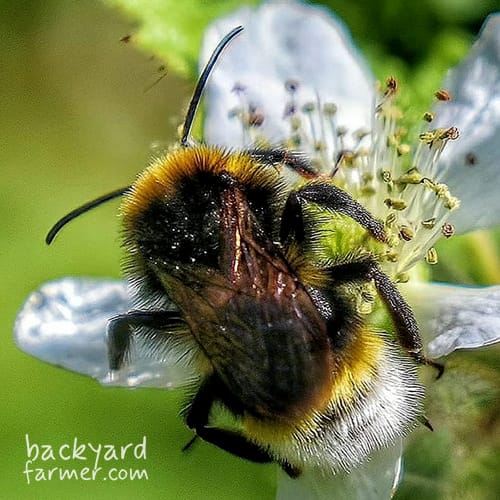
Vestal Cuckoo Bee
(Bombus vestalis)
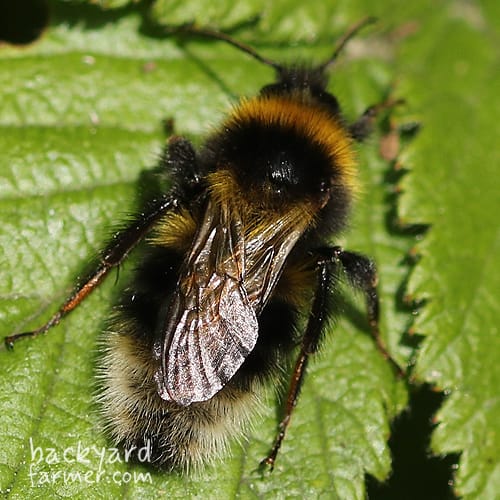
Barbut’s cuckoo bumblebee
(Bombus barbutellus)
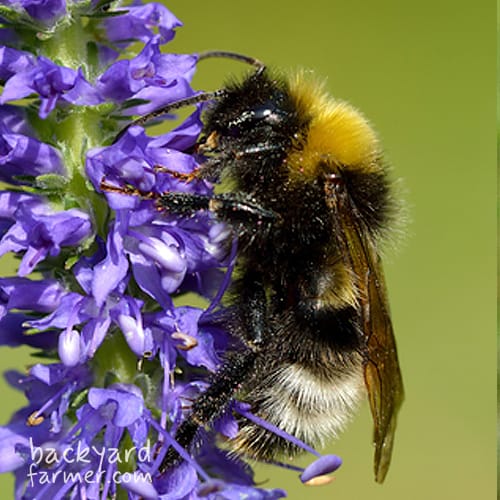
Norwegian cuckoo bumblebee
(Bombus norvegicus)
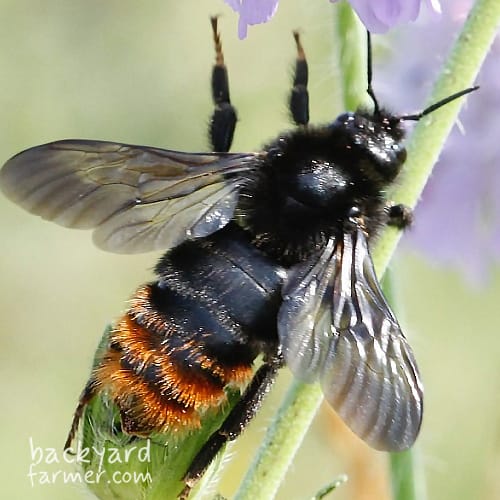
Red-tailed cuckoo bumblebee (Bombus rupestris)
How to Identify Bees in the UK (Quick Checklist)
Most UK bee ID comes down to a handful of features. If you can remember these, you’ll get it much faster.
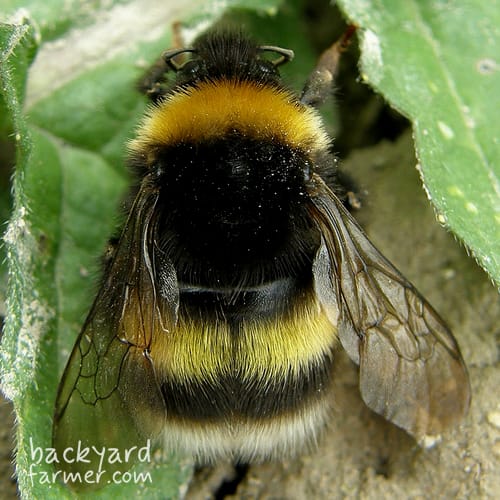
1) Band pattern and placement
Look at the thorax and abdomen. Some bees have two strong yellow bands, others have a single band, and some are mostly dark. The position of bands often matters more than the number.
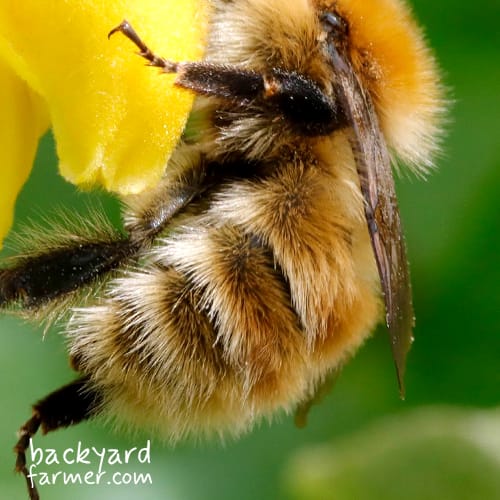
2) Tail colour (end of the abdomen)
Tail colour is one of the quickest shortcuts for bumblebee identification in the UK. White, buff, red and ginger tails can immediately narrow your options.
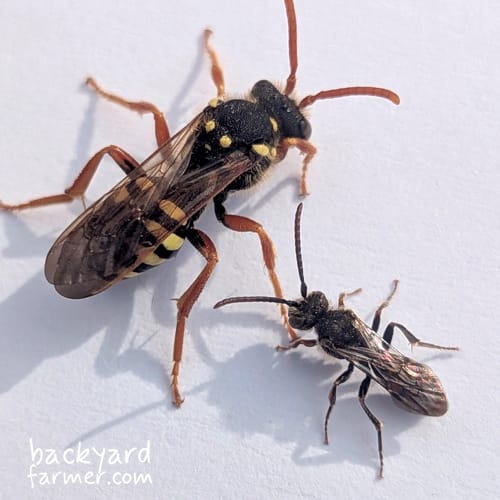
3) Size and shape
- Large and loud bees in early spring are often queens.
- Small, fast-moving bees are more likely to be solitary species.
4) Behaviour
- Visiting flowers steadily? Often, bumblebees and honey bees.
- Hovering low over soil or lawns? Often mining bees.
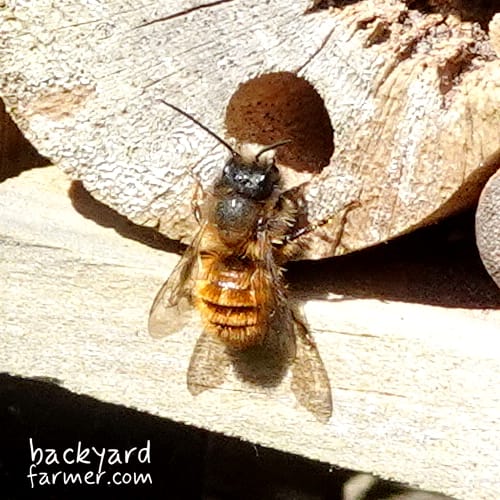
- Checking holes in wood or bee hotels? Often, a mason or leafcutter bee.
5) Season
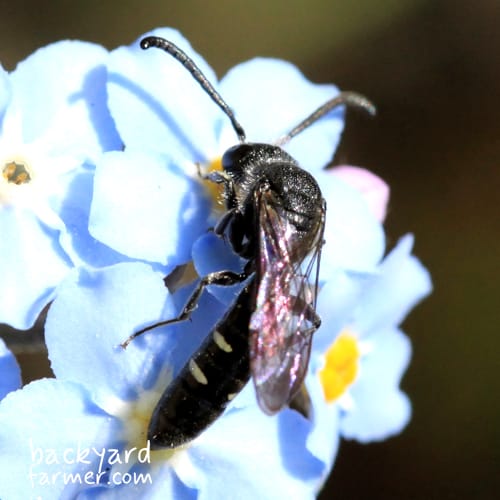
Time of year is a huge clue. Early spring sightings are often queens and spring solitary bees, while late summer can bring leafcutters and second broods.
Bumblebee vs Honey Bee: What’s the Difference?
If you’re new to identifying bees, this is one of the most common sticking points.
- Bumblebees are usually rounder and fuzzier, and many have clear banded patterns.
- Honey bees are often slimmer, with a more uniform golden-brown look.
- Bumblebees can look “chunky” and slow, while honey bees often appear more streamlined.
If you’re unsure, use tail colour and overall body shape first, then check the season and behaviour.
Why Bee Identification Matters
Understanding which species you’re seeing also helps explain why bees are important to our ecosystems.
- Supports Conservation: Track declining and rare species
- Encourages Biodiversity: Different bees pollinate different plants
- Improves Gardening: Match plants to local pollinators
- Avoids Misidentification: Bees vs wasps vs hoverflies
If you’re still unsure after comparing species, the time of year can often provide the final clue — and if you’d like to attract a wider variety of bees to observe, see our guide to making your garden wildlife-friendly.
When Are Bees Active in the UK?
- March–April: Queen bumblebees and spring solitary bees appear
- May–July: Peak bumblebee worker activity (most garden sightings)
- Late summer: Leafcutters, mason bees and second broods
- September–October: Final foraging before colonies die back
If you’re struggling to identify a bee, the season can often narrow your options faster than colour alone.
Bee Identification FAQs
Bees are usually hairier and rounder than wasps, with visible pollen baskets or fluffy bodies. Wasps tend to be smoother, slimmer, and more brightly patterned, while hoverflies often mimic bees but have very large eyes and hover in place. If in doubt, behaviour and hairiness are often the best clues.
There are over 250 species of bees in the UK, including honeybees, bumblebees, solitary bees, and cuckoo bees. Most UK bee species are solitary and do not live in hives.
Don’t worry — many bees look similar. Use the Bee Identification Tool and select “not sure” where needed, then compare your results with the photo charts and species profiles. Taking a clear photo from the side or top can also help with identification later.
Start with tail colour — it’s often the quickest clue. Then look at the number and position of yellow or black bands, overall body size, and behaviour. Using the Bee Identification Tool alongside the photo charts makes this much easier.
White-tailed Bumblebee, Buff-tailed Bumblebee, Red-tailed Bumblebee, and Garden Bumblebee are among the most common species seen in British gardens, especially from spring to late summer.
Bumblebees are generally larger, rounder, and much fuzzier than honeybees. Honeybees have slimmer bodies, a more uniform brown-gold colour, and are usually seen flying directly back to a hive.
Bumblebees are not aggressive and rarely sting unless handled or threatened. They are focused on collecting nectar and pollen and are safe to observe in gardens.
Many bumblebee species share similar colour patterns due to mimicry and evolution. This is why looking at multiple traits — not just colour — is important for accurate identification.
Bumblebees can be seen from early spring through autumn. Queens appear first in spring, workers are common in summer, and males are more visible later in the season.
Yes. The tool is designed to narrow down likely species using colour, size, season, and behaviour, and it works even if you’re unsure about some details.
Buff-tailed and white-tailed bumblebees are among the most commonly spotted bees in UK gardens.
Start with tail colour and band placement. Then use size, season and behaviour to confirm.
Most solitary bees rarely sting and are generally non-aggressive. They’re focused on nesting and collecting pollen.
Not all species are legally protected, but many are declining. Planting for pollinators and protecting nesting habitat helps.
Conclusion: Why Bee Identification Matters
Bee identification is more than a hobby — it’s a practical way to protect pollinators and ecosystems.
How You Can Help
- Observe and record bee traits
- Plant pollinator-friendly flowers
- Provide nesting habitats
With the UK Bee Identification Tool and linked species profiles, you’re equipped to identify bees accurately and support their future.
🐝 Every bee matters. Learn more about why bees are important here.