

Home » Getting Started with Indoor Growing (UK)
Getting Started with Indoor Growing (UK)
Growing vegetables and herbs indoors does not need to start with a complicated setup. A few suitable crops, containers, a growing medium and enough light are enough to get going. This guide covers the basic decisions to make first, then points you towards the more detailed guides when you need them.
What You Need to Start Growing Indoors
You can keep your first indoor setup fairly simple. Focus on these essentials:
- Suitable crops: Herbs, salad leaves and compact vegetables are easier starting points than large fruiting plants.
- A container: Use something large enough for the crop, with suitable drainage where required.
- Growing medium: Most beginners can start with a suitable compost rather than a specialist growing system.
- Enough light: A bright location may work for some crops, while others will need additional lighting.
- Water and basic care: Check plants regularly rather than watering or feeding to a fixed routine.
Start small. It is much easier to learn how your indoor space behaves with a few plants before expanding into shelves, grow lights or larger growing systems.
Easy Crops to Start Growing Indoors
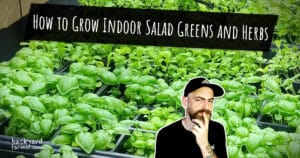
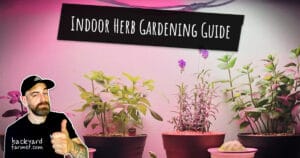
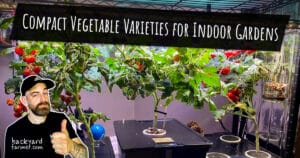
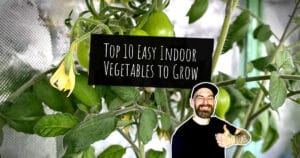
Herbs, salad leaves and compact vegetables make sensible first crops because they can fit into relatively small spaces and let you build experience without needing a large indoor setup.
Good places to continue include:
Do You Need a Grow Light?
Not every indoor plant needs artificial lighting from day one. A bright windowsill can be useful for some herbs, seedlings and leafy crops, particularly when natural light is good.
The challenge comes when the available light is too weak or inconsistent for the crop you want to grow. Larger plants and fruiting crops such as tomatoes can require a much more capable lighting setup than a small pot of herbs or salad leaves.
If natural light is limiting, start with our guide to [choosing an LED grow light]. It explains how to match a fixture to your growing area without relying on simple wattage or plant-count rules.
Where to Go Next
Once you have the basics in place, use the guide that matches what you need next:
You do not need to build the perfect indoor garden before you start. Begin with a manageable setup, learn what works in your space, and add equipment only when the plants or growing area genuinely need it.