Wildlife Gardening in Britain

Wildlife gardening in the UK is about making space for nature in your garden.

Creating habitats that support birds, bees, hedgehogs and beneficial insects not only help nature, but also your garden or allotment plot.

The basics of Wildlife Gardening

The majority of Wildlife gardening in Britain comes down to four simple things: food, shelter, water and low disturbance. When you get this combination right, your garden will come alive with the sounds of insects, birds and wild mammals.

Support Your Favourite Wildlife

Once the basics are in place, you can start supporting particular types of garden wildlife in the UK. Small, targeted improvements often bring quicker results and help your whole ecosystem settle into balance.

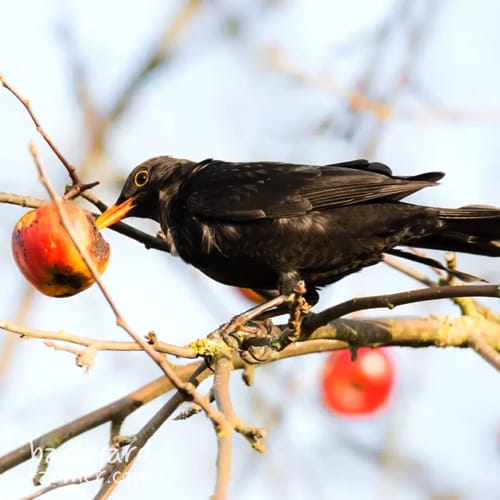
bird eating an apple

Attract birds to your Garden

Garden birds rely heavily on safe nesting spots, reliable food and nearby shelter. A bird-friendly garden does not just add life and movement — it also improves natural pest control.

Explore:

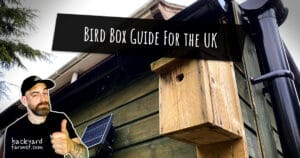
  • Bird Box Guide
  • Attracting Birds to Your Garden
  • What Birds Eat in UK Gardens (coming soon)

Bees & Pollinators

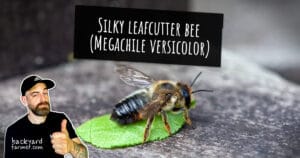
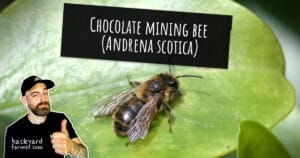
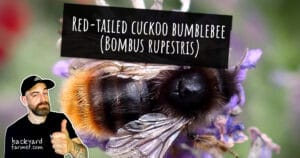
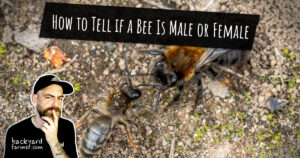
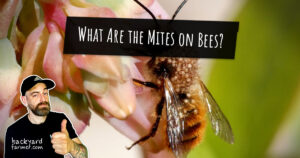
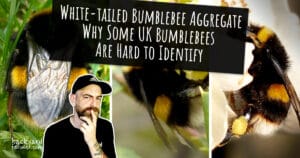
Pollinators sit at the heart of any wildlife garden and are important to the planets eco system. Learn about bee species, their favourite flowers and how to bring them into your garden at home.

Hedgehogs

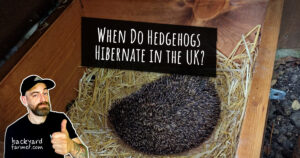
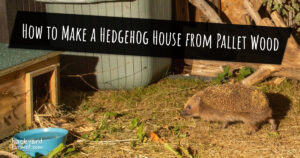
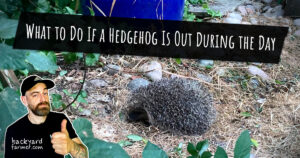
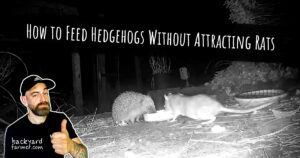
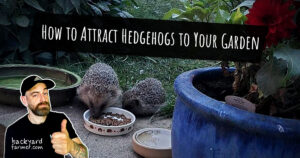
Hedgehogs have declined across much of Britain, largely because gardens have become more sealed off and over-managed. However, a few simple changes can dramatically improve your chances of attracting hedgehogs to your UK garden.

Explore:

  • How to Attract Hedgehogs to Your Garden (coming soon)
  • Hedgehog Highway Guide (coming soon)

Beneficial Insects

Beyond bees and butterflies, many insects quietly provide natural pest control. Encouraging these species strengthens sustainable wildlife gardening practices and reduces the need for chemicals.

Habitat's That Increase Biodiversity

Often, it is the structural features that make the biggest difference to UK garden biodiversity. When you combine planting with physical habitat elements, wildlife responds surprisingly quickly.

Explore practical habitat guides:

These additions support insects, amphibians and birds while strengthening your overall wildlife-friendly garden design.

Seasonal Wildlife Gardening

Wildlife gardening in the UK is not static. The needs of birds, insects and mammals shift through the seasons. Supporting wildlife year-round keeps food and shelter available when it matters most.

Seasonal guides (expanding cluster):

By adjusting your approach with the seasons, you build long-term resilience into your garden ecosystem rather than relying on one-off efforts.

5 Simple Actions To get Started

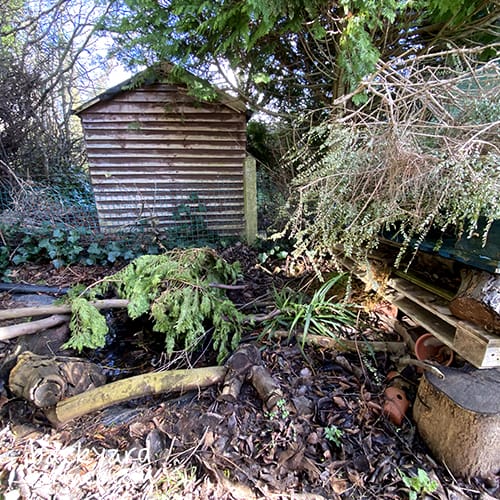
Wildlife pond in the backyard

If you want to begin straight away, focus on these practical steps:

  1. Add one nectar-rich plant suited to UK conditions
  2. Provide shallow water for birds and insects
  3. Reduce mowing in at least one area
  4. Create a small sheltered corner (log or leaf pile)
  5. Avoid chemical pesticides and herbicides

These small adjustments form the backbone of a wildlife-friendly garden UK gardeners can realistically maintain. Over time, steady, consistent changes build real biodiversity — without overwhelming you.

Scroll to Top