
Introduction
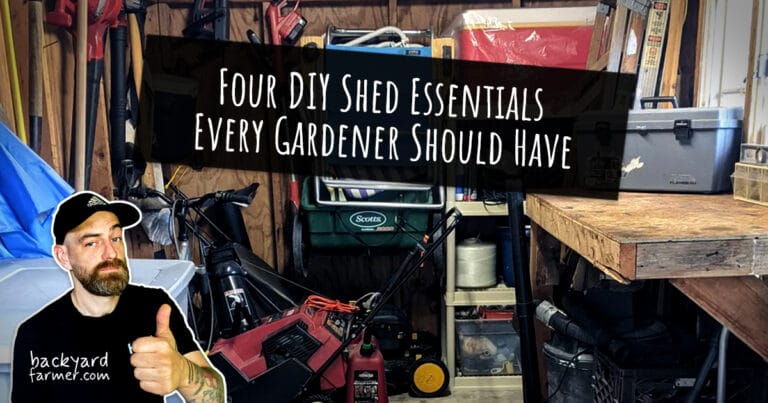
If you’ve ever been halfway through fixing a raised bed, repairing a fence panel, or knocking together a quick pallet project, you’ll know how frustrating it is to be missing one simple thing. More often than not, it’s not the big tools that stop you — it’s the small, everyday DIY shed essentials that keep the job moving.
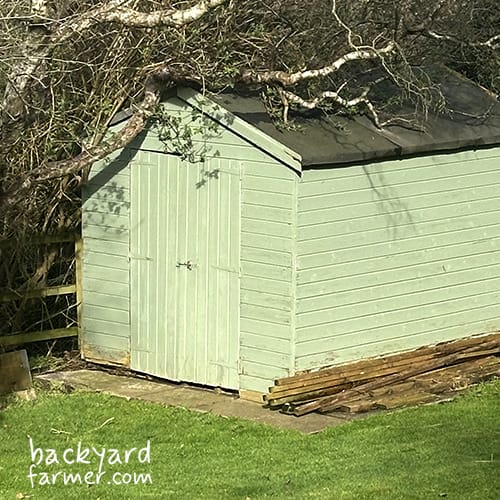
Out in the garden, most DIY jobs happen in short bursts between weather windows, so having a well-set-up garden shed or workshop makes a real difference. Instead of stopping mid-job to hunt for screws or head to the shop, you’ve got everything right there, ready to go.
The good news is, you don’t need a fully kitted-out workshop to work efficiently. In fact, a few well-chosen garden shed tools and storage basics will cover most jobs. A simple, practical setup will take you a long way. Whether you’re maintaining your garden, building small structures, or just keeping things ticking over, here are four shed staples that make DIY jobs quicker, easier, and far less stressful.
1. A Sturdy Workbench (Shed Workbench Essential)
First up, a sturdy workbench — one of the most important shed workshop essentials. You can have all the tools in the world, but without a solid base to work on, you won’t get very far.
In a garden setting, this matters even more. You’re often dealing with uneven timber, reclaimed materials, or quick repairs that need doing on the spot. A proper bench gives you a stable place to cut, fix, and assemble, instead of fighting the job the whole way through. For any DIY shed setup, this is your main working surface.
You could make your own bench using minimal tools — a simple pallet or reclaimed timber build works well, much like this DIY pallet wood store project — or buy one that’s premade. Either way, pair it with a decent clamp for holding pieces in place, as it makes a bigger difference than most people expect.
If space is tight, go for a bench with storage underneath. That way, your most-used tools and fixings stay within arm’s reach, which keeps jobs flowing.
From experience, this is one of those upgrades you don’t fully appreciate until you have it — and once you do, you’ll wonder how you managed without it.
2. A Sizable Selection of Nuts, Bolts, and Screws (Essential Shed Fixings)
That earlier scenario — rushing out mid-job — almost always comes down to fixings like screws, bolts, and brackets. Whether you’re repairing a fence, building raised beds, or putting together a quick garden project, it’s the small bits that stop everything in its tracks.
The simplest way around this is to stock up properly with common shed fixings and fasteners. A basic organiser filled with common sizes of screws, coach bolts, and fixings will cover most jobs you’ll run into around the garden. Once that’s sorted, you stop thinking about supplies and just get on with the work.
From experience, exterior-grade screws are worth prioritising, especially for outdoor DIY projects in the UK climate. Cheaper indoor fixings don’t last outdoors, and you’ll end up redoing jobs sooner than you’d like.
Buying screws and fixings in bulk online is usually the most cost-effective route. When I buy screws on eFixings, for example, you can build up a decent stock without paying inflated prices you’d often find in local stores — especially useful if you’re regularly working on outdoor projects.
It’s a small investment upfront; however, it pays you back every time you don’t have to stop halfway through a job.
3. Basic Hand Tools (Core DIY Shed Tools)
It’s easy to get drawn in by big power tools. However, a solid set of basic hand tools is the backbone of any DIY shed setup. In reality, most garden DIY jobs are handled with simple tools, and often, they’re quicker to use.
For everyday work around the garden, focus on essential hand tools that cover cutting, fixing, and shaping. A panel saw, claw hammer, adjustable screwdriver, chisel set, and a decent hand plane will take care of most tasks — whether you’re trimming timber for raised beds, adjusting a gate, or working with reclaimed wood.
Hand tools also give you far more control, which matters when you’re working with uneven or salvaged materials in a garden or shed environment. Instead of fighting the tool, you’re working with the material.
From experience, a well-chosen set of hand tools ends up being used far more often than any power tool. They’re quicker to grab, easier to maintain, and ideal for the kind of small, practical jobs that come up constantly — the same sort of kit I reach for regularly in the tools I use as a gardener every day.
4. Safety Equipment (DIY Shed Safety Basics)
Finally, there’s safety equipment — something that’s easy to overlook until it becomes a problem, but essential for any DIY shed or workshop.
Most garden DIY jobs might feel low-risk; however, cutting, sanding, and working with timber still produces fine dust and debris that you don’t want in your lungs or eyes.
A good starting point is a P3-rated dust mask with replaceable filters, along with a well-fitting set of safety goggles. When you’re cutting or sanding wood — especially indoors or in enclosed sheds — fine dust can build up quickly, so proper protection becomes essential.
You’ll also want ear protection and a solid pair of work gloves for handling rough timber, fixings, and tools. These are the basics that prevent small mistakes turning into bigger problems. If you’re cutting older branches or reusing timber from the garden, it also helps to know whether the wood is sound to begin with — here’s my guide to tree health signs in the UK.
Proper lighting is just as important in a shed or workshop setup. When you can clearly see what you’re doing, you reduce mistakes and make everything safer — especially when working with sharp tools or fasteners.
If you’re doing regular cutting or sanding, a basic dust extraction setup is well worth considering. Even simple systems can significantly reduce airborne dust and keep your workspace healthier over time.
It’s not about overcomplicating things — it’s about putting a few simple protections in place so you can keep working comfortably for years to come.
Wrapping Up: Simple DIY Shed Essentials That Work
You don’t need a huge workshop or a fortune’s worth of kit to make your shed genuinely useful. A few key DIY shed essentials will go a long way.
In most cases, a solid workbench, a good stock of fixings, reliable hand tools, and a few sensible safety basics will cover the majority of jobs.
Get those foundations right, and everything else becomes easier — whether you’re repairing, building, or maintaining your garden setup. Keep things simple, improve as you go, and you’ll end up with a shed that genuinely works for how you use it.