
Choosing the right rotavator is less about buying the biggest machine and more about matching it to your soil, plot size and the work you need to do.
For small gardens and raised beds, a lightweight electric or cordless tiller is usually enough. For allotments, compacted ground or heavy clay, a petrol rotavator offers much more digging power. Below are my picks for the best rotavators for UK gardens.
Best for Most Small UK Gardens – Hyundai HYT1500E
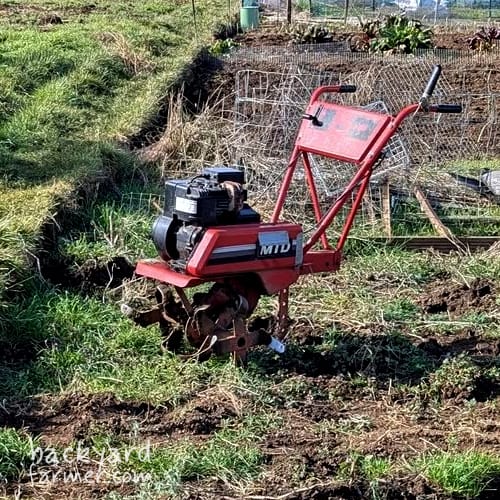
Best for Allotments – Hyundai HYT150 Petrol Rotavator
Best for Heavy Clay Soil – Husqvarna TF 325
Quick Comparison of the Best Rotavators for UK Gardens
Here is a quick side-by-side comparison of the rotavators featured in this guide. Use this table to narrow things down by power type, working width, weight, and best use.
| Model | Type | Power | Working Width | Weight | Best For |
|---|---|---|---|---|---|
| Hyundai HYT1500E | Electric | 1500W | ~45 cm | ~11 kg | Small gardens & veg beds |
| VonHaus 1400W Tiller | Electric | 1400W | ~40 cm | ~11 kg | Budget rotavator / light soil |
| Hyundai HYT150 | Petrol | 150cc 4‑stroke | ~45 cm | ~31 kg | Allotments & compacted soil |
| Husqvarna TF 325 | Petrol | ~212cc | up to ~60 cm | ~46 kg | Heavy soil & larger plots |
| Einhell GE‑CR 30 | Cordless | 18V battery | ~30 cm | ~5–6 kg | Raised beds & borders |
For most small gardens, choose an electric rotavator. For allotments, compacted ground, or heavy clay soil, a petrol rotavator is usually the better choice.
Best Electric Rotavator for Small Gardens – Hyundai HYT1500E
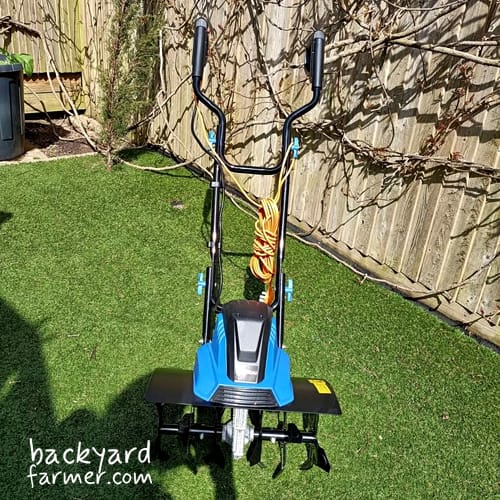
If you mainly work in a small garden, raised beds or an established vegetable plot, the Hyundai HYT1500E is the most practical all-round option here. It has enough power for routine soil preparation, mixing compost into the top layer and refreshing beds that have already been worked, without the extra weight, noise and maintenance of a petrol rotavator.
| Spec | Detail |
|---|---|
| Power | 1500W electric motor |
| Working width | Approx. 45 cm |
| Working depth | Up to approx. 22 cm |
| Weight | Approx. 11 kg |
| Power source | Mains electric |
Best For
- Small gardens
- Raised vegetable beds
- Established borders and veg plots
- Mixing compost into already worked soil
Pros
- Useful for routine spring soil preparation
- Lightweight and easier to handle than petrol models
- Good working width for smaller plots and veg beds
- Quieter than a petrol rotavator
Cons
- Can struggle in heavy, compacted clay soil
- Needs access to mains power
- Not ideal for breaking completely new ground
Its main limitation is tougher ground. For compacted soil, thick turf or heavy clay, one of the petrol models below will be a better fit.
Best Budget Rotavator – VonHaus 1500W Garden Tiller
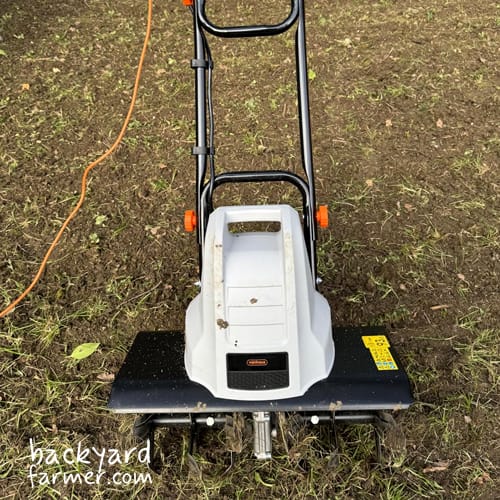
If you want an affordable rotavator for lighter garden work, the VonHaus 1500W Garden Tiller is a sensible budget choice. It is best suited to established beds, smaller gardens and routine soil preparation where the ground has already been worked.
Its lightweight design makes it easy to handle, but it is not intended for breaking new ground, compacted clay or other heavy-duty jobs where a petrol rotavator would be more suitable.
| Spec | Detail |
|---|---|
| Power | 1500W electric motor |
| Working width | Approx. 40 cm |
| Working depth | Approx. 20 cm |
| Weight | Approx. 11 kg |
| Power source | Mains electric |
Best For
- Budget-conscious buyers
- Small gardens and veg patches
- Raised beds and borders
- Light seasonal soil preparation
Pros
- More affordable than most petrol options
- Lightweight and easy to manoeuvre
- Simple setup with minimal maintenance
- Good fit for established beds and lighter soil
Cons
- Less powerful than petrol rotavators
- Requires a mains cable
- Not the best choice for thick turf or compacted clay
For occasional use on established soil, the VonHaus offers good value without paying for more machine than you need.
Best Rotavator for Allotments – Hyundai HYT150 Petrol Rotavator
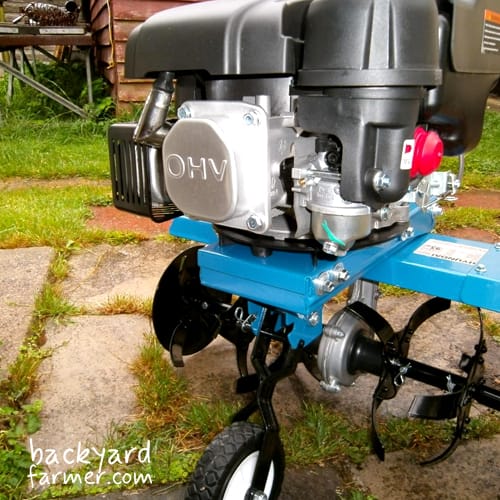
For larger vegetable plots and allotments, the Hyundai HYT150 Petrol Rotavator gives you the extra digging power needed for compacted soil, bigger beds and breaking new ground. Its petrol engine and heavier build help the tines bite into tougher soil where a lightweight electric tiller can struggle.
The trade-off is extra weight, noise and maintenance, so it makes most sense when you regularly have a reasonable area of ground to prepare.
| Spec | Detail |
|---|---|
| Engine | 150cc 4-stroke petrol engine |
| Working width | Approx. 45 cm |
| Working depth | Up to approx. 25 cm |
| Weight | Approx. 31 kg |
| Fuel type | Unleaded petrol |
Best For
- Allotments
- Larger vegetable gardens
- Breaking new ground
- Compacted or overgrown plots
Pros
- More power and digging strength than electric models
- Better suited to larger beds and tougher jobs
- Can handle compacted soil more effectively
- Faster for preparing bigger plots
Cons
- Heavier and harder to move than electric rotavators
- Needs fuel and occasional maintenance
- Louder during use than electric models
For allotment growers who need more digging power without stepping up to a much heavier machine, the HYT150 strikes a useful balance.
Best Rotavator for Heavy Soil – Husqvarna TF 325
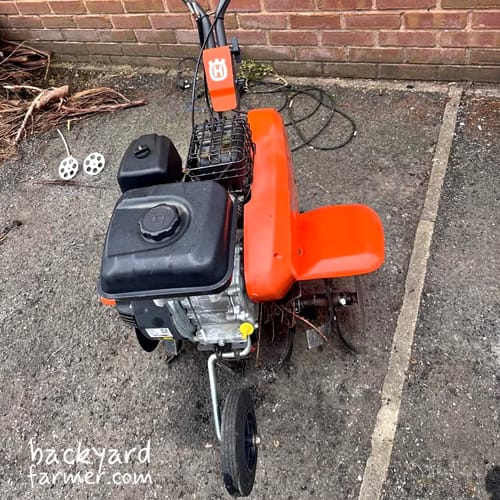
For heavy clay, compacted soil and larger areas of neglected ground, the Husqvarna TF 325 is the strongest option in this guide. Its heavier build gives the tines more bite than a lightweight electric machine, making it better suited to tougher soil preparation and more demanding jobs.
It is more machine than most small gardens need, and the extra weight makes it less convenient for tight beds or occasional use.
| Spec | Detail |
|---|---|
| Engine | Approx. 212cc petrol engine |
| Working width | Up to approx. 60 cm |
| Working depth | Up to approx. 30 cm |
| Weight | Approx. 46 kg |
| Fuel type | Unleaded petrol |
Best For
- Heavy clay soil
- Compacted ground
- Larger vegetable plots
- Overgrown or neglected areas
Pros
- Stronger digging ability for demanding soil conditions
- Wider working area for larger plots
- Heavier frame helps it bite into harder ground
- Better suited to deep cultivation than smaller models
Cons
- Much heavier than electric options
- Higher price than smaller garden tillers
- Needs fuel and routine maintenance
If you regularly work heavy soil and want a rotavator built for tougher ground, the TF 325 is the most capable choice here.
Best Cordless Rotavator – Einhell GE-CR 30
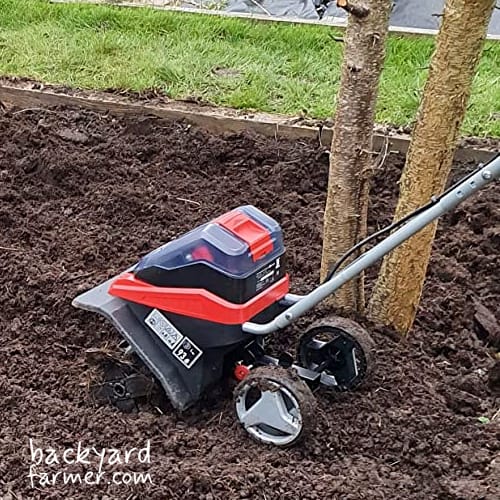
For raised beds, borders and smaller vegetable plots, the Einhell GE-CR 30 is a convenient cordless option. With no cable or petrol engine to manage, it is easy to move between beds and well suited to light cultivation and refreshing soil between planting cycles.
Its limitation is digging power. It is designed for already-worked ground rather than breaking compacted soil, heavy clay or large neglected plots.
| Spec | Detail |
|---|---|
| Power source | Einhell Power X-Change battery system |
| Working width | Approx. 30 cm |
| Working depth | Approx. 20 cm |
| Weight | Approx. 5–6 kg |
| Motor type | Cordless electric motor |
Best For
- Raised vegetable beds
- Small garden plots
- Borders and planters
- Light maintenance between planting cycles
Pros
- Very lightweight and easy to move around
- No mains cable or petrol engine to deal with
- Useful for raised beds and tight spaces
- Convenient for quick maintenance jobs
Cons
- Less powerful than petrol models
- Narrower working width than larger machines
- Best for lighter soil and routine cultivation only
If portability and ease of use matter more than outright power, the GE-CR 30 is the most practical cordless choice here.
How to Choose the Right Rotavator
Choosing the best rotavator mostly comes down to matching the machine to the job. In real terms, the biggest mistake is buying something too light for the ground you need to work, or going too big when all you really do is freshen up a few beds each spring.
If your beds are already in decent shape, a lighter machine will usually do fine. However, if you are dealing with an allotment, heavy clay soil, or rough ground that has been left to compact, a petrol model usually makes a lot more sense.
Quick Buying Guide
| Garden Situation | Best Type | Why |
|---|---|---|
| Small garden | Electric rotavator | Lighter, easier to handle, and usually plenty for routine soil prep |
| Raised beds | Cordless or electric rotavator | Easier to manoeuvre in tighter spaces |
| Allotment | Petrol rotavator | Better digging power for bigger plots and tougher ground |
| Heavy clay soil | Heavy-duty petrol rotavator | Extra weight and power help it bite into compacted soil |
| Existing veg beds | Electric rotavator | Good for mixing compost in and refreshing already worked soil |
| Breaking turf or new ground | Petrol rotavator | Small electric tillers often struggle with thick roots and stubborn patches |
Electric Rotavators
Electric rotavators are usually the best choice for small gardens, raised beds and previously cultivated soil. They’re lighter, quieter and easier to store than petrol machines, but can struggle with compacted ground, thick turf and heavy clay.
Petrol Rotavators
Petrol rotavators are better suited to allotments, larger plots, breaking new ground and heavier soils. Their extra power and weight help the tines bite into compacted ground, although they are noisier, heavier and require more maintenance than electric models.
Cordless Rotavators
Cordless rotavators are best for raised beds, borders and light maintenance between crops. They’re easy to manoeuvre and store, but don’t have the working width or digging power of larger electric or petrol machines.
Rotavator performance also depends heavily on soil conditions. Avoid working saturated soil and wait until the ground is moist enough to break apart without smearing or clumping.
Not sure when to do it? Read our guide to the best time to rotavate a garden.
Frequently Asked Questions About Rotavators
Yes, electric rotavators are a good choice for small gardens, raised beds, and established plots. They are lighter, quieter, and easier to maintain than petrol models, but they are not ideal for heavy clay or breaking new ground
A petrol rotavator is usually the best choice for an allotment. It has the extra power needed for larger plots, tougher soil, and breaking new ground.
For clay soil, a heavier petrol rotavator is usually the better option. The extra weight and digging power help it work into compacted ground more effectively than a lightweight electric model.