Grow Tent VPD Calculator (Temperature & Humidity Calculator)
Indoor plants rely on a stable environment to grow well. Temperature and humidity control how plants transpire, absorb nutrients, and regulate water loss. However, when those conditions drift out of range, plants often slow down, become stressed, or start showing visible problems.
Quick Grow Tent Environment Check
Before using the calculator, it helps to understand the typical temperature and humidity ranges most indoor growers aim for.
If your readings sit far outside these ranges, your plants may already be experiencing environmental stress.
| Plant Stage | Typical Temperature | Typical Humidity |
|---|
| Seedlings / Clones | 23–27°C | 65–75% |
| Vegetative Growth | 22–28°C | 55–65% |
| Flowering / Fruiting | 20–26°C | 40–55% |
These numbers provide a general guideline. However, temperature and humidity always work together. Their relationship is measured using Vapour Pressure Deficit (VPD).
The calculator below analyses both values together so you can quickly see whether your grow tent environment is balanced.
Grow Tent Environment Calculator
Use the grow tent calculator below to instantly check whether your temperature and humidity levels create a balanced VPD environment for plant growth.
Tip: Most grow tent issues come from humidity imbalance rather than temperature.
What This Grow Tent Calculator Measures
The Grow Tent Environment Calculator analyses three environmental factors that directly affect plant health: temperature, humidity, and Vapour Pressure Deficit (VPD). Together, these determine how efficiently plants transpire, regulate water loss, and absorb nutrients.
Understanding how these variables interact makes it much easier to diagnose grow tent problems without relying on guesswork or static charts.
Temperature
Temperature strongly influences plant metabolism, transpiration, and nutrient uptake. When temperatures move outside the ideal grow tent range, plants often struggle to regulate water movement and growth processes.
In most indoor setups, lighting, airflow, and ventilation control temperature. If a grow tent becomes too hot, plants may lose water too quickly. On the other hand, temperatures that drop too low can slow plant metabolism and stall growth.
Relative Humidity
Relative humidity measures how much moisture the air contains compared with the maximum amount it could hold at that temperature.
Humidity directly affects plant transpiration because it determines how easily water evaporates from the leaf surface.
Vapour Pressure Deficit (VPD)
Vapour Pressure Deficit combines temperature and humidity to show how strongly the surrounding air pulls moisture from plant leaves.
If VPD becomes too low, the air is too humid and transpiration slows. Conversely, if VPD becomes too high, the air is too dry and plants lose water too quickly.
The Grow Tent Environment Calculator automatically combines temperature and humidity values to calculate VPD and determine whether your environment is balanced for the current plant stage.
Ideal Grow Tent Temperature and Humidity Ranges
Indoor plants grow best when temperature and humidity remain balanced. When these conditions drift too far in either direction, plants struggle to transpire efficiently and maintain healthy growth.
Most indoor growers manage their environment by balancing temperature, humidity, and Vapour Pressure Deficit (VPD) together.
| Plant Stage | Temperature | Humidity | Ideal VPD |
| Seedling / Clone | 23–27°C | 68–78% | 0.45–0.8 kPa |
| Vegetative Growth | 22–28°C | 55–68% | 0.8–1.2 kPa |
| Flowering / Fruiting | 20–26°C | 40–55% | 1.2–1.6 kPa |
Why Humidity Changes as Plants Mature
Young plants prefer higher humidity because their root systems are still developing. As a result, higher humidity reduces water loss and prevents stress during the early stages.
As plants mature, they transpire more efficiently and produce more foliage. At this stage, slightly lower humidity helps reduce the risk of fungal diseases, mould, and rot.
Using the Calculator Instead of Guessing
Many growers still rely on static charts to estimate the correct climate conditions. However, charts require you to manually compare temperature and humidity values.
The Grow Tent Environment Calculator removes that guesswork. It automatically calculates VPD and tells you whether your environment is balanced for the current plant stage.
This makes it much easier to diagnose issues such as:
Grow Tent VPD Chart
Many growers use a VPD chart to understand how temperature and humidity interact.
These charts compare air temperature with relative humidity to estimate Vapour Pressure Deficit (VPD).
| Plant Stage | Ideal VPD Range |
| Seedling / Clone | 0.45–0.8 kPa |
| Vegetative Growth | 0.8–1.2 kPa |
| Flowering / Fruiting | 1.2–1.6 kPa |
Why Growers Use VPD Charts
Traditional VPD charts help growers match their grow room temperature and humidity to a target VPD range. However, charts can be difficult to read because you must compare several values at once.
The Grow Tent Environment Calculator simplifies the process. Instead of analysing a chart manually, the tool calculates VPD instantly and tells you whether your environment is balanced.
Testing Different Grow Tent Conditions
Why VPD Matters for Indoor Growing
Many indoor growers focus only on temperature or humidity. However, plants actually respond to the combined effect of both, which is measured as Vapour Pressure Deficit (VPD).
VPD controls how easily water evaporates from plant leaves. This process, known as transpiration, plays a major role in nutrient transport, plant cooling, and growth.
As plants transpire, tiny openings called stomata release water vapour into the air. As moisture leaves the plant, it pulls water and dissolved nutrients upward from the roots.
Monitoring VPD therefore helps growers maintain the correct balance between temperature, humidity, and plant transpiration
Signs Your Grow Tent Environment Is Unbalanced
Even small climate imbalances can cause visible stress in indoor plants.
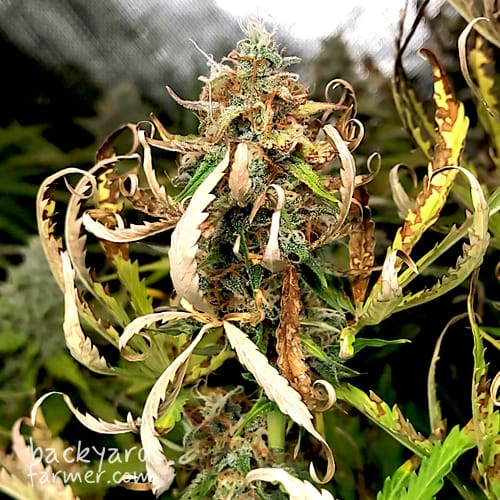
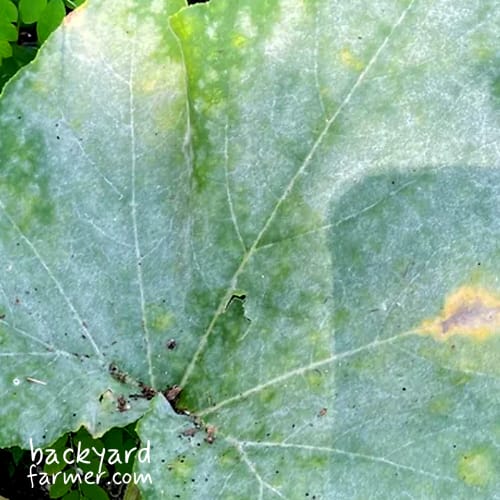
Because environmental conditions control transpiration and nutrient movement, problems often appear as leaf symptoms or slow growth.
Many growers assume these symptoms are caused by nutrient deficiencies. However, the underlying issue is often an unbalanced grow tent environment.
Common Signs of Environmental Stress
Grow Tent Environment Problem Diagnosis
| Plant Symptom | Likely Cause | Environment Issue |
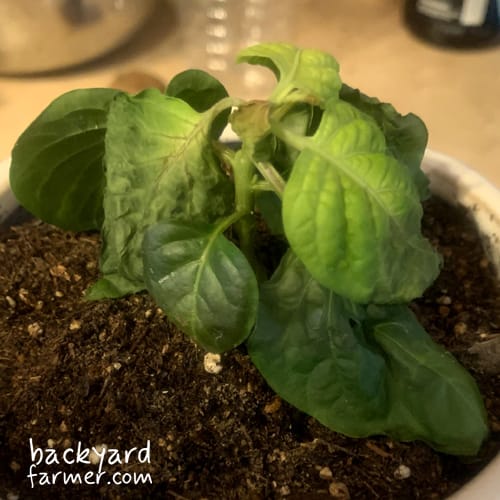
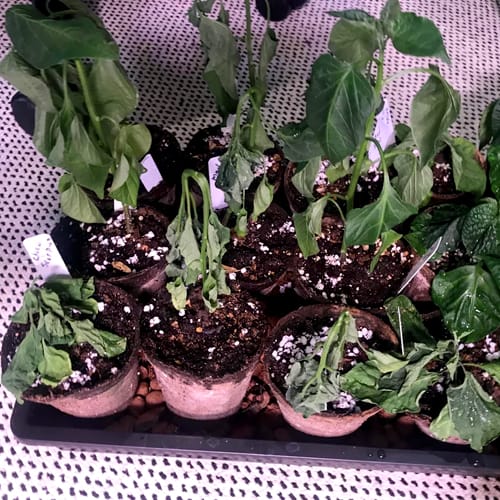
| Drooping leaves | Low transpiration | Humidity too high / VPD too low |
| Dry leaf edges | Excess water loss | Air too dry / VPD too high |
| Slow growth | Poor nutrient movement | VPD imbalance |
| Yellowing leaves | Reduced nutrient uptake | Incorrect VPD or humidity |
| Burnt leaf tips | Excess transpiration | High temperature + dry air |
If you notice these symptoms, use the Grow Tent Environment Calculator above to diagnose the environment.
How to Stabilise Your Grow Tent Environment
Indoor environments can change quickly depending on lighting, plant size, and airflow. Therefore, maintaining stable temperature and humidity is one of the most important parts of successful indoor growing.
Balancing temperature and humidity helps maintain a healthy Vapour Pressure Deficit (VPD).
Frequently Asked Questions
Related Tools
You may also find these Backyard Farmer tools useful:
Successful indoor growing depends on maintaining a stable environment. Even small changes in temperature or humidity can affect plant transpiration and nutrient uptake.
Use the Grow Tent Environment Calculator whenever you adjust your grow setup. By testing different temperature and humidity combinations, you can quickly see how they influence VPD and fine‑tune your grow tent environment.