
Companion planting can help you use space efficiently, support biodiversity and reduce some pest pressure, but it works best as part of good garden management rather than as a cure-all.
The UK companion planting chart below shows which common vegetables grow well together, which combinations are best avoided, and the practical considerations that matter when planning your beds.
The Companion Plants Chart and Cheat Sheet
This companion plants chart focuses on the vegetables most allotment growers grow in the UK.
Use it as a working reference while planning your beds. Then adjust based on spacing, sunlight, airflow, and crop rotation, because those fundamentals still matter more than any single companion pairing.
Companion Planting Quick Table
This companion planting cheat sheet shows clearly which crops grow well together — and which ones are better kept apart. I have only added the most common crops here, below the table you can download a more comprehensive companion planting guide (for free).
| Crop | Grows Well With | Avoid Planting Near | Quick Notes |
|---|---|---|---|
| Tomatoes | Basil, lettuce, carrots, marigolds | Potatoes, fennel | Prioritise airflow to reduce blight risk |
| Potatoes | Beans, cabbage family (spaced) | Tomatoes | Rotate yearly to reduce disease |
| Carrots | Onions, leeks, chives | Parsnips | Alliums may help reduce carrot fly |
| Onions | Carrots, beetroot, lettuce | Beans, peas | Alliums and legumes don’t mix well |
| Garlic | Brassicas, strawberries | Beans, peas | Works well as a defensive edging crop |
| Peas | Carrots, radish, spinach | Onions, garlic | Give support and allow good airflow |
| Beans (French/Runner) | Sweetcorn, squash | Onions, garlic | Protect young plants from slugs |
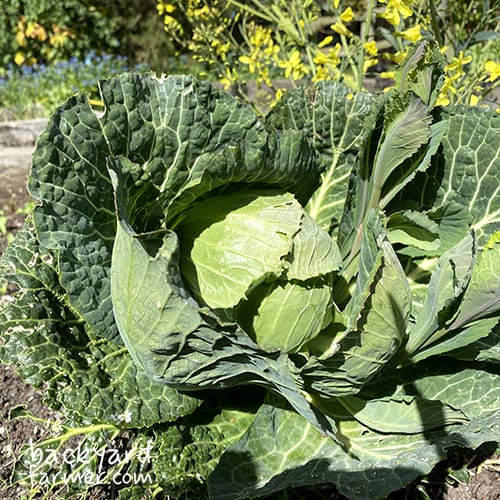
| Brassicas (Cabbage/Kale) | Onions, dill, nasturtium | Strawberries | Netting is usually more reliable than flowers |
| Cucumbers | Nasturtium, dill | Potatoes | Shelter and warmth improve UK results |
| Courgette / Squash | Sweetcorn, beans | Potatoes | Allow plenty of space at maturity |
| Sweetcorn | Beans, squash | Tomatoes | Plant in blocks for proper pollination |
| Lettuce | Radish, carrots, spring onions | Overcrowded brassicas | Ideal gap-filling crop |
| Spinach / Chard | Peas, beans | Potatoes | Performs better in spring and autumn |
| Beetroot | Onions, lettuce | Pole beans | Thin properly for larger roots |
| Radish | Lettuce, peas | Hyssop | Fast crop for succession sowing |
| Parsnips | Onions, radish | Carrots | Avoid fresh manure |
| Celery | Leeks, brassicas | Carrots | Needs consistent moisture |
| Strawberries | Chives, garlic | Brassicas | Mulch to keep fruit clean |
| Peppers / Chillies | Basil, onions | Fennel | Grow in sheltered UK spots |
| Leeks | Carrots, beetroot | Beans, peas | Firm soil around stems |
Download the Full Printable Companion Planting Chart
If you’d prefer a cleaner version to print and keep in the shed, the full printable companion planting chart expands on everything above.
In addition to the core companion planting UK vegetable table, it includes:
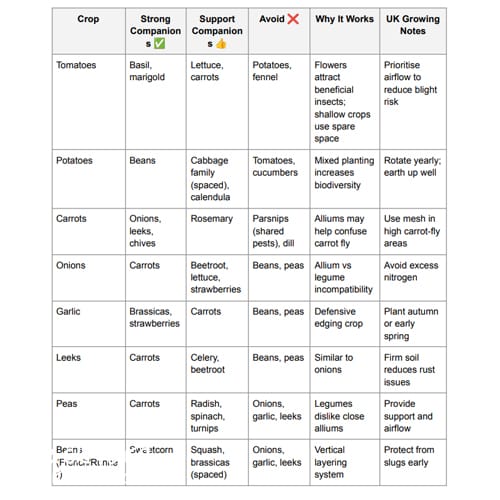
- An extended crop list
- Clear strength ratings (strong / support / avoid)
- Perennial crops
- Flower and herb companions
- Practical UK-specific notes
As a result, you can refer back to it whenever you’re planning beds or adjusting combinations mid-season.
Does Companion Planting Actually Work?
Companion planting means growing different crops close together because they benefit each other in some way.
For instance, planting basil with tomatoes is widely recommended in many companion planting guides. It can attract beneficial insects and help you use bed space efficiently. But it won’t magically prevent tomato blight during one of our damp British summers.
That does not mean however, that companion planting doesn’t work.
In fact, Companion planting helps strengthen a healthy garden ecosystem — but, it does not replace solid gardening fundamentals. It is more of a way to help squeeze the best out of every growing season by planting things that complement each other, close by.
The Royal Horticultural Society (RHS) notes that while some plant pairings can help, good growing practices remain more important than companion theory.
What Companion Planting Can do
When you use companion planting realistically, it can:
- Improve biodiversity
- Reduce the impact of pests
- Help you manage space more efficiently
- Support soil structure
What Companion Planting Can’t do
Just as importantly, companion planting cannot:
- Fix overcrowded beds
- Stop blight during prolonged wet weather
- Replace crop rotation
- Repair poor soil structure
5 Simple Companion Planting Rules for UK Allotments
If you remember nothing else from this companion planting UK guide, remember these five rules.
1. Alliums and Legumes Don’t Mix
Alliums such as onions, garlic, leeks and chives are generally best kept away from peas and beans. The evidence is not especially strong, but it is an easy pairing to avoid when planning a bed.
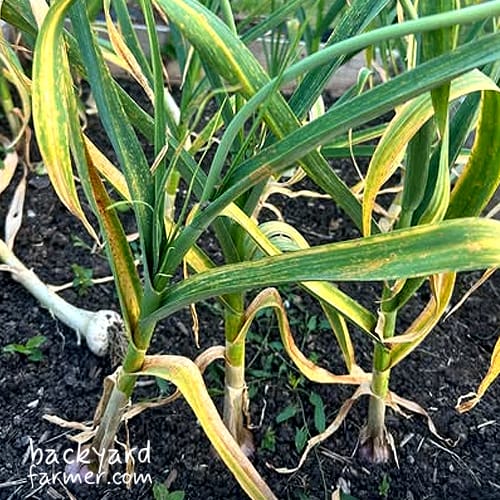
Better combinations include:
- Carrots with onions
- Peas with carrots
- Beans with sweetcorn or squash
2. Prioritise Height, Light and Airflow
A good pairing still fails if one crop shades or crowds the other.
Before planting, check:
- Mature plant height
- Sun direction
- Airflow between crops
Tall crops such as sweetcorn and climbing beans should be positioned so they do not block light from smaller plants.
3. Use Netting for Brassicas
Flowers such as marigolds and nasturtiums can support biodiversity, but they are not a reliable defence against cabbage white butterflies.

For cabbage, kale and sprouts:
- Use netting for protection
- Add flowers as a supporting layer
Companion planting can help, but it should not replace physical pest control.
4. Fill Gaps With Quick Crops
Fast crops such as lettuce, radish and spring onions can fit between slower-growing vegetables while there is still space.
Harvest them before the main crop fills the bed. This is one of the simplest ways to make companion planting useful on a small allotment.
5. Leave Enough Airflow
Damp UK summers can make crowded beds vulnerable to blight, mildew and other fungal problems.
Leave enough space for:
- Air movement
- Light penetration
- Easy harvesting
This is especially important around tomatoes, brassicas and courgettes.
Companion planting works best when spacing, light and airflow come first. Use pairings to refine a good layout rather than trying to make unsuitable crops work together.
Common Companion Planting Mistakes
Companion planting works best when the basics are already right. Avoid these common mistakes:
| Mistake | Why It Causes Problems | What to Do Instead |
|---|---|---|
| Overcrowding beds | Reduces airflow, light and growing space | Check mature plant size and leave enough room |
| Relying on flowers for pest control | Flowers may attract beneficial insects but rarely provide complete protection | Use netting, barriers and regular checks where needed |
| Ignoring crop rotation | Related crops grown repeatedly in the same soil can increase pest and disease pressure | Rotate the main crop groups between beds |
| Planting fennel too close | Fennel can compete strongly with nearby crops | Give it its own space away from the main vegetable beds |
| Ignoring root competition | Crops with similar roots and feeding needs can compete for water and nutrients | Combine crops with different root depths, heights or growth rates |
Use companion planting to refine a well-spaced bed — not to compensate for poor spacing, airflow or crop rotation.
Try Companion Planting in the Allotment Planner
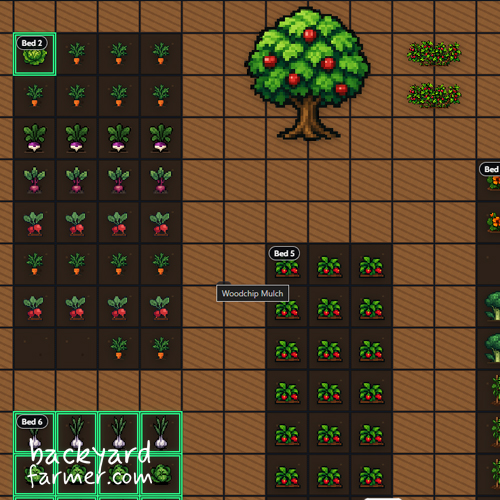
The Free BYF Allotment Planner makes it easy to check companion planting while building your beds.
Add your crops, review suitable neighbours and spot combinations worth changing before you plant.
FAQ – Companion Planting UK
Below are some of the most common questions UK veg growers ask about companion planting UK — answered in plain English and based on real allotment experience.
Avoid planting tomatoes beside potatoes because both are vulnerable to blight. Fennel is also best kept separate. Basil, lettuce, carrots, and marigolds make more suitable neighbours, although spacing and airflow still matter most.
Carrots grow well with onions, leeks, chives, lettuce, and radish. Alliums may help confuse carrot fly, while quick crops like radish use the surrounding space without causing much competition.
It’s generally better to keep them apart. Onions and other alliums are widely considered poor companions for beans and peas. Instead, pair onions with carrots or beetroot, and beans with sweetcorn or squash.
Yes, but it works best as a supporting strategy. It can improve biodiversity, use space efficiently, and reduce some pest pressure. However, it cannot replace good spacing, healthy soil, crop rotation, or physical protection.
Keep potatoes away from tomatoes because they share blight risk. Large spreading crops such as squash can also restrict airflow. Beans, spaced brassicas, and calendula usually make better neighbours.