
Planning a vegetable garden is about more than deciding what to plant in spring. A useful plan shows what each bed will grow through the year, when crops will need the space, what can follow them and how those crop groups can move between seasons.
This guide shows you how to build that yearly crop plan step by step. You’ll choose what is worth growing, work out how to use your beds efficiently, add succession sowing and rotation where they help, and then turn the finished plan into a practical layout you can use throughout the season.
Step 1: Decide What You Actually Want to Grow
Before buying seeds or filling beds, start with a simple question: what do you actually want to eat?
A useful vegetable garden plan starts in the kitchen, not the seed catalogue. Think about:
- What vegetables do you already buy regularly?
- Which crops taste better or save money when homegrown?
- Which crops suit the space and time you have available?
For many UK gardens, reliable choices include potatoes, onions, carrots, salad leaves, courgettes, tomatoes, beans and herbs. If space is limited, prioritise crops that give plenty back for the room they use, such as:
- Cut-and-come-again salad leaves
- Herbs
- Climbing beans or peas
- Tomatoes in pots or sunny borders
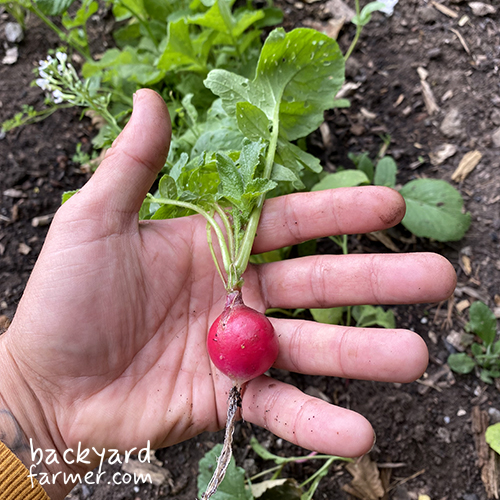
- Radishes, spring onions and beetroot
- One productive courgette plant rather than several
It also helps to mix quick crops with slower ones. Radishes, lettuce, spring onions and salad leaves can give early harvests, while carrots, beetroot, potatoes, leeks, parsnips and winter brassicas keep beds productive later in the year.
Step 2: Know What Growing Space You Have
Before planning the year’s crops, work out exactly how much usable growing space you have. You do not need a perfect layout at this stage — just a clear idea of the beds, borders or growing areas you will be working with.
Make a note of:
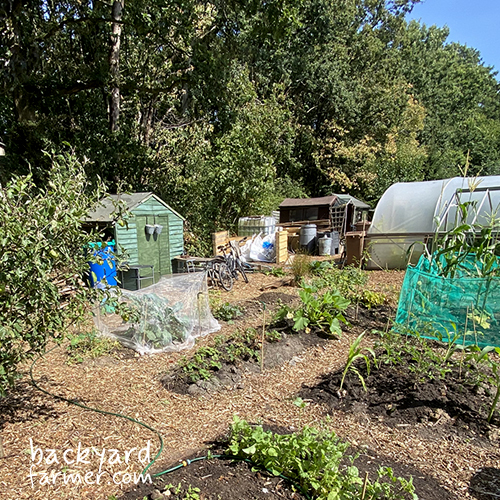
- How many beds or growing areas you have
- The approximate size of each one
- Which areas get the most sun or shade
- Any permanent crops already taking up space
- Any areas that are awkward, restricted or unsuitable for annual vegetables
This gives you the framework for the crop plan. Once you know the space available, you can start deciding what each bed will grow through spring, summer, autumn and winter.
If you are still deciding where beds, paths, compost, water or permanent structures should go, start with our How to Plan an Allotment guide first. This guide assumes you already know the basic growing areas you are working with.
Step 3: Build a Yearly Vegetable Garden Plan
Once your vegetable garden layout is clear, zoom out and look at the whole growing year.
This is where many plans fall down. It is easy to ask, “What can I sow this month?” However, a stronger question is:
What will each bed do from spring through to winter?
A good yearly vegetable garden plan works in phases. Instead of filling every bed in spring and hoping it works out, you plan how crops will move through the space as the seasons change.
| Growing phase | What to plan for |
|---|---|
| Spring | Hardy salads, onions, peas, broad beans, early potatoes, first sowings |
| Early summer | Beans, courgettes, tomatoes, sweetcorn, salads, crops planted after frost |
| Late summer | Follow-on carrots, beetroot, autumn salads, leeks, winter brassicas |
| Autumn and winter | Garlic, broad beans, green manure, protected crops, soil cover |
This simple seasonal structure helps you avoid the classic empty-bed problem. Early potatoes, peas, garlic, and spring salads all finish at different points. If you plan ahead, those spaces can become follow-on crops instead of bare soil or weed patches.
Plan Harvest Flow, Not Just Sowing Dates
Sowing dates are useful, but they are only one part of the plan.
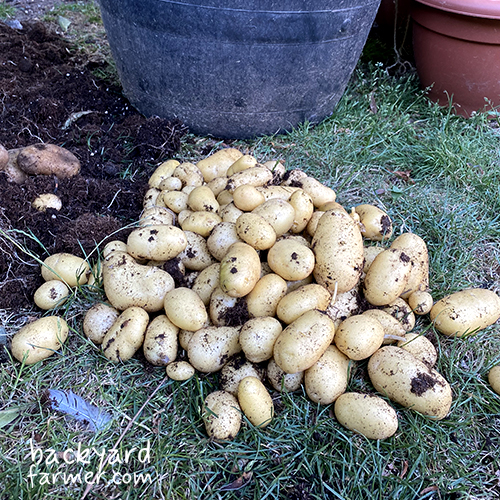
When you build your yearly vegetable garden plan, ask:
- What will I harvest first?
- What will still be growing in midsummer?
- Which crops finish early enough to be followed by something else?
- Which beds need to stay productive into autumn and winter?
For example:
- Early potatoes can be followed by leeks
- Peas can give way to autumn carrots
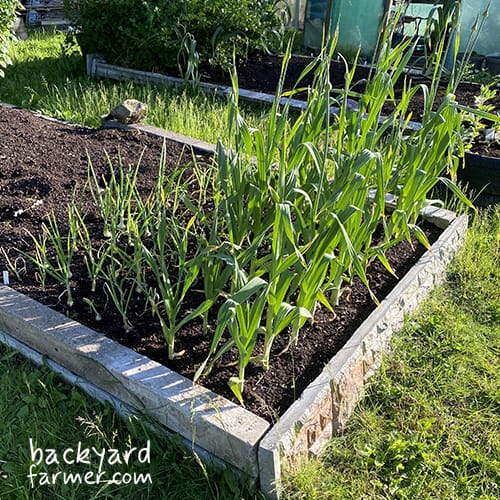
- Garlic can be followed by courgettes or quick salads
- Spring cabbage beds can later hold winter salads
This is the point where your vegetable garden starts to feel more organised. Each bed has a job now, another job later, and a rough plan for what happens next.
Detailed calendars are still useful here. Use my UK vegetable planting calendar or the RHS vegetable calendar to check sowing and planting windows. But remember: the calendar tells you when. Your vegetable garden plan decides where, why, and what comes next.
Step 4: Plan Succession and Follow-On Crops
A productive vegetable garden does not need to be planted all at once. Succession sowing spreads harvests through the season, while follow-on cropping keeps beds productive after earlier crops finish.
Sow Little and Often
For quick-growing crops, smaller repeated sowings are often more useful than planting everything in one go.
Good candidates include:
- Lettuce
- Rocket
- Radishes
- Spring onions
- Beetroot
- Carrots
- Coriander
- Dwarf French beans
Rather than sowing a whole packet at once, use shorter rows or smaller patches and repeat them through the season where conditions allow. This helps spread the harvest and reduces the risk of having more produce ready than you can use.
Plan What Follows Each Crop
Succession planning also means knowing what might use the space once an early crop finishes.
| First crop | Possible follow-on crops |
|---|---|
| Early potatoes | Leeks, salads, beetroot or green manure |
| Broad beans | Beetroot, carrots, salads or dwarf French beans |
| Garlic | Courgettes, salads or quick catch crops |
| Spring peas | Autumn carrots, beetroot or winter salads |
| Early salads | Kale, chard, winter salads or spring cabbage |
You do not need every change planned perfectly in advance. The useful part is knowing that a bed may become available and having one or two suitable options ready.
Leave Some Space Flexible
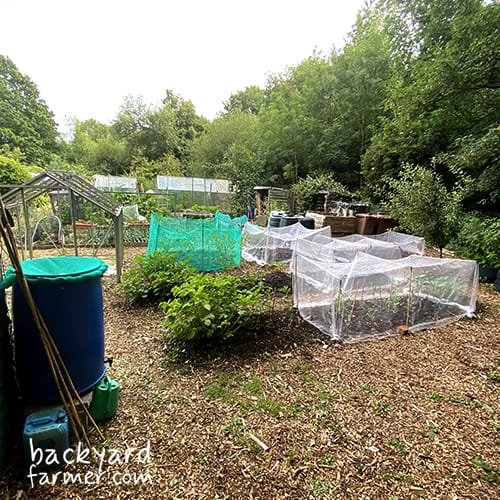
Keep a small bed, row or corner available for:
- Spare plants
- Replacement sowings
- Extra salads
- Quick catch crops
- Unplanned experiments
Weather, germination and harvest dates rarely follow a plan exactly, so a little flexibility makes the whole system easier to manage.
By this stage, you should know what each bed starts with, what may follow it and where repeated sowings could extend the harvest. Next, you can think about how the main crop groups move between beds from one year to the next.
Step 5: Build Crop Rotation Into the Plan
Once you know what each bed will grow through the season, think about where the main crop groups will move next year.
The basic rule is simple:
Try not to grow the same crop family in the same bed year after year.
This can help reduce the build-up of some pests and soil-borne diseases and gives your longer-term plan a clearer structure.
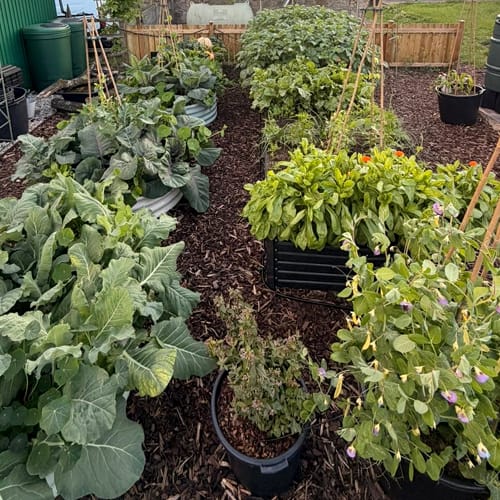
For a simple vegetable garden plan, think in broad groups:
- Roots — carrots, beetroot, parsnips
- Legumes — peas, broad beans, French beans, runner beans
- Brassicas — cabbage, kale, broccoli, sprouts
- Potatoes and other hungry crops — potatoes, courgettes, squash, sweetcorn and similar crops
You do not need a perfect textbook rotation, especially in a small garden. The useful part is simply avoiding the same problem-prone crop groups repeatedly using the same soil where possible.
Keep a note of what grew in each bed this year so you can move the main groups around next season.
For a complete rotation system, including crop groups and example layouts, see the Allotment Crop Rotation Guide.
Step 6: Example 10m × 5m Vegetable Garden Plan
To bring the process together, imagine a 10m × 5m vegetable garden divided into four main growing beds.
Rather than planning only what goes into each bed in spring, give each one a rough job for the whole season:
| Bed | Main focus | Example yearly plan |
|---|---|---|
| Bed 1 | Roots | Spring carrots and beetroot → autumn carrots or green manure |
| Bed 2 | Peas & beans | Spring peas → summer French beans → overwintering broad beans |
| Bed 3 | Brassicas | Spring cabbage → kale or other later brassicas |
| Bed 4 | Potatoes & follow-on crops | Early potatoes → a suitable summer or autumn crop once the space is cleared |
The exact crops will change according to what you want to grow and when space becomes available. The important part is the flow: each bed has a starting crop, a likely next use and enough flexibility to adapt during the season.
For the following year, keep the physical layout but review where the main crop groups have grown and move them where practical. You do not need to redesign the whole garden — just update the crop plan using what you learned from the previous season.
The same approach works in smaller spaces. A “bed” might simply be a raised bed, part of a border or a group of containers.
If you have limited growing space, see What to Grow in a Small Allotment for dedicated 10×10 and 4×4 layout ideas.
Common Vegetable Garden Planning Mistakes to Avoid
A good plan does not need to be complicated, but a few common mistakes can make the season harder than it needs to be.
1. Planting Everything at Once
Sowing every crop in one spring rush often creates a glut followed by empty beds.
Where suitable, use smaller repeated sowings to spread harvests and keep the garden productive for longer.
2. Forgetting How Long Crops Occupy a Bed
Some crops are harvested quickly, while others remain in place for months.
Check roughly when each crop will finish so you know whether the space could be used again later in the season.
3. Leaving No Plan for Follow-On Crops
Early potatoes, peas, garlic and salads can all leave useful gaps.
You do not need every replacement crop decided in advance, but having one or two options ready makes it much easier to keep beds productive.
4. Ignoring Crop Rotation
Repeatedly growing the same crop groups in the same soil can increase problems over time.
Keep simple notes and move the main crop groups between beds where practical.
5. Growing More Than You Can Manage
A long crop list can quickly turn into more sowing, watering, feeding and harvesting than expected.
Start with crops you genuinely want to eat and expand once you know how much time and space you have.
6. Planning Only for Summer
A vegetable garden can remain useful well beyond the main summer harvest.
Include autumn and winter crops where they suit your space, or use green manure or other soil cover when beds are not being cropped.
Turn Your Vegetable Garden Plan Into a Layout
By now, you should know what you want to grow, when each bed will be used, what may follow early crops and how the main crop groups can move between seasons.
The final step is to put that plan into a layout you can actually use.
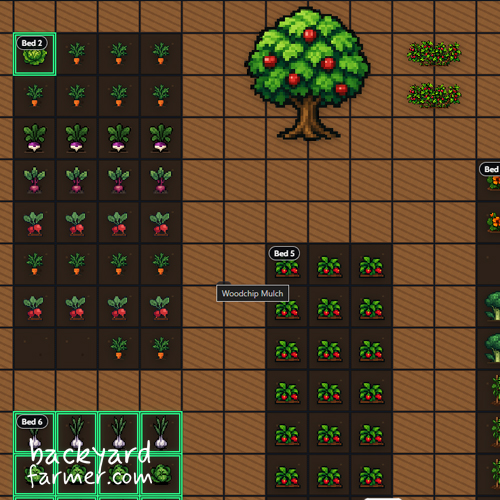
With the Free BYF Allotment Planner, you can:
- Place crops into beds or growing areas
- Check spacing and positions
- Visualise the plan before planting
- Save or export the finished layout
It works for raised beds, small vegetable gardens and full allotments.
Final Thoughts
A good vegetable garden plan does not need to be complicated. Grow what you actually eat, give each bed a clear purpose through the year, and leave enough flexibility to adapt as the season develops.
Start simple, keep notes on what worked, and improve the plan each year. The goal is not a perfect layout — it is a vegetable garden that stays productive, manageable and useful from season to season.