
Introduction – Why I Built a Wildlife Pond (And Why You Might Want To)
Over the past few years, I’ve noticed more frogs on the roads near home.
Not just in spring, but throughout the year — small, determined little travellers moving between gardens, hedgerows and whatever water they can find.
At first, it simply caught my attention. However, the more I saw it, the more I realised something important:
There just aren’t that many ponds left.
Across the UK, gardens are being paved. Lawns are being simplified into neat, low-biodiversity spaces. Meanwhile, old garden ponds that once supported frogs, newts and insects have quietly disappeared.
And yet wildlife still needs water.
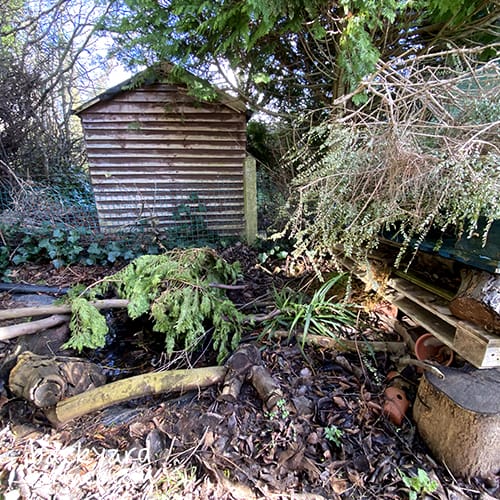
So that’s why I decided to build a wildlife pond in the UK — not as a feature, but as habitat.
Not for koi.
Not for ornament.
And definitely not for something high-maintenance.
Instead, I created a frog-friendly, fish-free wildlife pond UK gardeners can realistically build — simple, chemical-free and low effort. In other words, the kind of small wildlife pond that fits into an average garden without turning into a full landscaping overhaul.
What I quickly discovered, however, is that a garden wildlife pond does far more than support frogs.
Within days, insects arrived.
Soon after, birds began drinking from the shallow edges.
By summer, dragonflies hovered over the surface.
Before long, it became one of the most alive corners of the garden.
If you’re wondering how to build a wildlife pond UK conditions will support — whether you have a compact urban plot or a larger rural garden — this step-by-step guide will show you exactly what works.
What This Guide Covers
We’ll walk through:
- The ideal depth for a wildlife pond in the UK climate
- How to make your frog pond UK-friendly and safe for wildlife
- The best native-leaning pond plants for biodiversity
- Invasive species warnings every UK gardener should understand
- How to keep your wildlife pond low-maintenance and chemical-free
Because sometimes the most powerful conservation project isn’t a grand gesture.
Instead, it’s learning how to build a wildlife pond in the UK properly — then digging a simple hole, filling it with water, and letting nature do the rest. If you’re already working towards a wildlife-friendly garden, adding a small pond is often the single most powerful step you can take to increase biodiversity.
Why Build a Wildlife Pond in the UK?
Building a wildlife pond in the UK is one of the simplest and most effective ways to boost biodiversity in your garden.
Unlike feeders or decorative borders, a garden wildlife pond creates a complete micro‑ecosystem. It brings together water, shelter, breeding space and food — all in one place. As a result, even a small wildlife pond can make a noticeable ecological difference.
Even a modest wildlife pond UK gardens can accommodate will support:
- Frogs, toads and newts (if they’re present locally)
- Dragonflies and damselflies
- Aquatic insects and pollinators
- Birds looking for safe drinking water
- Hedgehogs and other mammals needing hydration
Across the UK, natural ponds have declined due to development, drainage and changes in land use. Consequently, garden wildlife ponds now act as stepping‑stones between habitats. When several gardens in one area contain wildlife ponds, they quietly form informal wildlife corridors. In turn, amphibians and insects can move more safely between spaces.
A Wildlife Pond Is Not the Same as an Ornamental Pond
Importantly, a wildlife pond is very different from an ornamental fish pond.
You don’t need pumps.
You don’t need chemicals.
You don’t need expensive filtration systems.
In fact, fish often reduce wildlife diversity because they eat amphibian spawn and insect larvae. Therefore, if your goal is to support frogs and other native species, a fish‑free wildlife pond UK gardeners build for biodiversity is far more beneficial.
Low Maintenance, High Ecological Value
Another major advantage is maintenance. Once you plant a wildlife pond properly and allow it to settle, it largely regulates itself. Aside from occasional thinning of plants and topping up during prolonged dry spells, it becomes a stable, living feature rather than a constant chore.
Perhaps the biggest surprise, however, is how quickly life arrives. What begins as a simple hole filled with water soon develops into one of the most dynamic parts of the garden.
Most importantly, this isn’t a grand landscaping project. A wildlife pond in the UK is achievable in almost any space — from compact urban gardens to larger rural plots.
So, if you want to make a meaningful local impact, building a wildlife pond in the UK is one of the most practical and rewarding garden projects you can take on.
Choosing the Right Location for a Wildlife Pond in the UK
When you build a wildlife pond in the UK, location matters just as much as construction.
Choose the right spot and your wildlife pond will settle, balance and attract biodiversity naturally. Choose poorly, however, and you may find yourself battling algae, clearing leaves or wondering why frogs and insects aren’t using it.
So before you start digging your wildlife pond UK garden project, pause and plan the position carefully.
How Much Sun Does a Wildlife Pond Need in the UK?
Most wildlife ponds in the UK benefit from around 4–6 hours of sunlight per day.
Too much full sun — particularly in a small wildlife pond — can encourage excessive algae growth. On the other hand, deep shade under dense trees restricts aquatic plant growth and keeps the water cooler than ideal. This matters because amphibians such as frogs rely on warmer, sunlit water for breeding.
Ideally, position your garden wildlife pond in a bright area that isn’t baking all day. A spot with light afternoon shade often works well in the UK climate.
Avoid Trees, Dense Hedges and Aggressive Roots
It’s tempting to tuck a wildlife pond into a quiet corner beneath a tree. However, that decision often creates long-term problems.
Tree roots can:
- Puncture pond liners over time
- Compete heavily for moisture
- Make digging significantly harder than necessary
Meanwhile, falling leaves decompose in the water. As they break down, they raise nutrient levels, which in turn fuel algae and reduce water quality in your wildlife pond.
Therefore, if possible, choose an open area away from large trees and dense hedging when building a wildlife pond in the UK.
Think About Wildlife Movement Through the Garden
Now return to your reason for building a wildlife pond.
Frogs, toads and other wildlife move through UK gardens at ground level. Therefore, placing your wildlife pond near borders, hedgerows or slightly wilder planting makes it far easier for amphibians and insects to discover it.
By contrast, isolating a pond in the middle of a wide, exposed lawn can make wildlife feel vulnerable.
Instead, keep some structure nearby — long grass, shrubs, log piles or dense planting. Even small pockets of cover dramatically increase the chances that your wildlife pond UK garden will become established as habitat.
Safety Considerations for UK Gardens (Especially With Children)
Although a wildlife pond is usually shallower than an ornamental fish pond, safety still matters.
Practical best practice includes:
- Designing at least one long, gently sloping edge
- Avoiding sheer vertical sides
- Considering a protective grille or temporary barrier if very young children are present
Importantly, gentle slopes aren’t just safer for people — they are essential escape routes for wildlife. A well-designed wildlife pond should always allow hedgehogs, small mammals and amphibians to climb out easily.
Planning Permission for a Wildlife Pond in the UK
In most standard UK residential gardens, you do not need planning permission to build a small, ground-level wildlife pond.
That said, exceptions may apply if:
- You live in a listed building
- Your property is within a conservation area
- The pond forms part of major landscaping or structural works
If you’re unsure, check with your local planning authority for clarity. However, for the vast majority of home gardeners, building a wildlife pond in the UK is straightforward and permitted.
Choosing the right location may not feel like the most exciting part of creating a wildlife pond. However, it quietly determines how healthy, balanced and wildlife-friendly your pond becomes.
Once you’ve selected the ideal spot, you can move on to the next key decision — how deep your wildlife pond should be in the UK climate.
What Is the Best Depth for a Wildlife Pond in the UK?
One of the most common questions when planning a wildlife pond in the UK is simple:
How deep should a wildlife pond be in the UK?
However, once you begin researching how to build a wildlife pond UK gardeners recommend, the advice can feel inconsistent. Some sources suggest 20–60cm, while others recommend including a deeper refuge area of 60–75cm where possible.
So which depth is actually right for a garden wildlife pond?
In reality, the best wildlife pond UK design isn’t about choosing one exact number. Instead, it’s about creating varied depths that support different plants, temperatures and wildlife needs throughout the year.
A well-designed wildlife pond works best when you include shallow shelves, mid-depth planting zones and, where space allows, a deeper central refuge.
Why Wildlife Pond Depth Advice Varies
Depth recommendations vary because different organisations prioritise slightly different ecological outcomes.
- Shallow water (10–20cm) warms quickly in spring. As a result, it encourages amphibians such as frogs to spawn successfully and supports marginal pond plants.
- Mid-depth zones (30–40cm) allow a broader range of aquatic plants to establish and help stabilise water temperature.
- Deeper sections (50–60cm or more) provide refuge during hot UK summers and significantly reduce the risk of the pond freezing solid in winter.
In smaller urban wildlife pond UK gardens, space often limits maximum depth. Nevertheless, if you can incorporate at least one deeper area, you significantly improve long-term resilience and ecological stability.
A Practical Depth Recommendation for UK Home Gardens
For most home gardeners building a wildlife pond in the UK, keep it simple and aim for three functional levels:
- Shallow shelf: 10–20cm deep
- Mid zone: 30–40cm deep
- Deeper refuge: 50–60cm deep (if space allows)
You don’t need perfectly measured tiers. In fact, natural curves and gently sloping transitions usually perform better than rigid, stepped sides.
Even a small wildlife pond with varied depths will outperform a uniformly shallow or uniformly deep pond. Variety creates balance — and balance supports wildlife.
Why Depth Matters for Frogs and UK Wildlife
Depth directly affects how successful your wildlife pond UK project becomes.
- In winter, deeper water is less likely to freeze completely.
- In summer, it provides cooler refuge during heatwaves.
- Varied depths allow marginal, oxygenating and aquatic plants to thrive at appropriate levels.
- Amphibians benefit from warm, shallow spawning areas as well as deeper resting zones.
However, depth must never compromise accessibility.
At least one edge of your wildlife pond should slope gradually. Without a gentle wildlife escape route, frogs, hedgehogs and small mammals can become trapped. Therefore, whenever you increase depth, balance it with safe entry and exit points.
Ultimately, the best wildlife pond depth in the UK isn’t about digging as deep as possible.
It’s about ecological balance.
- Shallow enough to warm quickly in spring
- Deep enough to protect life in winter
- Varied enough to support biodiversity all year round
What Size Should a Wildlife Pond Be in the UK?
Another common question when planning a wildlife pond in the UK is whether it needs to be large to make a real ecological difference.
The short answer?
No.
Even a small wildlife pond UK garden projects often begin with can support insects, amphibians and birds — provided you include varied depths, safe access and appropriate planting. In fact, many successful garden wildlife ponds are surprisingly compact.
Is There a Minimum Size for a Wildlife Pond?
There’s no strict minimum size for a wildlife pond in the UK. However, as a practical guideline:
- A pond around 1 metre x 1 metre can already provide genuine habitat value
- Larger wildlife ponds (2–3 metres across) are generally more stable and require less intervention over time
Smaller wildlife ponds warm up quickly in spring, which can encourage frog spawning and early insect activity. However, they are also more vulnerable to drought and sudden temperature swings.
Therefore, if space allows, building a slightly larger wildlife pond in the UK usually improves long-term resilience. That said, limited space should never prevent you from creating one.
Small Urban Wildlife Ponds – What Works Best?
In compact UK gardens, design matters more than overall size.
When you build a small wildlife pond, focus on:
- Creating clear depth variation
- Including at least one long, gently sloping edge for wildlife escape
- Planting carefully without overcrowding the water surface
- Positioning the pond near natural cover such as borders, shrubs or log piles
A small but thoughtfully designed wildlife pond will always outperform a larger, poorly planned one. Ultimately, wildlife responds to habitat quality — not sheer scale.
Raised Wildlife Ponds in the UK – Do They Work?
Raised wildlife ponds can work well, especially where digging is difficult or soil conditions are awkward.
However, they require careful planning.
If you build a raised wildlife pond UK gardeners should ensure wildlife can access the water easily. Therefore, incorporate:
- Ramps or gradual slopes
- Stacked stones or timber forming natural entry points
- Surrounding planting that links the pond to the wider garden habitat
Without proper access, a raised pond risks becoming decorative rather than functioning as a true wildlife pond in the UK.
Stability vs Space – What Matters Most?
As a general rule, larger wildlife ponds:
- Stay cooler during UK heatwaves
- Resist freezing more effectively in winter
- Maintain clearer water through natural ecological balance
Meanwhile, smaller wildlife ponds:
- Heat up quickly in spring
- Are simpler and cheaper to install
- Fit into almost any UK garden layout
Ultimately, the best size for a wildlife pond in the UK is the largest one you can comfortably accommodate without compromising safety, accessibility or the overall feel of your garden.
It doesn’t need to dominate the space.
It simply needs to function as a healthy, balanced wildlife pond.
Liner vs Preformed Pond – What’s Best for a Wildlife Pond in the UK?
Once you’ve settled on the size and depth of your wildlife pond in the UK, the next key decision is practical but important: how will you line your pond and keep the water in place?
For most gardeners planning to build a wildlife pond UK homes can support, the choice comes down to two main options:
- A flexible pond liner
- A rigid preformed pond shell
Both systems can work for a garden wildlife pond. However, they perform differently depending on whether your priority is a low‑maintenance, wildlife‑first pond or a more ornamental feature. If your goal is to build a wildlife pond in the UK that supports frogs, insects and natural balance, those differences matter.
Flexible Pond Liner – The Most Natural Option
A flexible liner (usually butyl or EPDM rubber) gives you full control over the shape, size and depth of your wildlife pond.
Because you aren’t restricted by a fixed mould, you can:
- Create gradual shelves and varied depths that follow UK wildlife pond best practice
- Incorporate a long, gently sloping edge for safe wildlife escape routes
- Avoid artificial vertical walls that trap amphibians
- Blend the wildlife pond naturally into the surrounding garden landscape
As a result, flexible liners are often considered the best option when building a wildlife pond in the UK for biodiversity rather than decoration.
You can also adjust the shape mid‑dig if needed. Realistically, when you build a wildlife pond for the first time, small design tweaks almost always happen.
That said, liners require careful preparation. You’ll need a proper underlay to protect against stones and tree roots, especially in older UK gardens. In addition, shaping and levelling take slightly more time during installation.
Even so, for a wildlife pond UK gardeners want to keep natural, balanced and fish‑free, a flexible liner is usually the most habitat‑friendly and adaptable solution.
Preformed Pond Shell – Easier Installation, Less Flexibility
Preformed ponds are rigid, moulded units made from plastic or fibreglass.
They’re typically quicker to install because:
- The pond shape and depth levels are already defined
- Planting shelves are built in
- Levelling is more straightforward for beginners
Therefore, if you want a simple way to build a small wildlife pond in the UK without extensive shaping, a preformed shell can be appealing.
However, many preformed designs include steep or uniform sides. Consequently, wildlife access can be limited unless you modify the edges carefully.
If you choose a preformed option for your wildlife pond UK project, make sure you:
- Build up surrounding soil or stones to form at least one gradual slope
- Avoid leaving sheer vertical drops that trap frogs or hedgehogs
- Integrate planting around the margins to soften edges and connect the pond to the wider habitat
Without these adjustments, a preformed pond risks functioning more as a decorative garden feature than a true wildlife pond in the UK.
Which Is Best When You Build a Wildlife Pond in the UK?
If your priority is speed, neat lines and simplicity, a preformed pond can work well in a small UK garden.
However, if your aim is maximum biodiversity, natural shaping and long‑term ecological balance, a flexible liner is generally the better choice when you build a wildlife pond in the UK.
Ultimately, material matters less than design.
When creating a wildlife pond UK gardens can rely on for habitat value, focus on:
- Gentle slopes
- Varied depths
- Fish‑free water
- Safe wildlife escape routes
Those core principles — not whether you chose liner or shell — are what truly define a successful wildlife pond in the UK.
Step-by-Step – How to Build a Wildlife Pond in the UK
Now for the practical part.
If you’ve been wondering how to build a wildlife pond in the UK, this step‑by‑step method keeps things simple, wildlife‑first and beginner‑friendly.
This guide focuses on a fish‑free wildlife pond using a flexible liner. It suits small and medium‑sized UK gardens and, importantly, creates the right conditions for frogs, insects and native biodiversity.
Take your time with each stage. The groundwork, quite literally, determines how well your wildlife pond UK project performs long term.
Step 1: Mark Out a Natural Shape
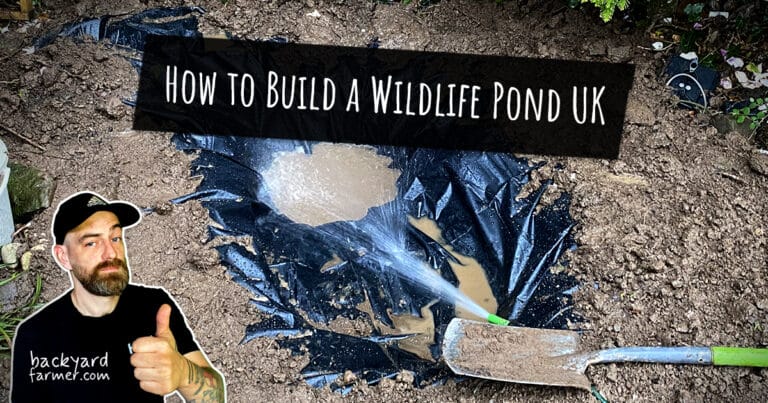
First, use a hosepipe, rope or spray paint to outline the shape of your wildlife pond.
Avoid perfect circles or rigid geometric designs. Instead, choose soft, flowing curves. Not only do they look more natural, but they also blend seamlessly into a wildlife‑friendly garden.
Before digging, stand back and check the shape from different angles. When you build a wildlife pond in the UK, small layout tweaks at this stage prevent bigger regrets later.
Step 2: Dig in Tiers for Proper Wildlife Pond Depth
Next, dig your wildlife pond in varied levels rather than one uniform depth.
Start with the shallow shelf (10–20cm deep). Then step down to the mid zone (30–40cm). Finally, create a deeper refuge area (50–60cm if space allows).
This tiered approach reflects best practice for wildlife pond depth in the UK, because it supports spawning amphibians, aquatic plants and year‑round temperature stability.
Make the shelves slightly wider than you think you need — marginal plants will sit here later.
Most importantly, include at least one long, gradual slope. Avoid steep vertical sides, as they restrict access and reduce the habitat value of your wildlife pond UK design.
Step 3: Remove Stones and Level the Base
Before laying anything down, remove sharp stones, thick roots and debris.
Even small stones can puncture a liner over time. Therefore, being thorough now protects the long‑term success of your wildlife pond in the UK climate.
If possible, use a spirit level across key edges. This prevents an uneven waterline once the pond fills — something that becomes surprisingly noticeable in a garden wildlife pond.
Step 4: Add Protective Underlay
Now lay a proper pond underlay or, at minimum, a thick cushioning layer of sand.
This protective layer shields the liner from punctures and significantly extends the lifespan of your wildlife pond UK installation.
It may not feel like the most exciting part of building a wildlife pond. However, it’s one of the most important.
Step 5: Install the Liner Correctly
Lay the flexible liner loosely over the hole.
Don’t stretch it tight.
Instead, allow it to settle naturally into the contours as you begin filling the wildlife pond with water. Creases are completely normal and won’t reduce biodiversity value.
As the weight of the water pulls the liner into place, gently guide it into the shelves and deeper refuge area.
When you build a wildlife pond in the UK, patience at this stage ensures a better long‑term result.
Step 6: Fill with Water (Rainwater Is Best)
Rainwater is ideal for a wildlife pond in the UK because it’s free from chlorine and closer to natural conditions.
However, if you use tap water, allow it to stand for a few days before adding plants. This gives chlorine time to dissipate and helps your wildlife pond establish more smoothly.
While the pond fills, adjust the liner carefully so it sits comfortably against the soil and tiers.
Step 7: Secure the Edges Naturally
Once the wildlife pond is full, trim excess liner — but leave a small margin in case adjustments are needed.
Then secure the edges using turf, soil, logs or flat stones. Where possible, avoid obvious paving or hard landscaping. Soft, planted edges look more natural and, importantly, improve access for wildlife.
A well‑finished edge makes a major difference to how your wildlife pond UK garden blends into its surroundings.
Step 8: Create Safe Wildlife Escape Routes
This step is essential when building a wildlife pond in the UK.
Ensure at least one gentle entry and exit point. Without it, even a well‑designed pond can become a hazard.
You can also add:
- Stacked stones forming a gradual ramp
- Partially submerged logs
- Dense marginal planting near shallow shelves
Safe escape routes are fundamental to a true wildlife pond UK design, particularly if hedgehogs, frogs or small mammals are present locally.
Step 9: Add Pond Plants Gradually
Now introduce a balanced mix of marginal plants, oxygenators and floating plants suitable for a wildlife pond in the UK.
Avoid overcrowding. Instead, plant lightly and allow the pond ecosystem to stabilise naturally.
Over time, aim for around 50–70% surface coverage. This balance helps regulate temperature, suppress algae and create shelter for amphibians and aquatic insects.
Choosing the right plants is one of the most important steps in building a successful wildlife pond UK gardeners can maintain easily.
Step 10: Let Wildlife Colonise Naturally
Finally, resist the temptation to add frogs, newts or spawn yourself.
If local populations exist, wildlife will find the pond naturally.
Typically, insects arrive first. Amphibians often follow during the next breeding season once they detect suitable habitat.
Allowing natural colonisation keeps your wildlife pond in the UK legally safe and ecologically balanced.
Building a wildlife pond in the UK isn’t complicated. However, careful attention to detail transforms a simple water feature into a functioning ecosystem.
Once the structure is complete, your main role is patience.
After that, nature takes over.
Does a Wildlife Pond in the UK Need a Pump or Filter?
This is one of the most common questions when planning a wildlife pond in the UK.
If you’re building a wildlife pond UK gardeners design for frogs, insects and native biodiversity — rather than ornamental fish — the answer is usually very straightforward:
No, a wildlife pond does not need a pump or filter.
Why a Wildlife Pond Works Without Equipment
A properly designed wildlife pond in the UK functions as a small, self‑regulating ecosystem.
- Aquatic plants oxygenate the water
- Microorganisms break down organic matter
- Insects and invertebrates help maintain ecological balance
When you build a wildlife pond in the UK with varied depths, appropriate planting and no fish, it gradually stabilises on its own.
By contrast, adding pumps and filtration systems can:
- Disturb amphibian spawn
- Create unnecessary water movement
- Increase maintenance and electricity use
- Shift the pond towards an ornamental setup rather than a true wildlife pond UK habitat
Still water is not a problem for a garden wildlife pond. In fact, most amphibians — including frogs and newts — actively prefer calm, undisturbed water for breeding.
Algae in a Wildlife Pond UK Garden – What’s Normal?
First of all, some algae is completely normal in a wildlife pond in the UK.
During the early months — particularly in spring — you may notice green water or string algae forming. However, this is usually part of the natural settling phase after you build a wildlife pond.
In most cases, algae levels reduce naturally once:
- Pond plants establish and begin absorbing excess nutrients
- Surface coverage increases (aim for 50–70%)
- The ecosystem matures and balances itself
Because of this, avoid chemical algae treatments in a wildlife pond UK setting. These products often harm aquatic invertebrates and disrupt the natural ecological balance you’re trying to create.
Instead, focus on simple, wildlife‑safe adjustments:
- Add more oxygenating plants
- Increase surface shade with floating species
- Remove excess organic debris by hand
- Avoid overloading the pond with nutrients
Over time, a well‑designed wildlife pond in the UK will usually regulate itself.
When Might Gentle Water Movement Help?
In very small wildlife ponds exposed to full sun all day, a subtle solar‑powered fountain can occasionally help reduce stagnation.
Even then, keep movement minimal. Strong currents are not suitable for a wildlife pond UK habitat and can interfere with amphibian breeding.
If frogs and other native species are your priority, still water remains the better option when you build a wildlife pond in the UK.
A wildlife pond in the UK isn’t meant to sparkle like a showroom water feature.
It may look slightly wild.
It may collect leaves.
It will change through the seasons.
That isn’t neglect.
That’s ecology at work in a functioning wildlife pond.
Best Plants for a Wildlife Pond in the UK
Choosing the right plants is one of the most important steps when you build a wildlife pond in the UK.
Plants are the engine of a wildlife pond UK gardeners rely on for natural balance. They oxygenate the water, provide shelter, create egg‑laying sites for amphibians and cast cooling shade. At the same time, they absorb excess nutrients, which naturally helps control algae.
As a rule of thumb, aim for around 50–70% surface coverage once your wildlife pond in the UK has established. This balance allows enough light in for healthy growth while preventing overheating and heavy algae blooms.
If you’re just starting out, keep it simple. Every successful wildlife pond UK design includes three core plant categories:
- Marginal plants (shallow edges)
- Oxygenating plants (submerged)
- Floating plants (surface cover)
Once you understand these three roles, planting a wildlife pond becomes far less confusing — and far more effective.
1. Marginal Plants for a Wildlife Pond UK Garden (0–20cm Depth)
Marginal plants grow around the edges and on shallow shelves of a wildlife pond in the UK. As a result, they provide cover for frogs and newts while offering landing spots for dragonflies and other pollinators.
Strong UK‑friendly choices include:
- Marsh marigold (Caltha palustris) – Early spring flowers that support pollinators and brighten pond edges.
- Water mint (Mentha aquatica) – Fragrant, vigorous and excellent for attracting insects.
- Purple loosestrife (Lythrum salicaria) – Tall, nectar‑rich and visually striking in summer.
- Water forget‑me‑not (Myosotis scorpioides) – Softens the margins and blends beautifully into a wildlife‑friendly garden.
Plant marginals in aquatic baskets using low‑nutrient aquatic compost. Rich compost may seem helpful; however, it usually fuels algae growth in a small wildlife pond UK setting.
2. Oxygenating Plants for Clear Water
Oxygenating plants live fully submerged, and they quietly do much of the ecological work in a wildlife pond.
They help maintain water clarity, compete with algae for nutrients and create underwater habitat for aquatic invertebrates. Consequently, they are essential when building a wildlife pond in the UK without pumps or filters.
Reliable beginner‑friendly options include:
- Hornwort (Ceratophyllum demersum) – A hardy, free‑floating oxygenator that establishes easily.
- Spiked water‑milfoil (Myriophyllum spicatum) – Fine foliage with strong habitat value.
In most wildlife ponds, you can simply drop oxygenators into the deeper section. They rarely require baskets and quickly adapt to UK conditions.
3. Floating Plants for Shade and Temperature Control
Floating plants sit on the surface of a wildlife pond UK gardeners design for balance. They reduce light penetration and, therefore, help regulate water temperature and suppress excessive algae.
Good UK‑suited choices include:
- Frogbit (Hydrocharis morsus‑ranae) – A native floating plant with excellent wildlife value.
- Water soldier (Stratiotes aloides) – Sinks in winter and rises again in summer, adding seasonal interest.
Even a small wildlife pond in the UK benefits from some surface cover. However, avoid covering the entire pond. Maintaining open water ensures amphibians can access the surface and dragonflies can land freely.
Plants to Avoid in a UK Wildlife Pond
When building a wildlife pond in the UK, avoiding invasive or overly aggressive species is just as important as choosing the right ones.
Some aquatic plants grow far too aggressively and can dominate a small wildlife pond within a single season.
Avoid introducing:
- New Zealand pygmyweed (Crassula helmsii) – Highly invasive and extremely difficult to eradicate once established.
- Parrot’s feather (Myriophyllum aquaticum) – Fast‑spreading and non‑native.
- Water hyacinth (Eichhornia crassipes) – Not reliably hardy in the UK and potentially invasive.
Always check plant labels carefully and buy from reputable UK suppliers. If you’re unsure about a species, pause and research before adding it to your wildlife pond UK garden.
Start Light and Let the Wildlife Pond Mature
When planting a wildlife pond in the UK, resist the urge to fill every gap immediately.
Instead, begin with a balanced mix across the three key plant categories. Then allow the pond ecosystem to settle naturally.
After one full growing season, you’ll see which plants thrive in your specific conditions. From there, you can adjust gradually.
Within a year, most wildlife ponds develop far more growth than expected.
And remember — a slightly wild, natural appearance isn’t a flaw.
It’s exactly what wildlife in the UK prefers.
Important: Invasive Aquatic Plants & UK Biosecurity Rules for Wildlife Ponds
Before you buy any plants for your wildlife pond in the UK, there’s something every gardener needs to understand.
Some aquatic plants are classified as invasive non‑native species. Once introduced into a wildlife pond UK garden, they rarely stay contained. Instead, they can spread into streams, rivers and wetlands. Over time, they cause serious ecological damage and outcompete native plants.
In fact, several invasive aquatic plants are now illegal to sell in the UK.
What’s more, even tiny fragments can regrow. Therefore, a single careless disposal from your garden wildlife pond can create a long‑term environmental problem.
That’s exactly why plant choice matters when you build a wildlife pond in the UK.
Invasive Aquatic Plants to Avoid in a UK Wildlife Pond
The following species are widely recognised as problematic in the UK and should never be introduced to a wildlife pond:
- New Zealand pygmyweed (Crassula helmsii) – Extremely invasive. It forms dense mats, outcompetes native species and is notoriously difficult to remove once established in a wildlife pond UK setting.
- Parrot’s feather (Myriophyllum aquaticum) – Fast-growing and non‑native, spreading aggressively if not controlled.
- Floating pennywort (Hydrocotyle ranunculoides) – Grows rapidly and can block entire waterways.
- Water fern (Azolla filiculoides) – Forms thick surface mats in nutrient-rich conditions, disrupting oxygen levels.
Some of these plants are listed under UK legislation that restricts their sale, planting or release into the wild. Others may still appear in garden centres. However, conservation organisations strongly discourage their use in any wildlife pond in the UK.
So before purchasing plants for your wildlife pond UK project, always double-check the full botanical name — not just the common label.
What’s Illegal — And What’s Simply Irresponsible?
Under UK law, it is illegal to plant or allow certain invasive aquatic species to spread into the wild.
It is also illegal to sell specific listed species.
However, even if a plant is not currently banned from sale, releasing pond plants, trimmings or pond water from your wildlife pond into natural waterways is illegal.
Never tip pond waste into rivers, lakes, ditches or surface drains. Although it may seem harmless, this practice allows invasive species to establish beyond your garden.
When you build a wildlife pond in the UK, you take on responsibility not only for your own space but also for the wider environment.
Simple UK Biosecurity Rules for Wildlife Pond Gardeners
Fortunately, protecting native biodiversity is straightforward.
Follow these practical biosecurity steps when maintaining your wildlife pond UK garden:
- Buy aquatic plants from reputable UK nurseries
- Avoid informal plant swapping between ponds
- Never compost invasive aquatic plants at home
- Allow removed plant material to dry out fully before disposal
- Clean tools, boots and equipment if moving between ponds
Individually, these steps may seem small. Collectively, however, they prevent major ecological damage.
A wildlife pond in the UK should support native species — not accidentally undermine them.
By choosing native‑leaning plants, avoiding invasive aquatic species and following basic UK biosecurity rules, you ensure your wildlife pond becomes part of the solution rather than part of the problem.
Common Mistakes to Avoid When Building a Wildlife Pond in the UK
A wildlife pond in the UK is simple in principle. However, a few common mistakes can quietly reduce its ecological value or create avoidable problems.
So before you build a wildlife pond in the UK, it’s worth knowing what not to do.
1. Making the Sides Too Steep in a Wildlife Pond UK Garden
Vertical drops might look tidy. However, they significantly reduce the habitat value of a wildlife pond.
Amphibians, hedgehogs and small mammals need gentle access in and out. Without it, even a well-built wildlife pond UK design can become a trap.
Instead, always include at least one long, sloping edge. A gradual wildlife escape route is essential when you build a wildlife pond in the UK.
2. Adding Fish to a Wildlife Pond in the UK
It’s a common temptation — but fish change everything.
They eat frogspawn, tadpoles and aquatic insects. As a result, biodiversity drops quickly and your wildlife pond becomes more ornamental than ecological.
If your goal is frogs and native wildlife, keep your wildlife pond UK project completely fish-free.
3. Overfilling a New Wildlife Pond With Plants
It’s tempting to create an instant, lush-looking wildlife pond.
However, overcrowding early on often leads to imbalance, poor oxygen levels and plant die-back. Aquatic plants need time to establish and compete naturally.
Start lightly when planting a wildlife pond in the UK. Then allow the ecosystem to settle and mature over the first growing season.
4. Using Chemicals to Control Algae in a Wildlife Pond UK Setting
Green water during the first season is completely normal in a wildlife pond in the UK.
Although it can look alarming, chemical treatments usually cause more harm than good. They damage invertebrates, disrupt natural balance and undermine the whole purpose of building a wildlife pond for biodiversity.
Instead, increase planting density gradually and aim for 50–70% surface coverage. In most cases, a well-designed wildlife pond corrects itself naturally.
5. Ignoring Depth Variation in a Garden Wildlife Pond
A flat-bottomed, uniformly shallow wildlife pond heats up quickly in summer and may freeze solid in winter.
By contrast, varied depths improve resilience throughout the UK climate.
So include shallow shelves (10–20cm), mid-depth planting zones and, where possible, a deeper refuge area (around 50–60cm). Depth variation is a core principle when you build a wildlife pond in the UK.
6. Placing a Wildlife Pond Directly Under Trees
A pond beneath a tree may feel sheltered. However, heavy leaf fall increases maintenance and nutrient build-up.
Over time, excess organic matter fuels algae growth and reduces water quality in your wildlife pond UK garden.
Instead, aim for partial sun — ideally around 4–6 hours daily — in an open but not fully exposed position.
7. Using High-Nutrient Compost in a Wildlife Pond
Standard garden compost is often too rich for a wildlife pond in the UK.
Excess nutrients encourage algae blooms and destabilise the ecosystem.
Use low-nutrient aquatic compost in planting baskets to keep your wildlife pond balanced and low-maintenance.
8. Releasing Pond Water or Plants Into the Wild
Never empty pond plants, trimmings or water from your wildlife pond into streams, rivers or ditches.
Even small fragments can spread invasive aquatic species. In some cases, releasing pond material is also illegal under UK law.
Always dispose of wildlife pond waste responsibly to protect local ecosystems.
9. Expecting Instant Frogs in a Wildlife Pond UK Garden
Frogs and newts rarely appear overnight.
Insects typically colonise first. Then, if local populations exist, amphibians often follow during the next breeding season once they detect a suitable wildlife pond in the UK.
Therefore, patience is essential when building a wildlife pond for biodiversity.
10. Trying to Make a Wildlife Pond Look Perfect
A wildlife pond in the UK is not meant to look like a polished ornamental water feature.
Leaves, stems and seasonal changes are part of a functioning ecosystem.
If your wildlife pond looks slightly wild, that’s usually a good sign.
In fact, the less you interfere with a well-designed wildlife pond UK garden, the better it often performs.
What Wildlife Will Arrive in a Wildlife Pond in the UK — And How Long Does It Take?
One of the most common questions when people build a wildlife pond in the UK is simple:
“How long before frogs show up?”
The honest answer is — it depends.
However, the encouraging part is this: a new wildlife pond in the UK rarely stays empty for long. Even a small wildlife pond UK garden project often begins attracting life within days.
First Visitors: Insects (Within Days to Weeks)
In most UK gardens, insects colonise a wildlife pond first.
You might notice:
- Pond skaters gliding across the surface
- Diving beetles exploring deeper water
- Midges and other aquatic larvae
- Dragonflies investigating by early summer
These species are highly mobile. In fact, many detect water from the air and quickly colonise even a small wildlife pond in the UK.
Although they’re easy to overlook, this early insect activity is essential. It establishes the food web that later supports amphibians, birds and other wildlife.
So if you’ve recently built a wildlife pond UK gardens can support naturally, insect life is your first clear sign that the ecosystem is beginning to function.
Frogs and Toads in a Wildlife Pond UK Garden (Often the Following Spring)
Amphibians usually take a little longer.
If frogs already live nearby — in neighbouring gardens, hedgerows or damp areas — they may discover your wildlife pond during seasonal movements.
However, breeding typically happens in spring. Therefore, if you build a wildlife pond in the UK during summer or autumn, frogspawn may not appear until the following year.
That’s completely normal.
Patience is essential when establishing a wildlife pond for frogs in the UK.
Equally important, resist the temptation to move frogs, newts or spawn from elsewhere. Transferring amphibians spreads disease and can disrupt local populations. Instead, allow wildlife to colonise your wildlife pond UK garden naturally.
Newts (A Strong Indicator of a Healthy Wildlife Pond in the UK)
If conditions are right, smooth or palmate newts may eventually arrive.
They prefer fish-free ponds with still water, varied depths and strong marginal planting — exactly what a properly designed wildlife pond in the UK provides.
Like frogs, newts usually appear once the habitat feels stable, undisturbed and well-established.
Seeing newts in a wildlife pond UK setting is often a strong sign that the ecosystem is functioning well.
Birds and Mammals (Often Almost Immediately)
Even before amphibians arrive, birds frequently begin using a wildlife pond in the UK for drinking and bathing.
Because shallow edges feel safer, small mammals may visit too — especially in gardens that already include hedgerows, log piles or compost areas.
Over time, your wildlife pond becomes part of a wider habitat network. It connects lawns, borders and sheltered areas into one functioning ecological space.
A Realistic Timeline for a Wildlife Pond in the UK
Although every garden behaves differently, many UK gardeners observe something like this after building a wildlife pond:
- Week 1–4: Insects colonise
- First summer: Dragonflies patrol regularly
- Following spring: Frogspawn appears (if local populations exist)
- Year 1–2: The wildlife pond ecosystem stabilises and biodiversity increases
Of course, no two wildlife pond UK gardens develop in exactly the same way.
However, once water exists, it sends a powerful ecological signal.
Water is increasingly rare in modern UK gardens.
And wildlife is constantly searching for it.
Do You Need Planning Permission for a Wildlife Pond in the UK?
If you’re planning to build a wildlife pond in the UK, this is a sensible and common question.
In most standard residential gardens, you do not need planning permission to create a wildlife pond.
A small, ground-level wildlife pond UK homeowners install for biodiversity usually counts as a permitted garden feature. Therefore, for the vast majority of UK gardeners, building a wildlife pond is straightforward and legally uncomplicated.
However, there are situations where it’s wise to double-check before you build a wildlife pond in the UK:
- If you live in a listed building
- If your property sits within a conservation area
- If you’re carrying out major landscaping alongside the pond
- If you’re adding raised pond structures
- If drainage systems, shared boundaries or neighbouring land could be affected
If you’re unsure, contact your local council’s planning department for clarity. A quick email can provide peace of mind before starting your wildlife pond UK project.
In most cases, though, a simple ground-level garden wildlife pond is perfectly acceptable.
Safety Considerations for a Wildlife Pond in the UK (Especially for Families)
Any open water feature carries responsibility — particularly where children spend time in the garden.
That said, building a wildlife pond in the UK does not automatically make your garden unsafe. Instead, it means you design it thoughtfully and with risk awareness.
Practical safety measures when creating a wildlife pond UK gardens can manage responsibly include:
- Designing shallow edges instead of steep drops
- Avoiding deep vertical sides
- Including at least one long, gentle slope as a wildlife escape route
- Supervising young children around water
- Installing a secure boundary fence if appropriate
For households with very young children, some gardeners temporarily install a strong metal grid just below the water surface until children are older.
Importantly, wildlife ponds in the UK do not need to be deep or large to function well. Even a modest wildlife pond can support frogs, insects and birds while minimising overall risk.
Thoughtful design benefits both wildlife and families.
Drainage and Flooding Considerations for a Wildlife Pond UK Garden
Finally, think carefully about water flow before you build a wildlife pond in the UK.
Avoid positioning your wildlife pond where heavy rainfall naturally collects from roofs, patios or driveways. Runoff often carries fertilisers, soil and pollutants directly into the water. Over time, this increases nutrient levels and encourages algae growth.
Instead, choose a slightly level area that receives around 4–6 hours of sunlight but is not directly beneath downpipes or drainage outlets.
Good positioning reduces maintenance and protects water quality in your wildlife pond UK garden.
From a legal perspective, building a wildlife pond in the UK is usually simple.
With sensible placement, safe edges and thoughtful design, a wildlife pond can be both secure for families and genuinely beneficial for local biodiversity.
Wildlife Pond UK – Best Practice Summary
If you only take one thing from this guide on how to build a wildlife pond in the UK, let it be this.
A successful wildlife pond UK gardeners create for biodiversity does not need to be complex or expensive. Instead, it simply needs a handful of proven principles applied consistently and with care.
When you build a wildlife pond in the UK using wildlife-first design, natural balance follows.
Here is your condensed best-practice checklist:
- Choose a sunny spot with around 4–6 hours of light per day for a healthy wildlife pond in the UK
- Avoid placing your wildlife pond directly under trees or beneath downpipes
- Create varied depths (shallow shelf, mid zone and a deeper refuge if possible) to suit UK conditions
- Include at least one long, gentle sloping edge so wildlife can enter and exit safely
- Keep the wildlife pond fish-free to protect frogs and aquatic insects
- Use a flexible liner if you want the most natural shaping and habitat value
- Fill with rainwater where possible to support a balanced wildlife pond UK ecosystem
- Aim for 50–70% plant surface coverage once the pond establishes
- Plant a balanced mix of marginals, oxygenators and floating plants
- Avoid chemical algae treatments in a wildlife pond in the UK
- Never release pond plants or water into natural waterways
- Check plant names carefully and avoid invasive aquatic species
- Allow frogs, newts and insects to colonise your wildlife pond naturally
- Most importantly, be patient — ecosystems take time to settle
A wildlife pond in the UK is not about perfection or polished edges.
Rather, it is about creating a small, stable patch of open water in a landscape where natural ponds are increasingly rare.
Even a modest wildlife pond UK gardens can support, when built thoughtfully and allowed to balance itself, can become one of the most ecologically powerful features in a British garden.
Frequently Asked Questions – Wildlife Pond UK
Below are some of the most common questions UK gardeners ask before they build a wildlife pond in the UK.
These answers summarise the key principles of creating a low-maintenance, wildlife-first wildlife pond UK gardens can support naturally.
When building a wildlife pond in the UK, aim for varied depths rather than one fixed measurement. A shallow shelf of 10–20cm supports marginal plants and frog spawning. A mid zone of 30–40cm improves temperature stability. Then, if space allows, include a deeper refuge of 50–60cm to protect wildlife during hot summers and freezing winter spells.
A wildlife pond in the UK does not need to be large. In fact, even a small wildlife pond around 1 metre across can support insects and amphibians. However, larger ponds tend to remain more stable and self-regulating over time. Ultimately, choose a size that fits your garden and that you can manage comfortably.
Rainwater is ideal for a wildlife pond UK project because it is softer and free from treatment chemicals. However, if you use tap water, let it stand for a few days before adding plants so chlorine can dissipate. This simple step helps your wildlife pond ecosystem establish more smoothly.
No — and this is important when you build a wildlife pond in the UK. Frogs and newts should colonise naturally. Moving amphibians or frogspawn can spread disease and disrupt local populations. Instead, focus on creating the right habitat conditions and allow wildlife to find your pond in its own time.
A healthy wildlife pond in the UK should not produce unpleasant odours. If you notice a bad smell, it usually indicates low oxygen levels or excess organic matter. In most cases, increasing plant coverage and removing debris restores balance quickly.
Not usually. A well-designed, fish-free wildlife pond with appropriate planting can regulate itself naturally. In fact, still water is often better for amphibians and aquatic insects than constantly circulated water.
Mosquito larvae rarely become a serious issue in a balanced wildlife pond UK ecosystem. Over time, aquatic insects, beetles and amphibians feed on larvae, which naturally keeps numbers under control.
Yes, provided you design it responsibly. Include shallow edges, avoid steep vertical drops, and supervise young children around open water. Even a small wildlife pond in the UK can be both safe and ecologically valuable.
Autumn and early spring are generally ideal. This timing allows the wildlife pond to settle before peak amphibian breeding season and supports stronger plant establishment.
Insects may arrive within days or weeks of building a wildlife pond in the UK. Amphibians often follow the next spring if local populations exist nearby. While results are not instant, wildlife usually responds faster than many gardeners expect.
Building a wildlife pond in the UK is less about perfection and more about patience.
Create the right conditions — and, in time, nature will respond.
Conclusion – A Small Wildlife Pond in the UK, A Real Difference
When I first dug a hole and filled it with water, I wasn’t trying to redesign the garden or create the perfect wildlife pond in the UK.
I simply wanted to give frogs somewhere safe to go.
However, over time, that small project grew into something far more meaningful.
The wildlife pond shifted the rhythm of the space. It added movement, sound and life. What began as a straightforward attempt to build a wildlife pond in the UK gradually became one of the most active and ecologically rich corners of the garden.
And the truth is — it doesn’t take much.
A modest wildlife pond.
A few UK-appropriate, native-leaning plants.
No fish.
No chemicals.
A gentle slope for safe wildlife access.
That’s enough.
In a landscape where natural ponds have steadily disappeared from modern UK gardens, adding one back becomes a quietly powerful act. As a result, your garden reconnects to the wider ecology — to hedgerows, neighbouring plots and the amphibians moving quietly between them.
You don’t need to build something elaborate to make a difference.
Instead, create water where there wasn’t any.
Then wait.
Because once a wildlife pond exists in the UK garden landscape, wildlife notices.
And if you’re lucky, one spring morning you’ll look out and see frogspawn drifting in the shallows. In that moment, you’ll realise that even a small wildlife pond in the UK can make a real and lasting difference.