
Growing onions in the UK is fairly simple once the basics are right. Most poor crops come down to wet soil, overcrowding, weak early growth or excessive nitrogen, so the key is getting plants established strongly before bulb formation begins.
Onion Sets or Seeds?
Both methods work, but they suit slightly different growers.
| Onion sets | Onion seed |
|---|---|
| Easiest way to start | Wider choice of varieties |
| Establish quickly | Lower risk of bolting |
| Good choice for beginners | Longer growing season |
| Less preparation | Requires more planning |
For most beginners, sets are the easiest option. Seed takes more planning but gives you a wider choice of varieties.
Where to Grow Onions
Onions perform best in an open, sunny position with free-draining soil.
Aim for:
- Full sun
- Open ground with good airflow
- Fertile soil that does not stay saturated
Drainage is particularly important in UK gardens. Onion roots do not cope well with sitting in cold, waterlogged ground.
Avoid adding fresh manure immediately before planting, and don’t over-enrich the bed with nitrogen.
On heavy or wet ground, raised beds can improve drainage. Containers also work well if the compost drains freely and is kept evenly moist.
Plan Your Onion Beds Before Planting
Onions are easy to grow in neat rows, but they can occupy valuable bed space for several months. Planning their position early helps you organise your growing area and make room for follow-on crops once the bulbs have been harvested.
Use the free Backyard Farmer Allotment Planner to map out your onion beds, organise neighbouring crops and keep track of your planting throughout the growing season.
When to Plant Onions
For most UK gardens, spring-planted onion sets go in from March to April, once the soil is workable. Seed can be started earlier indoors, while suitable overwintering sets can be planted in autumn.
For exact dates and month-by-month timings, see When to Plant Onions in the UK.
How to Plant Onions
Once the soil is ready, planting onions is simple.
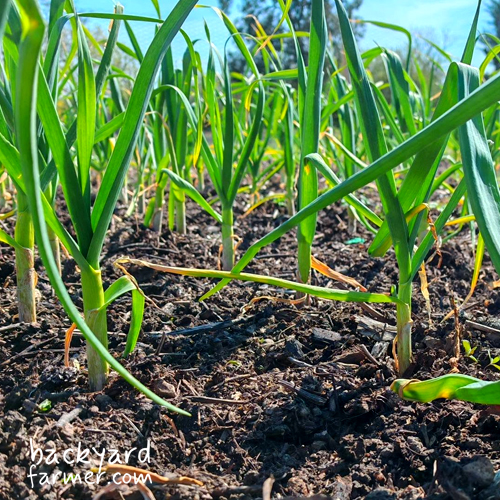
Spacing
For standard bulb onions, aim for roughly:
- 10cm between plants
- 30cm between rows
If you are growing very large bulbs, wider spacing can be useful.
Planting Onion Sets
Plant sets shallowly, with the pointed tip just visible above the soil surface.
Firm the soil gently around the base rather than forcing the set deeply into the ground. Deep planting can slow development and increase the risk of problems in wet soil.
My pick: Sturon AGM
A dependable onion set with good bolt resistance and reliable storage potential.
Sowing Onion Seeds
Sow onion seed around 1–1.5cm deep. Seed can be started indoors earlier in the year or direct sown once outdoor conditions are suitable. Keep the compost or seedbed evenly moist while seedlings establish.
My pick: Bedfordshire Champion
A traditional all-round onion with good flavour, solid yields and excellent storage.
Planting Onion Seedlings
Seed-grown onions can be raised individually or as multi-sown modules.
Once established:
- Harden seedlings off before planting outside
- Handle roots gently
- Plant at their existing depth
- Keep multi-sown clumps together where that is the method being used
Watering, Feeding and Weeding Onions
Once onions are established, care is fairly simple. The aim is steady growth without waterlogging or excessive feeding.
Watering
Onions prefer evenly moist soil while they establish and develop.
Rather than watering on a fixed schedule:
- Water during dry periods
- Keep the soil lightly moist rather than saturated
- Avoid repeatedly soaking already wet ground
Feeding
If the soil was prepared well, onions usually need little extra feeding. Where growth is weak, use a balanced feed early in the season. Once bulbs begin forming, reduce feeding and avoid high-nitrogen fertilisers, which encourage leaf growth at the expense of bulbs.
Weeding
Keep the onion bed reasonably weed-free, especially while plants are young. Onions have narrow leaves and relatively shallow roots, so heavy weed competition can reduce the light, water and nutrients available to the crop.
Hand weed carefully around the bulbs rather than disturbing the roots unnecessarily.
How Onions Form Bulbs
Onions do not form bulbs simply because they have been in the ground for a certain number of weeks.
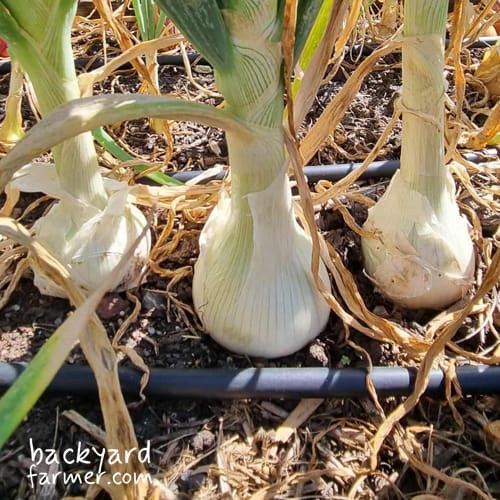
Two things matter particularly:
- Increasing day length
- Strong, healthy leaf growth earlier in the season
As days lengthen, suitable varieties shift from leaf growth into bulb development. The stronger and healthier the foliage is at that point, the better the final bulb is likely to be.
Each healthy green leaf helps feed the developing onion, which is why problems earlier in the season can affect final bulb size.
Why Onions Don’t Bulb Properly
Common causes include:
- Planting too late
- Too little sunlight
- Excess nitrogen
- Plants growing too close together
- Weak early growth
- A variety poorly suited to UK day length
Most bulbing problems therefore start earlier in the season, before the bulb itself is visible.
Common Onion Problems
| Problem | Likely cause | What to check |
|---|---|---|
| Small bulbs | Crowding, shade or weak early growth | Spacing and sunlight |
| Lots of leaves but little bulb | Excess nitrogen | Stop high-nitrogen feeding |
| Poor or stalled growth | Cold, wet soil | Drainage and soil condition |
| Bulbs not developing | Late planting or unsuitable variety | Timing and variety |
| Uneven plants | Competition or inconsistent moisture | Weeds, spacing and watering |
| Sets rot before growing | Cold or waterlogged soil | Drainage and planting conditions |
| Onions bolt | Cold checks, stress or oversized/poorly timed sets | Planting timing and stress |
When to Harvest Onions
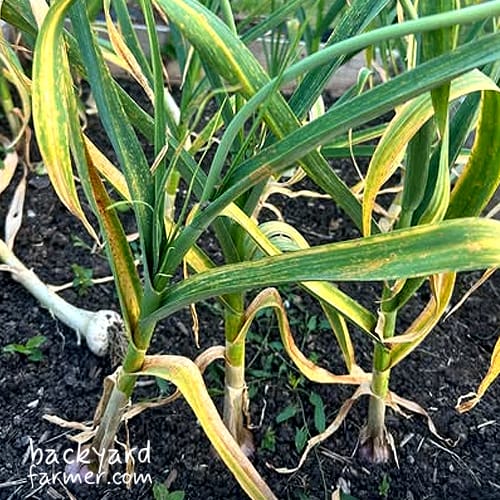
Once bulbs are mature, the foliage begins to yellow and fall naturally, and the neck above the bulb starts to soften.
Harvest timing can vary between plants, so you do not need to wait until every onion in the bed looks identical.
For the full readiness checks, lifting technique and UK harvest windows, see When to Harvest Onions in the UK.
Curing and Storing Onions
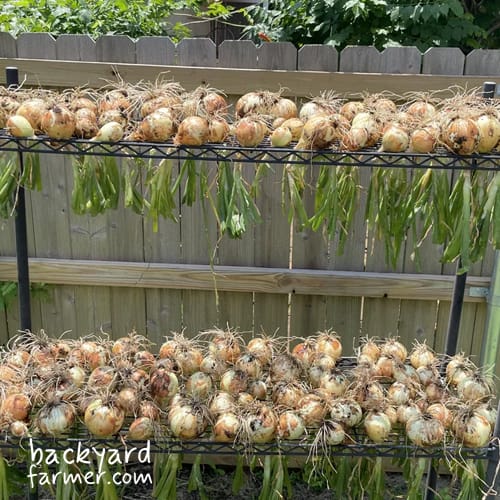
After lifting, allow sound onions to dry somewhere well ventilated and protected from persistent rain.
For storage:
- Let the skins and necks dry thoroughly
- Do not wash onions you intend to store
- Use damaged bulbs first
- Store only firm, healthy onions
- Keep them somewhere cool, dry and well ventilated
Proper curing improves storage life and helps prevent rot.
Want to complete the growing cycle? See How to Collect Onion Seeds for selecting, flowering, harvesting and storing your own seed.
Frequently Asked Questions
Onion sets are usually the easiest option for beginners because they establish quickly and need less preparation. Growing from seed takes longer but gives you a wider choice of varieties.
Common causes include too much nitrogen, overcrowding, insufficient sunlight, weak early growth or a variety poorly suited to UK day length. Bulb formation depends on both increasing day length and healthy foliage developed earlier in the season.
Onions usually need little extra feeding if the soil was prepared well. If growth is weak, a balanced feed can help early in the season. Avoid high-nitrogen fertilisers once bulbs begin forming.
Water during dry periods rather than following a fixed schedule. Aim to keep the soil evenly moist while plants are establishing and developing, but avoid waterlogging.
Bolting is often triggered by stress, including cold checks, poor growing conditions or oversized or badly timed sets. Keeping plants growing steadily reduces the risk.
Yes. Onions grow well in containers provided they receive plenty of sun and the compost drains freely. Keep the compost evenly moist without allowing it to remain saturated.
Cold, waterlogged soil is one of the most common causes. Improve drainage and avoid planting sets while the ground is saturated.