

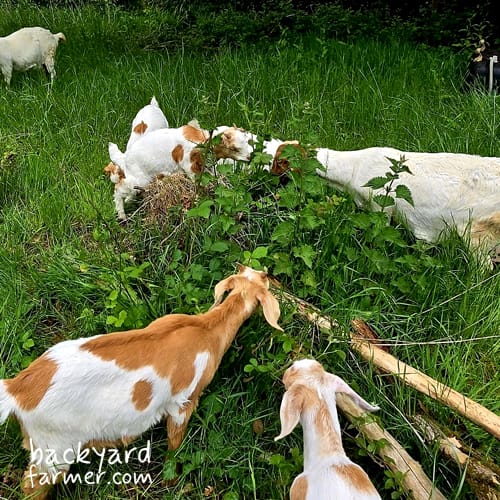
If you’ve ever stood in your garden and thought, “What if I had a little more land?” you’re not alone.
Most smallholders begin with raised beds, compost and perhaps a few hens. Over time, the ambition shifts from growing food to managing land.
Starting a smallholding means deciding what you want to produce, finding suitable land and planning for the time, infrastructure, legal responsibilities and costs involved. You do not need a large acreage, but you do need a realistic plan.
This guide covers the process step by step, from choosing land and checking planning restrictions to preparing infrastructure, registering livestock and starting at a manageable scale.
How Do You Start a Smallholding in the UK?
Start by deciding what you want the land to produce and how much time and money you can commit. This will determine the acreage, location and infrastructure you need.
Before buying or renting, check access, water, drainage, boundaries, lawful use and planning history. Agricultural land does not automatically include permission to build or live on it.
A sensible sequence is to:
- Define what you want to grow, keep or produce
- Set a realistic startup and annual budget
- Decide whether to rent or buy
- Assess the land and any legal restrictions
- Install fencing, water, shelter and storage
- Complete any required livestock registrations
- Start with one manageable enterprise and review it before expanding
You do not need a large acreage or an established farm. Many smallholders begin with a garden, allotment, rented field or a few acres. What matters is choosing a manageable scale and preparing the essential systems before taking on livestock or major costs.
What Is a Smallholding?
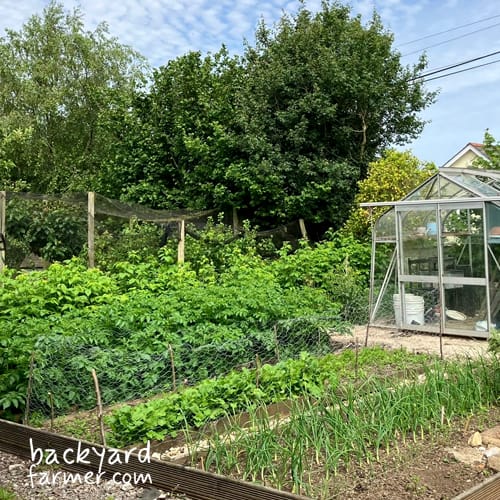
A smallholding is a relatively small area of land used for growing crops, keeping livestock or combining several rural enterprises. It usually sits between a productive garden and a full-scale commercial farm.
Some mainly support the household, while others generate income through produce, eggs, livestock or other products. They may be owned or rented and range from intensive sub-acre plots to holdings of several dozen acres.
Is There a Legal Definition?
There is no single modern definition covering planning, taxation and livestock law.
The Small Holdings and Allotments Act 1908 historically described a small holding as an agricultural holding of more than one acre and generally no more than 50 acres. In practice, authorities are more concerned with how the land is used, whether livestock are kept, what buildings are involved and whether commercial activity takes place.
How Big Is a Smallholding?
Many smallholdings are below 50 acres, but size alone does not determine what the land can support:
- Under one acre can suit intensive growing, poultry or bees.
- Several acres may allow orchards and limited grazing.
- Larger holdings offer more options but require more fencing, equipment and maintenance.
The shift from garden to smallholding is therefore not simply about acreage. It is about managing land as a productive system and taking responsibility for its access, water, boundaries, infrastructure and livestock.
How Much Land Do You Need for a Smallholding?
There is no minimum acreage. The amount you need depends on what you want to produce, the quality of the land and how intensively it will be managed.
A productive acre with good soil, water and access may be more useful than several acres of wet, exposed or poorly fenced ground.
| Land area | Potential uses | Main limitations |
|---|---|---|
| Under 1 acre | Intensive growing, poultry, bees, soft fruit, protected cropping and a small orchard | Limited grazing and little room for expansion |
| 1–5 acres | Larger growing areas, orchards, poultry systems, paddocks and potentially limited grazing | Stocking capacity depends on pasture, drainage and winter management |
| More than 5 acres | Broader grazing systems, forage production, woodland and mixed enterprises | Higher fencing, machinery and maintenance costs |
Under One Acre
A sub-acre holding can support substantial fruit and vegetable production, alongside poultry, soft fruit, protected growing, composting and rainwater storage.
Grazing animals are harder to manage because the ground can quickly become muddy or overgrazed.
One to Five Acres
This range allows more space for orchards, larger growing areas, poultry and separate paddocks. Limited grazing may also be possible where pasture, fencing, drainage and water are suitable.
Do not assume every five-acre plot can support sheep, goats or other livestock. Carrying capacity varies considerably.
More Than Five Acres
Additional land can provide room for grazing rotation, forage production, woodland or several enterprises. It also increases fencing, water, machinery and maintenance costs.
More acreage offers flexibility, but it does not automatically make a smallholding easier or more profitable.
What Matters More Than Acreage?
Assess whether the land has:
- Reliable access
- Secure water
- Suitable soil or grazing
- Effective drainage
- Sound fencing
- Shelter
- Useful lawful buildings
- A practical layout
The best holding is not necessarily the largest you can afford. It is the smallest area that can support your plans without exceeding your time, budget or experience.
Do You Need Planning Permission for a Smallholding?
You do not normally need planning permission to continue the lawful agricultural use of land. However, permission or prior approval may be required for new buildings, changes of use, accommodation or other development.
Agricultural Land and Residential Use
Buying agricultural land does not give you an automatic right to build a home or live on it. A smallholding with an existing lawful dwelling is different from bare agricultural land.
Before buying or renting, confirm:
- The lawful use of the land and buildings
- Whether previous development was approved
- Whether planning conditions or enforcement issues apply
- Whether your plans involve a change of use
Descriptions such as “smallholding,” “amenity land” or “equestrian land” do not confirm the planning position.
Can You Live on a Smallholding?
You can live on a smallholding where it includes accommodation with lawful residential use. Placing a caravan, cabin or mobile home on agricultural land does not automatically make residential occupation lawful.
In England, permission for a rural-worker dwelling may be considered where there is an essential need for someone to live near the enterprise. This is a specific planning exception, not a general route to building on agricultural land.
Agricultural Buildings
Some agricultural buildings and works may qualify as permitted development, but these rights have limits. The holding’s size, the development and its location can affect what is allowed, and prior approval may still be required.
Do not assume that barns, field shelters, tracks or hardstanding can be added without checking first.
Before Committing to Land
Check the planning history and speak to the relevant planning authority about your proposed buildings, activities and accommodation. Seek written advice where planning permission is essential to the holding.
Planning systems differ across England, Wales, Scotland and Northern Ireland. Confirm the position before buying and never base a major investment on permission that has not yet been granted.
CPH Numbers and Livestock Registration
Before bringing livestock onto a smallholding, you may need to register the land, register as the keeper and prepare species-specific records. Requirements differ across England, Wales, Scotland and Northern Ireland, so follow the official guidance for where the animals will be kept.
What Is a CPH Number?
A County Parish Holding number identifies the land or buildings where livestock are kept and helps authorities trace animals during disease outbreaks.
In England, a CPH number is required before keeping regulated livestock such as cattle, sheep, goats or pigs. It identifies the holding rather than the owner and does not:
- Grant planning permission
- Confirm the land is suitable for livestock
- Replace keeper registration
- Replace identification or movement records
Keepers may also need to register with the Animal and Plant Health Agency and obtain a flock or herd mark.
Poultry and Captive Birds
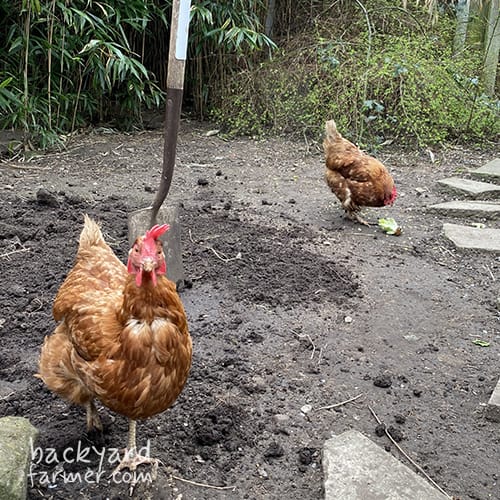
Chickens, ducks and other captive birds use a separate registration process.
In England and Wales, keepers must generally register within one month of acquiring birds, including small flocks and pet birds. Limited exemptions apply to certain birds kept entirely indoors.
Scotland operates its own kept-bird register.
Identification and Records
Depending on the species, you may need to:
- Use approved identification
- Maintain a holding, flock or herd register
- Record births and deaths
- Report movements on and off the holding
- Keep movement documents
- Record veterinary medicines and withdrawal periods
Medicine records for food-producing animals must generally be retained for at least five years.
Before Animals Arrive
- Confirm the land or tenancy allows the intended livestock
- Check the rules for your part of the UK
- Obtain the appropriate holding number
- Register as the keeper and obtain any flock or herd mark required
- Prepare identification, movement and medicine records
- Confirm how the animals’ arrival must be reported
Complete the administration before arranging transport. Requirements vary by species and can change, so check current government guidance shortly before purchasing animals.
Essential Smallholding Infrastructure Before Livestock
Livestock should only arrive once the holding has secure boundaries, reliable water, suitable shelter and safe handling facilities. Trying to build the system after animals arrive creates unnecessary cost, stress and welfare risks.
The exact setup depends on the species, number of animals and condition of the land, but the following essentials should be in place first.
Safe Access
The holding must remain accessible throughout the year.
Check that:
- Feed, bedding and livestock trailers can reach the site
- Gates are wide enough for deliveries and machinery
- Tracks remain usable in wet weather
- A vet or emergency vehicle could reach the animals
- Shared access rights allow your intended activities
Cheap land can become expensive if supplies must be carried by hand or vehicles cannot reach it reliably.
Reliable Water
Livestock need constant access to clean drinking water. Streams and ponds should not be the only source because they may become contaminated, frozen or unreliable during dry periods.
Your system may include mains water, storage tanks, troughs, portable containers or pipework between paddocks. Keep a backup supply and position water points where they can be cleaned and refilled without creating persistent mud.
Secure Fencing
Fencing must suit the livestock you intend to keep. A boundary that contains sheep may not contain goats, pigs or poultry.
Inspect:
- External boundaries
- Gates and latches
- Fence height and spacing
- Weak points beside hedges, ditches and buildings
- Rotten posts, damaged wire and ground-level gaps
Internal fencing may also be needed to divide paddocks, rest grazing or protect orchards and growing areas. Electric fencing can support rotational management, but it should not replace a secure outer boundary where animals could reach roads or neighbouring land.
Housing and Shelter
Housing should provide:
- Protection from severe weather
- Dry resting areas
- Adequate ventilation
- Safe access
- Predator protection where needed
- Surfaces that can be cleaned and maintained
Inspect existing barns and sheds carefully. Leaking roofs, unsafe floors or poor ventilation can make them unsuitable for livestock. Check the planning position before adding new structures or changing how a building is used.
Feed and Equipment Storage
Feed and bedding need dry, secure storage protected from pests, livestock and contamination.
You will also need space for feeders, drinkers, hurdles, fencing tools and cleaning equipment. Storage should remain accessible during winter and be large enough for the supplies you intend to keep.
Handling and Isolation
Even a small number of animals may need to be caught, inspected, treated or loaded for transport.
Depending on the species, this may require:
- A secure catching pen
- Gates or hurdles
- Non-slip handling space
- Trailer access
- A separate area for new, injured or unwell animals
Plan how you would isolate and handle an animal before an emergency arises.
Manure and Waste
Decide in advance where manure, used bedding and waste feed will go.
The storage area should be accessible but positioned to avoid runoff into watercourses, contamination of feed and unnecessary problems with neighbours. You should also have a plan for veterinary waste and fallen stock where relevant.
Emergency Cover
Prepare for water failure, damaged fencing, escaped animals, severe weather and veterinary emergencies. Keep contact details for your vet, nearby livestock keepers, suppliers and anyone able to provide holiday or emergency care.
Infrastructure Checklist
Before livestock arrive:
- Confirm safe access
- Establish a reliable water supply
- Secure the boundaries
- Install any necessary internal fencing
- Prepare housing and shelter
- Create dry storage
- Set up handling and isolation areas
- Plan manure and waste management
- Arrange emergency and holiday cover
It is better to delay buying livestock than to introduce them to a holding still waiting for essential fencing, water or shelter.
What Is the Best Livestock for a Beginner Smallholder?
There is no single best first animal. The right choice depends on your land, fencing, available time, budget and access to suitable veterinary support.
For many beginners, chickens are more manageable than grazing livestock. However, every animal requires daily care, appropriate infrastructure and compliance with relevant registration and record-keeping rules.
| Livestock | Main requirements | Beginner suitability |
|---|---|---|
| Chickens | Predator-proof housing, secure run, daily food and water | Often the most manageable starting point |
| Ducks | Housing, clean water, good drainage and mud management | Manageable, but usually messier than chickens |
| Sheep | Suitable grazing, stock fencing, handling facilities and health care | Possible with experienced support |
| Goats | Strong fencing, dry shelter, suitable feeding and regular handling | Usually not the simplest first livestock |
Poultry
Chickens can suit gardens, orchards and larger holdings while providing eggs and manure. They still require secure housing, daily care, regular cleaning and reliable holiday or emergency cover.
Ducks have similar needs but generally create more mud and water-management work. Both chickens and ducks must also meet the relevant bird-registration requirements.
Grazing Livestock
Sheep may suit beginners with suitable pasture, secure fencing, handling facilities and experienced support. They also require ongoing health care, identification and movement records, plus shearing where appropriate.
Goats are usually more demanding. They need especially secure fencing, dry shelter, careful feeding and regular handling, and can damage trees and growing areas if access is not controlled.
Do not introduce livestock until the holding has secure boundaries, reliable water, suitable shelter and a plan for daily and emergency care. Where these are not yet in place, crops, fruit or an orchard may be a better first enterprise.
Begin with one species and a manageable number of animals, then review the workload and costs before expanding.
How Much Does It Cost to Start a Smallholding?
There is no single startup cost. A sub-acre holding with poultry may be relatively affordable, while several acres with buildings, livestock and machinery can require substantial investment.
The total depends on:
- Buying or renting the land
- Preparing it for your intended use
- Covering the ongoing running costs
Land may be the largest purchase, but fencing, water, access and building repairs can make a cheaper holding expensive to establish.
Main Smallholding Costs
| Cost area | What to include | Cost type |
|---|---|---|
| Land | Purchase price, rent, deposit or finance | Upfront or ongoing |
| Professional fees | Conveyancing, surveys, searches, planning advice and taxes | Mainly upfront |
| Fencing and gates | Boundary repairs, livestock fencing, paddocks and gates | Upfront with maintenance |
| Water and access | Troughs, tanks, pipework, pumps, drainage and tracks | Mainly upfront |
| Buildings and storage | Repairs, shelters, poultry housing and feed stores | Upfront with maintenance |
| Livestock setup | Animals, transport, feeders, handling equipment and initial feed | Mainly upfront |
| Animal care | Feed, bedding, veterinary care, shearing and identification | Ongoing |
| Tools and machinery | Hand tools, mowers, trailers, equipment hire and contractors | Upfront and ongoing |
| Insurance and utilities | Insurance, electricity, water and fuel | Ongoing |
| Contingency | Veterinary emergencies, failed fencing and urgent repairs | Reserve fund |
Buying or Renting Land
Costs vary by location, acreage, access, buildings, planning status and whether a lawful dwelling is included.
A purchase budget may also need to cover legal fees, surveys, finance costs, taxes and immediate repairs. Agricultural land may be cheaper than residential property, but this does not mean it can be built on or lived on.
Renting reduces the initial commitment, but the agreement should clearly state who is responsible for fencing, water, buildings and improvements.
Infrastructure and Livestock
Fencing is one of the most commonly underestimated costs. Reliable water and year-round access may also require troughs, tanks, pipework, pumps, drainage or track repairs.
The animals themselves may cost less than the system required to keep them. Include housing, fencing, transport, feed storage, handling equipment and veterinary care before purchasing livestock.
Tools and Running Costs
Small horticultural holdings may rely mainly on hand tools, while larger sites may need mowers, trailers or machinery. Hiring equipment or using contractors can be cheaper than owning machinery used only occasionally.
Ongoing costs may include:
- Rent or finance
- Feed and bedding
- Veterinary treatment
- Insurance and utilities
- Fence and building repairs
- Machinery servicing
- Additional winter feed
Prepare Three Budgets
Before committing to land, calculate:
- Acquisition: land, legal fees, surveys and finance
- Setup: fencing, water, access, buildings and equipment
- Annual running: feed, veterinary care, insurance, utilities and maintenance
Keep part of your capital as a contingency. The most affordable smallholding is not necessarily the one with the lowest asking price, but the one whose access, water and infrastructure allow you to carry out your plans without unmanageable costs.
Frequently Asked Questions
There is no fixed acreage required. A sub-acre holding can support intensive fruit and vegetable growing, poultry, bees or a small orchard, while grazing livestock usually require more space. Land quality, drainage, water, fencing and winter management are often more important than the number of acres alone.
You do not necessarily need planning permission to grow crops or keep livestock on land already lawfully used for agriculture. Permission may be required for new buildings, residential occupation, commercial activities or a change in how the land or existing buildings are used.
Check the lawful use and planning history before buying or renting.
Not automatically. Buying agricultural land does not give you the right to build a house, place residential accommodation on it or live there permanently.
A holding with an existing lawful dwelling is different from bare agricultural land. Permission for a new rural-worker home generally requires strong evidence that living near the enterprise is essential.
In England, you generally need a County Parish Holding number for land or buildings where regulated livestock such as cattle, sheep, goats or pigs will be kept, including animals kept as pets or as a hobby. It can normally be requested up to six weeks before the livestock arrive.
Separate procedures apply across Wales, Scotland and Northern Ireland.
Conclusion
Starting a smallholding begins with a clear plan, not the largest piece of land you can afford. Decide what you want to produce, assess the time and money available, and choose land with suitable access, water, drainage and infrastructure.
Before committing, confirm the lawful use and planning position, then install essential fencing, shelter and storage before livestock arrive. Complete any required registrations and begin with one manageable enterprise.
Start at a scale you can sustain, keep accurate records and review the first year before expanding. A smaller, well-run holding is usually more practical than a larger setup that exceeds your time, skills or budget.