Wirral Coast Wildlife: Habitats, Protected Species & What It Means

The Wirral coastline is one of the most ecologically valuable stretches of land in North West England. From shifting sand dunes to tidal estuaries, it supports a mix of habitats that are increasingly rare — and difficult to replace once disturbed.

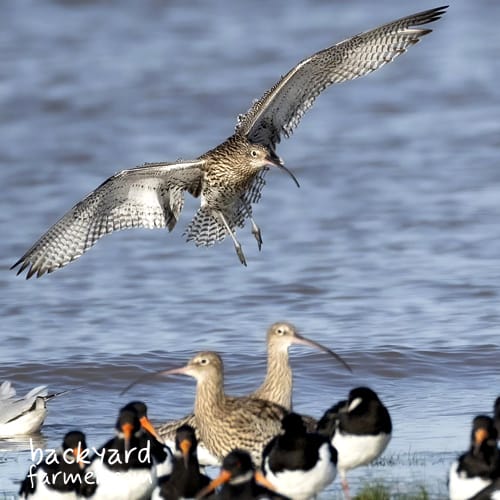
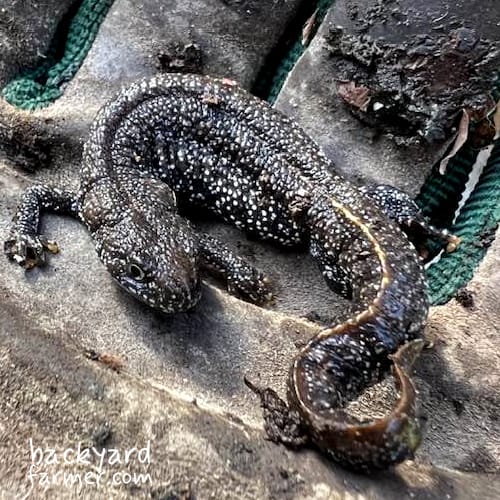
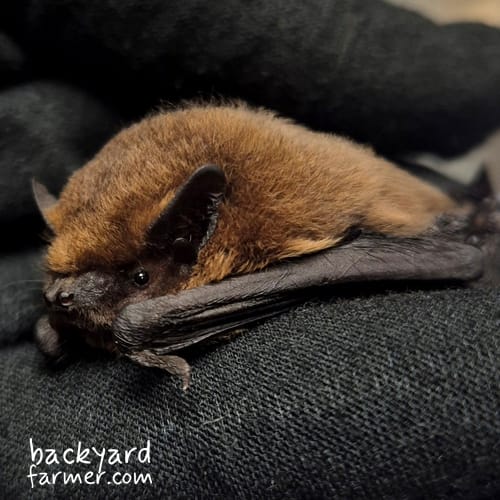
The Wirral coast supports a range of wildlife, including natterjack toads, coastal birds such as curlews, great crested newts, and multiple bat species. These species rely on habitats like sand dunes, estuaries, and wetlands to survive.

With new infrastructure projects proposed across the region, there’s growing interest in how development interacts with these landscapes. This guide breaks down what actually exists here, which species matter most, and what it means in practical terms.

Wirral Coast Habitats: Dunes, Estuary & Wetlands

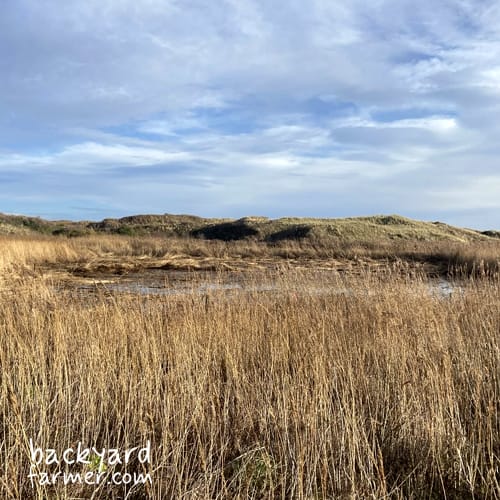
Wirral coastal slacks habitat protected

Coastal Sand Dunes and Dune Slacks

  • Found around Hoylake, West Kirby, and towards the Sefton coast
  • Seasonal pools = critical breeding habitat
  • Fragile water balance (rainfall + groundwater dependent)
Saltmarsh and Estuary Edges​

Saltmarsh and Estuary Edges

  • Dee Estuary = internationally important coastal ecosystem
  • Feeding and breeding grounds for waders and migratory birds

Wetlands, Ponds and Farmland Edges

  • Often overlooked but important for biodiversity
  • Support amphibians such as great crested newts and foraging bats

Why These Habitats Matter Together

Looking at each habitat on its own only gets you so far.

Once one part shifts, it tends to show up somewhere else — sometimes slowly, sometimes all at once.

Once you start noticing how these pieces fit together, it becomes a lot clearer why some parts of the Wirral coast are more sensitive than they first seem.

Protected Species on the Wirral Coast

The Wirral coast has a mix of protected species, but they’re not all equal when it comes to how fussy they are about habitat.

Some will put up with a bit of change. Others won’t. A few need things just right — and once that’s gone, it’s hard to get back.

That difference is what really matters on the ground.

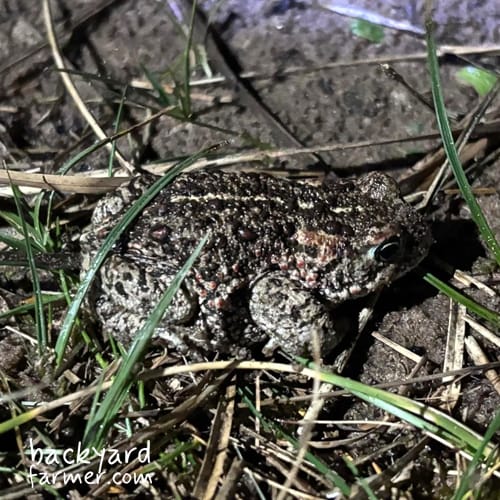
Natterjack Toads

Natterjack toads are one of the rarer amphibians in the UK and they’re very tied to the dune system.

  • Like shallow, temporary pools (dune slacks)
  • Need open, sandy ground to move and breed
  • Don’t cope well with changes in water levels

If you’ve seen those pools after a dry spell, you’ll know how quickly they can disappear.

It doesn’t take much to throw them off. Once the water or ground changes, the toads tend to disappear with it.

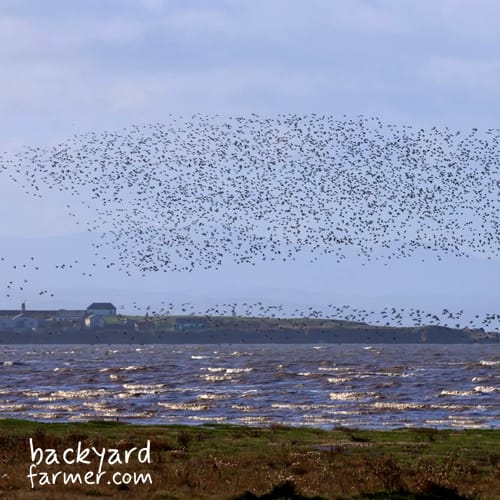
coastal birds wirral

Coastal Birds (Including Curlew)

Along the Dee Estuary and the wider coast, there’s a steady flow of coastal and migratory birds.

  • Curlews and other waders need quiet feeding ground
  • A lot of birds are just passing through on long routes
  • They react quickly to noise and regular disturbance

At times it can look empty, but there’s usually more going on than you think.

Birds can move, but that doesn’t mean they’ve got better places to go. Push them off often enough and they stop using the area.

Great Crested Newts

Great crested newts turn up in more places than people expect — ponds, ditches, damp corners of fields.

  • Use both water and the surrounding land
  • Quite common in the right spots locally
  • Still legally protected

If you spend time around ponds, you’ll start to notice the kind of places they like.

They do cause surveys and paperwork, but compared to more specialised species, they’re usually easier to work around.

Bats

There are a few bat species around the Wirral, using both the coast and inland areas.

  • Stick to hedgerows and tree lines to move around
  • Feed over fields, wetlands, and edges
  • Don’t like bright lighting or broken-up cover

Once you start watching at dusk, you see how fixed their routes are.

They’re well protected, but most projects already plan for them — things like dark corridors and adjusted lighting are pretty standard now.

Why Species Differences Matter

It’s easy to lump all protected species together, but it doesn’t really help.

That’s why certain species — especially the ones tied to fragile coastal spots — carry more weight when decisions get made.

Once you see how they behave in real conditions, it’s easier to understand why some parts of the Wirral coast are much more sensitive than they look.

Legal Protections for Wirral Coast Wildlife (Plain English)

Wildlife and habitats on the Wirral coast aren’t just important — they’re legally protected.

That sounds straightforward. In reality, it’s what drives how projects get planned, slowed down, or changed. It’s the bit that decides what can go ahead — and what can’t.

The Key Laws (Simplified)

Wildlife and Countryside Act 1981

  • Protects wild animals, plants, and habitats across the UK
  • Makes it illegal to kill, injure, or disturb certain species
  • Covers nesting birds and specific habitats too

Put simply, you can’t just clear a bit of land and crack on if wildlife’s using it.

Habitats Regulations

  • Adds another layer of protection for certain habitats and species
  • Covers what are known as European Protected Species
  • Includes natterjack toads, bats, and great crested newts

This is where things tighten up. Once these species are involved, everything gets looked at more closely.

What Developers Have to Prove

If a project could affect protected species or coastal habitats, there are three tests to get through.

1. There is no satisfactory alternative

It can’t realistically be done somewhere else.

2. There is a clear public benefit

There needs to be a solid reason for doing it

3. Wildlife will not be harmed long-term

Populations need to stay stable, or recover

Miss one of these, and things usually start to stall.

What This Means in Practice

On the ground, this tends to play out in a few familiar ways.

Sometimes it’s fairly straightforward. Other times, it drags on or forces bigger changes than people expect.

The Bit People Often Miss

This is where it gets a bit more real.

Not all habitats — or species — are treated the same.

That’s why certain parts of the Wirral coast carry more weight when decisions get made.

Why This Matters for the Wirral Coast

The Wirral coast ticks a lot of boxes at once.

Because of that, anything proposed here tends to get looked at more closely from the start.

Once you’ve seen how this works in practice, it’s easier to understand why some projects go ahead with changes — while others hit delays or pushback.

How Development Affects Wirral Coast Wildlife

Development on or near the Wirral coast never really stays in one place.

Because these coastal habitats are tied together, even small changes tend to show up elsewhere. If you’ve worked on land yourself, you’ll know how one tweak — drainage, soil movement, even people walking the same line day after day — can slowly shift things.

It’s the same here, just stretched out across a bigger area.

That’s usually why projects don’t just roll through. They slow down, get changed, or end up with extra conditions bolted on.

Direct Impacts on Coastal Habitats

Some effects are obvious straight away.

  • Habitat gets removed during construction
  • Noise and movement disturb what’s already there
  • Ground gets altered — sometimes more than expected

In places like dunes or wet ground, it doesn’t take much to throw things off balance.

Indirect and Long-Term Effects

Other changes creep in more slowly, but they often matter more.

  • Water levels shift without anyone really noticing at first
  • Natural movement — like sand or tides — gets interrupted
  • Habitats get split into smaller bits

You might not see it straight away, but over time it can make areas less usable for Wirral coast wildlife.


Disturbance to Wildlife

Even if the land looks the same, wildlife doesn’t always stick around.

  • Birds move off feeding or nesting areas
  • Amphibians stop breeding if water conditions aren’t right
  • Bats lose their usual routes if lighting or cover changes

It’s not always about losing habitat completely — sometimes it’s just enough pressure to push things elsewhere.

Seasonal Sensitivity

Timing matters more than people think.

  • Spring and summer are when most breeding happens
  • Migration periods are key for coastal birds
  • Amphibians depend on pretty specific conditions at the right time

That’s why work often gets paused or shifted depending on the season.

Mitigation: What Is Usually Proposed

To reduce the impact, developers usually put forward things like:

  • Creating or restoring habitat
  • Moving species where possible
  • Adding corridors or buffer zones
  • Tweaking lighting and working times

It helps on paper. In reality, it doesn’t always land quite the same way.

The Reality on the Ground

Most projects don’t get stopped outright. They just get shaped along the way.

  • Adjusted — layouts change to avoid sensitive spots
  • Delayed — more surveys or mitigation needed
  • Conditioned — strict rules during the work itself

The more sensitive the area, the more complicated it tends to get.

Why This Matters for the Wirral Coast

The Wirral coast isn’t simple — it’s a set of linked habitats and species all leaning on each other.

That’s why small changes can travel further than expected, and why work here usually needs a bit more thought than people first assume.

Once you’ve seen it play out a few times, it’s easier to understand why some areas are treated more carefully than others.

Why Habitat Replacement Isn’t Always Simple

On paper, creating new habitat sounds simple enough. In reality, it rarely works out that neatly — especially on a coastal stretch like the Wirral.

If you’ve ever tried sorting poor soil or getting a new bed established, you’ll know it doesn’t just fall into place. Habitats are the same — just slower, and a lot less forgiving.

Habitats Are Built Over Time

Natural habitats don’t just appear — they build up bit by bit.

  • Soil structure improves gradually
  • Plants come in stages, not all at once
  • Small changes in shade, moisture, and exposure build over time

In reality, you’re talking years — often decades before something starts to feel established again.

The Importance of Water and Ground Conditions

Water usually calls the shots.

Coastal habitats depend on fairly exact conditions:

  • Groundwater sitting at the right level
  • Wet and dry cycles happening at the right time
  • Water moving through the land as it should

It doesn’t take much to throw this off. You’ll have seen it yourself — ground that stays too wet or dries out too fast quickly stops supporting what it used to.

Species-Specific Challenges

Not everything reacts the same way.

  • Some species will tolerate a bit of change
  • Others won’t hang around unless things are spot on

Natterjack toads are a good example. They need shallow, short-lived pools and open sandy ground — and those conditions are awkward to recreate properly, never mind keep consistent.

Connectivity Matters

Habitats don’t sit on their own — and wildlife doesn’t either.

  • Species move between feeding, breeding, and shelter spots
  • Hedgerows, damp ground, and field edges link everything together

Put something in the wrong place, or cut it off, and it might look fine on paper — but it won’t really function.

Time Lag and Uncertainty

Even when things go well, there’s usually a gap.

  • New areas don’t work straight away
  • Species take time to find and use them
  • Results vary year to year depending on weather and conditions

Meanwhile, if the original habitat’s already gone, numbers can dip before anything recovers.

What This Means in Practice

Habitat replacement can work — but it’s never a sure thing.

On the ground, it usually means:

  • Keeping an eye on it for years, not months
  • Stepping in to manage things when they drift
  • Tweaking it as conditions change

From experience, it’s rarely a one-hit fix.

Why This Matters for the Wirral Coast

The Wirral coast isn’t simple — it’s a mix of linked habitats, all leaning on each other.

That’s why replacing what’s lost is harder than it sounds. Most of the time, it makes more sense to avoid damaging it in the first place.

Once you’ve spent time building up even a small patch of decent ground, it’s pretty obvious why these places aren’t easy to replace once they’re knocked back.

Latest Updates on the Wirral Coast and Development

This page will be updated as things shift — planning decisions, surveys, and anything that actually changes on the ground.

Over time, that gives a clearer picture of what’s really happening, not just what’s been proposed. If you’ve followed any kind of land work before, you’ll know it rarely sits still for long.

Recent Updates

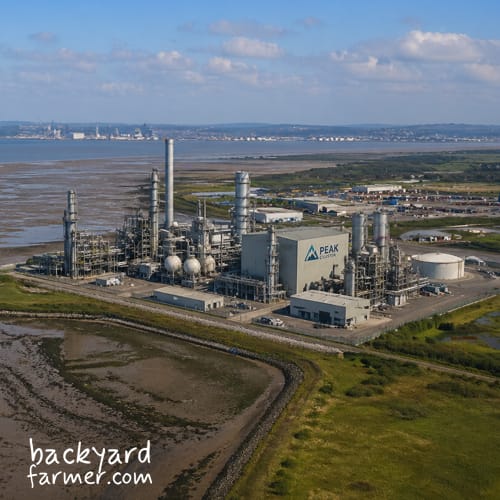
Initial plans for the pipeline and associated infrastructure have now been outlined, including a proposed route across parts of the Wirral.

At this stage, details are still fairly broad. However, it gives a clearer idea of which areas could be affected.

In practical terms, this is where things start moving from concept into something that will be properly assessed.

Based on the current stage of the project, ecological surveys are likely to take place over the spring and early summer.

This is the time of year when most species are active, so it’s when surveys tend to happen.

If protected species are present, this is usually when they get picked up.

There are several areas along or near the proposed route with ponds, ditches, and damp ground.

These spots don’t always stand out, but they tend to be the kind of places that support amphibians and other wildlife.

Even without confirmed records, this sort of ground usually gets looked at more closely during surveys.

Recent weeks have seen a noticeable increase in bird activity along the estuary, particularly during low tide.

From a distance it can still look quiet, but there’s a lot going on once you stop and watch for a bit.

This is a key feeding period, so regular disturbance here tends to have more of an impact.

Some parts of the proposed route appear well-drained, while others hold water for longer — especially after rain.

You see it clearly when walking the ground: some patches dry quickly, others stay soft or damp.

These differences matter later, particularly if drainage or ground levels are changed.

At this stage, it’s unlikely the proposal will stay exactly as it is.

Routes often shift slightly, and details get refined as surveys and assessments come in.

Most projects like this get adjusted rather than pushed through unchanged.

Final Thoughts on Wirral Coast Wildlife

The Wirral coast isn’t just a nice bit of scenery — it’s a working system.

From dunes and estuary edges down to the smaller bits — ponds, ditches, field edges — it all plays a part. Knock one piece out, and it tends to show up somewhere else, sooner or later.

What really stands out isn’t just the protected species themselves. It’s how tied they are to very specific conditions — the kind that don’t come back quickly once they’re gone.

In simple terms, understanding how the ground behaves matters just as much as knowing what’s living there.

As land use shifts and more development comes forward, that kind of understanding becomes more useful. Not just for big decisions, but for how things are handled day to day.

If you’ve spent any time working outdoors, you’ll know how small changes build up over time. This guide is here to help make sense of that — without dressing it up.

Scroll to Top