
An allotment is a separate plot of land rented mainly for growing fruit, vegetables, flowers and other plants. Most are managed by councils, allotment associations or private landowners.

As a UK allotment holder, a member of the Cheshire Smallholders Association and someone whose work has been published in the National Allotment Society magazine, I have seen how the history of allotments still shapes the way plots are used and managed today.
Although allotments feel like a familiar part of British life, the system did not begin with one law or at one clear moment. It developed gradually as common land was lost, towns expanded and households without useful gardens needed somewhere to grow food.
What Is an Allotment?
Each allotment plot is normally let to an individual tenant rather than cultivated as one shared space. Unlike a private garden, it is separate from the home, and unlike a community garden, the tenant is responsible for their own piece of ground. It is also much smaller and less commercial than a smallholding.
Rules vary between sites, but tenants are usually expected to cultivate the plot, control weeds and prevent it from becoming neglected. Sheds, greenhouses, livestock and other features may be allowed, depending on the tenancy agreement.
Why Are They Called Allotments?
The name comes from land being divided and allotted into separate portions. In earlier systems, including enclosure awards, plots could be formally assigned to particular people or households for cultivation.
Over time, the word became closely associated with small rented growing plots. It does not refer to a particular crop, law or movement. It simply describes the arrangement: a larger area of land is divided into smaller plots, with each one allocated to an individual tenant.
Before the Modern Allotment
Households were cultivating separate pieces of land long before the modern allotment system appeared. In medieval villages, open fields were divided into strips worked by individual families, while common land provided grazing, fuel and other useful resources.
Rural households also relied on cottage gardens, and small rented plots appeared near some towns. These included detached town gardens and guinea gardens, used for growing, recreation or a mixture of both.
These arrangements helped shape the allotment tradition, but they were not one continuous national system. Medieval strips formed part of a wider farming structure, common rights varied locally, and some town gardens were mainly for leisure.
It is more accurate to see them as predecessors to the modern allotment: earlier ways of giving households access to land rather than allotments as we know them today.
Enclosure and the Loss of Growing Land
Enclosure reorganised much of Britain’s common and open-field land into clearly defined areas under individual ownership. Some enclosure awards set aside small plots for local people, but many poorer households lost access to grazing, firewood and land that had helped support them.
Without those rights, landless labourers became more dependent on wages and had fewer chances to grow food of their own. Field gardens and labourers’ plots offered a limited way to restore some access, usually through small rented areas used for vegetables and household food.
The General Inclosure Act 1845 recognised this need by allowing land to be reserved as field gardens for the labouring poor. It was an important step because it placed access to growing land within national legislation.
However, it did not create a complete allotment system overnight. Provision remained uneven and often depended on local decisions, landowners and the way individual enclosure awards were applied.
From Rural Field Gardens to Urban Allotments
As industrial towns expanded during the eighteenth and nineteenth centuries, more people moved into crowded housing near factories, mills and mines. Many working families had little or no garden space, making it difficult to grow food of their own.
Small rented plots helped fill that gap. Fruit, vegetables and sometimes livestock could supplement low wages, while the plot offered useful outdoor work away from cramped streets and long hours indoors.
Land was provided by charities, churches, employers, private owners and local groups. Some wanted to improve diets and living conditions, but the motives were not always purely generous.
Victorian supporters also promoted allotments as a form of self-help and respectable recreation. They believed working the land encouraged thrift, discipline and good behaviour while keeping workers away from pubs and political unrest.
Urban allotments therefore offered real household support, but they also reflected wider Victorian ideas about morality, work and social order.
How Allotments Became a Council Responsibility
Early allotments relied largely on private landowners, charities, churches and employers choosing to provide land. Access varied widely, and many areas had too few plots for the people who wanted them.
The Allotments Acts of 1887 and 1890 began shifting responsibility towards local government, giving councils stronger powers to acquire and provide land where private supply fell short.
The Small Holdings and Allotments Act 1908 became the main foundation of the modern council system in England and Wales. Councils were expected to consider local demand and provide enough plots where they believed demand existed.
Further protection followed after the First World War. The Allotments Act 1922 strengthened tenancy and compensation arrangements, while the 1925 Act made land formally held for allotments harder to dispose of.
This created an important distinction. Statutory allotment land is acquired or formally set aside for allotments and receives stronger protection. Temporary allotment land is held for another purpose but used for plots in the meantime.
Together, these laws turned allotments from patchy local provision into a recognised public responsibility.
Allotments During the First World War
The First World War placed heavy pressure on Britain’s imported food supplies, particularly as attacks on merchant shipping disrupted deliveries. Councils responded by bringing parks, railway land, vacant plots, building sites and other unused ground into cultivation.
The expansion was rapid. Allotment numbers in England and Wales rose from around 674,000 in 1914 to approximately 1.5 million by 1918, providing valuable fresh vegetables as food became scarcer and more expensive.
Women also took on a larger role, cultivating plots of their own or maintaining those left by husbands and relatives serving in the forces.
However, many wartime plots stood on temporary land. Once the war ended, owners wanted it back for housing and other uses, leaving tenants with little security. This helped drive the stronger tenancy protections introduced during the 1920s.
Dig for Victory and the Second World War
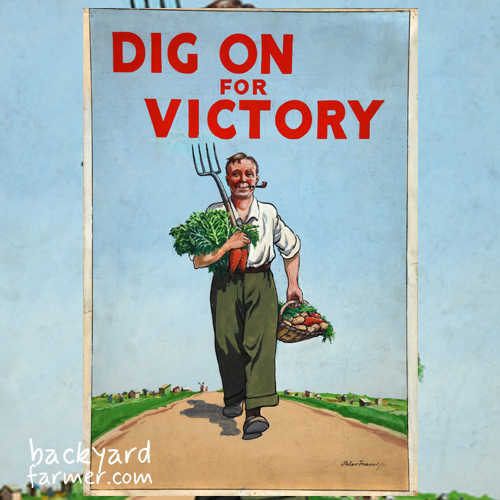
When the Second World War began, Britain again faced disrupted imports and pressure on its food supply. The government’s Dig for Victory campaign encouraged households to turn every suitable piece of ground into productive growing space.
New plots appeared in parks, sports grounds, beside railway lines and on unused urban land, while private gardens were dug up for reliable crops such as potatoes, onions and carrots.
Allotment numbers in England and Wales rose from 814,917 in 1939 to 1,399,935 by 1943, making them an important part of the wider domestic food effort.
Some wartime figures combine allotments with private gardens and other cultivated land, so totals need treating carefully. Allotments did not feed Britain on their own, but they supplied valuable fresh produce during rationing and kept practical food-growing skills alive when they were needed most.
Post-War Decline
After the Second World War, allotment numbers fell sharply. Many wartime plots stood on temporary land that was later returned to parks, sports grounds, housing and other planned uses. Growing towns also needed space for roads and redevelopment, making underused sites attractive building land.
Development was only part of the decline. Commercial food became easier to buy, rising prosperity reduced the need to grow at home, and changing work and leisure patterns left some people with less time for a plot. Many existing tenants were also growing older without enough new growers replacing them.
As demand weakened, neglected plots made some sites appear expendable, encouraging further closures. Allotment numbers in England and Wales fell from around 1.1 million in 1950 to an estimated 600,000 by the late 1960s.
The decline reflected both the loss of land and a wider change in how people lived, worked and bought their food.
The Modern Allotment Revival
Interest in allotments began to recover during the 1970s and grew more strongly from the 1990s. Organic food, local produce, rising food prices and concern about food security all renewed the appeal of growing at least some food at home.
For many people, allotments offered more than vegetables. They provided outdoor space, practical skills and a degree of self-reliance, particularly for households without a useful garden. Gardening television, books and later online communities also introduced plot growing to a new generation.
Demand rose again during the COVID-19 period, when access to outdoor space and local food production became more important.
The difficulty is that demand has returned faster than lost allotment land has been replaced. Waiting times vary widely, and some sites have long lists. To create more plots, many councils and associations now divide traditional full plots into smaller half, quarter or starter plots that are easier for beginners to manage.
How Big Is an Allotment?
A traditional full allotment is usually described as a ten-rod or ten-pole plot. This is roughly 250 square metres, often around 10 metres by 25 metres, although real plots vary in shape and size.
The wording can be confusing because a rod is also a unit of length. On allotments, however, “ten rods” usually means about ten square rods rather than a strip ten rods long.
Many sites now offer smaller half plots, quarter plots, starter plots, raised beds or irregular sections created from available land. These are easier for beginners to manage and allow more people to move off waiting lists.
A full plot can produce a substantial amount of food, but it will not automatically feed a household for a year. Results depend on the soil, time available, crop choices, growing skill and how well the harvest is stored.
How Allotments Work Today
Most allotment holders pay an annual rent and may need to join a waiting list before a plot becomes available. Tenants then sign an agreement setting out how the land can be used and the standard expected of them.
Some sites are managed directly by councils, while others are run by allotment associations. Tenants are usually expected to cultivate a reasonable part of the plot, control weeds and prevent it from becoming neglected. Inspections may be used to identify abandoned or poorly maintained plots.
Sheds, greenhouses, polytunnels, compost bins and rainwater collection may be allowed, depending on local rules. Hens, rabbits and bees may also be permitted, but welfare requirements and site restrictions vary.
Allotments are mainly intended to provide food for the tenant and household, although surplus produce can often be shared. Permanent residence and commercial use are generally prohibited.
England and Wales still rely largely on the historic Allotments Acts, while Scotland has a separate framework under the Community Empowerment (Scotland) Act 2015. Northern Irish councils operate under separate legislation and have more discretionary powers.
Rules vary, so tenants should always check their own tenancy agreement before adding structures, keeping animals or making major changes.
Planning an Allotment
A full allotment can be deceptively large, and beginners often try to clear and plant too much in the first season. It is usually better to start with an area you can realistically maintain and expand gradually.
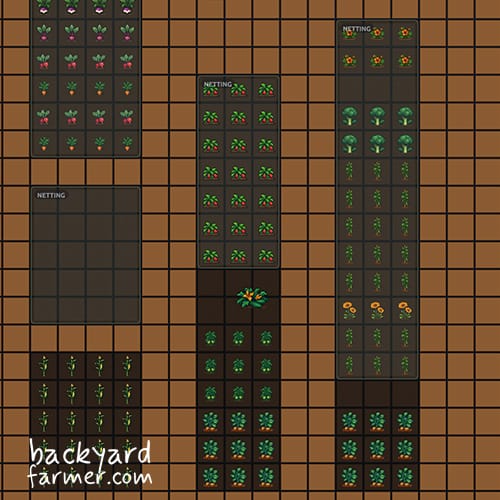
Plan permanent paths first, then position beds, composting, water storage and perennial fruit. Begin with a few reliable crops rather than filling every available space.
Laying out the plot before clearing everything can prevent wasted work and avoid moving paths or beds later. An allotment planner helps test different layouts, while planting calendars, crop-rotation guides and a simple plot diary make it easier to decide what to grow and track what has already been done.
Why Allotments Still Matter
Allotments provide affordable growing space for people who may not have a useful garden of their own. They offer fresh seasonal food, practical skills and a reason to spend regular time outdoors.
Well-used sites also add valuable green space to built-up areas. Compost heaps, ponds, hedges, fruit bushes and flowering crops support wildlife, while experienced plot holders pass on local knowledge that might otherwise be lost.
Allotments cannot replace commercial farming or provide everything a household needs, but they can make people a little more resilient and more connected to how food is grown.
The basic idea remains simple: give ordinary people an affordable piece of land and the freedom to make productive use of it.
Final Thoughts
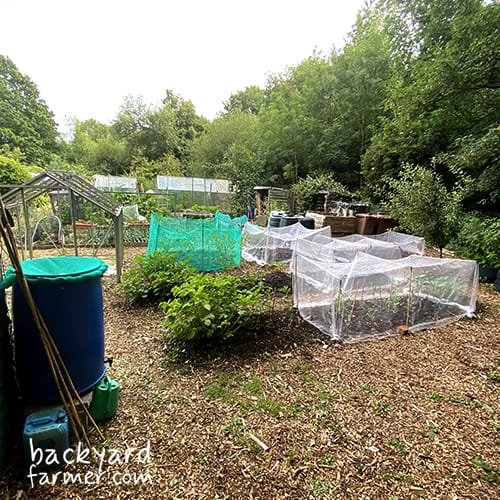
British allotments were not created by one law or movement. They developed gradually from older systems of divided land, rural field gardens, Victorian reform and the need to grow more food during wartime.
Their role has changed, but the basic arrangement remains practical: divide available land into manageable plots and rent them to people who want to grow.
Today, an allotment may provide fresh food, exercise, wildlife habitat or simply somewhere to slow down. Its history helps explain why that small piece of ground still matters.
Frequently Asked Questions
An allotment is a piece of land rented to an individual, usually for growing fruit, vegetables, flowers and other plants.
A traditional full plot is around ten square rods, or approximately 250 square metres. Many sites now offer smaller half, quarter or starter plots.
Many sites are owned by local councils, but allotments may also belong to private landowners, charities, trusts or associations.
No. Allotments are intended for cultivation and recreation, not permanent residence. Overnight stays may also be restricted.
Allotments are mainly intended to provide food for the tenant and household. Spare produce can often be shared or sold occasionally, but local rules vary and running a commercial growing business is normally prohibited.
Contact your local council or a nearby allotment association. Application systems, rents and waiting times vary, so it is worth checking several local sites.