Wildlife Gardening in the UK
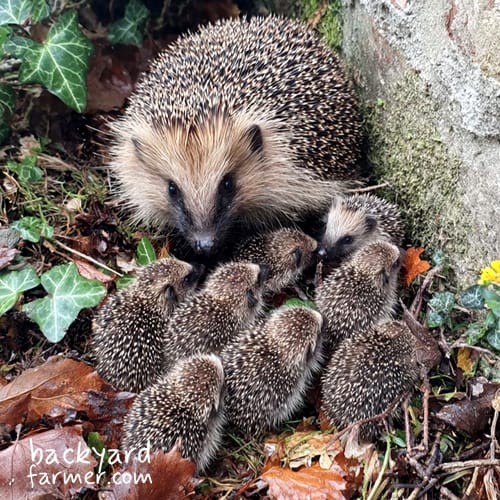
Wildlife gardening in the UK is simply about making space for nature again. It is about creating practical, sustainable habitats that support birds, bees, hedgehogs and beneficial insects right outside your back door. Whether you have a small terrace, a suburban lawn or a semi‑rural plot, a wildlife-friendly garden can strengthen local biodiversity and reconnect fragmented habitats.
This hub brings together my core guides on wildlife gardening, habitat design and supporting specific species. If you are just getting started, begin with the full cornerstone guide below and build from there.
→ How to Attract Wildlife to Your Garden
Wildlife Gardening Foundations
At its heart, wildlife gardening in the UK comes down to four simple things: food, shelter, water and low disturbance. When those elements work together, your garden shifts from something that just looks green to something that genuinely functions as wildlife habitat.
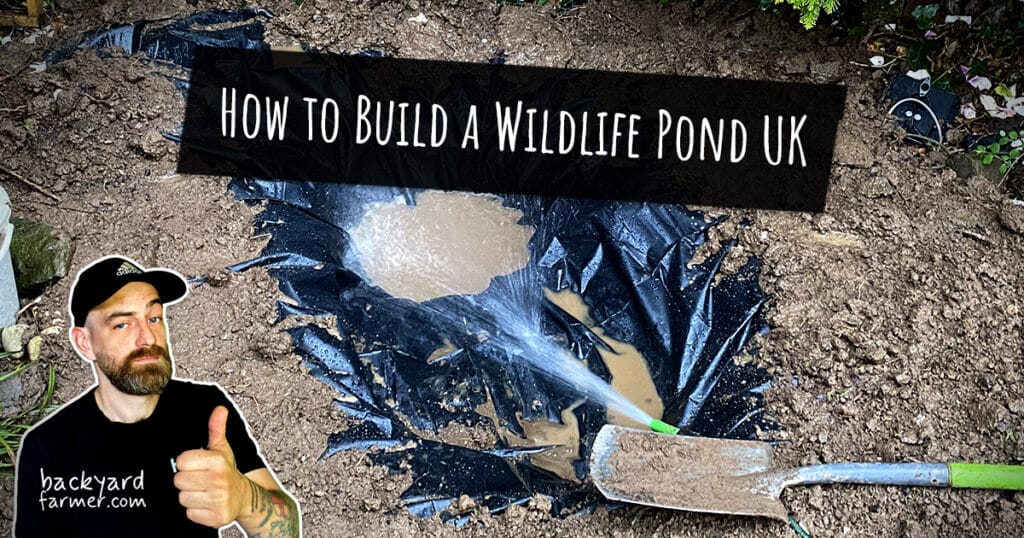
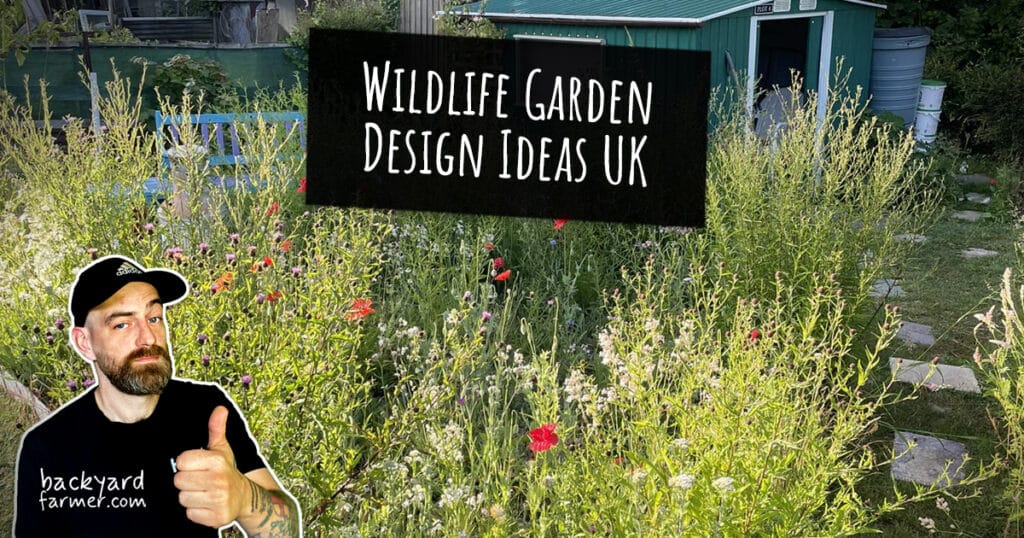
If you want to build a wildlife-friendly garden UK gardeners can realistically maintain (without turning it into a jungle), start with these core guides:
Together, these resources show you how to design a wildlife habitat garden in the UK that balances structure with biodiversity — so it feels intentional, not neglected.
Support Specific Wildlife
Once the basics are in place, you can start supporting particular types of garden wildlife in the UK. Small, targeted improvements often bring quicker results and help your whole ecosystem settle into balance.
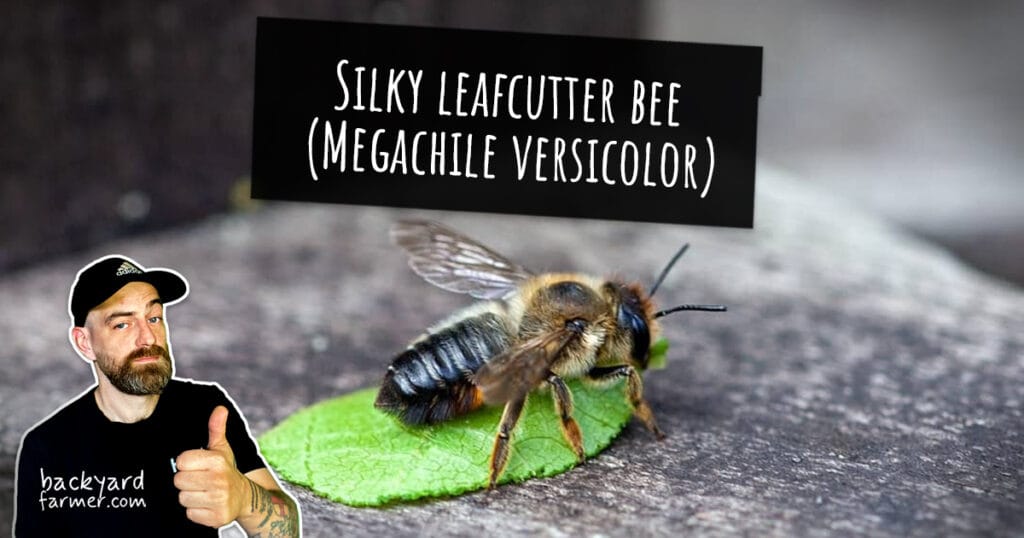
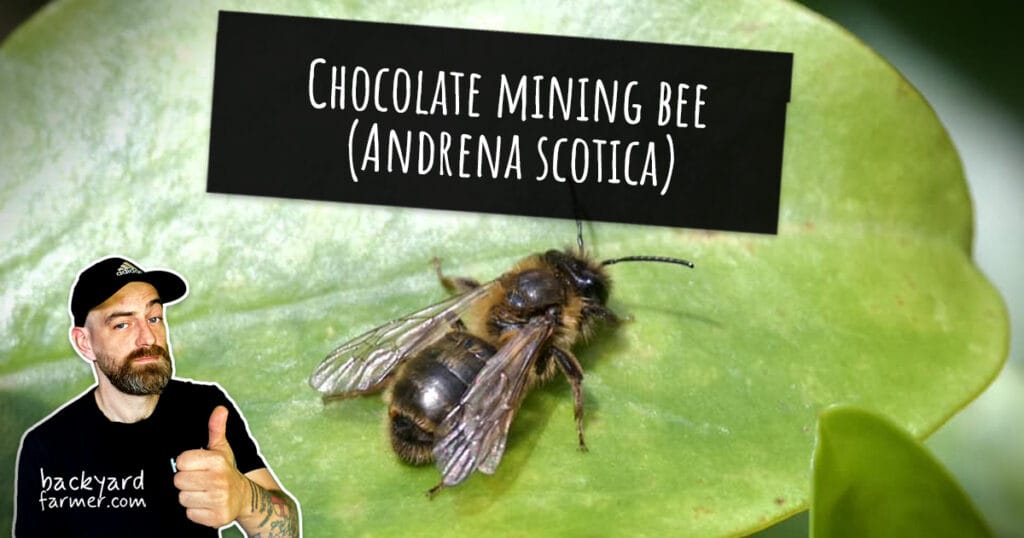
Bees & Pollinators
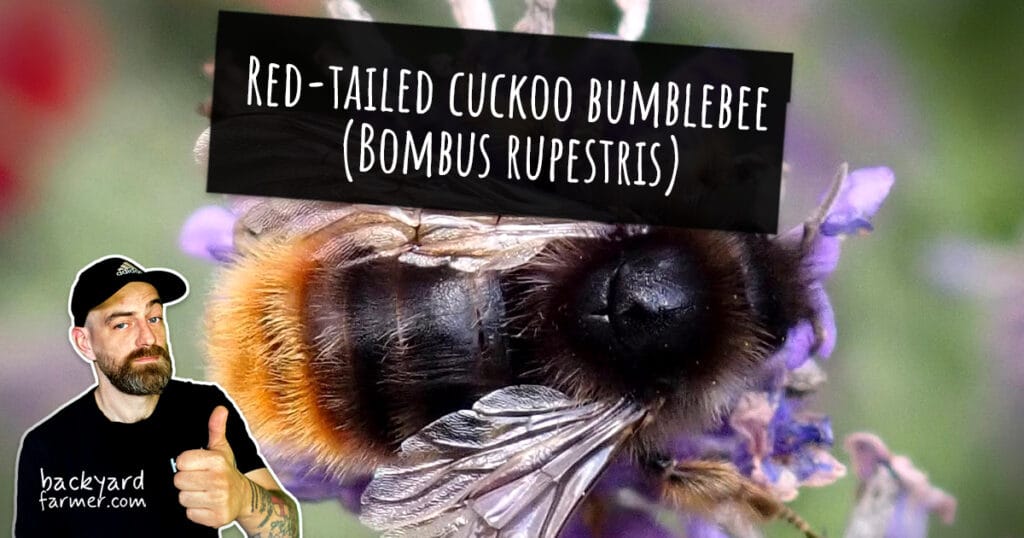
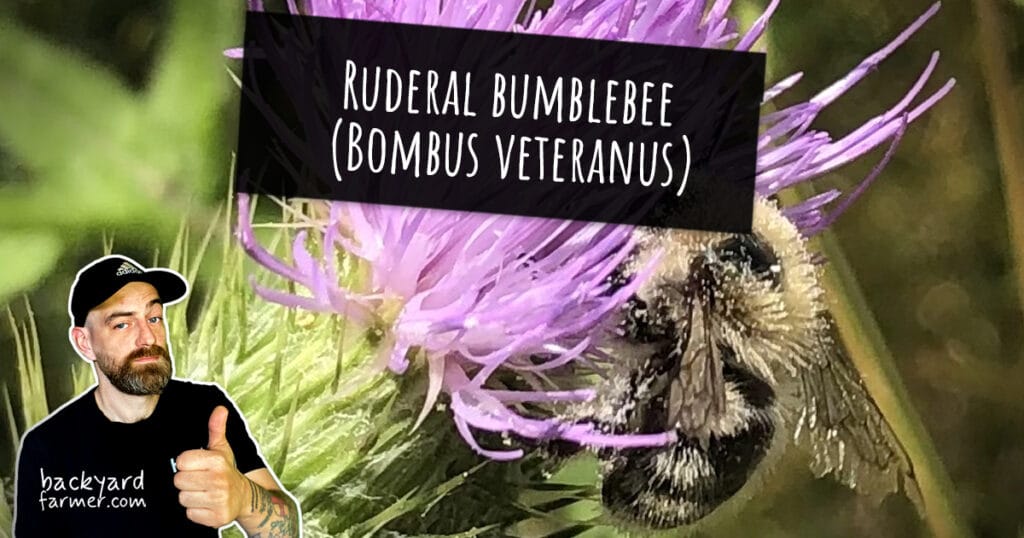
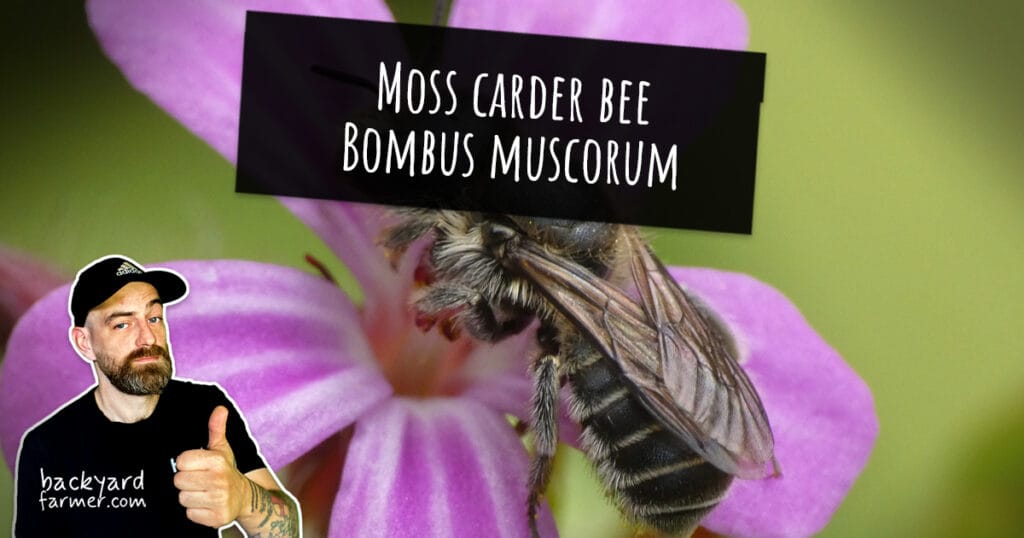
Pollinators sit at the heart of wildlife gardening. A pollinator-friendly garden UK gardeners build with thoughtful seasonal planting supports biodiversity far beyond one fence line.
Beneficial Insects
Beyond bees and butterflies, many insects quietly provide natural pest control. Encouraging these species strengthens sustainable wildlife gardening practices and reduces the need for chemicals.
Habitat Features That Increase Biodiversity
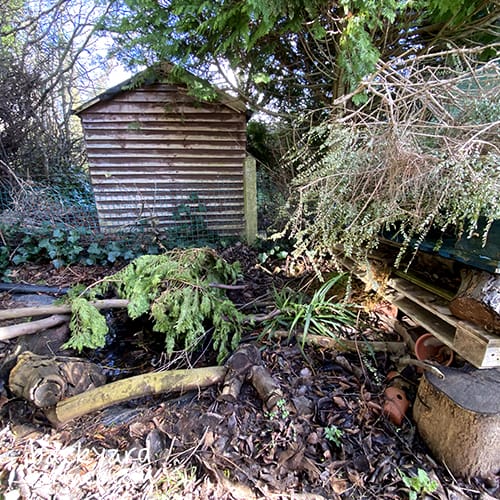
Often, it is the structural features that make the biggest difference to UK garden biodiversity. When you combine planting with physical habitat elements, wildlife responds surprisingly quickly.
Explore practical habitat guides:
These additions support insects, amphibians and birds while strengthening your overall wildlife-friendly garden design.
Seasonal Wildlife Gardening
Wildlife gardening in the UK is not static. The needs of birds, insects and mammals shift through the seasons. Supporting wildlife year-round keeps food and shelter available when it matters most.
Seasonal guides (expanding cluster):
By adjusting your approach with the seasons, you build long-term resilience into your garden ecosystem rather than relying on one-off efforts.
Start Here: 5 Simple Actions
Building a Strong Wildlife Gardening Resource
Wildlife gardening in the UK is not about perfection. It is about making steady, intentional improvements that allow nature to settle back in. When multiple households adopt wildlife-friendly practices, neighbourhoods begin to function as connected habitat networks rather than isolated lawns.
Use the guides above to design a wildlife habitat garden in the UK that balances structure, sustainability and ecological value. As this section grows, it will continue expanding into birds, pollinators, hedgehogs and habitat design — all with the same goal: helping you build a garden that genuinely supports wildlife while still feeling like your own space.