
Introduction
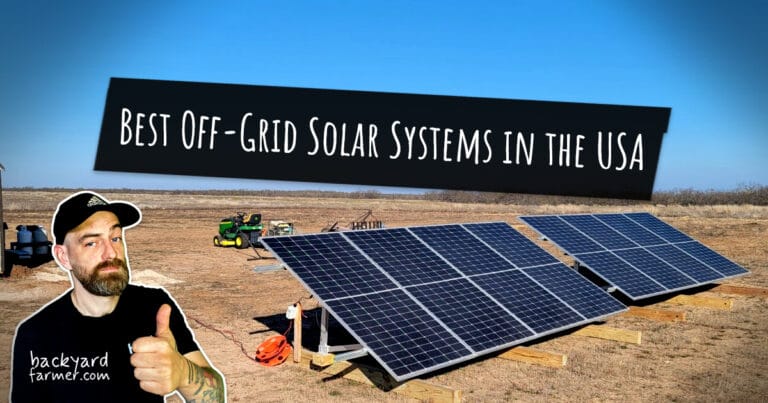
Before choosing one of the best off-grid solar systems in the USA, it’s worth taking a step back and looking at how much power you actually use day to day. In practice, daily energy use, battery capacity, and the ability to expand your system later matter far more than picking a brand straight away.
Once you understand the basics of off-grid solar system sizing, the whole process becomes much easier. At that point, you can focus on choosing components that genuinely fit your setup rather than guessing or overbuying.
That’s where Renogy off-grid solar systems in the USA come in. Renogy offers a wide range of solar panels, batteries, inverters, and complete kits, making it easier to build systems suited to:
- RV solar setups for travel and life on the road
- Cabin solar systems for semi-permanent or remote living
- Tiny home solar solutions where space and scalability matter
With this in mind, the guide below focuses on Renogy-led off-grid solar solutions, organised by real-world use cases. However, if you’re still unsure what size system you need, it’s best to review an off-grid solar sizing guide first. After that, you can return here and compare off-grid solar products with confidence, knowing your system is properly matched to your energy needs.
What Are Off-Grid Solar Systems?
Off-grid solar systems operate completely independently from the traditional power grid. They generate electricity from sunlight, store it in batteries, and convert it into usable power for everyday appliances and devices.
Key Components
- Solar panels – Capture sunlight and generate electricity
- Batteries – Store energy for night-time or cloudy conditions
- Charge controllers – Regulate power flow to protect batteries
- Inverters – Convert stored energy into usable AC electricity
Off-grid systems are ideal for remote living, portable energy setups, and sustainability-focused lifestyles. If you’d like to better understand the fundamentals behind solar power, this guide on how solar panels work explains the basics in a simple, practical way.
Benefits of Off-Grid Solar Systems in the USA
Energy independence
With an off-grid solar system, you can reduce or completely remove your reliance on utility companies. As a result, you gain access to reliable electricity in remote or off-grid locations where the grid is unavailable or unreliable.
Eco-friendly power
By switching to solar, you lower greenhouse gas emissions and generate clean, renewable energy. Over time, this supports wider sustainability goals while also reducing your environmental footprint.
Reliable and resilient power
Because off-grid systems operate independently, they continue supplying power during grid outages and natural disasters. This makes them especially valuable in areas with unstable or limited grid access.
Application-specific benefits
- RVs: Lightweight, portable solar systems designed for travel and life on the road
- Cabins: Higher-capacity systems suitable for year-round off-grid living
- Tiny homes: Space-efficient solar setups that support minimalist lifestyles
Tailored Off-Grid Solar Solutions USA for Specific Needs
For RVs
Best features: Lightweight and portable solar kits that are easy to install and maintain, with sufficient battery storage for essential appliances.
Top pick: Renogy 200W Solar RV Kit
A reliable and beginner-friendly solar solution designed for mobile lifestyles. Widely available across the USA and known for its efficiency and ease of use.
Specifications:
- Power output: 200W
- Weight: 12kg
- Inverter: Included
For Cabins
Best features: Durable systems with high-capacity battery storage, built to handle extended off-grid living in remote areas.
Top pick: Goal Zero Yeti 3000X
A dependable power station suitable for semi-permanent installations and larger energy demands.
Specifications:
- Battery capacity: 3,032Wh
- Weight: 31kg
- Solar input: Compatible with most solar panels
For Tiny Homes
Best features: Space‑efficient, modular systems that can scale with energy needs, using separate batteries and inverters rather than oversized all‑in‑one units.
Top pick: Renogy Modular Inverter + LiFePO₄ Battery System
A flexible off‑grid setup built around stackable LiFePO₄ batteries and a dedicated inverter. This approach suits most tiny homes far better than grid‑tied batteries, allowing capacity to grow over time while keeping installation compact and serviceable.
Typical configuration:
- Battery capacity: 5–10 kWh (expandable)
- Battery type: LiFePO₄
- Inverter: Dedicated off‑grid inverter
For a broader overview of off‑grid options, explore our guide on the best 3 off‑grid solar systems for versatile energy solutions.
How to Choose the Right Off-Grid Solar System
Energy requirements
Start by calculating your average daily energy consumption. In addition, make sure you account for essential appliances such as refrigeration, water pumps, or HVAC systems, as these can significantly increase demand.
Space and portability
If you’re working with limited space, such as in an RV or tiny home, choose compact and modular systems. On the other hand, cabins usually benefit from larger, high-capacity setups designed for permanent installation.
Budget and incentives
While off-grid solar systems require an upfront investment, it’s worth researching available federal tax credits and incentives. Over time, balancing initial costs against long-term savings can make solar a cost-effective solution.
Conclusion
Off-grid solar systems are a practical way to achieve energy independence and long-term sustainability. By choosing solutions tailored to RVs, cabins, and tiny homes, you can build a system that fits your lifestyle rather than forcing your lifestyle to fit the system.
Ultimately, understanding your energy needs first makes every decision easier. Once you’ve done that, selecting reliable off-grid solar components becomes far more straightforward, helping you invest with confidence and avoid costly mistakes.
For more practical guidance on system design, components, and real-world off-grid setups, explore the Renogy blog for in-depth solar insights and expert advice.