
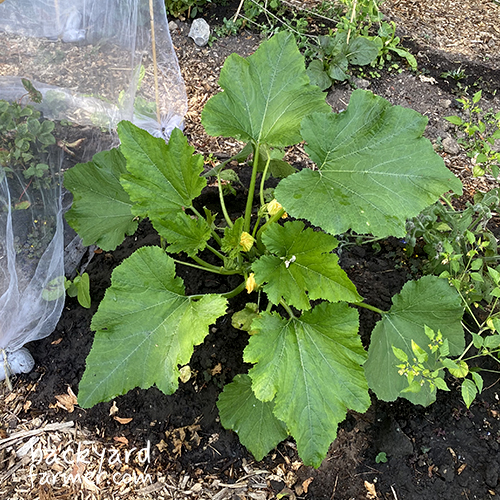
Courgettes are one of the easiest vegetables to grow well in the UK once they have warmth, space and consistent moisture. A couple of healthy plants can produce heavily through summer, even in a fairly small garden.
The main problems usually come from planting too early, overcrowding, irregular watering or poor pollination. This guide covers the full growing process, from sowing and planting through to feeding, common problems and harvesting.
When to Plant Courgettes in the UK
Courgettes grow best once conditions are warm. For most UK gardeners:
- Sow indoors: Mid to late April
- Direct sow outdoors: Late May to June
- Plant outside: Late May to June, once frost risk has passed
Harden indoor-grown plants off for around 7–10 days before planting out.
For the full month-by-month timing guide, see When to Plant Courgettes in the UK.
Courgette Spacing
Give each plant plenty of room to spread.
- Allow 60–90cm between plants
- Where space allows, give each plant roughly 1m²
Good spacing improves airflow, makes watering and harvesting easier, and helps stop neighbouring plants becoming overcrowded.
How to Plant Courgettes (Step-by-Step)
Planting courgettes is simple enough. The bit that matters is getting a few basics right early on—because that’s what decides whether they crack on or just sit there.
Get this stage right and you dodge most of the usual headaches later.
Step 1: Prepare the Soil
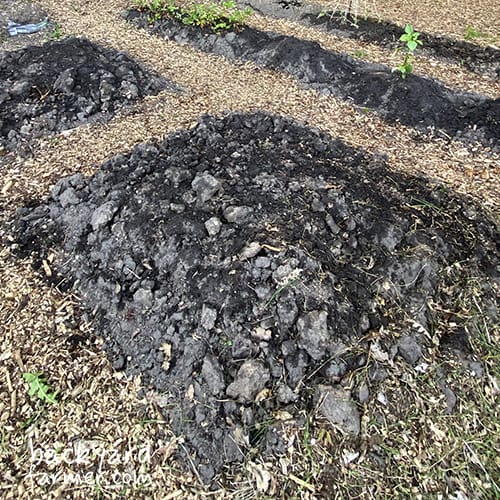
Before you plant anything out, pick the spot properly.
- Go for full sun
- Add compost or well-rotted manure
- You want soil that drains but still holds moisture
Courgettes respond quickly. Give them a good start and they’ll take off. Poor soil or shade and they just tick along.
Step 2: Harden Off, Then Plant Out Carefully
If you’ve raised courgettes indoors, harden them off gradually before planting outside.
- Harden off for 7–10 days
- Wait for a settled spell if possible
- Handle the root ball gently when removing the plant from its pot
- Plant at roughly the same depth it was growing in the pot
Try not to disturb the roots more than necessary.
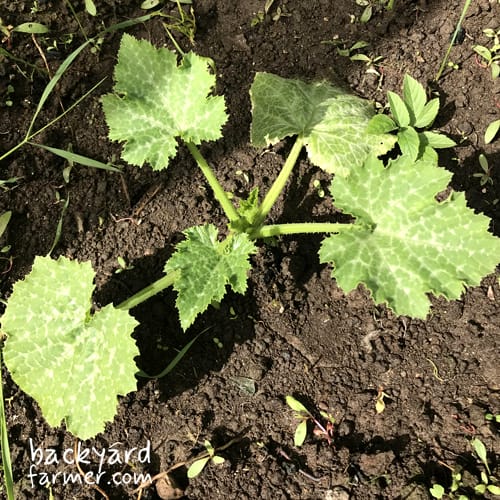
Step 3: Give Each Courgette Plant Enough Space
Spacing is where most people come unstuck. Leave around 60–90cm between plants, or allow around 1m² per plant if space allows.
Pack them in and you’ll often get big leafy plants but less crop overall, along with poorer airflow and a greater chance of mildew.
Step 4: Water In Well
Once they’re in, water them properly.
- Give them a good soak
- Keep the soil evenly moist, not swinging between dry and soaked
That’s what helps them settle and get moving.
How to Care for Courgette Plants
Once established, courgettes are straightforward to grow, but they perform best with consistent watering, regular feeding and enough moisture through warm weather.
Watering Courgettes
Courgettes have large leaves and use plenty of water, particularly once they start flowering and producing fruit.
- Water deeply rather than giving plants a quick splash
- Keep the soil consistently moist rather than letting it swing between very dry and very wet
- Water more often during hot, dry weather
- Aim water around the base of the plant
Plants growing in containers will usually need watering more frequently than those in the ground.
Feeding Courgettes
Courgettes are hungry plants once cropping begins.
Use a high-potash liquid feed, such as tomato feed, once flowers and fruits begin developing. Follow the recommended rate on the product rather than feeding more heavily in an attempt to increase growth.
Mulching
A layer of compost, straw or another organic mulch around the plants can help:
- Hold moisture in the soil
- Reduce drying during warm weather
- Suppress weeds around the base
Leave a little space around the main stem rather than piling mulch directly against it.
Pollination and Courgette Flowers
It is normal for the first courgette flowers to be male flowers, so don’t worry if flowers appear without producing fruit.
Male flowers show up first
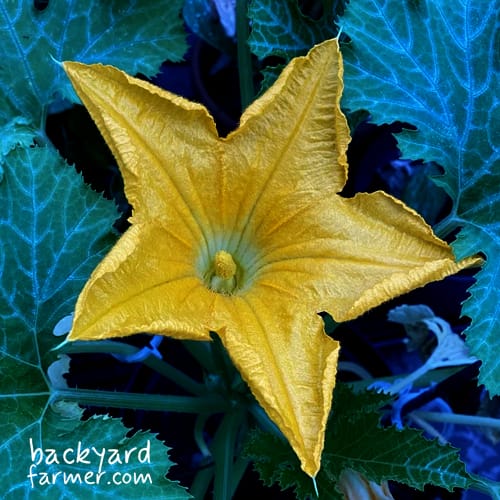
Female flowers have a small fruit behind them*
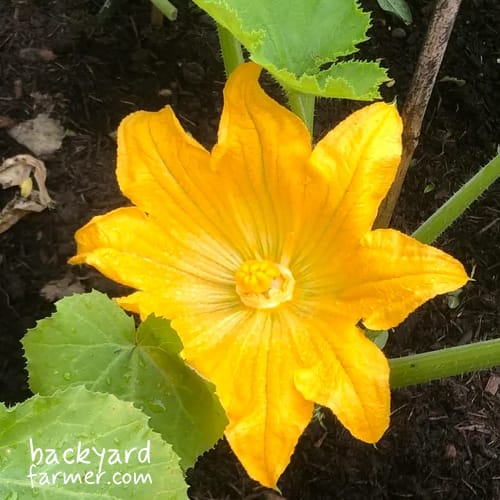
*Female flowers have a small developing courgette behind the flower and usually begin appearing as the plant matures.
Poor pollination can cause young fruits to stop developing and rot at the end. This is more common during cool or wet weather when fewer pollinating insects are active. If it becomes a persistent problem, flowers can be hand pollinated.
Common Courgette Growing Problems (And Fixes)
| Problem | Likely Cause | What to Do |
|---|---|---|
| Flowers but no fruit | Early male flowers or poor pollination | Wait for female flowers, or hand pollinate in poor weather |
| Small fruits rotting | Poor pollination or uneven watering | Keep watering steady and hand pollinate if needed |
| White powder on leaves | Powdery mildew, poor airflow, plant stress | Improve spacing, water consistently, remove worst leaves |
| Slug damage | Young soft growth | Protect plants early until established |
| Big plant, few courgettes | Too much nitrogen, poor pollination, or not picking enough | Use high-potash feed and harvest regularly |
How Long Do Courgettes Take to Grow?
In good UK growing conditions, courgettes can begin cropping around 8–10 weeks after sowing, although weather and planting date make a big difference.
Later spring sowings often catch up quickly because plants are growing into warmer soil, better light and milder nights.
Harvesting Courgettes
Courgettes are best picked young and tender, usually at around 15–20cm long.
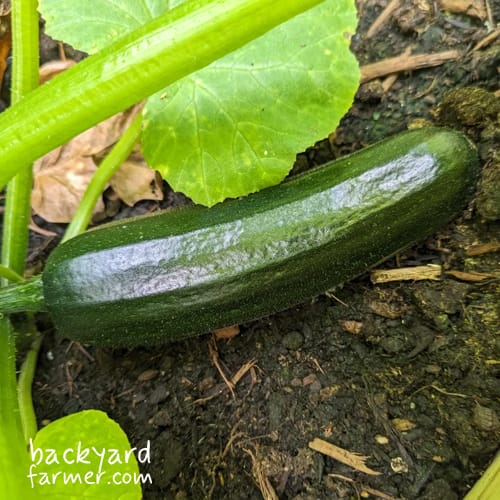
Check plants regularly once they start cropping, as fruits can grow very quickly in warm weather.
- Pick every 1–2 days during peak growth
- Cut fruits cleanly with a knife or secateurs
- Remove oversized courgettes so the plant can keep producing new fruit
Regular harvesting helps keep plants productive through summer.
For picking size, frequency and signs of readiness, see When to Harvest Courgettes in the UK.
How Many Courgettes Per Plant?
A healthy courgette plant can produce a heavy crop through summer, especially if it is well spaced, watered consistently and picked regularly.
For many households, one or two plants can be enough, particularly once they reach peak production.
Yield depends on:
- Spacing
- Watering
- Feeding
- Pollination
- Regular harvesting
A well-grown plant will usually produce more reliably than several crowded or stressed plants.
Can You Grow Courgettes Vertically?
Yes. Courgettes can be trained vertically to save space, although letting them spread naturally is usually easier.
Vertical growing can work well in:
- Small gardens
- Raised beds
- Large containers
Use a strong stake, bamboo cane or support frame and tie the main stem in loosely as it grows. Courgettes do not climb naturally, so they will need regular support as the plant gets larger.
Compact varieties with a strong central stem are generally the easiest to train.
FAQs
Yes. If courgettes are left on the plant, they continue growing and eventually become much larger, with tougher skin and bigger seeds. For the best texture, pick them while they are still young.
Courgettes can tolerate some partial shade, but they crop best in full sun. Less light usually means slower growth and fewer fruits.
Yes. Use a container of at least 30 litres, fill it with good-quality compost and keep it well watered. Container-grown courgettes will also benefit from regular feeding once they start flowering.
No. Courgettes are annual plants in the UK, so they complete their life cycle in one growing season and need to be sown again each year.
Early flowers are often male, so fruit may not appear straight away. Poor pollination can also be a problem during cool or wet weather when fewer insects are active.
Female flowers have a small developing courgette behind them and can be hand pollinated if necessary.
If young fruits start developing and then yellow or rot, incomplete pollination is a common cause. This is especially likely during cool, wet weather.
Once pollination improves, later fruits will usually develop normally.
Plan Your Courgettes with the Allotment Planner
The easiest way to mess courgettes up is to underestimate how much room they need.
They look harmless when they’re small, but a few weeks later the leaves are everywhere and the bed suddenly feels cramped. A quick plan before planting helps you leave enough space for courgettes, paths, companion flowers, and anything growing nearby.
Use the free Backyard Farmer Allotment Planner to sketch out your growing space before you plant.