


Introduction
If you’ve ever searched for free firewood near me UK, free logs near me UK, or even cheap firewood UK, you’ll know the results can feel vague, outdated, or packed with people selling small net bags at premium prices. However, genuinely free — or properly low‑cost — firewood is available across the UK. You simply need to understand where to look, how to collect firewood legally in the UK, and how to approach it properly.
Over the years, I’ve realised that sourcing free firewood in the UK isn’t about luck. Instead, it comes down to a simple, repeatable system. Once you understand how local waste wood, arborist logs, and storm‑felled trees move through your area, everything starts to make sense.
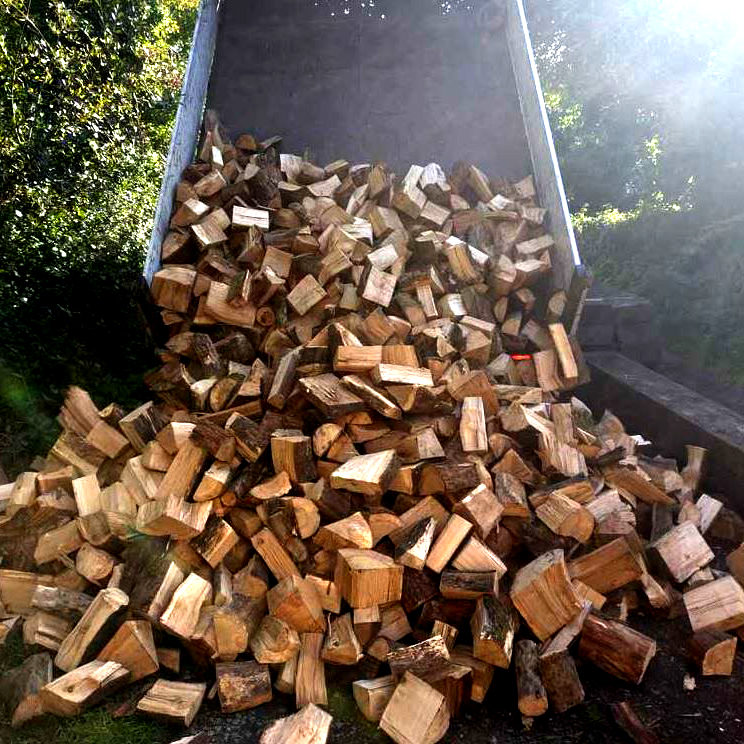
In practice, it boils down to three key things:
- Knowing who produces waste wood and surplus logs
- Asking at the right time (especially after storms or winter tree work)
- Being ready to collect free logs quickly, safely, and reliably
Tree surgeons, local council maintenance teams, smallholdings, landscapers, and even neighbours clearing a fallen tree all create opportunities for your “free wood near me UK” search to turn into real fuel. However, those opportunities usually go to the person who responds quickly and actually turns up.
At the same time, not all “free” wood is ready‑to‑burn firewood. Freshly cut logs need proper seasoning before they meet UK moisture guidelines. Some sources require clear permission. And, just as importantly, good storage makes the difference between clean‑burning seasoned firewood and a smoky, inefficient mess.
If you want a deeper breakdown of heat output, burn time, and flavour for cooking, see my full guide to the best firewood types for pizza ovens and fireplaces.
What This Guide Covers
So rather than chasing random listings, this guide walks you through a clear, practical strategy step by step:
- Where to find free logs and surplus timber in the UK
- What’s legal (and what isn’t) when you collect firewood in the UK
- How long firewood takes to season in the UK climate
- Whether sourcing free firewood is truly worth the time, tools, and effort
If you want to reduce heating costs, build a reliable log supply, and approach free firewood near you in the UK properly — and sustainably — you’re in the right place.
How to Find Free Firewood Near Me in the UK
When people search for free firewood near me UK, free logs near me UK, or even where to get free firewood in the UK, they’re usually picturing a hidden stack of perfectly seasoned logs waiting just around the corner. In reality, it rarely works like that. Finding free firewood locally isn’t about stumbling across a lucky pile — instead, it’s about understanding how local wood supply and waste timber actually move.
Across the UK, waste wood is created every single day. Trees get pruned. Storm damage gets cleared. Gardens are redesigned. Hedgerows are cut back. So the opportunity to collect free logs is always there. However, the key is positioning yourself so that when surplus timber becomes available, you’re the easiest and most reliable person to give it to.
Step One: Understand Who Produces Free Logs
Free firewood in the UK almost always comes from people who need wood removed quickly. In other words, you’re not chasing cheap heating — you’re solving someone’s disposal problem.
The most common sources of free wood near me UK searches turning into real fuel include:
- Tree surgeons and arborists finishing domestic jobs
- Local council maintenance teams clearing parks and roadside trees
- Builders and landscapers removing trees during renovations
- Farmers and smallholders managing hedgerows and boundaries
- Homeowners dealing with fallen, damaged, or unwanted trees
In most cases, they aren’t trying to sell firewood. They simply need logs gone so they can move on to the next job. Therefore, if you can collect free logs promptly and reliably, you instantly become part of the solution.
Step Two: Ask at the Right Time
Timing makes a big difference when looking for free firewood near you in the UK. For example, after strong winds or winter storms, arborists often have surplus logs. Likewise, late winter and early spring are busy pruning seasons, which increases the supply of fresh-cut timber.
Rather than sending one message and hoping for the best, take a slightly more structured approach:
- Introduce yourself clearly and politely
- Explain that you’re happy to collect green (unseasoned) logs
- Confirm you have transport and can remove wood safely
- Leave your contact details for future surplus loads
In my experience, reliability beats persistence. If you turn up when you say you will and clear properly, people remember you. As a result, you’re far more likely to get a message the next time free logs become available.
Step Three: Be Ready to Collect and Process Logs
Free firewood rarely waits around. If someone offers surplus logs, they usually want them removed quickly.
So before you actively search for free firewood near me UK, make sure you already have:
- Suitable transport (car, trailer, or van)
- Basic safety gear (gloves and eye protection)
- Space prepared for stacking and seasoning firewood
- The tools needed to cut and split larger rounds
If you hesitate or delay, the wood will simply go to the next person who can move faster. Preparation is what turns an opportunity into a steady supply.
Manual Searching vs Local Networking
Online listings — including Facebook Marketplace and community groups — can help, especially after storms. However, some of the best sources of free firewood in the UK come through local relationships instead.
Neighbours, allotment holders, gardeners, and small contractors often know about available wood before it ever appears online. Therefore, think of sourcing free logs as building a small, local network. The more visible, helpful, and reliable you are, the more likely people are to contact you first when surplus timber needs removing.
In the next section, we’ll break down the most reliable places in the UK to consistently find free firewood — starting with arborists, council
The Most Reliable Places to Get Free Logs in the UK
Once you understand how free wood moves locally, the next step is knowing where to look consistently. While the odd Facebook listing can help, the most reliable sources behind a free firewood near me UK search usually follow predictable patterns.
Over time, I’ve found that certain places produce surplus timber again and again. Therefore, rather than chasing random posts about cheap firewood in the UK, it makes far more sense to focus your effort where supply is steady, repeatable, and realistic.
Tree Surgeons & Arborists (Your Most Reliable Source)
If you’re serious about finding free firewood near you in the UK, arborists should be your first stop.
Tree surgeons regularly remove:
- Storm-damaged trees
- Overgrown garden trees
- Diseased or unsafe specimens
- Large branches from pruning jobs
In most cases, they need to offload logs quickly so they can move on to the next job. Disposal costs them money. Therefore, if you’re local and willing to collect green logs for seasoning, you immediately become part of their solution.
When people ask where to get free firewood in the UK, this is usually the most consistent answer.
Practical Tips for Contacting Arborists
- Start with smaller, independent arborists
- Offer flexible collection times
- Be clear that you’re happy with unseasoned or mixed-species logs
- Confirm access and safety before arriving
- Bring the right tools to process larger rounds
Above all, be reliable. If you turn up when you say you will and clear properly, people remember that. As a result, you’re far more likely to get a call next time free logs become available.
If you’re collecting larger arborist rounds regularly, here are the essential tools for cutting, splitting, and transporting firewood safely.
Local Council Maintenance & Park Teams
Councils handle wood waste differently across the UK. Some chip everything on site. Others stack surplus logs temporarily after tree work.
So first, check your local council website for tree maintenance schedules. Then follow updates on social media. After heavy winds especially, you’ll often see public spaces being cleared — which can create short-term opportunities for collecting firewood legally.
However, never collect from public land without permission. Even fallen branches usually belong to the landowner or local authority.
That said, a polite email or phone call can sometimes confirm whether surplus logs are available for collection. It doesn’t always work. Nevertheless, when it does, it can provide a steady stream of free wood near me UK opportunities.
Facebook Marketplace & Community Groups
Facebook Marketplace is often one of the fastest ways to see free logs near me UK and cheap firewood UK listings in real time.
You’ll typically see posts like:
- “Free logs – must collect”
- “Fallen tree – free to anyone who wants it”
- “Firewood – free if you take all”
Here, speed matters. These listings disappear quickly, especially in autumn and winter when demand increases. Therefore, set local alerts where possible and check regularly after storms.
Even so, always assess safety first. Large trunks can look manageable online but require proper cutting tools, experience, and safe handling in person.
Farmers, Smallholdings & Rural Contacts
If you live in a semi-rural or rural area, hedgerow management and boundary clearing create regular surplus timber.
Farmers and smallholders frequently clear:
- Wind-blown branches
- Overgrown boundary hedges
- Fallen or dead trees
Approach respectfully and introduce yourself clearly. Explain that you’re looking for green logs to season for your stove or outdoor oven. Over time, strong local relationships can become repeat sources of free firewood in the UK, year after year.
Builders & Landscapers
Garden renovations and construction projects often involve removing trees or large shrubs. Builders rarely want to deal with splitting, seasoning, and storing logs afterwards.
Therefore, if you notice work happening locally, it’s worth asking — politely — whether any wood will be available once the job is complete. In many cases, you’re simply helping them reduce disposal costs while securing usable timber.
Word of Mouth & Local Networking
Some of the best free firewood never appears online at all.
Neighbours clearing gardens, allotment holders removing old fruit trees, or local gardeners doing winter pruning all generate usable wood. However, unless people know you collect logs, they’ll give it to someone else or pay to dispose of it.
Therefore, let people know you’re interested in collecting free firewood near you in the UK. Once word spreads that you turn up promptly, collect safely, and clear properly, opportunities begin coming to you instead of the other way around.
In the next section, we’ll look at what’s legal — and what isn’t — when collecting free firewood in the UK.
Is It Legal to Collect Free Firewood in the UK?
Before you throw fallen branches into the boot and call it a win, it’s important to understand the legal side of collecting free firewood in the UK. Many people searching for free firewood near me UK assume that if wood is lying on the ground, it’s fair game. However, that’s not how UK law works. Ownership and permission matter.
Understanding how to collect firewood legally in the UK protects you from fines, disputes, and unnecessary problems later on.
Who Owns the Wood?
In the UK, wood belongs to the landowner — even if it has fallen naturally during storms or high winds.
So in practice, that means:
- Wood on private land requires the landowner’s permission
- Wood in public parks or council land is usually owned by the local authority
- Wood in Forestry England, National Trust, or managed woodland is almost always protected
Simply put, “fallen” does not mean “free.” Even if you find free logs lying in a woodland, they still legally belong to someone.
For a more detailed breakdown of permissions, woodland rules, and safety considerations, read my full guide on legal and safety tips for collecting firewood.
Collecting Free Firewood from Private Land
If a homeowner, farmer, smallholder, or arborist gives you permission to collect logs, you’re generally fine. In most small domestic situations, verbal permission is enough. Still, clarity avoids awkward misunderstandings later.
So always confirm:
- Exactly what wood you’re allowed to take
- Whether access routes are safe
- Whether cutting and processing logs on site is permitted
If you’re unsure, ask. A straightforward question keeps everything legal and above board — especially when sourcing free logs near me UK from local contacts.
Public Woodland & Countryside Rules
Across most public woodland in England, Wales, and Scotland, removing wood without permission counts as theft. Even gathering small fallen branches can be restricted.
Occasionally, some estates or managed woodlands allow limited deadwood collection with written consent. However, this is the exception rather than the rule.
Therefore, if you’re unsure whether you can collect free firewood in a specific location, check the land manager’s website or contact them directly before taking anything. It takes a few minutes and avoids potential legal trouble.
Most public woodland in England is managed by Forestry England, and removing timber without permission is not allowed.
Smoke Control Areas & Burning Regulations
Legality doesn’t stop once you’ve collected the logs. In many urban areas of the UK, Smoke Control Areas restrict what you can burn in a wood stove or open fire.
If you live in a Smoke Control Area, you must:
- Use an approved DEFRA-exempt appliance
- Burn authorised fuels or properly seasoned firewood
- Avoid burning wet, treated, or contaminated timber
Burning unseasoned wood produces excessive smoke and reduces efficiency. Over time, it can also lead to complaints, enforcement action, or fines. So even if you’ve sourced free firewood near you in the UK, you still need to burn it correctly.
Treated, Painted or Contaminated Wood
At the same time, not all free wood is safe to burn.
Avoid using:
- Painted timber
- Pressure-treated wood
- Pallet wood with chemical markings
- Construction offcuts containing glues or adhesives
When burned, these materials can release toxic fumes. Therefore, always stick to untreated, natural timber that’s suitable for safe domestic firewood use.
The Simple Rule to Follow
If you didn’t grow it, own the land, or receive clear permission — don’t take it.
Collecting free firewood in the UK is completely legal when you follow the rules and gain proper consent. However, taking wood without permission quickly turns a smart money-saving idea into a legal problem.
In the next section, we’ll look at how long free firewood takes to season in the UK climate — and why proper drying matters before you light the stove.
How Long Does Free Firewood Take to Season in the UK?
One of the biggest misconceptions behind searches for free firewood near me UK is that the logs will be ready to burn straight away. In reality, they rarely are. Most free logs near me UK — especially those from arborists, storm damage, or garden tree removals — are freshly cut and classed as green wood.
Green firewood contains a high level of moisture. In the damp UK climate especially, that moisture needs time, airflow, and proper stacking to evaporate before the wood burns cleanly and efficiently. Otherwise, you’ll struggle to generate decent heat and may create unnecessary smoke.
Understanding how long firewood takes to season in the UK is essential if you want safe, efficient, and legal wood burning.
What Is Green Firewood?
Freshly cut timber can contain 40–60% moisture content. By comparison, properly seasoned firewood in the UK should measure below 20% moisture content before you burn it in a stove — particularly in Smoke Control Areas.
If you burn wet or unseasoned logs, you’ll notice problems quickly:
- Excessive smoke
- Reduced heat output
- Blackened stove glass
- Creosote build-up inside the chimney
Over time, creosote build-up significantly increases the risk of chimney fires. Therefore, seasoning firewood properly isn’t optional — it’s essential for both safety and efficiency.
Typical Seasoning Times in the UK
So, how long does firewood take to season in the UK?
The answer depends on the species and how you store it. However, under normal UK weather conditions, you can generally expect:
- Softwoods (pine, spruce): 6–12 months
- Hardwoods such as ash or birch: around 12 months
- Dense hardwoods like oak or beech: 18–24 months
These timeframes assume you split the logs and stack them correctly with good airflow. If you leave firewood in large, unsplit rounds, seasoning will take significantly longer — sometimes years rather than months.
In other words, proper processing speeds everything up.
In England, firewood sold for domestic use must meet the government’s Ready to Burn standard to ensure it contains less than 20% moisture content.
Does Ash Really Burn Green?
You’ve probably heard that ash can burn “green.” Technically, ash has a slightly lower starting moisture content than many other hardwoods. However, freshly cut ash still sits above the ideal level for clean, compliant burning.
Yes, it may burn. But it won’t burn efficiently. For best results — and especially if you’re relying on free firewood in the UK — allow ash to season properly before use.
How to Tell If Firewood Is Properly Seasoned
Rather than guessing, look for a few reliable signs that your logs are ready-to-burn firewood:
- Visible cracks forming in the ends of logs
- Bark beginning to loosen or peel away
- A hollow sound when two pieces are knocked together
- A noticeably lighter weight compared to freshly cut wood
For extra certainty, use a moisture meter. They’re inexpensive, easy to use, and remove the guesswork entirely. If you’re serious about collecting free logs near you in the UK, a moisture meter is one of the most useful tools you can own.
Why Seasoning Changes the Value of Free Firewood
Free logs are rarely ready-to-burn fuel. Instead, they’re raw material that requires time and preparation.
So if you’re sourcing free firewood, think long term. Wood you collect this winter will usually heat your home next winter — not tonight.
Once you understand that cycle, free wood stops being an emergency backup and becomes part of a structured, cost-effective heating strategy.
In the next section, we’ll look at the best types of firewood for UK stoves and pizza ovens — and which species are worth prioritising when you’re collecting surplus logs.
Best Types of Firewood for UK Heating & Cooking
Not all free logs are equal. If you’re putting real effort into sourcing, cutting, and seasoning wood, it makes sense to prioritise the species that deliver the best heat output, longest burn time, and cleanest flame.
For anyone searching free firewood near me UK, understanding the best types of firewood helps you decide which logs are truly worth collecting and storing.
In the UK, most firewood falls into two main categories: hardwood and softwood. Both have their place in a wood-burning setup. However, they behave very differently once they’re in the stove or pizza oven.
Hardwood vs Softwood: What’s the Difference?
Hardwoods come from broadleaf trees such as oak, ash, beech, and birch. Softwoods, by contrast, come from conifers like pine, spruce, and fir.
Generally speaking, hardwood firewood in the UK is:
- Denser
- Slower burning
- Higher in heat output per log
- Better suited for overnight or sustained heat
Softwood firewood, on the other hand, is usually:
- Faster to season
- Easier to split
- Quicker to ignite
- Ideal for kindling or starting a fire
For most UK wood burners, a balanced mix works best. Softwood gets things started quickly. Hardwood then keeps the heat steady and consistent. For a detailed comparison of hardwood vs softwood performance, read my guide on choosing the best firewood for heating and cooking.
Top Hardwood Firewood in the UK
If you’re collecting free logs near me UK, these hardwood species are often the most valuable for long-term heating.
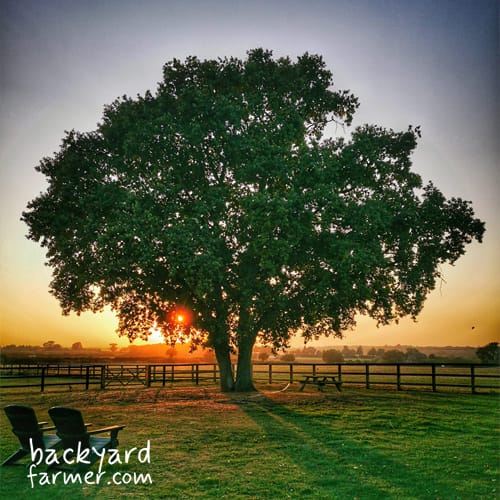
Oak
Oak is dense and long-burning, which makes it one of the best firewood choices for UK heating. However, it requires patience. Oak typically needs 18–24 months to season properly in the UK climate. Therefore, if you collect free oak logs, think ahead and stack them early.
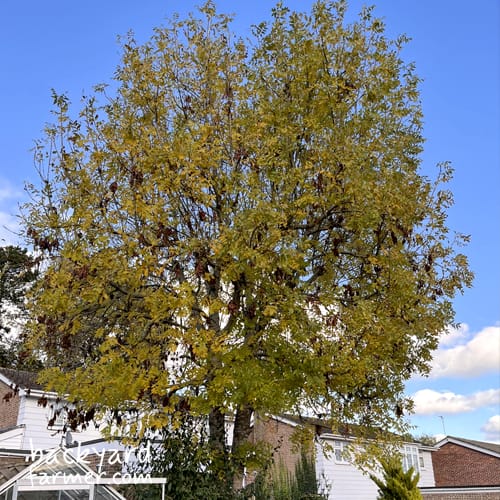
Ash
Ash is widely regarded as one of the best all-round firewoods in the UK. It splits easily, burns consistently, and produces strong, reliable heat. While it can burn slightly greener than other species, it performs far better once fully seasoned.
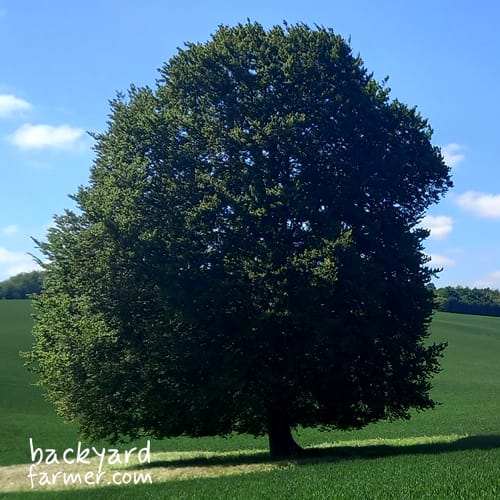
Beech
Beech produces excellent heat and burns cleanly when properly dried. Like oak, though, it benefits from full seasoning time. Give it the airflow it needs, and it rewards you with steady warmth.

Birch
Birch lights easily and burns brightly, which makes it useful for getting a fire established. However, it burns faster than oak or beech. As a result, it sits nicely between softwood and dense hardwood — offering quick heat without the extended seasoning time oak demands.
Common Softwood Firewood in the UK
When searching free firewood near you in the UK, you’ll often encounter softwoods from garden removals and storm-felled trees.
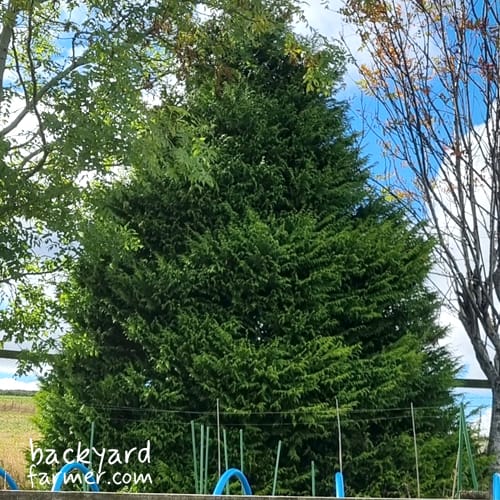
Pine & Spruce
Pine and spruce are among the most common softwoods available as free logs. They season faster — often within 6–12 months — and they work well for kindling or short bursts of heat.
Yes, they burn faster and can produce more resin. However, that doesn’t make them unsuitable. When you burn properly seasoned softwood in a well-maintained stove, it performs reliably — especially when paired with hardwood.
Best Firewood for Pizza Ovens & Cooking in the UK
If you’re collecting wood for cooking rather than heating, species choice matters even more. Flame stability, burn temperature, and flavour all play a role.
For pizza ovens and outdoor cooking in the UK, prioritise:
- Ash – clean burn and steady heat
- Oak – long, stable heat for baking
- Fruit woods (apple, cherry) – subtle flavour when available
At the same time, always avoid treated timber, painted wood, pallet wood with chemical stamps, or construction waste. These materials release harmful fumes and should never be used as cooking firewood.
What About Mixed Loads of Free Logs?
When sourcing free firewood near me UK, you won’t always get to choose the species. Arborist loads are often mixed, and that’s completely normal.
In that case, keep it practical:
- Sort logs by type where possible
- Split larger hardwood rounds early to speed up seasoning
- Use softwood for kindling and milder shoulder seasons
- Save dense hardwood for the coldest winter months
Over time, you’ll start recognising common UK firewood species quickly. And once you can identify good hardwood at a glance, you’ll know exactly which free logs are worth the effort.
In the next section, we’ll look at whether sourcing free firewood in the UK is actually worth it once you factor in time, tools, and storage.
Is Free Firewood Actually Worth It in the UK?
At first glance, searching free firewood near me UK sounds like an obvious win. Free fuel is free fuel, right?
However, once you factor in time, tools, transport, and storage space, the picture becomes more balanced. Free logs aren’t ready-to-burn firewood — they’re raw material. So the real question isn’t simply whether it’s free. Instead, it’s whether collecting free firewood in the UK actually makes financial and practical sense for you.
For anyone comparing free firewood vs buying logs in the UK, it helps to look at the full picture rather than focusing on the headline price alone.
The Real Costs of “Free” Logs
While you won’t usually pay for the wood itself, you will invest elsewhere. For example:
- Fuel for collection trips
- A saw (manual or chainsaw)
- An axe or log splitter
- Protective gear
- Storage space for proper seasoning firewood
- Time spent cutting, splitting, stacking, and rotating logs
If you’re collecting large arborist rounds from free logs near me UK listings, processing can take several hours per load. Therefore, your time has value — even if the timber itself costs nothing.
That said, if you already own the tools and enjoy practical, hands-on work, the equation shifts. Instead of paying retail prices for kiln-dried firewood UK, you convert surplus timber into long-term heating fuel.
When Free Firewood Makes Financial Sense
Sourcing free firewood in the UK usually makes sense if:
- You have space to season wood for at least 12 months
- You can collect locally, reducing fuel and transport costs
- You already own the basic cutting and splitting tools
- You heat your home regularly with a wood-burning stove
- You want to reduce reliance on buying kiln-dried logs at peak winter prices
In these situations, the savings can add up significantly over several seasons. More importantly, you gain control over your own log supply rather than reacting to winter firewood price spikes.
When Buying Logs May Be More Practical
On the other hand, collecting free firewood near you in the UK may not suit everyone.
It may be less practical if:
- You live in a flat or have no outdoor storage
- You only light your stove occasionally
- You need ready-to-burn logs immediately
- You would need to travel long distances to collect wood
In urban areas especially, bulk-delivered ready-to-burn logs or kiln-dried firewood can sometimes make more sense. Although they cost more upfront, they save time, labour, and storage complications.
Free Firewood as a Long-Term Heating Strategy
Free firewood works best when you treat it as part of a structured heating plan rather than a last-minute solution.
If you collect free logs this winter, split them early, and allow full seasoning, you create a reliable supply for next year. Over time, that cycle becomes predictable. As a result, you stop reacting to rising firewood prices in the UK and start planning ahead instead.
Ultimately, sourcing free firewood in the UK isn’t just about saving money. It’s also about resilience, self-reliance, and understanding exactly where your heating fuel comes from.
In the final section, we’ll pull everything together into a simple yearly strategy for collecting, seasoning, and managing your firewood supply. If you want to make sure your log sourcing doesn’t harm local woodland ecosystems, read my full guide to sustainable firewood in the UK.
Putting It All Together: A Simple Yearly Firewood Strategy (UK Guide)
By now, you’ve seen that finding free firewood near me UK isn’t about stumbling across a lucky pile of logs. Instead, it’s about building a simple, repeatable system for collecting, seasoning, and managing your firewood properly.
When you treat free firewood in the UK as a yearly cycle rather than a last‑minute winter scramble, everything becomes calmer and more predictable. As a result, you stop chasing cheap logs — and start managing a reliable heating supply.
Step 1: Collect Free Firewood During Storm Season & Winter Tree Work
Late autumn through early spring is prime time for sourcing free logs near me UK.
Storm damage, winter pruning, and hedge management all increase the supply of surplus timber. Therefore, rather than waiting until you’re running low, use this period to:
- Contact local arborists
- Monitor Facebook Marketplace for free logs
- Strengthen relationships with farmers or smallholders
Think ahead. The free firewood you collect this winter will usually heat your home next winter — not this one.
Step 2: Split and Season Firewood Properly
The sooner you split logs, the faster they season. So don’t leave large rounds sitting untouched for months.
Once collected, follow a clear process:
- Cut logs to the correct stove length
- Split larger hardwood rounds early
- Stack logs off the ground
- Leave the sides open for airflow
- Cover the top only (never wrap the entire stack)
In the damp UK climate, airflow matters more than heat. Consequently, a well‑ventilated log stack seasons far better than wood sealed tightly under tarpaulin. Proper stacking ensures your free firewood in the UK dries below 20% moisture content before burning.
If you need a simple, low-cost solution, here’s how to build a DIY pallet wood store for firewood storage.
Step 3: Rotate Your Firewood Supply
If space allows, aim for a simple rotation system for your firewood storage.
Ideally:
- Year 1: Collect and stack free logs
- Year 2: Continue seasoning
- Year 3: Burn fully seasoned firewood
This approach removes pressure completely. Instead of hoping wood has dried in time, you know it has.
Even so, a basic one‑year seasoning cycle is still far better than collecting and burning in the same season.
Step 4: Use the Right Firewood at the Right Time
Softwood works well for milder autumn and spring evenings because it lights quickly and burns fast. Dense hardwood, on the other hand, is better saved for the coldest winter weeks when you need longer, steadier heat output.
Therefore, if you separate species early, you make your free firewood stretch further and perform more efficiently throughout the heating season.
Step 5: Stay Legal and Burn Responsibly
Always collect free firewood with clear permission. Avoid treated timber, painted wood, and construction waste. In addition, respect woodland rules and Smoke Control Area regulations where applicable.
When you source and burn firewood responsibly in the UK, you protect local relationships and ensure you remain compliant with current regulations.
The Bigger Picture: Free Firewood as a UK Heating Strategy
Free firewood in the UK isn’t just about cutting heating costs. Instead, it’s about understanding local resources, building small networks, and planning ahead.
Once you shift from reactive buying to proactive collecting, seasoning, and rotating stock, you take control of your fuel supply. Over time, that system runs quietly in the background — year after year.
Approach it properly, and free firewood near you in the UK stops being a random find. Instead, it becomes part of a long‑term, cost‑effective, and sustainable heating strategy.
Frequently Asked Questions About Free Firewood in the UK
You can usually find free firewood through local arborists, tree surgeons, Facebook Marketplace listings, small contractors, farmers, and neighbours clearing fallen trees. In most cases, free logs come from people who need timber removed quickly rather than from formal firewood suppliers.
Yes — but only with permission. Wood belongs to the landowner, even if it has fallen naturally. Always confirm consent before collecting logs from private land, farms, or managed woodland. Removing wood from public land without permission can be considered theft.
Most hardwoods require around 12 months to season properly in the UK climate, while dense species like oak may take 18–24 months. Softwoods often dry within 6–12 months. For clean and efficient burning, firewood should measure below 20% moisture content before use.
Technically you can, but you shouldn’t. Green wood produces excessive smoke, low heat output, and creosote build-up inside the chimney. In Smoke Control Areas especially, burning unseasoned wood can cause compliance issues.
Free firewood can save money over time, particularly if you already own cutting tools and have storage space. However, you must factor in transport, processing time, and seasoning. If you only use your stove occasionally, buying ready-to-burn logs may be more practical.
Hardwoods such as ash, oak, beech, and birch generally provide longer burn times and higher heat output. Softwoods like pine and spruce light quickly and work well for kindling or short burns. A mix of both usually works best for most households.
In most cases, no. Even fallen branches are owned by the landowner or managing authority. Always check local regulations before removing any timber from parks, forests, or countryside areas.
At minimum, you’ll need transport, gloves, and space to store and season logs. Larger rounds may require a saw and splitting tools. If you plan to collect regularly, investing in basic equipment makes the process far more efficient and safer.