
Introduction
If you’re using BioBizz with autoflowers, one question tends to come up again and again:
How much BioBizz should you use for autoflowers — and how often should you feed?
Spend any time searching online and you’ll quickly notice how mixed the advice is. Some sources recommend following the official chart closely, while others suggest using far less. As a result, it’s easy to feel unsure — or even a bit anxious — about getting it wrong.
To give some context, most advice tends to fall into a few camps:
- Official BioBizz charts often suggest fairly generous dosages
- Meanwhile, grow forums regularly recommend lighter BioBizz dosages for autoflowers, especially in soil
- On top of that, recommendations change depending on soil type, pot size, and growing environment
Because of this, many growers end up second-guessing how much BioBizz to use for autoflowers without causing problems.
Why autoflowers make BioBizz dosing more confusing
The main issue is that autoflowers don’t behave like photoperiod plants.
Compared to photos, autoflowers:
- Grow faster
- Have much shorter vegetative stages
- Have far less time to recover from feeding mistakes
As a result, what works well for photoperiod plants can easily lead to dark leaves, clawing, or stalled growth when using BioBizz on autoflowers.
What this guide does differently
This guide is designed to answer one clear question: how much BioBizz to use for autoflowers in real‑world soil grows.
Rather than pushing aggressive feed charts, it focuses on:
- Safe BioBizz dosage ranges for autoflowers — not maximum chart values
- Sensible feeding frequency, instead of feeding BioBizz every watering
- Adjusting BioBizz Grow and BioBizz Bloom based on leaf colour and plant behaviour, not guesswork
It’s based on practical, soil‑grown autoflower experience — not perfect lab conditions. More importantly, it assumes you’d rather have a healthy, low‑stress harvest than chase numbers for the sake of it.
So, if you’re growing autoflowers in soil — whether that’s Light‑Mix, All‑Mix, or a richer pre‑fertilised mix — and you want a calm, reliable way to use BioBizz without overfeeding, this guide will walk you through exactly how to approach it.
Continue your autoflower feeding & organic growing journey
- BioBizz soil for autoflowers – Discover how the right soil complements your feeding schedule and boosts plant health
- How to grow chillies from seed – Learn seed-starting and early-growth care that dovetails with nutrient planning for any edible crop
- LED grow light basics — spectrum, PAR, PPFD & efficiency – Understand lighting fundamentals that, combined with feeding, drive better indoor yields
The Golden Rule With BioBizz and Autoflowers
If there’s one principle that prevents more mistakes than any feed chart ever will, it’s this:
Start low, and only increase BioBizz when the plant clearly asks for it.
When growers ask how much BioBizz to use for autoflowers, this rule clears up most of the confusion. Autoflowers simply don’t need to be pushed. They have a short lifecycle, limited recovery time, and — in most soils — access to nutrients before you even open a bottle. Because of that, underfeeding is usually safer than overfeeding, especially during the first half of an autoflower grow.
Why lower BioBizz doses work better with autoflowers
BioBizz nutrients don’t act instantly. Instead, they build up gradually in the soil. At the same time, autoflowers tend to respond to that buildup faster than photoperiod plants.
In real-world grows, this usually means:
- You rarely need full BioBizz chart dosages for autoflowers
- Overfeeding symptoms often appear days later, not straight away
- Dark green leaves are often the first early warning sign
By using lower BioBizz dosages from the start, you give yourself time to react. As a result, small issues are easier to correct before they turn into stalled growth, clawing, or slow flowering.
Leaf colour matters more than the bottle
Rather than chasing exact millilitre numbers, use leaf colour as your main guide when feeding autoflowers with BioBizz.
As a simple reference point:
- Lime green moving toward healthy green → BioBizz dosage is about right
- Very dark or shiny green → too much nitrogen, so reduce or pause feeding
- Gradual fade late in flower → normal and expected with autoflowers
This approach works regardless of pot size, soil brand, or whether you’re using BioBizz Grow, BioBizz Bloom, or both.
The mindset that makes BioBizz easy to use
It helps to think of BioBizz as a support system, not something you need to apply constantly.
You’re topping up what the soil can’t quite provide — not force-feeding the plant. When you let the autoflower set the pace, feeding becomes calmer, simpler, and far more forgiving.
Golden rule recap: Start low, watch the leaves, and build the BioBizz dose only when the plant earns it.
Stick to that mindset and you’ll avoid most BioBizz autoflower feeding problems before they ever appear.
Why BioBizz Dosage Confuses Autoflower Growers
If BioBizz were genuinely difficult to use, growers wouldn’t keep coming back to it. In reality, most confusion around BioBizz dosage for autoflowers doesn’t come from the nutrients themselves. Instead, it comes from how feeding advice is read and applied — particularly when autoflowers are treated the same way as photoperiod plants.
BioBizz feed charts aren’t written specifically for autoflowers
Most official BioBizz feed charts are designed to cover a wide range of plants, growing styles, and environments. Because of that, they usually assume:
- Photoperiod plants
- Longer vegetative stages
- Neutral or lightly amended soils
- Regular, consistent feeding patterns
However, autoflowers don’t fit neatly into those assumptions. They grow faster, switch to flower earlier, and often spend a large part of their life cycle drawing nutrients directly from the soil.
Because of this, following BioBizz chart doses too closely can lead to nutrient excess before the autoflower has time to use what’s already available.
Autoflowers have far less margin for error
With photoperiod plants, feeding mistakes are often recoverable. For example, you can:
- Extend veg
- Reduce light intensity
- Give the plant extra time to bounce back
Autoflowers don’t offer that flexibility. Once flowering begins, the clock keeps moving. As a result, small overfeeds matter more, which is why lighter BioBizz dosages and slower adjustments usually work better for autoflowers.
Organic BioBizz feeds don’t show problems immediately
Another common source of confusion is how organic nutrients behave in soil.
BioBizz nutrients:
- Build up gradually over time
- Depend on microbial activity
- Don’t always cause instant tip burn
Because of this, everything can look fine at first. However, dark leaves, clawing, or slowed growth may appear several days later. By the time symptoms show, the soil may already be carrying more nutrients than the autoflower needs.
As a result, growers often feel tempted to add more BioBizz when waiting would work better.
“Feeding BioBizz every watering” gets taken too literally
You’ll often hear that BioBizz can be fed every watering because it’s organic. While that can work in some setups, it isn’t a universal rule — particularly for soil-grown autoflowers.
In richer soils, feeding BioBizz every watering can quietly stack nutrients until the plant tips into excess. Alternating feed and plain water, however, gives the medium time to balance itself and makes early problems much easier to spot.
The result: conflicting advice everywhere
Put all of this together and it’s easy to see why growers end up confused about how much BioBizz to use for autoflowers:
- BioBizz charts suggest higher doses
- Grow forums recommend much lighter feeding
- Autoflowers react faster than expected
- Soil strength changes everything
The solution isn’t choosing one side or the other. Instead, it’s understanding why lighter BioBizz dosing works better for autoflowers, and learning how to adjust feeding based on what the plant shows you — not just what the chart says.
That’s exactly what the next sections break down.
Example BioBizz Feeding Frequency for Autoflowers
One of the easiest ways to run into problems with BioBizz is focusing only on dosage while overlooking how often to feed BioBizz for autoflowers.
In real‑world soil grows, BioBizz feeding frequency for autoflowers usually matters just as much as how many millilitres you add per litre — and, in many cases, even more.
This section isn’t a strict feed chart. Instead, it explains a simple, adaptable feeding rhythm that works well for most soil‑grown autos and helps avoid the common mistake of feeding BioBizz every watering.
A simple, real‑world BioBizz feeding rhythm
For most soil‑grown autoflowers, a steady feed → water → feed approach is far more forgiving than feeding BioBizz at every watering.
In practice, that rhythm usually looks like this:
- Early veg: Mostly plain water
- Established veg / pre‑flower: One BioBizz feed, then one plain watering
- Early flower: Keep the same rhythm and avoid stacking nutrients
- Mid to late flower: Fewer feeds, lighter nitrogen, and closer observation
As a result, the plant has time to use what’s already in the soil. At the same time, it becomes much easier to spot when feeding frequency is drifting too high.
Early veg: let the soil do the work
During the first couple of weeks, most decent soils already contain enough nutrition.
At this stage:
- Plain water is usually sufficient
- Light BioBizz feeds only make sense once growth is clearly established
- Feeding too early often leads to dark leaves later on
Therefore, waiting until the plant has a few true nodes before feeding helps prevent early nutrient burn and sets a healthier foundation for the rest of the autoflower grow.
Veg into pre‑flower: consistency over intensity
Once the plant is growing strongly and preparing to flower, consistency matters more than strength.
At this point, it helps to:
- Alternate between feeding BioBizz and plain water
- Avoid increasing both BioBizz dosage and feeding frequency at the same time
- Use leaf colour to guide small, steady adjustments
If leaves darken quickly after a feed, the safest move is usually to pause or hold steady — rather than pushing harder.
Flowering: fewer feeds, steadier results
As autoflowers move into flower, their nutrient demands naturally change.
A common mistake is increasing BioBizz feeding frequency just as the soil is already nutrient‑rich. More often than not, this creates excess rather than improvement.
Instead:
- Keep feeding frequency steady or slightly reduced
- Let the plant show clear demand before increasing anything
- Expect some natural fading toward the end of the grow
What changes BioBizz feeding frequency
There’s no single rule that fits every setup. How often you feed BioBizz to autoflowers depends on several factors:
- Soil richness — pre‑fertilised soils usually need less frequent feeding
- Pot size — smaller pots require closer monitoring
- Dry‑back speed — faster drying often means lighter, more frequent watering, not heavier feeding
Because of this, observing the plant will always be more reliable than following a fixed calendar or feed chart.
The takeaway
If you remember one thing, make it this:
Most autoflowers don’t need BioBizz at every watering.
By alternating feed and plain water, you keep nutrient levels balanced, reduce buildup in the soil, and give yourself room to adjust before small issues turn into bigger problems. If you’re looking for a simple, week-by-week framework, this BioBizz autoflower feeding schedule shows how everything fits together in practice.
How to Adjust BioBizz Dosage Based on the Plant
Once you understand when to feed and how often, the final piece is knowing how much BioBizz to adjust for autoflowers based on what the plant shows you.
BioBizz works best when you let the plant take the lead. Therefore, in most cases, small, well‑timed dosage tweaks beat big changes every time, especially with soil‑grown autos.
Signs your autoflower wants more BioBizz
Autoflowers rarely need sudden jumps in nutrients. Instead, when they want more BioBizz, the signals are usually subtle and consistent, not dramatic.
Look out for:
- Overall pale or lime‑leaning leaf colour, particularly on newer growth
- Slow but steady growth with no obvious stress
- Even, uniform fading rather than patchy damage
- No clawing, tip burn, or stiff leaves
If these signs appear and persist for several days, it’s usually safe to:
- Increase the BioBizz dosage slightly (rather than feeding more often)
- Change one variable at a time
- Observe the plant before making another adjustment
Because BioBizz is organic, patience matters. Changes often take time to show in soil, so avoid rushing the process.
Signs you’re using too much BioBizz
Nutrient excess tends to show up faster — and more clearly — than deficiencies when feeding autoflowers with BioBizz.
Common signs include:
- Very dark or shiny green leaves
- Downward clawing or stiff, heavy foliage
- Slowed stretch or stalled flowering
- Leaf tips burning despite correct watering
When this happens, the fix is usually straightforward:
- Skip the next BioBizz feed
- Resume feeding at a lower dose
- Avoid adding extra BioBizz Bloom to try and “balance it out”
Adding more nutrients almost never fixes a nutrient excess. In fact, it usually makes things worse.
Why waiting works better than reacting
One of the most common mistakes growers make is reacting too quickly.
Because BioBizz nutrients build gradually in soil:
- Problems often show up days after a feed
- Fast changes can quietly stack mistakes
- Waiting a full watering cycle often tells you more than any feed chart
As a result, if you’re unsure, it’s usually better to wait than to add more BioBizz.
Adjust one variable at a time
To keep BioBizz feeding predictable and stress‑free:
- Change BioBizz dosage or feeding frequency, not both
- Make small, controlled adjustments
- Give the plant enough time to respond
This approach prevents the stop–start feeding cycle that causes most BioBizz autoflower issues.
The takeaway
Healthy autoflowers don’t need constant correction.
If leaf colour stays in the lime green to healthy green range, growth is steady, and structure looks right, you’re already doing enough.
BioBizz works best when dosage adjustments are slow, deliberate, and led by the plant — not the bottle.
Common BioBizz Mistakes With Autoflowers
Most problems growers run into when using BioBizz with autoflowers don’t come from the nutrients themselves. Instead, they usually come from small feeding habits that quietly stack up over time.
Because autoflowers have a short life cycle and less recovery time, these mistakes tend to show up faster. The good news, however, is that they’re common, easy to spot, and — once you know what to look for — easy to avoid.
Feeding BioBizz too early
One of the quickest ways to create problems with autoflowers is introducing BioBizz nutrients before the plant actually needs them.
In soil, especially richer or pre-fertilised mixes, seedlings already have access to nutrition. Feeding BioBizz before the plant has developed a few true nodes often leads to:
- Early nutrient burn
- Overly dark leaves later in the grow
- Confusing symptoms that appear weeks after the first feed
Fix: Let the autoflower establish first. Starting with plain water early on makes later BioBizz feeding far easier to manage.
Using full BioBizz chart doses on autoflowers
BioBizz feed charts are designed to work across a wide range of plants and growing styles. However, autoflowers sit at the more sensitive end of that scale.
As a result, using full BioBizz chart doses on autos often causes:
- Excess nitrogen
- Slower growth
- Clawing during early flower
Fix: Treat chart numbers as an upper reference, not a target. In practice, most autoflowers perform better on lower BioBizz dosages.
Feeding BioBizz every watering by default
Because BioBizz is organic, many growers assume it’s safe to feed at every watering.
In real-world soil grows, this often causes nutrients to quietly build up until the autoflower tips into excess.
Fix: Unless the plant clearly shows demand, alternate between feeding BioBizz and plain water.
Increasing BioBizz Bloom too quickly
Once flowering starts, BioBizz Bloom is often pushed too hard — particularly in pre-fertilised soils.
This can quickly result in:
- Very dark foliage
- Clawing early in flower
- Reduced overall nutrient uptake
Fix: Keep BioBizz Bloom steady. In most cases, letting time do the work produces better results than increasing the dose too fast.
Reacting instead of observing the plant
Organic nutrients like BioBizz don’t act instantly. Even so, it’s common to spot a change and react before the plant has had time to respond.
Unfortunately, this often creates a stop–start feeding cycle that causes more stress than it solves.
Fix: Make one small adjustment at a time, then wait. Leaf colour over several days tells you far more than any single watering.
Chasing leaf colour instead of overall health
Very dark green leaves can look impressive, but they’re rarely a sign of optimal growth in autoflowers.
Most healthy autos sit in a lime green to healthy green range, particularly through veg and early flower.
Fix: Aim for balance rather than intensity. Growth rate, structure, and overall vitality matter far more than leaf colour alone.
The takeaway
Most BioBizz autoflower mistakes come from trying to do too much, too soon.
If you:
- Feed later rather than earlier
- Use lower BioBizz doses
- Avoid feeding every watering
- Let the plant guide adjustments
You’ll avoid the vast majority of BioBizz autoflower problems before they ever start.
How Long One Set of BioBizz Bottles Should Last (Cost Perspective)
One of the quieter worries many growers have when using BioBizz with autoflowers is whether they’re using too much BioBizz — not just for the plant’s sake, but for their wallet as well.
The reassuring reality is that autoflowers, when fed correctly, usually use far less BioBizz than most people expect.
Why most growers overestimate how much BioBizz they need
If you follow full BioBizz chart doses and feed at every watering, bottles disappear quickly. However, that approach is rarely necessary — especially for soil-grown autoflowers.
In real-world grows:
- Autoflowers generally require lower nutrient input than photoperiod plants
- Rich or pre-fertilised soils already provide part of the nutrition
- Alternating feed and water significantly reduces BioBizz usage
As a result, many beginners end up buying — and using — far more BioBizz than they actually need for healthy autoflower growth.
What affects how long your BioBizz bottles last
There’s no single answer that fits every setup. However, a few factors consistently influence BioBizz bottle longevity:
- Plant count: More plants naturally use more feed
- Pot size: Larger pots buffer nutrients more effectively
- Soil richness: Pre-fertilised soils reduce reliance on bottled nutrients
- Feeding frequency: Feeding BioBizz every watering versus alternating
When BioBizz dosages stay moderate and feeding frequency stays sensible, many growers find their bottles last multiple autoflower runs, not just one.
Essentials vs nice-to-haves for autoflowers
For autoflowers grown in soil, you don’t need the entire BioBizz range to get solid results.
In practice, most growers find:
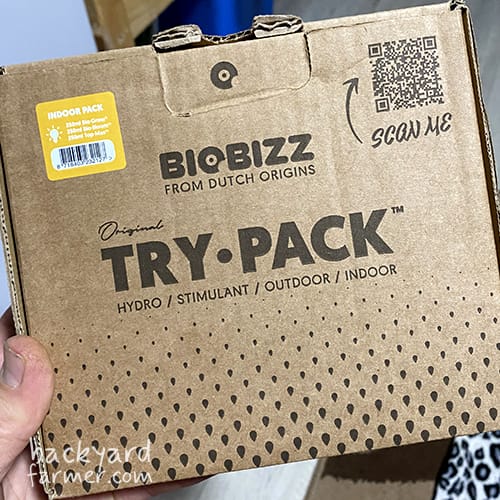
- Bio·Grow – essential
- Bio·Bloom – essential
- Top·Max – useful, but not mandatory
Therefore, starting with the core BioBizz bottles and adding extras later is usually far more cost-effective than buying everything upfront.
A calmer way to think about BioBizz cost
Instead of asking, “How much BioBizz should I use to maximise yield?”, it often helps to reframe the question.
A more useful one is:
“How little BioBizz can I use while keeping my autoflowers healthy and growing steadily?”
That mindset:
- Saves money
- Reduces nutrient problems
- Makes BioBizz feeding simpler and less stressful
The takeaway
If you’re using BioBizz thoughtfully — starting low, avoiding feeding every watering, and adjusting based on leaf colour — your bottles should last longer than you expect.
For most autoflower growers, using less BioBizz doesn’t mean less success. More often, it leads to fewer problems, steadier growth, and better overall value.
Quick Answers: BioBizz & Autoflowers (FAQ)
This section answers the most common questions growers ask when using BioBizz with autoflowers. Each answer is short, practical, and based on real‑world soil growing, not theory or aggressive feed charts.
In most cases, autoflowers perform best with lower‑than‑chart BioBizz dosages. In soil, many growers stay around 1–2 ml/L of BioBizz Grow and 2–4 ml/L of BioBizz Bloom. From there, it’s best to adjust gradually based on leaf colour, rather than pushing maximum chart values.
Yes. Although BioBizz is organic, it’s still possible to overfeed autoflowers. This usually happens when growers feed too early, feed BioBizz every watering, or push Bloom hard in rich or pre‑fertilised soils. As a result, dark green leaves and clawing are often the first warning signs.
Usually no. Most soil‑grown autoflowers respond better to alternating BioBizz feeds with plain water. Otherwise, nutrients can build up in the soil faster than the plant can use them.
It’s generally best to wait until the plant has at least 2–3 true nodes and is growing steadily. Feeding BioBizz too early often causes issues that only show up later in the grow.
No. BioBizz feed charts are a broad reference, not a requirement. In practice, autoflowers usually thrive on lighter BioBizz doses, especially when grown in pre‑fertilised soil.
Yes. BioBizz Grow and BioBizz Bloom provide everything most soil‑grown autoflowers need. Additional products can help in specific situations; however, they aren’t essential for a healthy autoflower grow.
Start low, feed less often, and let leaf colour guide your decisions. Lime green moving toward healthy green usually means BioBizz feeding levels are about right.
Many growers finish with plain water to encourage a natural fade. However, when BioBizz feeding has been light and steady, aggressive flushing is rarely necessary.
Yes. BioBizz is very beginner‑friendly when used conservatively. Most problems come from doing too much, not too little — which is why starting low works so well with autoflowers.
Conclusion
If you take one thing away from this guide, let it be this:
Autoflowers don’t need to be pushed — and BioBizz usually works best when you use less, not more.
When growers ask how much BioBizz to use for autoflowers, the answer is rarely found in pushing chart numbers. Instead, most feeding problems start with good intentions. Feeding too early, feeding too often, or sticking rigidly to BioBizz chart doses can quietly stack nutrients until the plant tips into stress.
By contrast, starting low, avoiding feeding BioBizz every watering, and watching leaf colour keeps things balanced and forgiving. As a result, plants stay healthier and adjustments stay simple.
That’s also why BioBizz suits soil-grown autoflowers so well. It gives you room to adapt as the plant develops. When you let the autoflower set the pace, small, steady tweaks to BioBizz Grow and BioBizz Bloom are usually all that’s needed — rather than dramatic changes.
If you want a simple set of rules to follow, keep it to this:
- Feed later rather than earlier
- Use lower BioBizz doses than the chart suggests
- Adjust slowly based on leaf colour
Stick to those principles and you’ll avoid most BioBizz autoflower feeding problems before they ever start.
For a complete, week-by-week framework that pulls everything together, see the BioBizz Autoflower Schedule guide. This article works alongside it to help you understand not just what to feed, but how much BioBizz and how often to do it with confidence.
In the end, healthy plants, calm feeding, and steady growth will always beat chasing numbers. For official product details and current feeding guidance, you can also refer to BioBizz’s own resources on biobizz.com.