

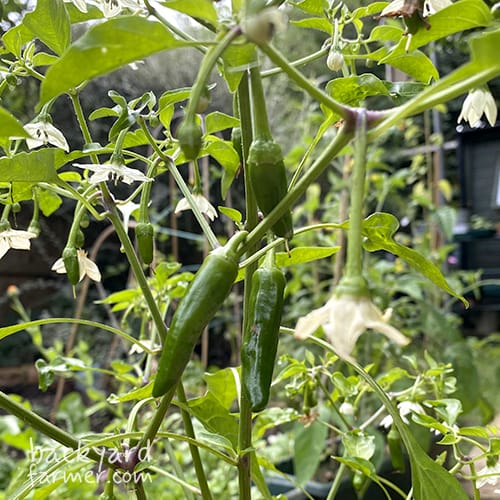
Learning how to grow chillies from seed indoors is easier than you might think—and it’s one of the best small-space gardening projects for UK homes. Whether you’re using a sunny windowsill or a simple LED grow light, you can take chilli seeds from sowing through to strong, healthy young plants ready to grow on.
This guide focuses on the most important stage—getting your chillies started properly—so you avoid weak seedlings, slow growth, and common beginner mistakes early on.
Best chilli varieties to grow from seed indoors (UK)
Not every type of chilli is ideal when growing from seed indoors. For the best results, start with compact, reliable varieties that germinate quickly and grow well in containers.
These smaller chilli plants are easier to manage in the early stages and give you a much higher chance of success when raising plants from seed on a windowsill or under lights.
Compact & Patio Chilli Varieties
| Variety | Habit / Height | Days to Fruit | Heat (SHU) | Best Pot Size | Notes |
|---|---|---|---|---|---|
| Apache F1 (AGM) | Bushy, 45 cm | ~75–80 days | 70k–80k | 20–25 cm | Reliable, RHS AGM winner |
| Basket of Fire F1 | Trailing, 30 cm | ~80 days | 80k+ | Hanging basket / 20 cm | Excellent basket variety |
| Thai Hot | Compact, 20–30 cm | ~65–70 days | 100k+ | 15–20 cm | Small but fiery, perfect windowsill chilli |
| Pretty Purple | Compact, 30 cm | ~70 days | Mild–Medium | 15–20 cm | Colourful ornamental and edible pods |
| Hungarian Hot Wax | Upright, 45–60 cm | ~70–80 days | 5k–15k | 25–30 cm | Early and dependable cropper |
| Cayennetta F1 (AGM) | Upright, 50 cm | ~85 days | 30k–50k | 25–30 cm | Performs well in UK conditions |
Once established, these varieties can all be grown on indoors—see the full indoor chilli growing guide for lighting, feeding, and harvesting tips.
How to Germinate Chilli Seeds Indoors (UK Guide)
Getting chilli seeds to germinate is the most important step in the whole process. Get this right, and everything else becomes much easier. In the UK, success comes down to warmth, consistent moisture, and patience. Chilli seeds are naturally slow and uneven—don’t worry if some sprout earlier than others.
When to Start Chilli Seeds (UK)
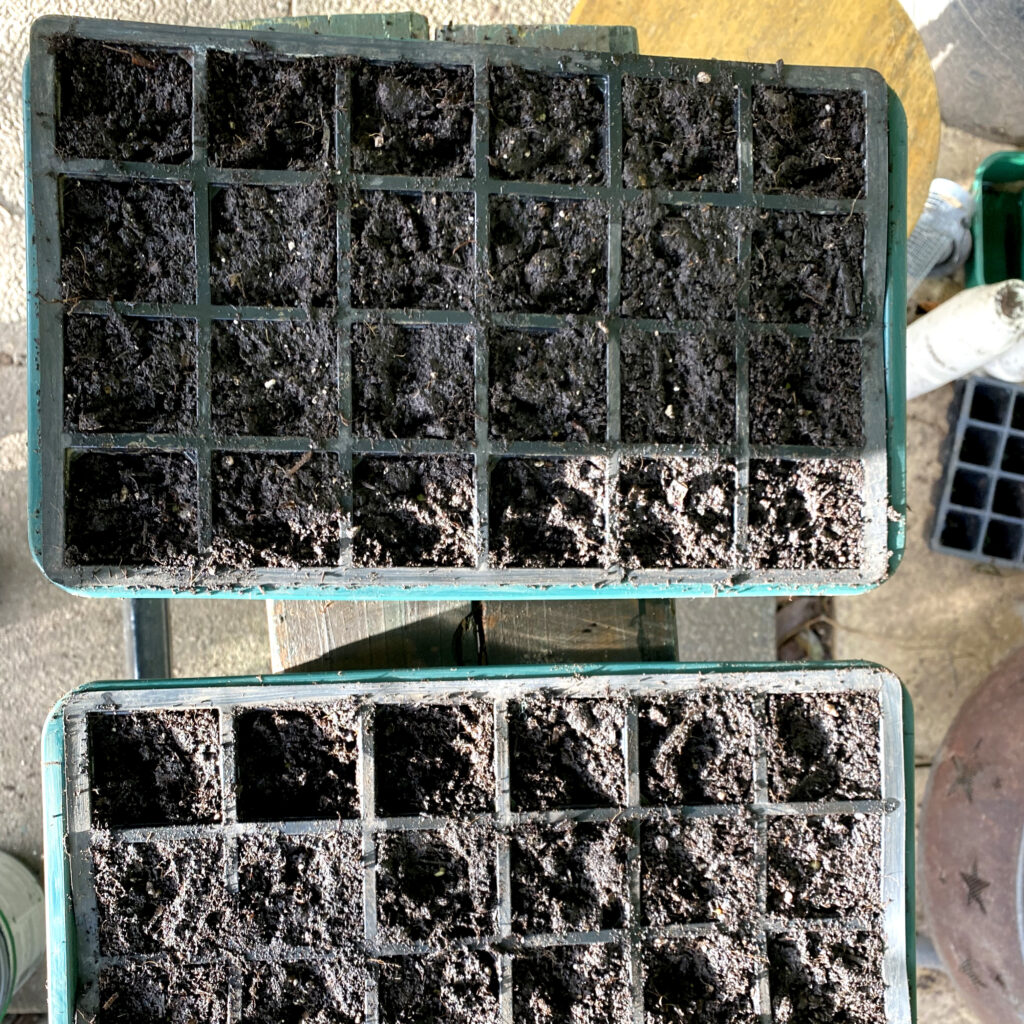
- Best time to start: Sow chilli seeds indoors between January and March. Earlier sowings (January–February) give you a longer growing season and heavier crops, but only if you can provide enough warmth and light.
- Easiest option for beginners: March is often the sweet spot in the UK—days are getting longer, and seedlings are much less likely to struggle or become leggy.
- Later sowings: You can still start seeds in April or even May, especially with compact or fast-growing varieties, but expect a smaller plant and a later harvest.
- Year-round option: With a reliable grow light and consistent warmth, chilli seeds can be started at any time of year—but for most UK growers, late winter to early spring gives the best balance of effort and results.
Starting chillies early? Our guide to growing vegetables under artificial light explains how to provide enough light for healthy seedlings during the darker months.
Germination Temperature & Method
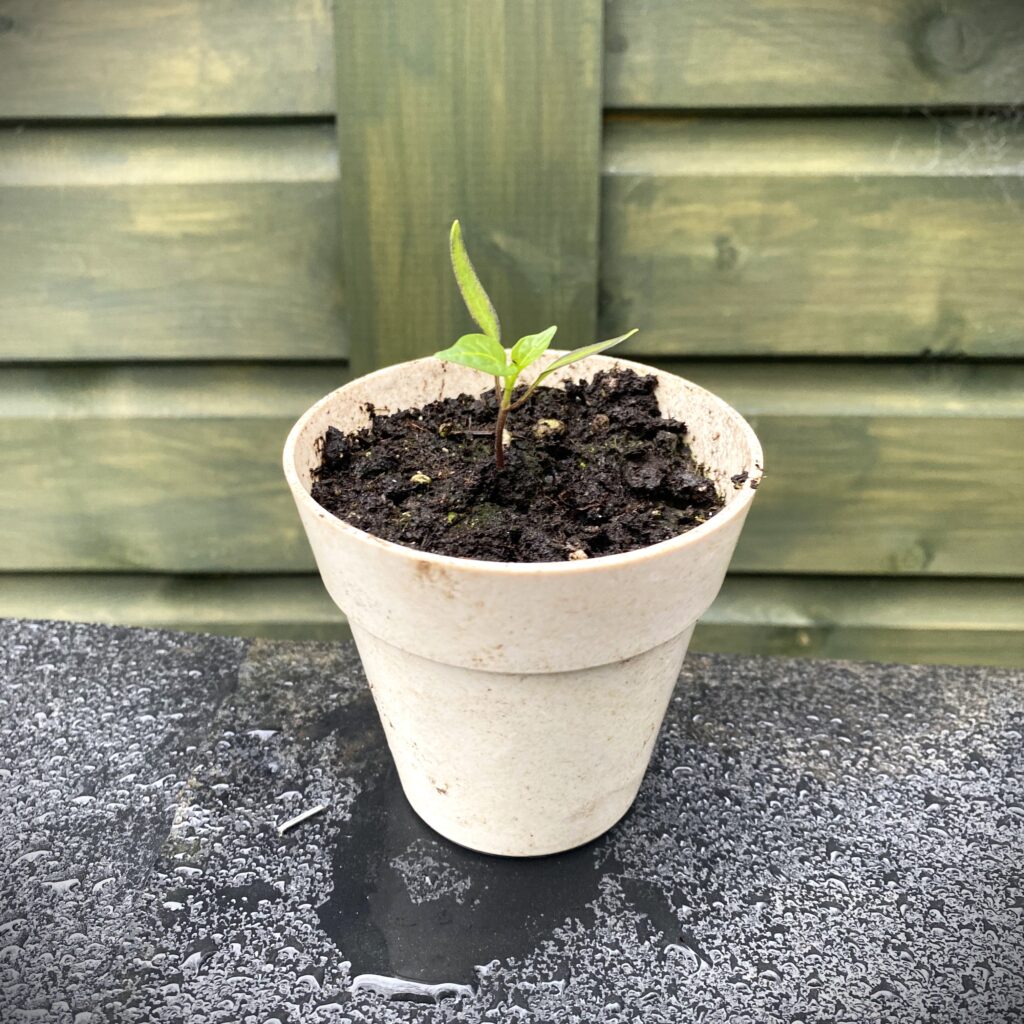
- Ideal temperature: Keep the compost between 21–27°C (around 25°C is the sweet spot). Below 18°C, germination slows right down or may fail altogether.
- Heat source: A heated propagator or heat mat with a thermostat makes a big difference in UK conditions, helping maintain steady warmth day and night.
- Sowing depth: Sow seeds around 5 mm deep in moist, free-draining compost, then lightly cover with compost or a thin layer of vermiculite.
- Humidity: Cover trays with a clear lid or cling film to hold in moisture, but check daily to prevent drying out or excess condensation.
- Germination time: Most chilli seeds sprout within 7–14 days, but some varieties—especially hotter types—can take 3–5 weeks. Don’t give up too early.
Simple Chilli Seed Germination Method (UK Setup)
- Remove the cover as soon as seedlings appear to prevent damping off and mould.
- Fill your tray or pots with moist, fine seed compost (not soaking wet).
- Sow seeds 5 mm deep, spacing them out to avoid overcrowding.
- Lightly cover with compost or vermiculite and gently firm down.
- Place in a warm spot (ideally 21–27°C) or on a heat mat/propagator.
- Cover with a lid or cling film to keep humidity high.
- Check daily to make sure the compost stays lightly moist—not dry or waterlogged.
Preventing Leggy Chilli Seedlings
Low light levels—especially in late winter—are the main reason chilli seedlings become tall, thin, and weak. The fix is simple: give them strong light as early as possible.
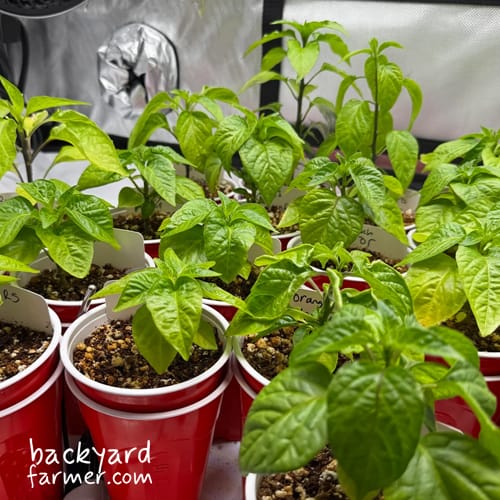
- Act fast: Move seedlings into bright light as soon as they emerge. Even a day or two in low light can cause stretching.
- Use grow lights if needed: In most UK homes, a windowsill alone isn’t enough early in the season. Run full-spectrum LED grow lights for 12–16 hours a day for compact, healthy growth.
- Keep lights close: Position lights just above the seedlings (without touching) so they grow short and sturdy rather than reaching upwards.
- Add airflow: A gentle breeze from a small fan helps strengthen stems and reduce the risk of damping off.
- Pot on correctly: Once true leaves appear, transplant into 7 cm pots. If seedlings are slightly leggy, you can bury part of the stem deeper to stabilise the plant.
✅ Tip: Always sow more chilli seeds than you think you’ll need. Germination can be slow and patchy, so having extras gives you a better chance of raising strong indoor chilli plants.
Best Potting Mix & Containers for Starting Chillies Indoors (UK)
Getting your compost and container choices right early on makes a big difference to how quickly chilli seedlings establish. At this stage, the goal is healthy root development and steady early growth, not large final plants.
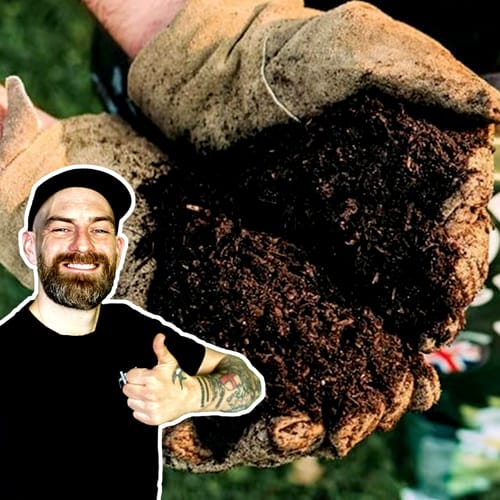
Ideal Compost Mix for Chilli Seedlings
- Base compost: Use a good-quality peat-free multi-purpose compost or seed compost for a sustainable, beginner-friendly option.
- Improve drainage: Mix in 20–30% perlite or horticultural grit to keep the compost light and prevent waterlogging.
- Alternative option: A loam-based compost like John Innes No.2 can be used when potting on, as it holds nutrients and moisture well.
- Avoid garden soil: It compacts easily indoors and may introduce pests or diseases.
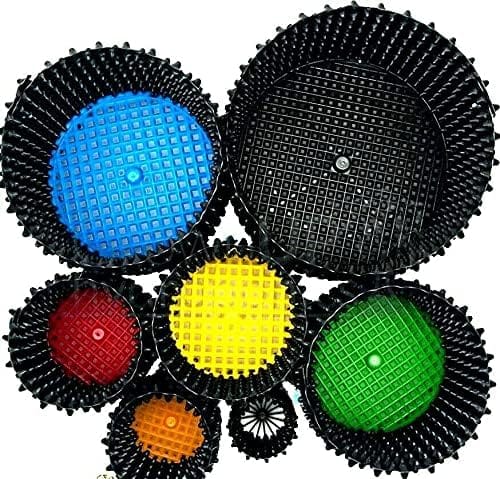
Pots for Seedlings & Early Growth
- Seedling stage: Start in small pots or modules (around 7 cm / 3″) to avoid excess moisture around roots.
- First transplant: Move seedlings into slightly larger pots (around 13 cm / 5″) once roots begin to fill the starter pot.
- Potting on: Always increase pot size gradually—moving up in stages helps prevent overwatering and encourages strong root systems.
⚠️ Always pot up gradually—jumping from small to very large pots often leaves compost too wet, which can damage roots.
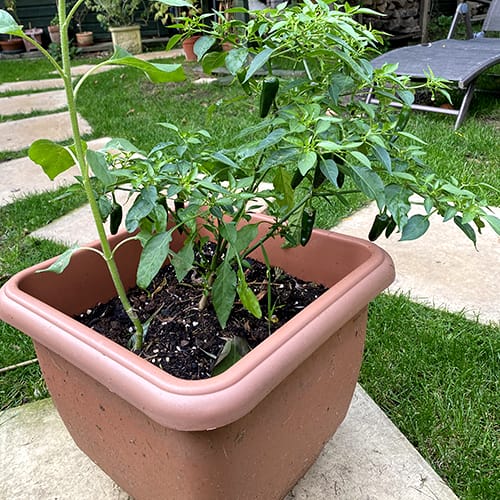
Choosing the Right Container
- Drainage holes: Essential—chilli roots should never sit in water.
- Plastic pots: Retain moisture well, making them a reliable choice for seedlings.
- Terracotta pots: Dry out faster, which can help if you tend to overwater.
- Fabric pots: A breathable option, though more useful later once plants are established.
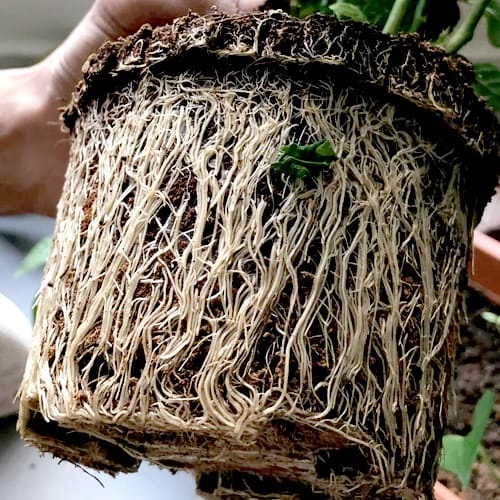
Root Health & When to Pot On
- Watering: Water thoroughly, then allow excess to drain—avoid leaving pots sitting in water.
- When to repot: Look for roots filling the pot, circling the edges, or compost drying out quickly. These are signs your seedlings are ready to move up.
✅ Tip: Each time you pot on your indoor chillies, add a little slow-release fertiliser. It keeps plants fed and growing steadily without extra effort.
Light & Heat for Chilli Seedlings (UK Guide)
Chilli seedlings need warmth and strong light from day one. In the UK, low light—especially in late winter—is the main cause of weak, leggy growth, so getting this right early makes a big difference.
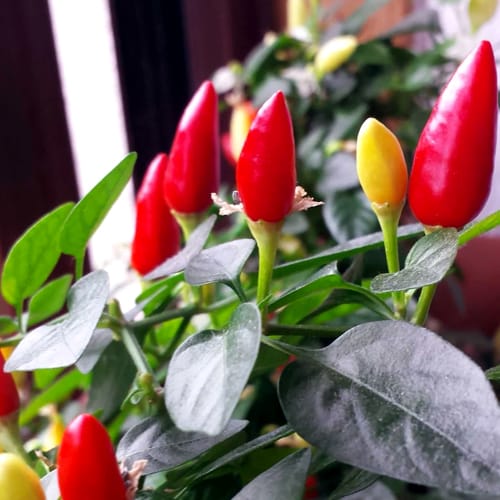
Growing Seedlings on a Windowsill
- Best spot: A south-facing windowsill with at least 5–6 hours of direct sun.
- East/West-facing windows: These can work later in the season, but early sowings often need extra light support.
- Rotate pots: Turn seedlings every few days to stop them leaning toward the light.
- Watch for cold: Keep seedlings away from cold glass and draughts, especially at night.

Using LED Grow Lights (Recommended for Early Sowing)
- Light duration: Run 12–16 hours per day to keep seedlings compact and healthy.
- Light distance: Keep LEDs close to seedlings (around 20–30 cm) without touching.
- Why it matters: If light is too weak or too far away, seedlings will stretch quickly and become unstable.
Temperature Matters Too
Avoid placing them near cold windows or fluctuating temperatures.
Keep seedlings in a warm environment (18–24°C after germination).
✅ Tip: If you’re starting chillies in January or February, a small LED grow light is often the difference between strong, stocky plants and tall, weak ones.
Once your plants are established, lighting, airflow, and spacing become more important—covered in the full indoor chilli growing guide.
Watering & Feeding Chilli Seedlings (UK Guide)
Getting watering right early on is key to healthy chilli seedlings. At this stage, the focus is steady moisture and gentle growth, not heavy feeding.
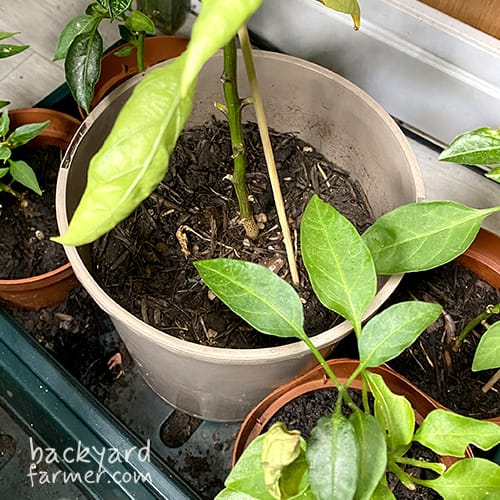
Watering Chilli Seedlings
- Light but consistent: Keep compost lightly moist, not soaking wet. Seedlings are more sensitive to overwatering than mature plants.
- Check before watering: Let the top layer of compost dry slightly before watering again—avoid constantly wet conditions.
- Water thoroughly: When you do water, do it properly until moisture reaches the roots, then allow excess to drain away.
- Avoid sitting water: Always empty saucers after watering to prevent root rot.
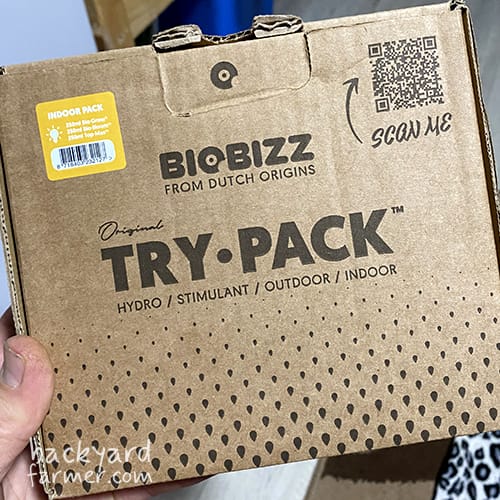
Feeding in Early Growth
- Seedlings (first few weeks): Fresh compost contains enough nutrients—no feeding needed at this stage.
- After establishment: Once seedlings are growing steadily and have a few sets of true leaves, you can begin a light liquid feed every 2–3 weeks.
- Keep it gentle: Avoid strong feeds early on—overfeeding can damage young roots and lead to weak growth.
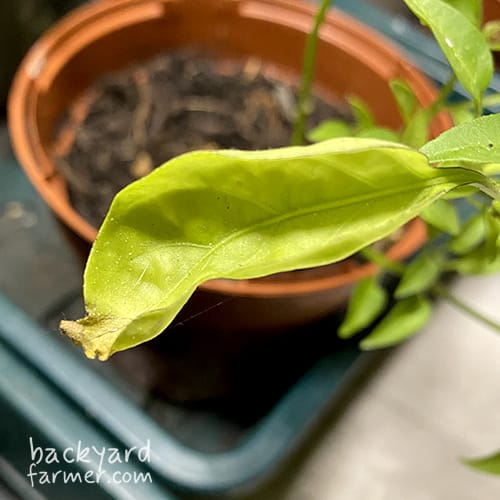
Common Early Issues
- Drooping seedlings: Often caused by overwatering—check compost before adding more water.
- Yellowing early leaves: Usually normal as seedlings develop, but persistent yellowing may mean it’s time for a light feed.
- Slow growth: Often linked to low light or cool temperatures rather than feeding—check conditions first.
Tip: Once your chilli plants are established and growing strongly, feeding becomes more important—especially during flowering and fruiting. This is covered in the full indoor growing guide.
Common Chilli Seedling Problems (Quick Fix Table)
Even with the right setup, chilli seedlings can run into problems early on. Use this quick guide to spot common issues and fix them fast, keeping your plants on track from the start.
Quick Fix Table for Growing Chillies Indoors
| Problem | Symptom | Likely Cause | Quick Fix |
|---|---|---|---|
| Leggy seedlings | Tall, thin, weak stems | Low light | Move under LED lights, increase brightness, or transplant deeper |
| Damping off | Seedlings collapse at soil level | Overwatering, poor airflow | Reduce watering, improve airflow, remove affected plants |
| Slow germination | Seeds taking weeks to sprout | Low temperature | Increase warmth (heat mat/propagator) |
| Fungus gnats | Tiny flies around compost | Overwatering | Let surface dry, use sticky traps, top with grit |
| Yellowing early leaves | Pale or yellow seedlings | Overwatering or nutrient depletion | Adjust watering, introduce light feed if established |
Once your plants mature, pests, feeding, and airflow become more important—see the full indoor chilli growing guide for advanced troubleshooting.
Tip: Most early chilli problems come down to light, temperature, and watering. Get these right, and your seedlings will establish quickly and grow on without issues.
Growing Chillies Indoors Year-Round
Once established, chillies can be grown indoors year-round with the right setup.
👉 See the full indoor chilli growing guide for lighting setups, feeding schedules, and year-round growing tips.
Essential Equipment for Starting Chilli Seeds Indoors
You don’t need much to get started—just a few simple tools to create the right conditions for germination.
- Seed trays or small pots – Ideal for starting chilli seeds without overwatering
- Heated propagator or heat mat – Helps maintain the 21–27°C needed for reliable germination
- Clear lid or cover – Keeps humidity high during early stages
- Basic LED grow light (optional) – Useful for early sowings when natural light is low
Indoor Chilli Growing FAQs (UK Guide)
These are the most common questions UK gardeners ask about growing chillies indoors—answered clearly to help you get better results.
Sow chilli seeds indoors between January and March. Earlier sowings need extra warmth and light, while March is often the easiest starting point for beginners.
Most chilli seeds sprout within 7–14 days, but some varieties can take up to 3–5 weeks, especially in cooler conditions.
Aim for a steady 21–27°C, with around 25°C as the sweet spot. Lower temperatures slow germination or stop it completely.
Yes—seedlings need strong light as soon as they emerge. A south-facing windowsill can work, but early in the season a grow light is often needed to prevent leggy growth.
Keep compost lightly moist, not soaking wet. Let the surface dry slightly between watering to avoid overwatering and damping off.
Once seedlings develop true leaves and roots fill the pot, move them into a slightly larger container to support steady growth.
Sometimes, but results can be unpredictable. For reliable germination and better flavour, it’s best to use named varieties from trusted UK suppliers.
💡 Tip: Once your chilli plants are established, feeding, pruning, and pollination become more important—covered in the full indoor chilli growing guide.
Final Thoughts
Starting chillies from seed indoors might seem tricky at first, but once you get the basics right—warmth, light, and steady care—it quickly becomes one of the most rewarding things you can grow at home.
By focusing on strong germination and healthy early growth, you’ll set your plants up for success long before they reach maturity. Most problems happen in these early stages, so getting this part right makes everything that follows much easier.
👉 Once your seedlings are established, the next step is helping them grow, flower, and produce—follow the full indoor chilli growing guide to take your plants all the way through to harvest.
Continue your indoor growing & seed-starting journey
- How to grow tomatoes indoors — a complete guide – Detailed tips on growing another popular crop inside, including light, watering, and support strategies
- Top-10 easy indoor vegetables to grow – Find other beginner-friendly veg that are ideal for indoor gardening setups alongside chillies
- Best indoor vegetable garden kits for small spaces – Discover kits and tools that make starting seeds and growing indoors easier and more productive