Introduction
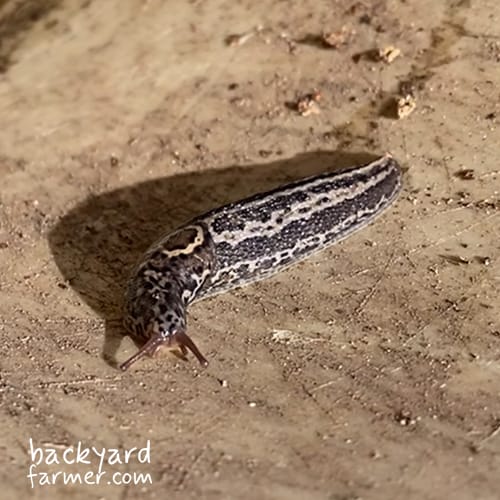
Slugs can undo weeks of careful gardening in a single damp night. One evening everything looks healthy; by morning, your lettuce has vanished, seedlings are stripped to stems, and your prized hostas look like lace. So if you are searching for how to get rid of slugs naturally in the UK, you are definitely not alone. More importantly, you are right to question pellets and harsh chemicals.
When people look up how to get rid of slugs permanently, what they usually want is control without damaging their garden ecosystem. That is exactly where natural slug control comes in.
Why Natural Slug Control Works Better
First of all, effective natural slug control is not about declaring war on every slug you see. Instead, it is about understanding the bigger picture. Slugs show up for a reason — moisture, shelter, and food — and when we change those conditions, we change the outcome.
In practice, that means you:
- Understand where slugs come from and why they thrive
- Reduce damp conditions they depend on
- Use layered, wildlife-friendly slug deterrents that work long term
When you approach it this way, organic slug control becomes far more effective. At the same time, you protect birds, hedgehogs, soil life, and pets — while still safeguarding your crops.
What This Guide Covers
In this UK-focused guide, I’ll walk you through practical, down-to-earth steps you can use straight away. Specifically, you will learn how to:
- Get rid of slugs naturally in the garden
- Get rid of slugs in the house or kitchen
- Use copper tape for slugs and other physical barriers correctly
- Encourage natural slug predators in the UK and understand what eats slugs in the UK
- Apply safe, layered slug prevention methods
- Protect pets with genuinely pet-friendly and dog-safe slug control methods
Whether you are dealing with slugs in raised beds, finding them indoors, or trying to avoid chemical pellets altogether, the goal stays the same.
Reduce slug population pressure and make your space less inviting — without resorting to chemicals.
So rather than chasing slugs one by one, let’s focus on the methods that create real, long-term control.
How to Get Rid of Slugs in the Garden
If you are seeing shredded leaves, vanishing seedlings, or slime trails across your beds, this is where you need to focus. However frustrating it feels, learning how to get rid of slugs in the garden naturally starts with one simple truth: no single trick will fix it.
Instead, the most effective form of natural slug control combines long-term population management with practical physical barriers. In other words, improve the environment first — and then protect what matters most.
Tier 1 – Long-Term Population Control (Most Effective)
First and foremost, these methods reduce slug pressure over time rather than simply reacting to damage. If you are serious about how to get rid of slugs permanently, this is where your effort should go.
1. Encourage Natural Slug Predators in the UK
One of the strongest forms of organic slug control is biodiversity. While slugs can be a nuisance, they are also part of the food chain — and understanding what eats slugs in the UK changes the strategy entirely.
Common natural slug predators in the UK include:
- Robins and thrushes
- Blackbirds and corvids
- Hedgehogs
- Frogs and toads
- Ground beetles
By providing shelter, adding water sources, and avoiding chemical pellets, you allow these predators to regulate slug populations naturally. As a result, you build balance into your garden instead of constantly fighting outbreaks.
2. Keep Poultry (If It Suits Your Space)
If you have the space, chickens and ducks offer extremely effective natural slug control. For example, allowing poultry controlled access to beds during non-growing periods can significantly reduce overwintering populations.
They help by:
- Actively foraging for slugs and snails
- Disturbing soil and exposing eggs
- Adding natural fertiliser as they go
That said, manage them carefully. Otherwise, they will help themselves to your crops as well.
3. Reduce Moisture and Hiding Places
Slugs thrive in damp, sheltered microclimates. Therefore, effective slug prevention methods always focus on moisture control.
Start by:
- Removing piles of damp wood or debris
- Lifting pots and trays off the ground
- Increasing airflow between plants
- Improving drainage in heavy soils
- Avoiding thick mulches around vulnerable seedlings
Often, improving drainage and airflow alone reduces slug pressure within weeks.
Tier 2 – Physical Barriers (Strong Supporting Defences)
While habitat management tackles the root cause, barriers protect specific crops. Used correctly, they form a reliable part of your overall slug deterrent strategy.
4. Copper Tape for Slugs (Copper Rings & Barriers)
Many gardeners ask, does copper tape for slugs really work? Copper reacts with slug slime and creates a mild deterrent sensation. As a result, many slugs turn away rather than cross it.
However, for copper tape for slugs to work properly, you must:
- Create a complete, unbroken ring
- Keep the surface clean and free from heavy oxidation
- Install it around pots, planters, or raised beds
Copper is a targeted barrier. It protects what sits inside the boundary, but it does not reduce overall garden populations.
5. Slug-Proof Raised Beds & Elevation
Well-designed slug-proof raised beds make slug management far easier because they allow you to:
- Improve drainage
- Control soil conditions
- Install copper barriers neatly
- Monitor activity more easily
On their own, raised beds will not eliminate slugs. Nevertheless, when combined with predator support and moisture control, they significantly reduce crop damage.
6. Thorny or Abrasive Barriers (Bramble, Grit, Eggshells)
Sharp or abrasive materials can act as mild slug deterrents, particularly in dry conditions.
You can use:
- Bramble cuttings
- Horticultural grit
- Crushed eggshells
However, in wet weather, slugs often move across these surfaces with little trouble. Therefore, treat them as supplementary tools — not primary solutions.
Tier 3 – Natural Slug Deterrents (Use Alongside Other Methods)
Finally, certain natural slug deterrents can reduce pressure when used as part of a layered approach.
7. Do Coffee Grounds Deter Slugs?
Used coffee grounds may deter slugs temporarily due to their texture and smell. However, evidence remains mixed.
If you use coffee grounds for slugs:
- Apply them thinly
- Avoid thick, damp layers that create mould
- Keep treated areas away from pets
- Expect reduced effectiveness in prolonged wet weather
As an added benefit, used coffee grounds add organic matter to soil over time. Still, they work best as a minor deterrent within a broader organic slug control plan.
8. Slug-Resistant & Companion Plants
Some plants are less appealing to slugs, especially strongly scented herbs.
For instance:
- Lavender
- Rosemary
- Thyme
Planting slug-resistant plants around vulnerable crops may reduce browsing pressure. Even so, they will not eliminate slugs entirely — they simply make high-value plants less attractive.
9. Beer Traps (Targeted Reduction Only)
Beer traps attract and drown slugs, and they can reduce numbers locally. However, they also have clear limitations.
- They may draw slugs in from neighbouring areas
- They require regular emptying and maintenance
- They do not address breeding conditions
Therefore, use beer traps strategically rather than relying on them alone.
Long-Term Garden Strategy
If you are still wondering how to get rid of slugs permanently, remember this: long-term control comes from habitat management.
Encourage natural slug predators in the UK. Reduce damp hiding spots. Use copper tape for slugs where needed. Build slug-proof raised beds. Then layer these slug prevention methods together.
No single solution works on its own. However, when combined, these natural slug control strategies dramatically reduce damage — without chemicals and without upsetting the wider ecosystem.
What NOT to Do (And Why It Doesn’t Work Long Term)
When you’re searching for how to get rid of slugs naturally, it’s tempting to reach for the quickest solution you can find. After all, when seedlings disappear overnight, patience isn’t exactly top of mind. However, many common slug control methods either harm wildlife, damage soil health, or completely miss the root cause.
So before you grab the salt, vinegar, or pellets, it’s worth understanding what these methods actually do — and why they rarely deliver long-term results.
Does Salt Kill Slugs? (What Does Salt Do to Slugs?)
Yes, salt kills slugs. It draws moisture out of their bodies through osmosis, which leads to dehydration.
However, while salt appears effective in the moment, it comes with several downsides:
- It causes prolonged suffering rather than quick control
- It damages surrounding soil structure
- It increases soil salinity in beds and borders
- It does nothing to reduce overall slug populations
In other words, salt treats the visible slug — not the wider infestation. If damp shelter and food remain available, more slugs will replace the ones you’ve killed. Therefore, salt is not true natural slug control; it is simply a short-term reaction.
Does Vinegar Kill Slugs?
Yes, vinegar will kill slugs because its acidity damages their soft tissue.
That said, vinegar presents similar problems to salt:
- It causes unnecessary distress
- It can harm nearby plants
- It disrupts beneficial soil organisms
- It provides no lasting slug prevention
Again, vinegar does not change the environment that attracted slugs in the first place. As a result, it fails to support long-term organic slug control.
Are Slug Pellets Safe? (Including Dogs)
A common question is: are slug pellets safe for dogs?
Traditional slug pellets containing metaldehyde are toxic to pets, birds, and wildlife. Even small amounts can cause serious poisoning, which is why their use has faced increasing restrictions.
Iron phosphate pellets are marketed as safer alternatives because they break down into nutrients in the soil. Nevertheless, they still have limitations:
- Dogs can suffer digestive upset if they ingest enough
- They do not solve damp or habitat issues
- Overuse can disrupt natural garden balance
Therefore, while iron phosphate is less harmful than older formulations, it still does not replace proper habitat management. If you are aiming for genuinely dog-safe slug control, reducing reliance on pellets altogether is usually the better long-term strategy.
Why Killing Slugs One by One Doesn’t Work
If you are wondering how to get rid of slugs permanently, direct killing rarely delivers that outcome.
Slugs:
- Lay hundreds of eggs each year
- Thrive in damp, sheltered microclimates
- Recolonise quickly from neighbouring gardens
Consequently, unless you reduce moisture, remove hiding spots, and encourage natural slug predators in the UK, the cycle simply repeats.
Long-term slug prevention comes from changing conditions — not reacting to individual slugs you happen to see.
The Better Approach: Natural Slug Control That Lasts
Instead of relying on reactive or chemical-heavy methods, focus on proven slug prevention methods:
- Reduce damp microclimates
- Improve airflow and drainage
- Encourage natural slug predators
- Use physical barriers such as copper tape for slugs
- Layer multiple strategies together
As a result, you protect wildlife, pets, and soil health while still reducing crop damage.
In the long run, this balanced, habitat-based approach works far better than any quick fix. It supports genuine organic slug control — and that’s what actually keeps numbers down.
How to Get Rid of Slugs in the House or Kitchen
Finding a slug stretched across your kitchen floor first thing in the morning is never pleasant. However, it rarely means your home is “infested.” More often than not, it signals an underlying issue — usually damp, easy access, or a food source.
So if you’re searching for how to get rid of slugs in the house or how to get rid of slugs in the kitchen, don’t focus on the single slug you can see. Instead, focus on why it came in — and how to stop the next one.
Why Do Slugs Come Into the House?
Slugs enter homes for three main reasons:
- Moisture
- Food sources
- Easy access points
Because they are nocturnal, they move under cover of darkness. At the same time, they can squeeze through surprisingly small gaps around doors, pipes, and brickwork. Therefore, if your home offers damp conditions and something edible, they will explore.
In other words, they respond to opportunity — not malice.
Step 1 – Find Where Slugs Are Getting In
If you want to know how to keep slugs out of the house, start by locating the entry point. Otherwise, you’re simply removing individual slugs while others continue to enter.
Use a torch at night and look for reflective slime trails. Tilt the beam slowly at different angles — the silvery residue will catch the light. Once you find a trail, follow it carefully back to its source.
Common entry points include:
- Air bricks
- Gaps under door sweeps
- Cracked mortar
- Pipe entry points
- Unsealed utility penetrations
Once identified, seal gaps properly with exterior-grade silicone, mesh covers, or suitable filler. Even small openings are enough for a determined slug.
Step 2 – Remove What Attracts Them
Next, address what is drawing them indoors. If you are specifically dealing with slugs in the kitchen, attraction is usually the main factor.
Common attractants include:
- Pet food left down overnight
- Food scraps or crumbs
- Spilled drinks
- Damp flooring or condensation
Therefore, store pet food in sealed containers, wipe surfaces before nightfall, and dry damp areas thoroughly. These simple habits often reduce slug activity quickly.
Step 3 – Address Damp Issues
Since slugs depend on moisture to survive, persistent indoor appearances often indicate excess damp.
Check for:
- Leaking pipes
- Poor ventilation
- Condensation build-up
- Damp walls or flooring
Improving airflow, repairing leaks, or running a dehumidifier tackles the issue at its source. In many cases, once you reduce moisture, slugs stop returning.
How to Get Rid of Slugs Around the House (Long Term)
If you are wondering how to get rid of slugs around the house UK-wide, the answer is prevention and habitat control.
- Seal structural gaps
- Improve drainage around foundations
- Keep door thresholds tight-fitting
- Avoid storing damp materials against exterior walls
As a result, you remove both access and attraction. Importantly, you do not need salt, vinegar, or slug pellets indoors. Once you control entry points and moisture levels, the problem usually resolves.
When to Seek Professional Help
However, if slugs continue appearing despite sealing and cleaning, you may be dealing with a deeper structural damp issue. In that case, speaking to a builder or damp specialist makes sense.
Most of the time, though, indoor slug problems are a symptom — not the root cause.
Fix the conditions, and the slugs disappear.
Dog-Friendly Ways to Get Rid of Slugs
If you share your garden with a dog, slug control isn’t just about protecting plants — it’s about protecting your pet too. In many cases, it quickly becomes a health concern rather than a simple gardening nuisance.
It’s no surprise that people regularly search for how to get rid of slugs pet friendly or dog-safe slug control. Traditional slug pellets, harsh chemicals, and even some “natural” remedies can create real risks for curious dogs who sniff, lick, and chew first — and think later.
So here’s how to get rid of slugs naturally while keeping your garden safe for pets.
Why Slugs Can Be Dangerous to Dogs
Slugs and snails can carry lungworm (Angiostrongylus vasorum), a parasite that dogs may contract if they ingest a slug, a snail, or even a contaminated toy.
While not every slug carries lungworm, the risk increases in damp conditions and during peak slug seasons. Therefore, the wetter the environment, the more cautious you need to be — especially if your dog spends a lot of time outdoors.
Dogs are most at risk when they:
- Eat slugs directly
- Chew toys left outside overnight
- Drink from contaminated water bowls
For that reason, preventative slug management and natural slug control matter — particularly in gardens where pets roam freely.
Are Slug Pellets Safe for Dogs?
A common question is: are slug pellets safe for dogs?
First and foremost, avoid metaldehyde pellets. They are toxic to dogs and wildlife, and even small quantities can cause serious poisoning.
Iron phosphate pellets are often marketed as safer alternatives. However, if a dog eats enough of them, they can still cause digestive upset. In addition, pellets do not solve the root issue — they only reduce visible numbers temporarily.
So if you want genuinely pet-friendly slug control, focus on habitat management, physical barriers, and natural slug predators in the UK instead of relying on pellets.
Be Careful with Coffee Grounds
Many gardeners ask whether coffee grounds for slugs are safe around pets. Used coffee grounds may deter slugs; however, caffeine can be harmful to dogs if consumed in sufficient amounts.
If you choose to use coffee grounds as a slug deterrent:
- Apply them thinly
- Keep them inside raised beds
- Prevent dogs from accessing treated areas
Above all, avoid scattering large quantities in open areas where pets roam freely.
The Safest Long-Term Dog-Friendly Slug Control
Ultimately, the safest and most reliable dog-friendly slug control methods are environmental ones.
- Encourage natural slug predators in the UK
- Reduce damp hiding spots
- Install copper tape for slugs on pots and beds
- Keep lawns trimmed and airflow moving
By improving conditions rather than adding toxins, you reduce slug pressure naturally. At the same time, you protect your dog, support wildlife, and maintain a balanced ecosystem.
Simple Prevention Tips for Dog Owners
Finally, a few small habits significantly reduce risk:
- Bring toys indoors at night
- Empty outdoor water bowls before dusk
- Check for slugs during wet evenings
- Maintain regular veterinary parasite prevention
Slug control and dog safety go hand in hand. After all, the goal isn’t just healthy plants — it’s a garden that feels safe for pets, wildlife, and family life.
When in doubt, prevention, habitat management, and layered natural slug control will always beat chemical intervention.
Understanding the Enemy: Why Slugs Thrive
If you want to know how to get rid of slugs permanently, you first need to understand why they are there in the first place.
Slugs are not random invaders. Instead, they respond directly to environmental conditions. When moisture, shelter, and food are readily available, slug populations increase quickly. Therefore, rather than constantly reacting with quick fixes, it makes far more sense to change the conditions that attract them.
Understanding where slugs come from — and why they thrive — forms the foundation of effective natural slug control.
Slugs Depend on Moisture
First and foremost, slugs need moisture to survive. Because their bodies are soft and lose water easily, they actively seek damp, sheltered environments.
As a result, slug activity usually increases:
- After rainfall
- In heavily mulched beds
- In dense planting with limited airflow
- In shaded areas with poor drainage
If your garden holds moisture overnight, it effectively becomes ideal slug habitat. Therefore, reducing excess damp — especially around young seedlings — is one of the most important slug prevention methods you can use.
In many cases, simply improving airflow and drainage significantly lowers slug pressure.
Slugs Are Nocturnal (Why Damage Appears Overnight)
Many gardeners rarely see slugs during the day and assume there are only a few present. However, that assumption is rarely accurate.
In reality, slugs:
- Hide during daylight hours
- Feed at night
- Travel surprisingly long distances in search of food
Consequently, damage appears “overnight” because that is when slugs are most active.
This behaviour also explains why slugs come into houses at night. After dark, they move freely in search of moisture and food, and if your home provides either, they will explore.
If you want a clearer picture of activity levels, check your beds with a torch after dark. In most cases, you will quickly identify hotspots and hiding areas.
Slugs Lay Large Numbers of Eggs
Another key factor is reproduction. A single slug can lay hundreds of eggs each year in moist soil or beneath debris.
You will often find eggs:
- Under pots
- Beneath stones
- In compost heaps
- In undisturbed corners of beds
If these areas remain untouched, new generations quickly replace any adults you remove. For that reason, simply killing visible slugs rarely delivers long-term results.
Effective organic slug control always considers breeding conditions as well as adult slugs.
Slugs Are Part of the Garden Ecosystem
Although frustrating, slugs play a natural role. They help break down decaying plant matter and, in turn, provide food for birds, hedgehogs, frogs, beetles, and other natural slug predators in the UK.
Therefore, a completely slug-free garden is unrealistic — and, in many cases, not desirable either.
The goal of natural slug control is balance, not eradication.
What This Means for Long-Term Slug Control
Once you understand slug behaviour, your strategy shifts.
Instead of relying on salt, vinegar, or pellets, focus on proven slug prevention methods such as:
- Reducing damp shelter
- Improving airflow and drainage
- Encouraging natural slug predators in the UK
- Protecting vulnerable crops during peak activity
When you remove the conditions slugs depend on, populations stabilise naturally. Over time, crop damage becomes manageable without constant intervention.
That is how you move from short-term reactions to long-term, sustainable slug control — and that is where real progress begins.
Frequently Asked Questions About Slug Control
Below are some of the most common questions gardeners ask about natural slug control, slug prevention, and long-term management.
Many gardeners ask whether coffee grounds for slugs actually work. Used coffee grounds may deter slugs temporarily because of their texture and smell; however, results are mixed. They perform better in dry conditions and as part of a layered natural slug control strategy rather than as a stand-alone fix.
In prolonged wet weather, thick layers often become mouldy and lose effectiveness. Therefore, if you use coffee grounds as a slug deterrent, apply them sparingly around vulnerable plants and keep them away from areas where pets have access.
If you are wondering what eats slugs in the UK, the short answer is: quite a lot of wildlife. Common natural slug predators in the UK include robins, thrushes, blackbirds, hedgehogs, frogs, toads, ducks, chickens, and ground beetles.
Consequently, encouraging biodiversity is one of the most reliable long-term forms of organic slug control. By providing shelter and water — and avoiding chemical slug pellets — you allow these predators to regulate slug populations naturally.
A common concern is whether slug pellets are safe for dogs. Traditional metaldehyde slug pellets are highly toxic to dogs and wildlife, so you should avoid them entirely.
Iron phosphate pellets are marketed as safer alternatives; however, if a dog eats enough, they can still cause digestive upset. For that reason, if you want genuinely dog-safe or pet-friendly slug control, focus on habitat management, natural slug predators, and physical barriers instead of relying on pellets.
Slugs are nocturnal, so they move and feed after dark. At the same time, they actively search for moisture, food, and shelter. This explains why slugs come into houses at night, particularly during damp weather.
They often enter through small gaps around doors, air bricks, pipes, or cracks in mortar. Damp conditions — along with pet food left overnight — make indoor spaces more attractive. Therefore, sealing entry points and reducing moisture usually resolves the problem.
Many gardeners ask whether copper tape for slugs actually works. Copper can deter slugs because it reacts with their slime and creates a mild deterrent sensation. As a result, many slugs turn away rather than cross it.
That said, copper works best when you install it as a complete, clean ring around pots or slug-proof raised beds. Importantly, it is a barrier method — it protects specific plants but does not reduce overall slug populations.
There is no single permanent solution; however, long-term success comes from combining proven slug prevention methods.
To get rid of slugs permanently, focus on:
– Reducing damp shelter
– Improving drainage and airflow
– Encouraging natural slug predators in the UK
– Protecting vulnerable crops with physical barriers
When you layer these natural slug control strategies together, slug pressure drops significantly — without relying on chemicals or harmful pellets.
Quick Summary: The Backyard Farmer Method
If you want to get rid of slugs naturally — without harming wildlife, pets, or soil health — you need a clear plan. In other words, effective natural slug control comes from strategy, not shortcuts.
Here’s the simple framework I stick to for long-term, organic slug control in UK gardens:
1. Encourage Natural Slug Predators in the UK
First, support birds, hedgehogs, frogs, beetles, and, where suitable, poultry. When you understand what eats slugs in the UK, you quickly realise biodiversity is one of the strongest slug prevention methods available.
As a result, natural slug predators regulate populations steadily rather than allowing constant boom-and-bust cycles. Over time, this creates balance instead of repeated outbreaks.
2. Reduce Damp Hiding Spots (Slug Prevention at the Source)
Next, remove debris, lift pots, improve airflow, and fix drainage problems. Because slugs depend on moisture, reducing damp microclimates directly limits their breeding and feeding conditions.
Consequently, this habitat management approach delivers far more reliable results than reactive measures. In many cases, small changes to drainage and airflow noticeably reduce slug pressure.
3. Protect Vulnerable Crops with Physical Barriers
Then, protect what matters most. Use copper tape for slugs, well-built slug-proof raised beds, and targeted physical barriers around seedlings and high-value plants.
While you won’t eliminate slugs entirely, you will significantly reduce crop damage. In addition, combining barriers with habitat control strengthens overall natural slug control.
4. Layer Your Slug Control Methods
Finally, combine everything. No single technique works on its own; however, when you layer habitat management, predator support, and practical slug deterrents together, you create meaningful long-term control.
This layered approach moves you closer to getting rid of slugs permanently — without chemicals, pellets, or harsh interventions.
A completely slug-free garden isn’t realistic — and, truthfully, it isn’t ecologically desirable either. Instead, aim for balance and sustainable slug management.
Once you understand where slugs come from and adjust the environment accordingly, slug pressure drops naturally. As a result, you spend less time reacting and more time growing.
That’s how you move from constantly reacting to slugs… to managing them with confidence and control.