Introduction
Autumn might feel like the end of the growing season. However, for vegetable gardeners in the UK, it’s actually one of the best times to plant vegetables and prepare for the months ahead.
Even though summer harvests are finishing up, the soil is still holding warmth from the long sunny months. At the same time, cooler air temperatures and more reliable rainfall create excellent conditions for young plants to establish strong roots. Because of this, autumn planting in the UK can be surprisingly productive.

In fact, many of the best vegetables to plant in autumn in the UK are hardy crops that establish before winter and grow strongly the following spring.
Common autumn vegetables include:
- Garlic
- Onion sets
- Broad beans
- Hardy salad leaves such as spinach, rocket, and winter lettuce
Once these crops settle in, they quietly develop roots through the colder months. Then, when temperatures rise again in spring, they grow quickly and often produce harvests weeks earlier than vegetables planted later in the year.
Autumn planting also helps keep your vegetable beds productive instead of sitting empty. Rather than leaving gaps after summer crops finish, you can continue growing by planting seasonal crops throughout early and mid‑autumn.
Quick List – Vegetables to Plant in Autumn UK
If you’re wondering what vegetables to plant in autumn in the UK, the good news is that there are still plenty of crops you can grow. Autumn planting can keep your vegetable garden productive long after summer harvests have finished.
Veg to Plant in September
Common vegetables to plant in September include:
- Spinach
- Lettuce
- Rocket
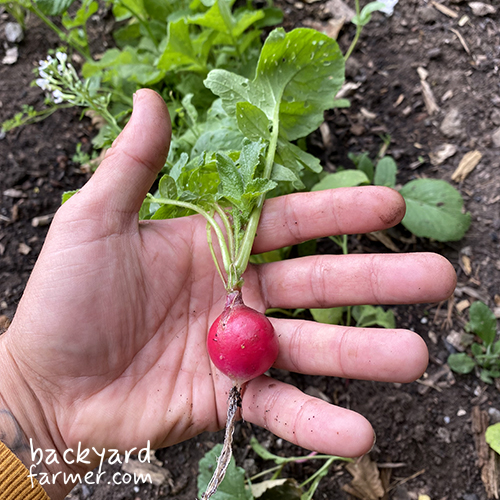
- Radish
- Spring cabbage
Veg to Plant in October
Popular vegetables to plant in October in the UK include:
- Garlic
- Onion sets
- Broad beans
- Spinach
Green manures such as grazing rye, mustard, field beans, or phacelia are especially useful at this time of year. Not only do they protect the soil through winter, but they also improve soil structure, suppress weeds, and add organic matter when they are later dug back into the beds.
Why Autumn Is a Great Time for Vegetable Planting
Many gardeners assume that once summer ends, the vegetable garden is finished for the year. However, that’s rarely the case. In fact, autumn is one of the best times to plant vegetables in the UK, especially if you want to extend the growing season.

Soil Still Holds Summer Warmth
Although the air begins to cool during September and October, the soil continues holding warmth from the summer months. As a result, seeds often germinate quickly and young plants develop strong root systems before winter arrives.
Leafy vegetables such as spinach, lettuce, and rocket benefit particularly from these conditions. When planted in early autumn, they establish quickly and can often continue producing leaves well into the cooler months.

Reduced Pest Pressure
Another major advantage of planting vegetables in autumn is that many common garden pests begin to decline as temperatures fall.
For example, aphids, flea beetles, and cabbage white butterflies become far less active during autumn. Consequently, young seedlings often establish with fewer problems than they would face during the peak summer growing season.

Overwinter Vegetables Produce Earlier Harvests
Some of the most reliable crops for autumn planting are vegetables that overwinter in the garden.
Garlic, onion sets, and broad beans are classic examples of overwinter vegetables in the UK. When planted in autumn, they spend the colder months quietly developing roots underground. Then, once temperatures rise in early spring, they begin growing rapidly.
As a result, these crops often produce harvests several weeks earlier than vegetables planted in spring.

Keep Garden Beds Productive
Rather than allowing beds to sit bare, you can replace harvested crops with fast‑growing greens or hardy vegetables to plant in autumn. This helps extend your growing season while also protecting the soil from winter weather.
At the same time, many gardeners sow green manure crops during autumn. These plants protect the soil through winter, suppress weeds, and improve soil structure ready for the following growing season.
Autumn Vegetable Planting Calendar UK
Timing matters when it comes to planting your vegetables in the cooler months, especially here in Britain. As the season moves from September through October and into November, the types of crops you can plant gradually change.
The calendar below provides a simple overview of what vegetables to plant in autumn in the UK, organised by month.
| Month | Direct Sow | Transplant / Plant | Notes |
|---|---|---|---|
| September | Spinach, lettuce, rocket, radish | Spring cabbage | Last chance for fast-growing salad crops |
| October | Broad beans, spinach | Garlic, onion sets | Ideal time for overwinter vegetables |
| November | — | Garlic, onion sets | Focus shifts to planting rather than sowing |
Understanding the Autumn Planting Window
While this UK autumn planting calendar works well for most gardens, exact timings can vary depending on location, climate, and weather conditions.
For example, gardeners in milder southern regions of the UK can often sow or plant slightly later. Meanwhile, gardeners in colder northern areas usually benefit from planting earlier, which allows crops time to establish before winter temperatures arrive.
Because autumn growth gradually slows as daylight hours decrease, the goal is usually to establish plants rather than expect rapid harvests. Once established, many of these crops overwinter successfully and then grow strongly when spring arrives.
If you’re unsure what vegetables to plant in autumn, this seasonal overview provides a helpful starting point for planning your autumn vegetable garden in the UK.
Vegetables to Sow in September UK
September is often the last big opportunity to sow vegetables in autumn in the UK before winter begins slowing plant growth. The soil is still holding warmth from the summer months, daylight hours remain fairly good, and many crops establish quickly.
Overwinter Crops
Good overwinter vegetables to plant in September include:
- Spring cabbage
- Chard
Herbs for Autumn Sowing
Good herbs to sow in early autumn include:
- Coriander
- Parsley
If frost threatens later in the season, you can protect plants with cloches, fleece, or a greenhouse. Consequently, this helps extend the harvest and keeps herbs producing for longer.
Vegetables to Plant in October UK
October is an important month when planning vegetables to plant in autumn in the UK. As the season progresses, planting gradually shifts away from quick salad crops and toward hardy vegetables that can overwinter in the ground.

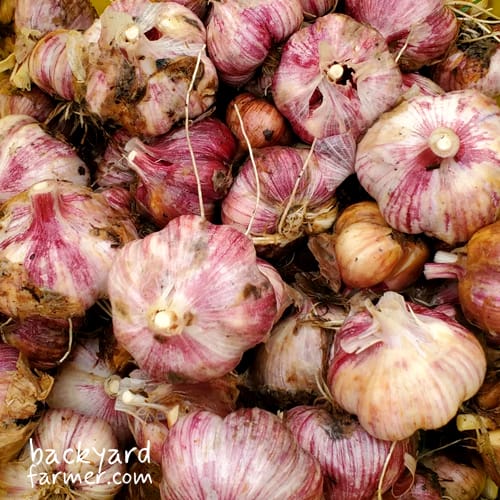
Garlic
- Choose a sunny position
- Avoid waterlogged soil
- Space cloves evenly so bulbs can develop properly

Onion Sets
Varieties such as Senshyu Yellow or Radar are commonly grown because they tolerate winter conditions well. Once planted, these overwinter onions establish slowly through autumn and winter.

Broad Beans
Broad beans are a classic example of overwinter vegetables in the UK. Hardy varieties such as Aquadulce Claudia are particularly well suited to autumn sowing.

Spinach
Cold-tolerant spinach varieties can also be included when planning vegetables to plant in autumn in the UK. In fact, spinach is one of the easiest leafy greens to grow during cooler weather.
Spinach can still be sown in October, especially if you provide a little protection.
What to Plant in November UK
By November, the vegetable garden naturally begins to slow down for winter. However, when planning vegetables to plant in autumn in the UK, there are still a few worthwhile crops you can get in the ground.
Garlic
Garlic can still be planted in November if the soil is workable, free-draining, and not waterlogged.
Onion Sets
Autumn onion sets can still be planted in milder parts of the UK, with the tips left just above the soil surface.
Green Manure Crops
Green manures such as grazing rye, mustard, field beans, and phacelia can protect empty beds and improve soil before spring.
(Full Guide coming soon)
Although planting options become more limited in November, making use of this time can still benefit your garden. With a little preparation now, you’ll help your soil recover and give next year’s vegetables a much stronger start.
Best Overwinter Vegetables to Grow in the UK
One of the biggest advantages of planting vegetables in autumn in the UK is the chance to grow reliable overwinter vegetables. These crops establish strong roots during autumn, sit quietly through the colder winter months, and then start growing strongly once temperatures begin rising in spring.
| Vegetable | Best planting window | Why it works well | Quick tip |
|---|---|---|---|
| Garlic | October–November | Reliable, hardy and easy to overwinter | Avoid waterlogged soil |
| Onion sets | September–November | Establish slowly before spring growth | Plant with tips just showing |
| Broad beans | October–November | Early harvests the following year | Choose hardy varieties |
| Spinach | September–October | Useful leafy crop for mild spells | Protect with fleece in colder areas |
| Winter lettuce | September–October | Keeps salad beds productive | Grow under cloches or a cold frame |
| Spring cabbage | Late summer–early autumn | Overwinters for spring harvests | Transplant before growth slows too much |
Planting overwinter vegetables in the UK is one of the easiest ways to keep your vegetable garden productive for longer. By taking advantage of autumn planting windows, you not only secure earlier harvests, but you also keep beds working instead of leaving them empty through winter.
Common Autumn Vegetable Planting Mistakes
Planting vegetables in autumn in the UK can be very productive, but it needs a different approach from spring and summer growing. Shorter days, cooler nights, and slower growth mean timing matters more than usual.
Avoiding the mistakes below will give autumn crops a much better chance of establishing before winter.
Planting Too Late
One of the easiest mistakes is treating autumn like spring. Seeds may still germinate in mild weather, but once daylight drops and temperatures fall, young plants often struggle to put on enough growth.
For best results, sow fast-growing crops such as salad leaves, spinach, lettuce, rocket, and radish in September. Use October and November mainly for hardy overwintering crops such as garlic, onion sets, and broad beans.
Choosing Crops That Grow Too Slowly
Not every vegetable is suited to autumn planting. Slower crops such as carrots, parsnips, and beetroot usually need more warmth and longer daylight hours to grow well.
Instead, focus on crops that either grow quickly or overwinter reliably. Good autumn choices include leafy greens, salad crops, garlic, onion sets, broad beans, winter lettuce, and spring cabbage.
Ignoring Day Length
Many gardeners focus on temperature, but day length is just as important. By mid-October, UK daylight hours are dropping quickly, and plant growth slows down even if the weather still feels mild.
This is why autumn planting is often more about getting crops established than chasing quick harvests. Once plants have strong roots, they can sit through winter and start growing again when conditions improve in spring.
Poor Soil Preparation
After a busy summer, vegetable beds are often tired, compacted, or low in nutrients. If you plant straight into poor soil, autumn crops may struggle to establish before winter.
Autumn Vegetable Planting Checklist
When planning vegetables to plant in autumn in the UK, a few simple jobs can make a big difference. As summer crops finish, use the gap to clear beds, improve the soil, plant hardy crops, and prepare for winter.
Run through this checklist before colder weather arrives.
Clear Spent Crops
Remove finished summer crops such as tomatoes, courgettes, and beans. Clear away old stems, leaves, roots, and any diseased plant material.
This tidies the bed and helps reduce the risk of pests and diseases overwintering in the soil.
Improve Soil Before Winter
Autumn is a good time to rebuild soil after the busy summer season.
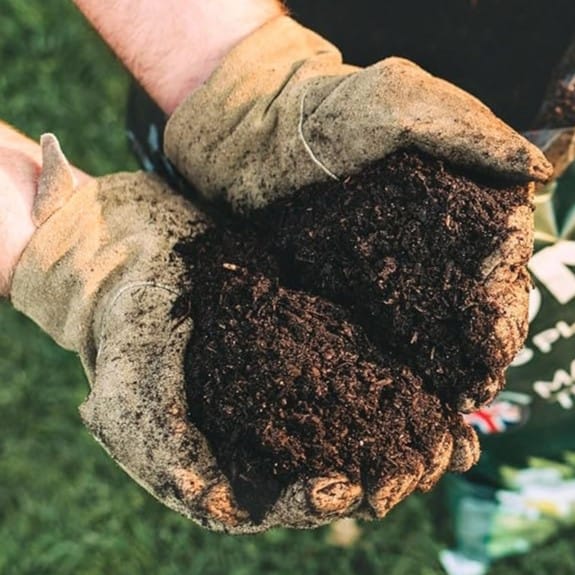
Add compost or well-rotted manure to replace nutrients, improve soil structure, and help beds drain better through winter. This gives autumn-planted vegetables a stronger start.
Protect Young Seedlings
Newly planted autumn vegetables may need protection as temperatures fall.
Useful options include:
- Garden fleece
- Cloches
- Cold frames
These help young plants settle in before colder weather arrives.
Choose Cold-Hardy Varieties
For the best results, choose crops that naturally cope with cooler conditions.
Reliable autumn options include:
- Garlic
- Onion sets
- Broad beans
- Spinach
- Winter lettuce
These crops establish in autumn, grow slowly through winter, and often produce earlier harvests in spring.
Plan Next Year’s Beds
Autumn is also a good time to think ahead. While the garden slows down, plan crop rotations, soil improvements, and where early spring crops will go.
A little planning now means your beds are ready for the next round of autumn and spring planting.
After Planting: Winter Jobs and Next Steps
Once your autumn vegetables are planted, the focus shifts to winter care and planning for the next growing season. Many crops will grow slowly through the colder months, then pick up again when light and warmth return in spring.
Winter Garden Jobs
Over winter, keep things simple:
- Check crops after frosty nights
- Replace fleece or cloches after strong winds
- Keep beds tidy and weed-free
- Watch for waterlogging
- Monitor soil moisture during dry spells
These small jobs help protect overwintering vegetables and keep beds in good condition until spring.
Plan the Next Growing Season
Winter is also a good time to look ahead. Use the quieter months to order seeds, plan crop rotations, map out next year’s beds, and decide where early spring crops will go.
A bit of planning now makes it easier to keep your vegetable garden productive throughout the year.
Helpful Tools and Guides
If you’re unsure what to plant next, these guides can help:
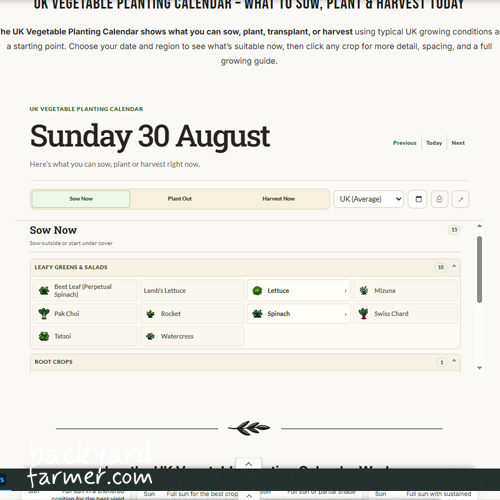
- UK Planting Calendar Tool – discover what vegetables to plant each month in the UK
- UK Harvest Calendar – see what crops are ready to harvest throughout the year
- Winter Growing Guide – learn how to grow vegetables through the colder months
- Allotment Planner – map out your beds before the next growing season
By continuing the cycle of planting, growing, harvesting, and planning, you can make better use of your vegetable garden all year round.