
Introduction – What to Harvest in May (UK)
If you’re wondering what to harvest in May, this guide covers the vegetables, fruit, and herbs that may be ready to pick in late spring.
May is a turning point in the UK growing season. The garden may already look full, but harvests are still smaller than they will be in summer. Even so, this is often when picking becomes a regular habit again, especially with salad leaves, herbs, overwintered vegetables, and dependable perennial crops.

Most May harvests come from three main sources:
- Fast-growing salad crops such as lettuce, rocket, spinach, and radishes
- Overwintered vegetables planted the previous year
- Perennial crops such as asparagus, rhubarb, and established herbs
For allotment growers and kitchen gardeners, May also helps mark the end of the hungry gap, the quiet period between the last winter crops and the first proper spring and summer harvests.
What to Harvest in May in the UK: Quick List
| Crop group | What you may be able to harvest in May | Quick harvest note |
|---|---|---|
| Salad leaves | Lettuce, rocket, spinach, chard | Pick outer leaves little and often |
| Fast crops | Radishes, spring onions, young leaves | Harvest young before they bolt or turn woody |
| Overwintered crops | Spring cabbage, spinach, broad beans | These are often the reward for autumn sowing |
| Perennial crops | Asparagus, rhubarb | Pick regularly, but avoid overharvesting |
| Herbs | Chives, mint, parsley, thyme, sage | Trim small amounts to encourage bushy growth |
| Early fruit | Alpine strawberries, early strawberries, gooseberries | Usually late May in mild or sheltered spots |
May harvests are still more modest than summer harvests. However, regular picking now helps keep plants productive and gives you a steady supply of fresh food as the main growing season begins.
If you’d like a full overview of seasonal crops, check out ‘UK Harvest Calendar – What to Harvest Each Month.’
Vegetables to Harvest in May (UK)
The main vegetables to harvest in May are usually quick-growing salad crops and overwintered plants that have carried through from the previous season.
Common vegetables ready to pick in May include:
- Lettuce
- Rocket
- Spinach
- Chard
- Radishes
- Spring onions
- Spring cabbage
- Broad beans
Harvest leafy crops little and often by taking the outer leaves first. Radishes are best pulled young, before they turn woody or begin to split. Overwintered crops such as spring cabbage and broad beans are usually ready later in the month, depending on your sowing date and local conditions.
Perennial Crops in Peak Season
If you’re wondering what to harvest in May, perennial crops play an important role. Because they are already well established, they respond quickly to warmer soil and longer daylight hours. Consequently, they often produce some of the first reliable crops during the May harvest season.
Asparagus
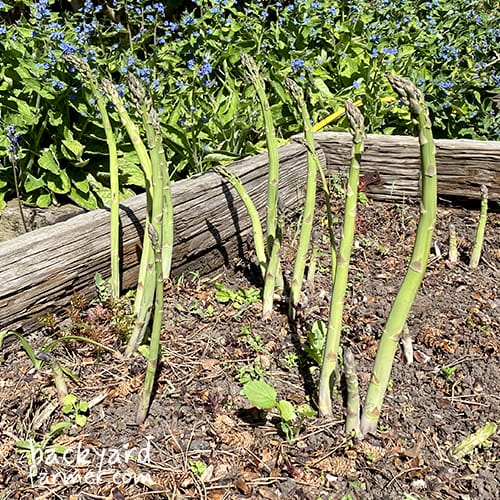
Asparagus is one of the highlights of the late spring harvest in the UK. Pick spears when they reach around 15–20 cm tall and the tips are still tightly closed. Simply cut or snap them just above soil level. Regular harvesting encourages the plant to keep sending up new shoots throughout the season.
Remember though, the asparagus season is fairly short. In most UK gardens it runs from April until about mid‑June.
Rhubarb
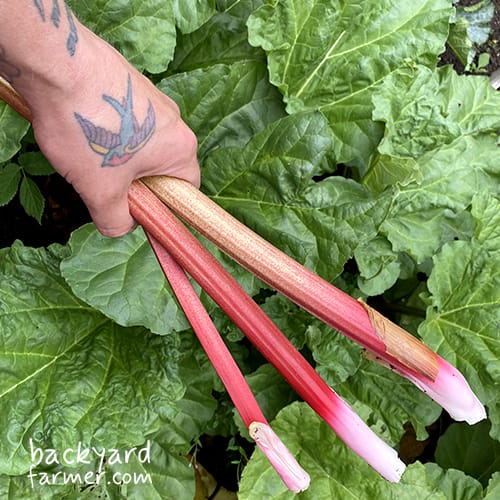
Rhubarb is another dependable perennial that produces strongly throughout spring. By May, established plants are usually pushing out thick, colourful stalks that are ready to harvest.
Rather than cutting the stems, gently pull them away from the base of the plant with a slight twist. This method helps prevent the crown from rotting and encourages new stems to develop.
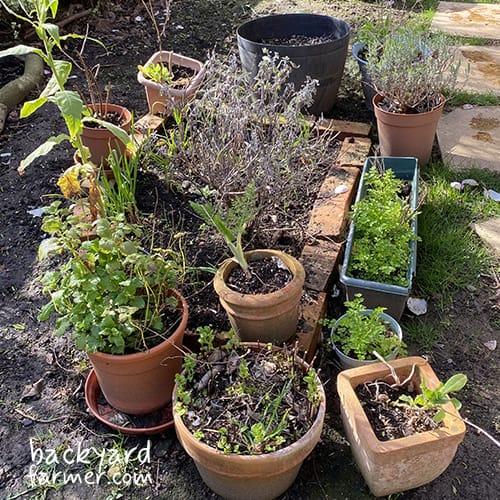
Perennial Herbs
Some of the most common herbs ready to harvest in May include:
- Chives
- Mint
- Lemon balm
- Thyme
Fruit in Season in May (UK)
If you’re wondering what fruit is ready to harvest in May in the UK, the selection is still fairly small compared with summer. However, a few reliable crops begin producing during late spring, and these first fruits are always a welcome sign that the main growing season is approaching.
While vegetables dominate the May harvest in UK gardens, several perennial fruit plants also start producing early crops. Because these plants are already established, they respond quickly to warmer soil and longer daylight hours.
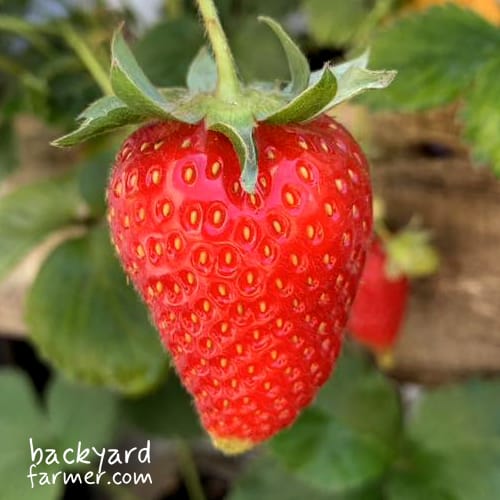
Early Strawberries
In warmer parts of the UK, or in sheltered gardens and polytunnels, the first strawberries may begin ripening towards the end of May. These early berries are often smaller than the main summer crop; however, they are usually packed with flavour.
For many gardeners, these early strawberries are among the first fresh fruits ready to harvest in May in the UK garden.
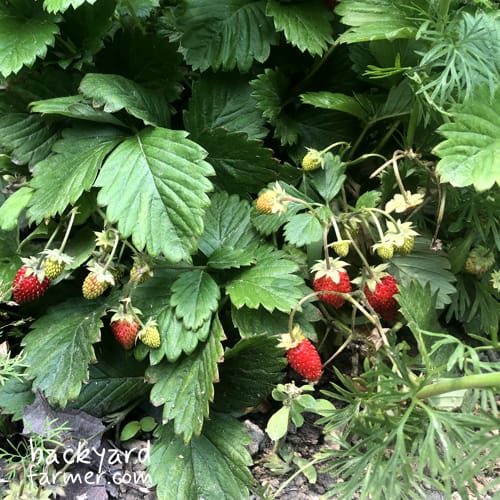
Alpine Strawberries
Alpine strawberries are smaller than standard garden varieties, yet they often begin fruiting earlier in the season. These plants produce small, intensely flavoured berries and can continue cropping steadily through summer if picked regularly.
They work particularly well along bed edges, in containers, or in lightly shaded areas of the garden, making them a useful addition to the late spring harvest.
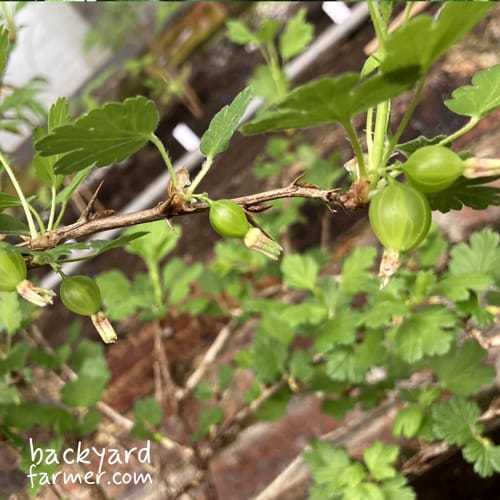
Gooseberries
These firm, tart fruits are excellent for pies, jams, and traditional gooseberry desserts. Once established, gooseberry bushes can produce heavy crops each year and become a reliable part of the UK garden harvest calendar.
Although the fruit harvest in May is still fairly small, it marks the beginning of the season when fresh garden fruit starts appearing more regularly.
Herbs to Harvest in May (UK)
Many kitchen herbs begin growing strongly in May. Regular trimming keeps plants bushy, fresh, and productive through late spring and summer.
| Herb | How to harvest in May | Best use |
|---|---|---|
| Parsley | Cut outer stems first and leave the centre growing | Salads, sauces, soups, everyday cooking |
| Mint | Pick young shoots regularly | Teas, salads, sauces, drinks |
| Chives | Snip leaves close to the base | Salads, eggs, potatoes, garnish |
| Thyme | Cut small sprigs as needed | Roasts, sauces, Mediterranean dishes |
| Sage | Pick young leaves sparingly | Stuffing, butter sauces, cooked dishes |
Harvest herbs little and often rather than cutting the whole plant back hard. This gives you better quality leaves and encourages steady regrowth.
Crops Not Ready to Harvest in May (UK)
While many vegetables in Britain are ready to harvest in May, several popular crops are still developing and will not produce food until early or mid-summer.
In many cases, warm-season vegetables are only just being planted out during May once the risk of frost begins to fade. As a result, these plants still need several weeks of warmer weather before they start producing food.
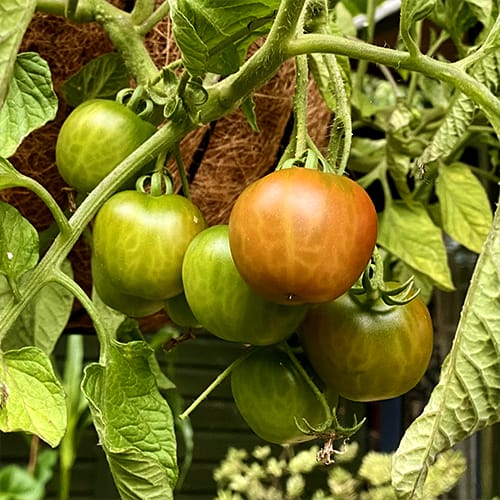
The most common vegetables that are NOT ready in May:
- Tomatoes
- Courgettes
- Cucumbers
- Peppers
- Aubergines
- Maincrop potatoes
Even though these crops are not ready just yet, May is still an important development month in the vegetable garden. With longer daylight hours and warmer soil temperatures, plants grow rapidly during late spring.
My 6 Top Tips for a Succesful May Harvest
May is a busy but rewarding month in the vegetable garden so the more trick and tips you have up your sleeves to help save time the better. Here are some of my personal tips for May that i’ve picked up over the years.
1. Harvest Young
Many vegetables harvested in May taste best when picked young. Salad crops such as lettuce, radishes, rocket, and spinach are especially tender at this stage. In addition, harvesting early helps prevent common problems such as bolting or woody roots.
2. Pick Little and Often
Rather than waiting to harvest whole plants, try picking small amounts regularly. This method works particularly well for leafy crops that are commonly ready to harvest in May in the UK, including lettuce, rocket, spinach, and chard.
3. Harvest in the Morning
Vegetables picked in the early morning are usually fresher and crisper. During the cooler part of the day, plants hold more moisture, which improves both flavour and texture.
4. Watch for Bolting
As temperatures begin rising towards the end of spring, some leafy vegetables may start to bolt, meaning they produce flowers and seeds. When this happens, leaves can quickly become bitter.
5. Keep an Eye on Slugs
Warm and damp weather in May can also bring a surge in slug activity. Young plants and tender leaves are particularly vulnerable during this stage of the late spring growing season.
6. Check Crops Often
May crops can change quickly, especially during warm or wet spells. Check salad leaves, radishes, asparagus, herbs, and early fruit every few days so you can harvest them at their best before they bolt, turn woody, or get damaged by slugs.
By harvesting regularly and watching how plants develop, you can keep your garden productive and enjoy a steady supply of vegetables ready to harvest in May and early summer in the UK.
What to Sow in May for Later Harvests (UK)
Sowing regularly throughout May is one of the best ways to keep your UK vegetable garden or allotment harvest productive later in the season. Many gardeners use this time for succession sowing, where small batches of crops are planted every couple of weeks to avoid ‘gluts’ of veg that go to waste.
Below are some of the most common vegetables to sow in May:
Carrots
Carrots germinate much more reliably once soil warms up in late spring. Sow seeds thinly in well-prepared soil and keep the area evenly moist until seedlings appear.
Beetroot
Beetroot grows quickly in warm soil and is well suited to sowing during May. Seeds can be planted directly into vegetable beds or containers.
Lettuce
Lettuce is one of the easiest crops for succession sowing during May. Instead of planting a full row all at once, sow small batches every couple of weeks.
Radishes
Radishes are one of the fastest-growing vegetables in the garden and are perfect for filling small gaps in beds. Many varieties mature in just three to four weeks
Courgettes
Courgettes can be started indoors earlier in spring, but May is usually the best time to sow them outdoors once temperatures begin rising.
Sweetcorn
Sweetcorn thrives in warm conditions and is commonly sown during May. For best results, plant seeds in blocks rather than long rows.
Beans
French beans and runner beans are usually sown outdoors in May once frost risk has passed. Climbing varieties will need supports such as canes or frames as they grow.
Kale
Kale is a hardy crop that can be sown during May for harvests later in the year. Young plants establish quickly and can continue producing leaves well into autumn and even winter.
Cabbage
Summer and autumn cabbages can also be sown during May. Once seedlings are large enough to handle, transplant them into their final positions and give them enough space to develop strong heads.
If you’re also planning ahead, our What to Plant Each Month in the UK guide shows exactly when to sow and plant vegetables throughout the year so you always have something ready to harvest.
How to Plan Your Harvest
May is the month when the garden starts to shift from occasional picking to regular harvesting. Although the biggest crops are still to come, keeping track of what is ready now can help you plan a much more productive summer.
A simple weekly note is enough. Write down what you harvested, what is nearly ready, and where gaps are starting to appear. This helps you spot which crops are performing well and where you may need to sow again.
Succession sowing is especially useful at this time of year. Instead of sowing a full row of lettuce, radishes, carrots, or beetroot all at once, sow smaller batches every couple of weeks. As a result, you get a steadier harvest instead of everything being ready at the same time.
It also helps to group crops with similar harvest times where possible. This makes beds easier to clear, replant, and manage as spring crops finish and summer crops take over.
If you want to make this easier, try using a simple garden planner to track what is growing in each bed and when crops are likely to be ready. With a little organisation, the smaller harvests of May soon build into the fuller baskets of summer.