

Winter is quieter in the vegetable garden, but there is still useful work to do. December is mainly about harvesting and protecting established crops, January brings a few carefully chosen early sowings, and February is when the new growing season begins to gather pace.
This guide covers what is realistically worth sowing, growing and harvesting in UK gardens from December to February, along with frost protection, indoor and under-cover growing, and the jobs that will prepare your plot for spring.
Winter Growing at a Glance
Winter growing changes quickly between December and February. Use this as a quick guide, then check the monthly sections below for more detail.
| Month | Main Focus | Worth Sowing | Main Jobs |
|---|---|---|---|
| December | Harvest, protect and maintain | Microgreens and a few salads indoors | Harvest hardy crops, protect from frost, clear beds and plan ahead |
| January | Make a few early starts | Onions indoors, selected chillies with heat and good light, broad beans under cover | Maintain winter crops, prepare protected growing areas and start planning spring sowings |
| February | Begin the new growing season | Chillies, peppers, aubergines, onions and leeks indoors; selected hardy crops under cover | Start sowing, chit early potatoes, prepare beds and protect early crops |
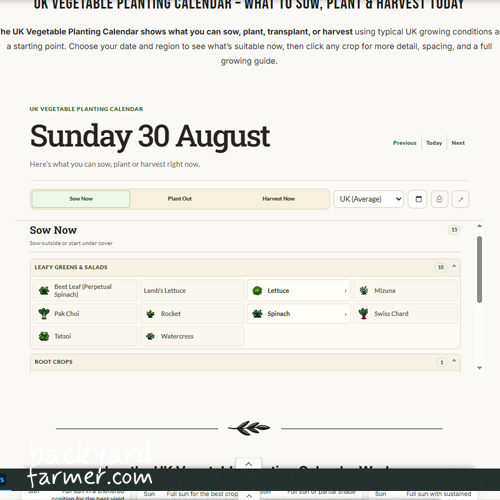
What Can You Sow Right Now?
Not sure what is worth sowing this month? Use the BYF Veg-o-Matic to see suitable crops based on the time of year.
What to Sow, Grow and Harvest in December
December is usually the quietest month in the UK vegetable garden. Outdoor sowing is very limited, so the focus shifts to harvesting hardy crops, protecting established plants and making only a few worthwhile starts indoors or under cover.
Indoors
- Microgreens
- Salad leaves in good light
Under Cover
- Lamb’s lettuce
- Winter spinach
- Hardy lettuce
Harvest & Jobs
Microgreens are one of the few genuinely worthwhile December sowings. Established winter salads may continue growing slowly under cover; water sparingly and ventilate on mild days.
There is little benefit in direct sowing outdoors. In milder areas, garlic and shallots can still be planted in well-drained soil, provided the ground is neither frozen nor waterlogged. Otherwise, concentrate on harvesting hardy crops, checking winter protection and preparing for the months ahead.
What to Sow, Grow and Harvest in January
January remains a quiet month in the UK vegetable garden, but a few carefully chosen sowings can now begin. Most new growth should be started indoors or under cover, while established winter crops continue to provide harvests outside.
Indoors
- Onions from seed
- Selected long-season chillies
- Leeks (from late January)
Under Cover
- Broad beans in pots
- Established winter lettuce
- Established spinach
- Established salad leaves
Harvest & Jobs
Onions from seed are one of the most worthwhile January sowings. Selected long-season chillies can also be started where you can provide reliable heat and strong light, although February is early enough for most growers and generally more suitable for sweet peppers.
There is still little benefit in direct sowing outdoors. Cold, wet soil and low light make establishment unreliable, so pots and protected growing areas are usually the better choice.
What to Sow, Grow and Harvest in February
February is when the UK growing season begins to gather pace. More crops can now be started indoors or under cover, although direct outdoor sowing still depends heavily on local weather, soil conditions and the protection available.
Indoors
- Chillies
- Sweet peppers
- Aubergines
- Onions
- Leeks
- Tomatoes for greenhouse growing
Under Cover
Harvest & Jobs
Tomatoes can be started in February where you have warm, bright growing-on conditions, particularly for greenhouse crops. For outdoor tomatoes, waiting until March is usually more practical.
In mild areas with light, well-drained soil, hardy crops such as broad beans, lettuce, radish, spinach, early beetroot and carrots may be sown outside. Elsewhere, sowing under fleece or cloches—or waiting until March—will usually be more reliable.
What Can You Harvest in Winter?
Many hardy vegetables can remain productive throughout December, January and February, provided they were established before the coldest weather arrived. Winter is mainly a harvesting season, with crops picked gradually as they are needed.
| Crop | Winter Harvest | Useful Note |
|---|---|---|
| Leeks | Lift as needed | Very hardy and reliable through winter |
| Kale | Pick leaves gradually | Often tastes sweeter after frost |
| Brussels sprouts | Harvest from the lower stems upwards | Cold weather can improve flavour |
| Parsnips | Lift as required | Frost can increase sweetness |
| Winter cabbage | Cut mature heads as needed | Protect from pigeons where necessary |
| Swede | Lift through winter | Can remain in the ground until needed |
A light frost can improve the flavour of parsnips, kale and Brussels sprouts as some of their stored starches are converted into sugars. Hard or frozen ground can make root crops difficult to lift, however, so check the forecast and harvest ahead of prolonged cold when necessary.
Winter Harvesting Tips
- Lift root crops when the soil is workable, using a fork carefully to avoid damaging them.
- Pick leafy crops gradually rather than stripping the whole plant.
- Leave hardy crops in the ground until needed where drainage, pests and weather allow.
Ordinary maincrop potatoes are not normally treated as a winter harvest. Potatoes intended for Christmas or winter cropping must be planted during summer and given suitable frost protection.
Growing Vegetables Indoors in Winter
Indoor growing can provide a small supply of fresh leaves through winter, but limited daylight is the main restriction. Focus on quick, compact crops and established herbs rather than trying to grow full-sized vegetables on a windowsill.
Microgreens
- Pea shoots
- Radish shoots
- Mustard greens
- Sunflower shoots
These are quick to grow and well suited to shallow trays on a bright windowsill.
Established Herbs
- Chives
- Parsley
- Coriander
Established plants can continue producing small harvests if they receive enough light.
Salads
- Lettuce
- Rocket
- Spinach
- Mixed salad leaves
Grow these in shallow trays and harvest the young leaves little and often.
Use the brightest position available, avoid overcrowding and water lightly when the compost begins to dry. Growth will be slower than during spring or summer, so keep expectations realistic. For more ideas, visit the Indoor Growing Hub.
Protecting Crops From Frost
Winter protection can help hardy crops through cold spells, but each method provides a different level and type of shelter.
| Method | Best For | What It Does | Main Limitation |
|---|---|---|---|
| Horticultural fleece | Young plants and established hardy crops | Provides light frost and wind protection while allowing air and rain through | May not be enough during severe or prolonged frost |
| Cloches | Lettuce, early carrots, salads and short rows | Shelters plants from frost, cold rain and wind while helping the soil retain warmth | Covers only a small area and requires ventilation on sunny days |
| Cold frames | Seedlings, salads and early sowings | Creates a sheltered growing space and extends the sowing season | Temperature, ventilation and watering must be monitored |
| Mulch | Roots, crowns and overwintering plants | Insulates the soil and reduces repeated freezing and thawing around roots | Does not protect exposed leaves or stems |
These methods moderate winter conditions rather than creating summer warmth. Match the protection to the crop, secure covers against wind and ventilate cloches or cold frames whenever conditions are mild.
Winter Jobs That Make Spring Easier
Winter is a good time to tackle jobs that become harder once sowing, planting and harvesting are underway. A little preparation now can make the start of spring considerably smoother.
| Winter Job | What to Do | Why It Helps |
|---|---|---|
| Improve empty beds | Add compost or well-rotted manure where appropriate and mulch bare soil. Avoid working ground that is frozen or waterlogged. | Protects the soil and prepares beds for spring planting |
| Maintain tools | Remove soil and rust, sharpen cutting edges and repair loose handles or fittings. | Keeps tools safe and ready for the busy season |
| Repair structures | Check raised beds, netting, supports, fences, greenhouses and cold frames for damage. | Prevents urgent repairs once crops need protection |
| Organise seeds and supplies | Check existing seed, order important varieties and clean pots, trays and labels. | Avoids delays when early sowing begins |
| Plan beds and crop rotation | Decide where main crops will grow, allow room for follow-on crops and move crop families where practical. | Makes better use of space and helps reduce recurring pest and disease problems |
Winter is also a useful time to build next season’s layout in the Free Allotment Planner. For more detail on arranging crop families, see the Allotment Crop Rotation Guide.
FAQs
Yes, but most outdoor winter crops must be established before the coldest weather arrives. Hardy vegetables can remain productive, while a smaller selection of salads and early crops can be started indoors or under cover.
Reliable winter crops include leeks, kale, Brussels sprouts, parsnips, winter cabbage and swede. These are normally planted earlier in the year and harvested gradually through winter rather than sown during it.
Chillies, sweet peppers, aubergines, onions and leeks can be started indoors. Tomatoes are also possible where you have warm, bright conditions and intend to grow them in a greenhouse. Hardy crops such as broad beans, lettuce, spinach, radish, early beetroot and carrots can be started under protection or sown outside in mild, well-drained gardens.
Yes, although limited daylight restricts what will grow well. Microgreens, established herbs and young salad leaves are the most practical choices. Give them the brightest position available, avoid overcrowding and water more sparingly than you would during spring or summer.
Continue Into Spring
Winter may be slower, but the work done now lays the foundations for the growing season ahead. As February gives way to March, continue with our Spring Vegetable Planting Guide to see what to sow and plant next.
For a wider view, use the What to Plant Each Month guide, then map your chosen crops and follow-on plantings with the Free Allotment Planner.