
Introduction
Most gardens don’t fail because of what you plant — they fail because of how they’re laid out.
If you’ve ever stood in your garden and thought, something’s not quite right here, you’re not alone. I see it all the time — decent plants, plenty of effort, but the space still feels a bit messy or underused.
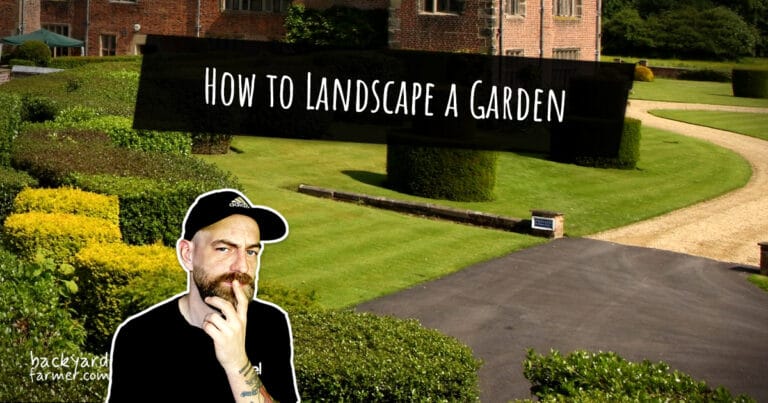
The truth is, learning how to landscape a garden in the UK isn’t about expensive materials or clever design tricks.
More often than not, it comes down to structure, a bit of planning, and setting the space up in a way that actually works day to day.
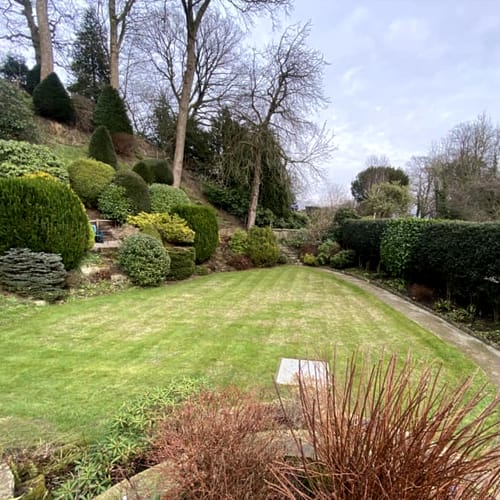
Whether you’re dealing with:
- a small UK garden
- a long, awkward layout
- or a bigger space that just never seems to get used properly
👉 Get the garden layout right, and things start to fall into place pretty quickly.
Good garden landscaping isn’t just about how it looks. It’s about having a space that:
- you can actually keep on top of
- you want to spend time in
- and doesn’t feel like hard work all the time
In this guide, I’ll walk you through how to landscape a garden step-by-step, based on what actually works — not just what looks good in photos.
We’ll cover:
- simple, buildable garden landscaping ideas
- how to divide your garden into usable zones
- how to plan your garden layout properly before you start digging
Once the layout’s right, everything else — planting, maintenance, even costs — tends to get a lot easier.
Let’s start with the foundation.
Start With Structure (The Most Important Step)
If you take one thing from this guide, let it be this:
Get the structure right first — everything else becomes easier.
Most people jump straight into planting. I’ve done it myself more than once, and it usually ends the same way — it looks decent for a bit, then starts to feel messy or just… off.
The problem isn’t the plants. It’s the layout.
So instead, think about the bones of your garden first — the bits that actually decide how the space works day to day.
What “Structure” Actually Means
In simple terms, structure is how your garden layout is split up and organised.
It’s things like:
- paths and walkways (how you actually move through the space)
- borders and edging (where things start and stop)
- raised beds and growing areas
- somewhere to sit or a focal point
👉 Once these are clear, the whole garden just feels easier to use — and a lot less chaotic.
Start With Clear Edges and Boundaries
If there’s one quick win, it’s sorting your edges out.
When grass, beds, and paths all blur together, the garden always looks a bit scruffy — no matter how much effort you put into planting.
As soon as you define those edges properly, everything sharpens up.
Simple options:
- timber edging
- gravel borders
- a basic trench edge (still one of the best, honestly)
- timber sleepers for raised beds and garden edging
Sleepers are especially useful because they do a bit of everything. You can build solid beds, deal with slopes, and properly define spaces.
I tend to use treated garden sleepers for landscaping when I want something that’s going to last and actually hold its shape over time.
👉 Once they’re in, they just make life easier.
Think in Shapes, Not Just Plants
Before you plant anything, step back and look at the whole space.
You can sketch it out if you want, or just stand there and picture it — it doesn’t need to be perfect.
Ask yourself:
- Where do I actually walk most?
- Where would I realistically sit?
- Where does the sun hit properly?
Then block it out in simple shapes:
- rectangles for beds
- curves for paths
- areas for different uses
👉 Honestly, this is where most gardens are won or lost — before anything even goes in the ground.
Raised Beds = Instant Structure
If you’re not sure where to start, raised beds are a solid option.
They:
- clearly define growing space
- make soil easier to manage
- keep things organised
- and make the garden feel more put together
You don’t need loads either — even a couple in the right place can change the whole layout.
Don’t Build Yet — Plan First
It’s tempting to just crack on — especially when the weather’s decent — but this is where most mistakes happen.
Before you build anything:
- sketch your layout
- measure things out (rough is fine)
- try a few positions for beds and paths
👉 Or use a planner and save yourself the guesswork.
It might feel like extra effort, but it saves ripping things out later — which is never fun.
Key Takeaway
Structure comes before planting. Always.
Once your garden layout makes sense, everything else — planting, maintenance, all of it — gets a lot easier.
Next, we’ll look at how to plan your garden layout properly so everything actually fits together.
Plan Your Garden Layout Properly (Before You Build)
Once you’ve got your head around structure, this is the next step — and it’s where most people go wrong.
Plan it first. Then build it.
It’s easy to get carried away. You see something you like, grab a few bits, start digging… then realise the garden layout doesn’t quite work.
I’ve done that more than once. It usually ends with moving things twice.
A rough garden plan at the start saves a lot of that.
Why Planning Matters
A decent garden layout:
- feels more put together
- is easier to stay on top of
- actually uses the space properly
- stops you wasting money fixing mistakes later
Without one, you tend to end up with:
- odd gaps that never get used
- beds crammed too close together
- paths that don’t really go anywhere
- a layout that just feels a bit off
👉 Planning is what turns a few ideas into something that actually works.
Start With Your Space (Measure First)
Before anything else, get a feel for the space you’ve got.
It doesn’t need to be exact, but you should know:
- roughly how big it is
- where things already are (fences, shed, patio)
- where the sun actually hits
👉 Sunlight catches people out all the time — especially if you’re growing veg.
Think in Zones (Not Just Features)
Instead of dropping things in randomly, split your garden layout into zones.
For example:
- a growing area (veg, herbs, fruit)
- somewhere to sit
- a practical bit (compost, tools, water)
It sounds simple, but it makes everything easier.
You end up with a garden that:
- flows better
- is easier to move around
- actually gets used
Map It Out Before You Commit
This is where you test things before you make a mess.
You can:
- sketch it out (doesn’t need to be pretty)
- mark it out on the ground with string or canes
- or use a garden planner
👉 This is usually where you spot what won’t work — before it becomes a job to fix.
Use a Garden Planner (Recommended)
If you want to make life easier, a simple garden planner helps a lot.
You can:
- move beds around without digging anything
- test spacing properly
- see how paths and zones fit together
- avoid cramming too much in
👉 The Allotment Planner is good for this — even a rough layout gives you a clear direction.
Keep It Simple (Especially at the Start)
A common mistake is trying to do everything at once.
It usually ends up rushed — and harder to fix later.
Start with a simple garden layout:
- a couple of beds
- a clear path
- a few defined areas
Then build on it.
👉 Simple and working beats complicated and unfinished every time.
Key Takeaway
A good garden is planned, not guessed.
Get your garden layout right early, and everything else — planting, maintenance, all of it — becomes much easier.
Next, we’ll look at practical garden landscaping ideas you can actually build.
Garden Landscaping Ideas That Actually Work
When people search for garden landscaping ideas, they usually end up looking at perfect gardens — clean lines, fresh paving, everything looking like it’s just been finished.
In reality, most of that doesn’t translate very well. It’s either expensive, a pain to build, or hard to keep looking like that for more than a few weeks.
So it’s better to focus on ideas that actually work in a normal, lived-in garden.
Raised Beds for Structure and Simplicity
Raised beds are one of the easiest ways to sort out your garden layout.
I use them a lot because they just make things easier — less guesswork, less mess, and everything stays where it should.
They:
- give you instant structure
- clearly mark out growing areas
- help with drainage and soil control
- keep planting more organised
👉 Even a couple in the right place can change how the whole garden works.
Defined Pathways (Even Simple Ones)
A path might not seem like much, but it makes a big difference.
Without one, you end up wandering across beds or cutting corners, and the whole space starts to feel a bit awkward.
Simple options are usually enough:
- gravel
- stepping stones
- bark or woodchip
👉 It doesn’t need to look fancy — it just needs to make sense when you walk through the garden.
Use Edging to Separate Spaces
Edging is one of those jobs people skip — but it shows straight away when it’s missing.
If everything blends together, it always looks a bit untidy and takes more effort to keep in check.
Once you’ve got clean, defined edges, things just settle down.
It helps to:
- stop grass creeping into beds
- keep soil and mulch where it should be
- give the layout some shape
You can use:
- timber
- brick or stone
- sleepers if you want something solid
Create a Focal Point
Every garden needs something to centre it a bit.
Otherwise it can feel like bits and pieces dotted around with no real direction.
It doesn’t need to be anything big. It could be:
- a bench
- a raised bed that stands out
- a small tree or feature plant
👉 Just something that gives your eye somewhere to land.
Work With What You Already Have
You don’t need to rip everything out and start again.
Most of the time, it’s better to tidy up what’s already there and improve the garden layout bit by bit.
Ask yourself:
- What can I straighten up or define better?
- What’s already working that I can keep?
- What can I simplify?
👉 From experience, small tweaks usually go further than big rebuilds.
Keep It Buildable (The Most Important Rule)
Before you commit to anything, be honest with yourself.
- Can I actually build this?
- Will I keep on top of it?
- Does it suit the space I’ve got?
If not, it’ll probably turn into a job you regret later.
A simple garden that works will always beat a complicated one that doesn’t.
Key Takeaway
The best garden landscaping ideas are the ones that actually work in your space.
Keep it simple, focus on structure, and think about how you’ll use it day to day.
That’s what makes a garden come together properly.
Next, we’ll look at how to divide your garden into zones so each part has a clear purpose.
Create Zones You’ll Actually Use
Once you’ve got your garden layout roughly planned and a few solid ideas in place, the next step is to split the space into clear, usable zones.
This is usually where things start to click.
Zoning turns a garden from a mix of bits into something that actually works day to day.
What Is Garden Zoning?
It’s just dividing the garden up based on how you actually use it.
Instead of everything blending together, each area has a job.
Once that’s clear, the whole space feels easier to manage — and easier to enjoy.
The Three Core Zones (Start Here)
You don’t need anything complicated. Most gardens work well with three simple zones:
Growing Zone
This is where your plants go — veg, herbs, fruit, whatever you’re growing.
- Raised beds work well here
- Put it where the sun actually hits
- Keep it easy to get to for watering and picking
If it’s awkward to reach, you’ll end up ignoring it.
Relaxation Zone
This is the bit where you actually sit down.
- Could be a bench, patio, or just a bit of gravel
- Doesn’t need to be anything fancy
- Somewhere with a bit of sun or shelter usually works best
Even a basic spot to sit changes how often you use the garden.
Practical Zone
This is the messy but necessary part.
- Compost
- Tools or a shed
- Water butts
Keep it out of the way, but not so far you stop using it.
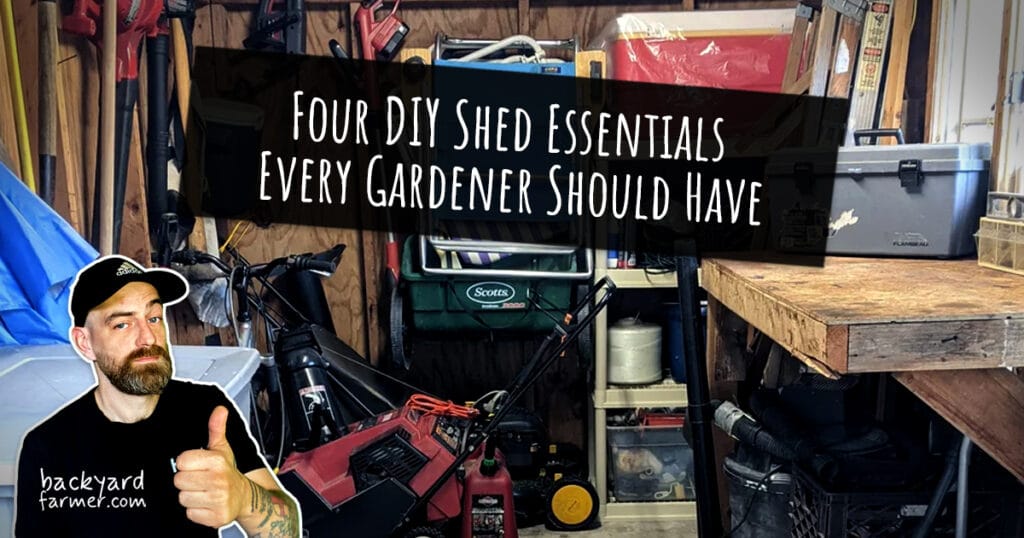
If you’re setting this area up properly, it’s worth getting your kit organised early — I’ve covered what I actually use in my DIY shed essentials guide.
Why Zoning Makes Landscaping Easier
Once you split things into zones, your garden layout starts to make more sense.
- You stop piling everything into one area
- The space feels more balanced
- You actually use more of the garden
It also makes planning easier. You can focus on one section at a time instead of trying to do everything in one go.
How to Position Your Zones
This is mostly common sense once you look at the space properly.
- Sunlight: put growing areas where they’ll actually get it
- Access: paths should feel natural, not forced
- Privacy: seating usually works better slightly tucked away
Walk the garden a few times and think about how you already move through it.
Keep It Flexible
Your garden won’t be perfect straight away — and that’s normal.
Start simple, then adjust things as you go.
- Move beds if they don’t feel right
- Expand areas when you need them
- Change things based on how you actually use the space
Most gardens get better through small changes, not one big overhaul.
Key Takeaway
A well-zoned garden layout is easier to use, easier to manage, and just works better.
Once each area has a purpose, everything settles into place.
Next, we’ll look at how to improve your garden on a budget with simple, cheap landscaping ideas.
Cheap Garden Landscaping Ideas (UK-Friendly)
Landscaping doesn’t have to cost a fortune.
Some of the best changes I’ve made in gardens have been cheap, simple jobs that just make the space work better.
It’s not really about spending more — it’s about fixing the bits that aren’t working.
Define Edges With Simple Materials
If there’s one quick win, it’s sorting your edges.
When lawn, beds, and paths all blur together, the garden always looks a bit scruffy — even if you’ve put loads of effort in.
As soon as you define those edges, everything settles down.
Cheap options:
- a trench edge (still one of the best, in my opinion)
- reclaimed timber
- gravel borders
It’s a small job, but it makes the whole garden feel more under control.
Use Reclaimed or Second-Hand Materials
You really don’t need to buy everything new when landscaping a garden.
I’ve used old slabs, spare timber, bits of brick — whatever’s available — and most of it does the job just fine.
Keep an eye out for:
- reclaimed bricks
- second-hand slabs
- leftover timber
You can use them for:
- paths
- borders
- raised beds
It saves money, and half the time it looks better than brand-new stuff anyway.
Start Small (Then Expand)
Trying to do everything in one go is where it usually goes wrong.
You rush it, spend more than you planned, and end up redoing bits later.
Start small instead:
- one bed
- one path
- one usable area
Then build it out properly.
Get one section right, then move on.
Mulch Beds Instead of Filling Them
You don’t need to plant everything straight away.
If you’ve got empty beds, mulch them and come back to planting later.
It:
- keeps weeds down
- holds moisture in
- improves the soil over time
Cheap options:
- woodchip
- bark
- compost
It saves a lot of effort, especially early on.
Choose Simple Paths Over Expensive Paving
You don’t need a full patio to make a garden work.
Most of the time, simple paths do the job just as well.
- stepping stones
- gravel
- bark paths
As long as you can move through the garden easily, that’s what matters.
Focus on Layout First, Not Decoration
It’s easy to spend money on things that look good but don’t actually fix the layout.
I’ve seen gardens with loads going on, but they still don’t feel right because the garden layout hasn’t been sorted.
Focus on:
- layout and flow
- clear structure
- how you actually use the space
Get that right, and everything else becomes a lot easier.
Key Takeaway
You don’t need a big budget to get a good result.
Sort the layout, keep it simple, and build it up over time.
Next, we’ll look at how to make your garden easier to manage with a few smart design choices.
Reduce Maintenance With Better Design
One thing people often assume about landscaping is that it creates more work.
From what I’ve seen, it’s usually the opposite.
A well-thought-out garden layout is much easier to stay on top of than one that’s just sort of grown over time. When things are in the right place, jobs are quicker, you’re not fighting the space, and things don’t get out of hand as easily.
A good layout saves effort. A poor one creates it.
Why Poor Layout Creates More Work
When a garden doesn’t have much structure, things start creeping in where they shouldn’t.
You get:
- grass pushing into beds
- weeds filling any gaps they can find
- corners that are awkward to get to
- constant little tidy-ups just to keep it looking alright
It all adds up.
👉 Most of the time, it’s not bad gardening — it’s just a layout that’s working against you.
Define Everything Clearly
The clearer your garden layout, the easier everything becomes.
It sounds obvious, but it makes a big difference.
Focus on:
- proper edges between lawn and beds
- paths that actually take you where you need to go
- areas with a clear use
👉 Once everything has a place, you spend less time fixing things.
Use Mulch to Your Advantage
Mulch is one of the easiest ways to cut down on maintenance.
I use it a lot, especially where beds would otherwise sit bare.
It:
- keeps weeds down
- helps the soil hold moisture
- improves things over time without much effort
Common options:
- bark
- woodchip
- compost
👉 Bare soil always takes more work — simple as that.
Choose Practical Layout Over Complexity
Complicated layouts might look good at first, but they’re often harder to live with.
In reality, a simple garden layout is usually easier to manage and keep looking decent.
Go for:
- simple shapes
- beds you can reach without stretching over things
- paths that feel natural to walk
👉 If something’s awkward, it gets ignored — and that’s when it starts slipping.
Reduce Lawn Where It Doesn’t Work
Lawns can take more time than people expect, especially in tricky spots.
If an area struggles or you don’t really use it, it’s often worth changing it.
You could swap it for:
- beds
- gravel
- a simple path
👉 Less lawn usually means less mowing — and less hassle.
Design With Maintenance in Mind
Before adding anything new, it’s worth asking:
- Is this going to be easy to keep on top of?
- Am I making more work for myself later?
- Does this actually improve how the garden works?
👉 Small decisions like this make a big difference over time.
Key Takeaway
A well-laid-out garden saves you time.
Keep the garden layout clear, don’t overcomplicate things, and think about how you’ll actually use the space.
Get that right, and everything else becomes easier to manage.
Next, we’ll answer some common questions about landscaping so you can move forward with a clearer idea of what to do.
Frequently Asked Questions
Start with the garden layout, not the planting — it’s the bit most people miss.
I’ve done it the other way round before, and it usually ends up a bit all over the place.
Start by:
– working out the main areas of your garden
– putting in some basic structure (paths, beds, edges)
– planning the layout before you start digging
👉 Keep it simple at first — once it works, then add planting.
A simple way to go about landscaping a garden in the UK:
– Look at what you’ve got (space, sunlight, what’s already there)
– Plan your garden layout (zones, paths, beds)
– Add structure (raised beds, edging, paths)
– Build it in stages
– Plant and tweak things as you go
👉 If the layout works early on, the rest tends to follow.
It varies quite a bit depending on what you’re doing.
– DIY can be fairly cheap, especially if you use reclaimed bits
– Simple jobs (beds, paths, edging) don’t need a big budget
– Full redesigns can get expensive quickly
👉 In most cases, starting small and building it up works better than trying to do everything at once.
Depends on the size and how much you’re changing.
– Small jobs can be done over a weekend
– Medium ones might take a few weeks
– Bigger changes can take months
👉 Breaking it into stages makes it a lot easier to manage.
With smaller spaces, the layout matters even more.
Focus on:
– raised beds to keep things organised
– clear paths so you’re not stepping over everything
– keeping it simple (it’s easy to overfill a small space)
👉 In small gardens, less usually works better.
Start with the basics — they make the biggest difference:
– sort out your edges
– add a clear path
– give the space a bit of structure
👉 You don’t need to redo everything — a few small changes can shift the whole feel.
You can definitely do it yourself.
Most gardens just need a bit of planning and a clear garden layout — not a full redesign.
👉 A simple planner can help, especially if you’re not sure where to start.
Key Takeaway
Most of it comes back to the same thing:
Sort the layout first, keep it simple, and build it up over time.
Do that, and you’ll avoid most of the usual mistakes — and end up with a garden that actually works.
Final Thoughts
Landscaping a garden doesn’t need to be complicated.
From what I’ve seen, the gardens that actually work tend to be the simpler ones — a clear garden layout, a bit of structure, and things put where they make sense to use.
If you take one thing from this, let it be this:
Sort the garden layout first, and everything else gets easier.
Once that’s right, planting, maintenance — even costs — stop feeling like a constant battle.
You don’t need expensive materials or a full redesign to make a difference.
Small jobs — tidying edges, putting in a path, adding a couple of raised beds — usually do more than people expect.
Start with what you’ve got, keep it practical, and build it up over time.
👉 A garden’s never really finished — you’ll always tweak it.
If you want to make life easier, spend a bit of time planning your garden layout first.
Even a rough plan helps — and it can save you pulling things out later (which is never fun).
Ready to Plan Your Garden?
If you’re not sure where to start, a simple garden planner helps you see things properly before you commit.
👉 Try the Allotment Planner to map out your beds, paths, and zones before you build anything.
It doesn’t need to be perfect — just enough to give you a clear direction.
Keep it simple, build it in stages, and focus on what actually works.
That’s how you end up with a garden you’ll use — not one that just looks good for a week.