
Introduction
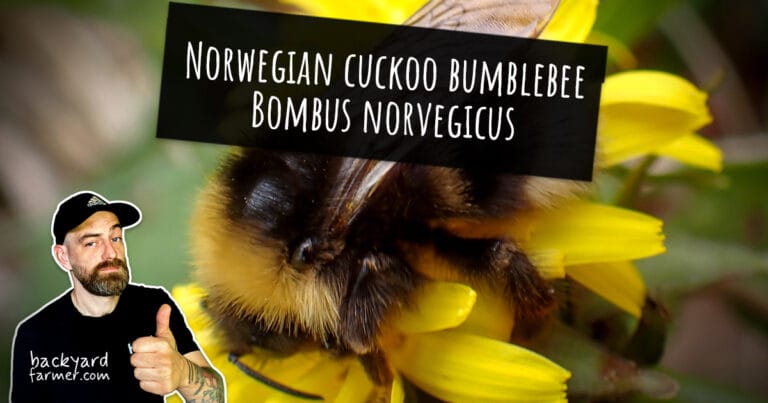
The Norwegian Cuckoo Bumblebee (Bombus norvegicus) is a scarce parasitic bumblebee in the UK, most often encountered in upland and northern habitats during summer. As a cuckoo bumblebee, it does not build its own nest or raise workers, instead taking over the nests of other bumblebee species.
This bee is typically associated with moorland, heathland, woodland edges, and rough grassland, particularly in northern England, Scotland, and upland Wales. It is rarely seen in gardens, making sightings noteworthy and often of interest to experienced bee recorders.
Because it relies entirely on healthy host populations, the Norwegian Cuckoo Bumblebee is vulnerable to habitat loss, changes in land management, and climate shifts affecting upland ecosystems. In this guide, you’ll learn how to identify it, distinguish it from similar cuckoo bumblebees, and understand its role in the wider pollinator community.
Identification & Key Facts
| Attribute | Details |
|---|---|
| Common Name | Norwegian Cuckoo Bumblebee |
| Latin Name | Bombus norvegicus |
| Size | ~14–18 mm |
| Location | Northern England, Scotland, upland Wales |
| Active Months | June to August |
| Habitat | Moorland, heathland, woodland edges, rough grassland |
| Nesting Behaviour | Parasitic – invades host bumblebee nests |
| Social Behaviour | Parasitic (no workers) |
| Flora | Thistles, knapweed, heather, moorland flowers |
| UK Status | Scarce |
How to Identify the Norwegian Cuckoo Bumblebee
The Norwegian Cuckoo Bumblebee is a medium to large cuckoo bumblebee with a predominantly dark body and pale yellow banding. It has a fairly long face and a robust build, though slimmer than many social bumblebees.
In the UK, it is most often seen feeding on flowers in upland habitats rather than around nests. As with all cuckoo bumblebees, it lacks pollen baskets on the hind legs, which is a key identification feature.
Physical Characteristics
- Female – Bumblebee-sized with smooth hind legs, no pollen baskets, and a dark abdomen with pale banding.
- Worker – None present (cuckoo bumblebees do not produce workers).
- Male (Drone) – Slimmer than the female, often with longer antennae and lighter facial hair.
Similar Species
The Norwegian Cuckoo Bumblebee can be confused with other cuckoo bumblebees:
- Barbut’s Cuckoo Bumblebee (Bombus barbutellus) – Paler overall and associated with lowland habitats.
- Gypsy Cuckoo Bumblebee (Bombus bohemicus) – Generally darker with broader banding and different host preferences.
- Vestal Cuckoo Bumblebee (Bombus vestalis) – More common, often found in lowland areas and gardens.
If you’re unsure which bee you’ve spotted, our Bee Identification guide can help you narrow down UK species by size, colour, and behaviour.
Why the Norwegian Cuckoo Bumblebee Matters
Although it does not collect pollen for its young, the Norwegian Cuckoo Bumblebee still contributes to pollination while feeding on nectar-rich flowers such as heather and thistles. Its presence also indicates healthy populations of its host bumblebees in upland ecosystems.
As a specialist of northern and upland habitats, this species highlights the importance of conserving diverse landscapes and maintaining traditional land management practices.
FAQs
No. It is not aggressive towards people and rarely stings.
It is mainly active during summer, typically from June to August.
Yes. It is considered scarce and largely restricted to northern and upland areas.
Females can sting, but stings are uncommon and usually only occur if the bee is handled.
How You Can Help
Supporting the Norwegian Cuckoo Bumblebee means protecting upland bumblebee communities:
🌿 Plant Bee-Friendly Flowers
- Heather, thistles, knapweed, upland wildflowers
🚫 Avoid Harmful Pesticides
- Avoid pesticide use in moorland and rough grassland habitats
🏡 Provide Nesting Spaces
- Protect rough grassland and undisturbed areas that support host bumblebee nests
By supporting flower-rich upland habitats and sustainable land management, you help protect the Norwegian Cuckoo Bumblebee and its host species.