
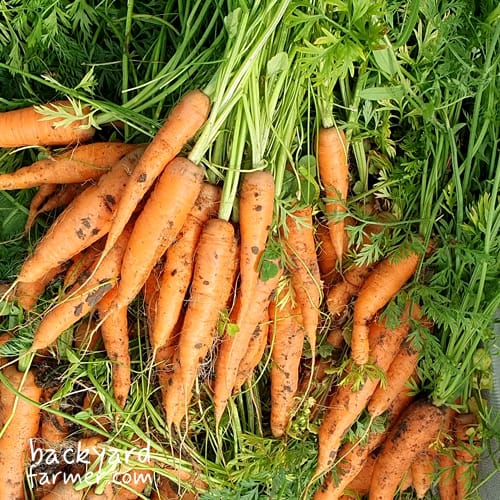
Learning how to grow carrots in the UK is mostly about getting the soil right. Carrots grow easily from seed, take up little space, and do well in gardens, raised beds, allotments, and containers.
They can seem tricky if you end up with forked, tiny, or misshapen roots, but most problems come down to poor soil conditions. Give carrots loose, stone-free soil and they quickly become one of the easiest vegetables to grow in a UK garden.
Carrot Growing Timeline UK
Before sowing, it helps to understand the basic carrot growing cycle: sow, germinate, thin, grow, harvest. In most UK gardens, carrots follow a fairly simple timeline from seed to mature roots, although the exact speed depends on the variety, soil conditions, and weather.
| Growth Stage | Typical Timing | What Happens |
|---|---|---|
| Sowing | March–July | Carrot seeds are sown directly outdoors into prepared soil |
| Germination | 10–20 days | Small seedlings begin to appear above the soil |
| First thinning | 3–4 weeks after germination | Seedlings are spaced out to prevent overcrowding |
| Root development | 6–8 weeks after sowing | Carrot roots begin thickening below the soil |
| Harvest | 10–16 weeks after sowing | Carrots are usually ready to pull, depending on variety |
For most gardeners, carrots take around 10–16 weeks from seed to harvest. Early varieties are usually quicker, while larger maincrop and storage carrots take longer.
This timeline is only a guide. Cold soil, dry weather, heavy ground, or overcrowded seedlings can slow growth, while loose soil, steady moisture, and good spacing help carrots develop more evenly.
When to Sow Carrots in the UK
Knowing when to sow carrots in the UK is one of the most important steps when learning how to grow carrots successfully. Carrots are usually grown from seed sown directly outdoors, and in most UK gardens the main carrot sowing season runs from March through to July. However, the exact timing can shift slightly depending on soil temperature, local weather, and carrot variety.
Because carrot seeds germinate best in warming soil, many gardeners wait until early spring, when the ground begins to dry out and warm up. Once conditions improve, carrot seeds germinate fairly quickly and young plants establish easily.
The table below shows the typical carrot sowing and planting periods in the UK.
| Sowing Period | What to Expect | Typical Harvest |
|---|---|---|
| March – April | Early sowings for tender young carrots | June – July |
| April – June | Maincrop carrot sowings | July – September |
| June – July | Late sowings for autumn carrots | September – November |
This planting window allows gardeners to grow fresh carrots across most of the growing season.
If you’re planning your seasonal planting schedule, our guide to what to plant each month in the UK shows which vegetables are best sown throughout the year.
Early Season Sowing
The first carrots of the year are usually sown in March or early April, once the soil becomes workable. In colder parts of the UK, however, waiting until April often improves germination because the soil has warmed slightly.
Some gardeners also use cloches, horticultural fleece, or cold frames to warm the soil and protect early carrot seedlings. As a result, seeds germinate faster and young plants gain protection from cold spring winds.
Maincrop Sowing
Most gardeners sow carrots during April, May, and early June. During this period the soil is warmer, which helps carrot seeds germinate more reliably and seedlings establish more quickly.
Because conditions are usually more stable at this time of year, maincrop sowings often produce the largest and most dependable carrot harvests. This is also the best time to grow carrot varieties intended for storage later in the season.
Late Season Sowing
Carrots can also be sown in June or July for autumn harvests. These later sowings often produce excellent carrots because the roots develop during cooler late‑summer weather.
However, sowing much later than July can reduce harvest size in colder parts of the UK. In those regions, the carrots may simply not have enough time to fully mature before winter arrives.
Soil Temperature and Germination
Soil temperature plays an important role in carrot seed germination. In general, carrot seeds germinate best when soil temperatures sit between 10–20°C.
In colder soil, germination may take longer than two weeks. Because of this, many gardeners assume their carrot seeds have failed when in reality they simply need more time to sprout.
During this stage, it also helps to keep the seed bed lightly and consistently moist. If the soil dries out, carrot seeds often struggle to germinate properly.
For more detailed guidance on planting windows, carrot varieties, and seasonal timing, see the dedicated When to Sow Carrots UK guide.
Choosing the Right Carrot Varieties
Choosing the right carrot variety can make growing carrots much easier. Some types are quick and tender, some grow larger for maincrop harvests, and others are better suited to containers or heavier soil.
For most UK gardeners, it helps to choose from three simple groups: early carrots, maincrop carrots, and compact container varieties.
My pick: Carrot ‘Autumn King 2 AGM’
A dependable maincrop carrot with good flavour, strong yields and excellent keeping quality. It’s a particularly good choice if you want one reliable variety for an allotment or vegetable plot.
Early Carrot Varieties
Early carrots grow quickly and are usually harvested in late spring or early summer. They are often smaller than maincrop types, but they are sweet, tender, and ideal for the first sowings of the year.
Good early varieties include:
- Amsterdam Forcing – a classic early carrot with smooth, slender roots
- Nantes – sweet, cylindrical carrots that grow well in most garden soils
Maincrop Carrot Varieties
Maincrop carrots take longer to grow but usually produce larger roots. These are better for bigger harvests and storing later in the season.
Good maincrop varieties include:
- Chantenay – short, sturdy carrots that cope better with heavier soil
- Autumn King – a traditional storage carrot that grows large and keeps well
Carrots for Containers
If your soil is heavy, shallow, or stony, containers can give better results. Compact carrot varieties are ideal for pots, planters, raised beds, patios, and balconies.
Good container varieties include:
- Paris Market – small, round carrots for shallower soil
- Little Finger – short, slender carrots well suited to pots
Choosing a variety that suits your soil and growing space gives you a much better chance of straight, healthy carrots. The next step is preparing the soil properly.
Best Soil for Growing Carrots
Soil quality is one of the biggest factors when growing carrots. Carrots need loose, deep, stone-free soil so the young taproot can grow straight down without hitting resistance.
If the root meets stones, compacted clay, fresh manure, or clumps of organic matter, it can split, twist, or fork. This is why poor soil is one of the most common reasons for misshapen carrots.
| Soil Problem | Likely Result |
|---|---|
| Stony soil | Forked or twisted carrots |
| Heavy clay | Short, stunted roots |
| Fresh manure | Branched or misshapen roots |
| Loose sandy soil | Straighter, better-formed carrots |
Why Fresh Manure Causes Problems
Carrots do not need very rich soil. Fresh manure or strong, unfinished compost can encourage the roots to branch, leading to forked or distorted carrots.
Use well-rotted compost added earlier in the season instead, and avoid adding fresh manure just before sowing.
How to Prepare Soil for Carrots
Prepare the bed before sowing so the roots can grow freely.
- Clear weeds and debris
Remove weeds, old roots, and large pieces of organic matter. - Remove stones and gravel
Even small stones can cause carrots to fork. - Loosen the soil deeply
Break up compacted ground to around 20–30cm deep. - Rake to a fine tilth
Carrot seeds are tiny, so they germinate best in a smooth, crumbly seedbed. - Avoid fresh manure
Keep the soil loose and clean rather than overly rich.
Improving Heavy Soil
If your soil is heavy clay, compacted, or full of stones, carrots may grow better in a raised bed or deep container. This lets you use a lighter mix and avoid the worst of the garden soil.
Some allotment growers create a dedicated carrot bed using sieved soil mixed with horticultural sand. You do not need to go that far in most gardens, but the principle is useful: the looser and cleaner the soil, the straighter the carrots.
Once the soil is ready, you can sow carrot seeds directly into shallow drills.
How to Sow Carrot Seeds
Carrots are best sown directly outdoors because the young taproot forms early and does not like being disturbed. Transplanting can cause twisted or forked roots, so avoid starting carrots in seed trays.
Create Shallow Drills
Make shallow drills in prepared soil using the edge of a hoe, stick, or rake.
Sow carrot seeds around 5–10mm deep. If they are sown too deeply, germination can be slower and more patchy.
Space rows around 20–30cm apart so you have room for weeding, thinning, and harvesting.
Sow Seeds Thinly
Carrot seeds are tiny, so it is easy to sow too many. Try to sow as thinly as possible to reduce overcrowding later.
To make sowing easier, you can:
- Mix the seed with a little dry sand
- Sow slowly between your fingers
- Use seed tape for neater rows
Thin sowing means less thinning later, which also helps reduce carrot fly risk.
Cover and Water
Lightly cover the seeds with soil, then gently firm the surface so the seed stays in contact with the soil.
Water carefully using a can with a fine rose. Avoid heavy watering, as this can wash the seeds out of place.
Carrot seeds usually take 10–20 days to germinate. Keep the seed bed lightly and consistently moist until seedlings appear, as dry soil can lead to poor germination.
Keeping Track of Spacing and Sowings
Carrots work well as succession crops, but it is easy to lose track of sowing dates and spacing. Use the Backyard Farmer Allotment Planner to map out rows, plan follow-up sowings, and keep your carrot crop organised through the season.
Why Carrot Seeds Sometimes Fail to Germinate
Poor germination is one of the most common problems when growing carrots from seed. Carrot seeds are naturally slow to sprout and usually take 10–20 days, so they may simply need more time.
Most germination problems come down to moisture, soil surface, sowing depth, seed age, or temperature.
Soil Drying Out
Carrot seeds sit close to the surface, so the top layer of soil can dry out quickly. If the seed bed dries during germination, seedlings may appear patchy or fail altogether.
Keep the soil lightly and consistently moist until seedlings appear. Use a watering can with a fine rose to avoid washing the seeds away.
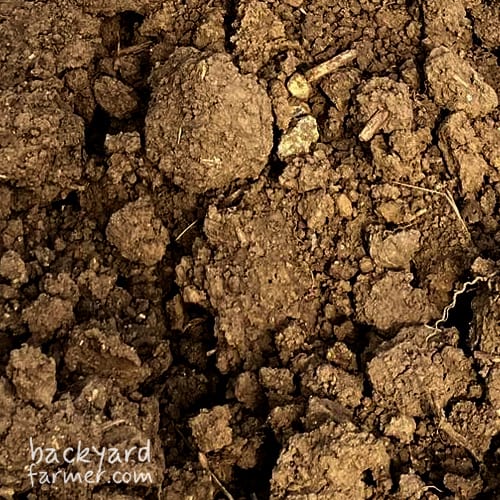
Soil Crusting Over
Heavy rain or strong watering can create a hard crust on the soil surface. This makes it harder for tiny carrot seedlings to push through.
To prevent this, sow into a fine, crumbly seed bed and cover seeds lightly with fine soil or compost.
Seeds Sown Too Deep
Carrot seeds should only be sown around 5–10mm deep. If they are buried too deeply, seedlings may not have enough energy to reach the surface.
Old Seed
Carrot seed does not store as well as some vegetable seed. Older seed often germinates poorly or unevenly, so fresh seed usually gives better results.
Cold Soil
Carrot seeds germinate best in soil around 10–20°C. In cold spring soil, they can take two to three weeks to appear.
Be patient, keep the seed bed moist, and avoid resowing too quickly unless you are sure the seed has failed.
Thinning Carrots Properly
Carrot seedlings need thinning so each root has enough space to develop. If seedlings are left overcrowded, they often produce small, thin, twisted, or uneven carrots.
When to Thin Carrots
Thin carrots once the seedlings are around 3–5cm tall. At this stage, they are large enough to handle but still young enough to thin without causing too much disturbance.
Many gardeners thin carrots in two stages:
| Thinning Stage | Recommended Spacing |
|---|---|
| First thinning | 2–3cm between plants |
| Final spacing | 5–8cm between plants |
Larger maincrop carrots usually need the wider end of this spacing range.
How to Thin Carrots
You can thin carrots by gently pulling out unwanted seedlings or snipping them off at soil level with scissors.
Snipping is often the safer method because it reduces the risk of disturbing nearby roots. After thinning, water the row lightly to settle the soil around the remaining seedlings.
Why Thinning Matters
Each carrot needs enough room for its taproot to swell properly. Good spacing helps prevent:
- Thin carrots
- Twisted or forked roots
- Uneven growth
- Crowded, weak seedlings
Thin early, keep the strongest plants, and the remaining carrots will have a much better chance of growing straight and well-formed.
How to Thin Carrots Without Attracting Carrot Fly
Carrot fly is one of the most common carrot pests in UK gardens. The larvae tunnel into the roots, leaving carrots damaged, discoloured, and often unpleasant to eat.
The main risk during thinning is scent. When carrot foliage is pulled, bruised, or damaged, it releases a smell that can attract adult carrot flies.
To reduce the risk:
- Thin carrots in the evening
- Thin after rain or water the row first
- Remove thinnings straight away
- Avoid crushing carrot leaves near the bed
- Sow thinly in the first place so less thinning is needed
Use Barriers for Better Protection
Careful thinning helps, but physical barriers are usually the most reliable way to prevent carrot fly. Fine insect mesh or horticultural fleece can stop adult flies reaching the soil and laying eggs near the plants.
Good options include:
- Covering carrot rows with fine insect mesh
- Growing carrots under fleece
- Using raised beds with netting
- Growing carrots in containers where carrot fly is a regular problem
Combining thin sowing, careful thinning, and mesh protection gives carrots the best chance of growing clean, healthy roots.
Watering and Feeding Carrots
Carrots need steady moisture, especially during germination and root development. Avoid letting the soil dry out completely and then soaking it heavily, as this can cause roots to split or grow unevenly.
During dry spells, water deeply rather than giving frequent shallow watering. Carrots in containers and raised beds may need watering more often because they dry out faster than carrots grown in open ground.
Carrots do not need heavy feeding. In fact, rich soil or too much nitrogen can produce large leafy tops with small, forked, or poorly developed roots.
For best results, grow carrots in soil improved earlier with well-rotted compost. Avoid fresh manure and strong fertilisers before sowing. If your soil is very poor, use only a light dressing of balanced organic fertiliser.
Common Carrot Growing Problems
Most carrot problems are easy to trace back to soil, spacing, moisture, or pests. Use this table to diagnose issues quickly.
| Problem | Likely Cause | How to Fix It |
|---|---|---|
| Forked or twisted carrots | Stones, compact soil, or fresh manure | Remove stones, loosen soil deeply, and avoid fresh manure before sowing |
| Carrots stay small | Seedlings overcrowded | Thin seedlings to around 5–8cm apart |
| Seeds fail to germinate | Dry soil, deep sowing, cold soil, or old seed | Keep soil moist, sow 5–10mm deep, and use fresh seed |
| Carrots split or crack | Irregular watering after dry weather | Keep soil moisture steady, especially during dry spells |
| Carrot fly damage | Scent released during thinning | Thin in the evening, remove thinnings, and use mesh or fleece |
Check carrot rows regularly during the first few weeks after germination. Early problems are usually easy to fix by thinning crowded seedlings, keeping the seed bed moist, or protecting rows with mesh.
If your soil is heavy, stony, or difficult to prepare, containers or raised beds may give better results.
Growing Carrots in Containers
Carrots grow well in containers, especially if your garden soil is heavy, shallow, compacted, or full of stones. Pots, planters, and grow bags also work well for patios, balconies, and small gardens.
The most important factor is container depth. Carrot roots grow downward, so shallow containers can lead to short or misshapen roots.
| Container Depth | Suitable Carrot Types |
|---|---|
| 20–25cm | Small or round carrots, such as Paris Market |
| 25–30cm | Short or baby carrots, such as Little Finger |
| 30cm or deeper | Most standard carrot varieties |
Choose a container with good drainage holes. Deep pots, raised planters, window boxes, and fabric grow bags can all work, as long as they are deep enough.
Best Soil Mix for Container Carrots
Use a loose, free-draining mix so the roots can grow straight. A simple container mix can include:
- Multipurpose compost
- Horticultural sand
- Fine garden soil, optional
Avoid heavy garden soil on its own, as it can compact in containers and restrict root growth.
Watering Container Carrots
Containers dry out faster than garden beds, especially in warm or windy weather. Keep the compost evenly moist, but not waterlogged.
Steady watering helps carrots grow evenly and reduces the risk of splitting or cracking.
When to Harvest Carrots
Most carrots are ready to harvest around 10–16 weeks after sowing, depending on the variety, soil, and weather. Early varieties can be pulled sooner as baby carrots, while maincrop carrots are usually left longer to size up.
Signs Carrots Are Ready
The easiest way to check is to look at the shoulders of the root where they meet the soil surface. If the shoulders are around 1.5–3cm wide, the carrot is usually ready to pull.
Other signs include:
- Healthy, well-developed foliage
- Visible carrot shoulders above the soil
- Good root colour
- Roots that feel firm when gently checked
If you are unsure, loosen the soil around one carrot and lift it as a test.
Harvesting Baby Carrots
Baby carrots can be pulled earlier while they are still small, tender, and sweet. This can also help thin crowded rows, giving the remaining carrots more space to grow.
Harvesting Maincrop Carrots
Maincrop carrots are usually harvested later in summer or autumn. You do not need to lift the whole row at once; pull them as needed once they reach a good size.
In cooler UK weather, carrots can often stay in the ground into autumn, as long as the soil does not freeze. For more detail on seasonal timing, see the dedicated When to Harvest Carrots UK guide.
How to Store Carrots After Harvest
Storing carrots properly helps keep them crisp and fresh after harvest. The best method depends on how many carrots you have and how long you want to keep them.
Short-Term Storage
For small harvests, the fridge is usually easiest.
Before storing:
- Remove the leafy tops
- Brush off loose soil
- Avoid washing unless needed
- Store in the vegetable drawer or a perforated bag
Removing the tops stops them pulling moisture from the roots, which helps prevent carrots turning soft or rubbery.
Long-Term Storage
For larger harvests, store healthy, undamaged carrots in slightly damp sand. Use a box or crate and keep it somewhere cool and frost-free, such as a shed, garage, or cellar.
To store carrots in sand:
- Add a layer of damp sand to the box
- Lay carrots in a single layer so they do not touch
- Cover with more sand
- Repeat if needed
Stored this way, carrots can keep for several months in cool conditions.
Leaving Carrots in the Ground
In many UK gardens, carrots can stay in the soil into autumn and be pulled as needed. This works well while the ground remains workable.
If hard frost is likely, lift the carrots and store them indoors instead.
Only store healthy, undamaged carrots. Use cracked, bruised, or split roots first, as they spoil more quickly.
Frequently Asked Questions
Usually because the taproot hit stones, compacted soil, fresh manure, or another obstacle while young.
Yes. Use a container at least 25–30cm deep for standard carrots, or choose round/short varieties for shallower pots.
Carrots grow best in full sun, but they can tolerate light partial shade, especially in cooler weather.
Sow carrot seeds around 5–10mm deep in shallow drills.
No. Carrot tops can regrow leaves, but they will not grow a new carrot root