
Introduction: Winter Gardening in the UK
Winter might seem like a quiet time in the vegetable garden. However, it’s far from the end of the growing season. In fact, with the right approach, growing winter vegetables in the UK can keep your garden productive right through the coldest months.
While spring and summer bring fast growth and busy planting schedules, winter gardening moves at a slower pace. Days are shorter, the soil is colder, and plants grow more slowly. Because of this, gardeners naturally shift their focus toward maintaining hardy crops, protecting plants from harsh weather, and planning the next stage of the winter vegetable garden.
What Winter Gardening Focuses On
Even though growth slows down, there is still plenty happening in a winter vegetable garden. In most cases, winter gardening centres around four practical activities that help keep winter vegetables growing, even during colder conditions:
- Harvesting hardy winter vegetables such as kale, leeks, and parsnips
- Protected growing using greenhouses, cloches, or cold frames
- Indoor sowing for long‑season crops and early seedlings
- Planning the next vegetable growing season
Fortunately, many crops are naturally suited to winter conditions. Frost‑hardy vegetables like kale, leeks, and parsnips often continue producing outdoors despite cold temperatures. Meanwhile, salad leaves and herbs frequently grow well under cover or even on a bright kitchen windowsill.
Winter is also the ideal time to get ahead of the next growing season. By starting a few seeds indoors, protecting crops from frost, and organising planting plans early, you make spring gardening far easier. As a result, your garden moves smoothly from winter vegetable growing into the busy spring planting period.
In this winter growing guide, you’ll learn:
- What vegetables to sow from December to February
- Which winter vegetables can still grow outdoors
- How to protect crops from frost and cold weather
- How to keep your winter vegetable garden productive
Along the way, you’ll discover practical tips for growing vegetables in winter, maintaining healthy plants, and preparing your garden for the next growing season.
If you’d like a broader overview of the year ahead, take a look at my guide to what to plant each month in the UK, which breaks down sowing and planting throughout the entire growing season.
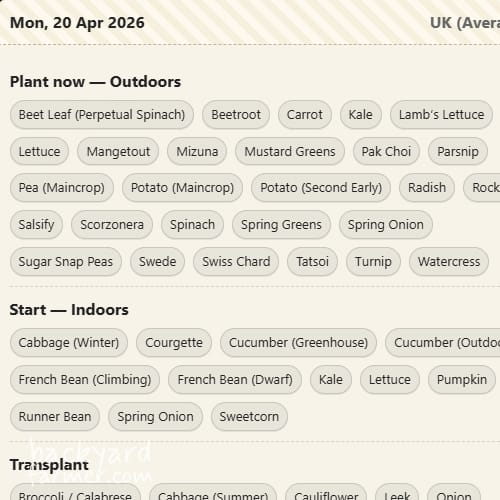
Not sure what to plant right now?
Use the Vegomatic Planting Calendar to instantly see what vegetables you can sow and grow this month in the UK.
Vegetables to Sow in December (UK)
December is usually the quietest month of the vegetable growing year in the UK. Daylight hours are short, soil temperatures fall, and plant growth slows significantly. Because of this, most outdoor sowing pauses until later in winter. However, that doesn’t mean your winter vegetable garden has to stop producing.
In fact, December is best used for indoor growing, maintaining protected crops, and preparing the garden for the months ahead. With a little planning and simple protection, you can still keep winter vegetables growing even during the darkest part of the year.
Vegetables to Sow Indoors in December
If you want to keep growing winter vegetables in the UK, the easiest option is to start a few crops indoors. Temperatures are far more stable inside the house, and plants usually receive better light on a bright windowsill. As a result, indoor sowing is often the most reliable way to grow vegetables in winter.
Good vegetables to grow indoors in December include:
- Microgreens – fast-growing and ideal for windowsills
- Herbs such as basil, chives, or parsley
- Salad leaves grown in trays for quick indoor harvests
Microgreens are particularly popular during winter. They grow quickly, require very little space, and provide fresh greens when the outdoor garden is quiet. In many cases, a small tray on a windowsill can produce a harvest in 7–14 days. Because of this, they are one of the easiest vegetables to grow in winter indoors.
Vegetables to Maintain Under Cover
If you already have crops growing in a greenhouse, polytunnel, or cold frame, December becomes a month of maintenance rather than new sowing. Although growth slows down, many hardy crops continue producing gradually through winter.
For example, you may still be harvesting or maintaining:
- Lamb’s lettuce (corn salad)
- Winter spinach
- Hardy lettuce varieties
Protection such as horticultural fleece, cloches, or cold frames helps these winter vegetables continue growing slowly. At the same time, it shields crops from frost, heavy rain, and cold winds. Consequently, protected growing becomes especially useful during colder months.
What December Is Best Used For
Although sowing opportunities are limited, December is still a valuable month for vegetable gardeners. In fact, many experienced growers use this time to prepare for the next growing season while the garden is quieter.
Useful winter gardening jobs include:
- Planning next year’s vegetable garden
- Ordering seeds and organising seed trays
- Cleaning and maintaining garden tools
- Preparing beds with compost or well-rotted manure
By using December to organise your garden and start a few small indoor crops, you set yourself up well for the months ahead. Then, when the growing season begins to pick up again in January and February, you’ll already be one step ahead with your winter vegetable growing plan.
Vegetables to Sow in January (UK)
January marks the slow return of activity in the vegetable garden. Although the weather is still cold and daylight hours remain limited, many gardeners begin planning the next stage of their winter vegetable garden. As a result, this is often the point when people start thinking about growing winter vegetables in the UK and getting an early start on the coming season.
Outdoor sowing is still fairly limited across most of the UK, especially in colder or wetter regions. However, January is an excellent time to start a few crops indoors, where warmth and protection help seeds germinate more reliably. By doing this, you can begin growing vegetables in winter while giving long‑season crops the head start they need.
Vegetables to Sow Indoors in January
Starting seeds indoors during January allows slow‑growing crops to develop well before the main summer growing period. A warm windowsill, heated propagator, or greenhouse usually provides the stable conditions needed for early germination.
Good vegetables to grow indoors in winter include:
- Onions (from seed) – an early start often produces larger bulbs later in the year
- Leeks – slow growing but hardy, which makes them ideal for early sowing
- Chillies – benefit from a long growing season
- Sweet peppers – can also be started indoors in warm conditions
Seeds should be kept somewhere warm and bright. A heated propagator often improves germination, particularly for chillies and peppers, which prefer higher temperatures. Because of this, indoor sowing becomes one of the most reliable ways of growing winter vegetables early in the year.
Crops to Grow Under Cover
If you have a greenhouse, polytunnel, or cold frame, you may also be able to sow or maintain some cold‑tolerant crops during January. Protected growing helps extend the season and keeps winter vegetables producing slowly while temperatures remain low.
For example, suitable crops include:
- Winter lettuce varieties
- Spinach
- Mixed salad leaves
Growth will still be slow because winter light levels remain low. However, protected growing allows these vegetables that grow in winter to continue producing small but steady harvests.
January Growing Tips
Because winter conditions can still be challenging, it helps to give young seedlings the best possible start. Small adjustments now often make a big difference later in the growing season.
Useful tips for winter vegetable growing include:
- Place seedlings on the brightest windowsill available
- Avoid overwatering, since cold compost stays wet much longer
- Provide good ventilation in greenhouses on milder days
- Use a heated propagator for crops that need extra warmth
By starting a few crops indoors in January, you give your garden a valuable head start. Then, once spring arrives, you will already have strong young plants ready for transplanting and a productive winter vegetable growing season underway.
Vegetables to Sow in February (UK)
By February, the vegetable growing season in the UK begins to gather momentum. Days gradually become longer, light levels improve, and gardeners can start sowing a wider range of crops both indoors and under protection. Because of this, February often marks the point when growing winter vegetables in the UK begins to transition into early spring planting.
That said, the weather can still be cold and unpredictable. However, February is widely considered the real starting point of the growing year for many gardeners. With the help of greenhouses, cold frames, cloches, or indoor propagation, you can begin raising plants that will later become productive crops in your winter vegetable garden and beyond.
Vegetables to Sow Indoors in February
February is one of the best months to start long‑season vegetables indoors. By giving these crops an early start, you allow them to develop strong roots and healthy growth before the main summer harvest begins.
Popular vegetables to grow indoors in winter include:
- Tomatoes – start in trays or modules in a warm, bright spot
- Sweet peppers – prefer warm germination conditions
- Chillies – benefit from a long growing season and steady warmth
- Aubergines – usually perform best when started early in a heated propagator
- Celery and celeriac – slow growers that benefit from an early start
- Onions – can still be started from seed indoors
- Leeks – ideal for early sowing in trays or seed beds
Keep seedlings somewhere bright and warm, such as a sunny windowsill or a heated propagator. Then, once they are large enough, pot them on and continue growing them under cover until outdoor temperatures improve. As a result, these plants will already be well established when the main planting season begins.
Vegetables to Sow Under Cover
If you have access to a greenhouse, polytunnel, cold frame, or cloche, February also opens the door to sowing hardy vegetables under protection. Although growth will still be relatively slow, protected growing helps maintain steady progress for many vegetables that grow in winter.
Suitable crops include:
- Broad beans
- Lettuce
- Spinach
- Radish
- Beetroot
- Early carrots (particularly in milder areas or light soils)
These crops tolerate cooler conditions well. Therefore, they can germinate gradually under protection while remaining shielded from frost, heavy rain, and cold winds.
February Growing Tips
To make the most of February sowing, it helps to keep a few simple things in mind. Small adjustments now can significantly improve your success when growing winter vegetables early in the season.
Helpful tips include:
- Start seeds indoors for the earliest crops, especially warmth‑loving plants
- Use fleece, cloches, or cold frames to protect young seedlings
- Sow little and often so you avoid early gluts later in the season
- Check seedlings regularly to ensure they receive enough light and ventilation
By taking advantage of February’s improving daylight, and by using a little protection, you can establish strong early plants and get a valuable head start on the growing season. As a result, your garden moves smoothly from winter vegetable growing into spring planting.
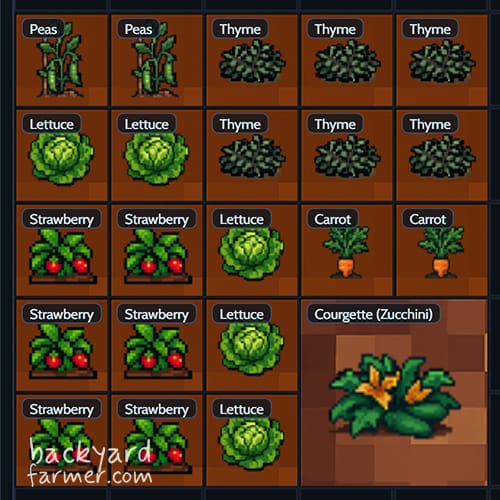
Plan your garden layout
Use the Allotment Planner to design your beds, organise crops, and map out your vegetable garden for the season ahead.
What Vegetables Can You Harvest in Winter?
Even though winter slows plant growth right down, it can still be a surprisingly productive time in the vegetable garden. In fact, many winter vegetables are grown specifically for harvesting during the colder months. As a result, you can still enjoy fresh produce when very little else is growing outdoors.
Most vegetables that grow in winter are cold‑tolerant crops that cope well with frost and low temperatures. Typically, gardeners sow or plant them in late summer or early autumn, then allow them to mature slowly through the colder months. Because of this slower growth, these winter vegetables can usually be harvested gradually throughout winter rather than all at once.
Common Winter Vegetables in the UK
Several hardy crops are well suited to winter harvesting and can continue producing through December, January, and February. Because of this, they form the backbone of most productive winter vegetable gardens.
Popular winter vegetables to grow in the UK include:
- Leeks – a classic winter vegetable that handles cold weather extremely well
- Kale – very hardy and easy to harvest leaf by leaf through winter
- Parsnips – often left in the ground until winter to improve flavour
- Brussels sprouts – another traditional winter brassica
- Winter cabbage – reliable varieties that cope well with cold conditions
- Swede – stores well in the soil and can be lifted as needed
Because these crops are naturally adapted to cooler weather, they usually cope well with light frosts and cold soil. As a result, they are ideal for gardeners interested in growing winter vegetables in the UK while keeping their garden productive during the colder months.
Why Frost Improves Some Vegetables
Interestingly, a light frost can actually improve the flavour of certain winter vegetables. When temperatures drop, some plants convert stored starches into sugars as a natural defence against freezing.
Consequently, crops such as parsnips and kale often taste noticeably sweeter after the first frost. For many gardeners, this is one reason vegetables that grow in winter can become some of the most flavourful harvests of the entire year.
Harvesting Tips for Winter Vegetables
Harvesting winter vegetables works slightly differently from summer harvesting. Growth slows down, soils stay colder, and conditions are often wetter. Because of this, it helps to adjust your harvesting approach.
Practical winter harvesting tips include:
- Harvest vegetables as needed rather than lifting everything at once
- Use a fork carefully when lifting root crops to avoid damaging them
- Mulch beds with straw or compost to prevent soil freezing solid
- Pick leafy crops regularly so plants continue producing new growth
By choosing hardy crops and harvesting gradually, you can keep your winter vegetable garden productive right through the colder months.
Growing Vegetables Indoors During Winter
When outdoor growing slows down, growing vegetables indoors in winter becomes a simple and practical way to keep fresh food on the table. Even a bright windowsill or a small kitchen corner can provide enough space to grow a few useful crops during the colder months. As a result, indoor gardening helps extend the season while your outdoor winter vegetable garden rests.
Indoor growing works best for fast‑growing leafy crops, herbs, and microgreens that don’t require much space. Although harvests are usually small, these crops still add fresh flavour and nutrients to winter meals. At the same time, they allow you to keep growing winter vegetables even when outdoor conditions are poor.
Microgreens
Microgreens are one of the easiest vegetables to grow indoors in winter. These young seedlings are harvested shortly after the first leaves appear, so they grow quickly and fit perfectly into small trays or shallow containers.
Popular microgreens include:
- Pea shoots
- Radish shoots
- Mustard greens
- Sunflower shoots
Because they grow so quickly, microgreens are often ready to harvest in 7–14 days. Consequently, they are ideal for winter windowsill gardening, especially when outdoor vegetable growing slows down.
Windowsill Herbs
Herbs also grow well indoors, particularly when they receive plenty of natural light. A sunny kitchen windowsill can easily provide fresh herbs throughout winter, which makes them perfect for indoor winter vegetable growing.
Good herbs for indoor growing include:
- Basil
- Chives
- Parsley
- Coriander
These herbs grow happily in small pots or containers. Moreover, if you harvest them regularly, they continue producing new leaves. As a result, you can maintain a steady supply of fresh herbs for cooking throughout winter.
Indoor Salad Crops
Some leafy vegetables also adapt well to growing vegetables indoors during winter. By sowing them in shallow trays or containers, you can harvest small but regular amounts of fresh greens even while outdoor beds are dormant.
Suitable salad crops include:
- Cut‑and‑come‑again lettuce
- Rocket
- Spinach
- Mixed salad leaves
Because these crops regrow after cutting, they can be harvested several times before re‑sowing. Therefore, they are perfect for maintaining a steady supply of fresh greens during winter.
Tips for Successful Indoor Growing
Although indoor growing is fairly straightforward, a few small adjustments can make a big difference when growing winter vegetables indoors.
Helpful indoor growing tips include:
- Place plants on the brightest windowsill available
- Rotate trays occasionally so plants grow evenly toward the light
- Avoid overwatering, since compost dries more slowly indoors
- Use shallow containers or trays to maximise limited space
With a little light and a small amount of space, growing vegetables indoors in winter can keep fresh herbs and greens coming throughout the colder months. Meanwhile, your outdoor beds can rest and recover before the main growing season begins again in spring.
If you’re interested in expanding your indoor setup, take a look at the Indoor Growing hub, where you’ll find guides on growing vegetables, herbs, and microgreens inside the home.
Protecting Crops From Frost
Frost is one of the biggest challenges when growing winter vegetables in the UK. Although many winter vegetables are naturally hardy, sudden cold snaps, frozen soil, and long periods of wet weather can still slow plant growth or damage young seedlings.
Fortunately, a few simple protection methods can make a real difference in a winter vegetable garden. By using basic winter garden protection techniques, you can shield crops from frost, extend the growing season, and keep winter vegetables growing steadily through the colder months.
Horticultural Fleece
Horticultural fleece is one of the simplest and most effective ways to protect vegetables that grow in winter. This lightweight fabric can be placed directly over plants or supported with hoops to create a small protective tunnel.
Fleece helps by:
- Protecting plants from light frost
- Allowing air, water, and light to pass through
- Raising temperatures slightly around plants
Because it is quick to install, fleece works particularly well for protecting young seedlings and frost‑hardy vegetables. In addition, it is very useful for extending the harvest of winter salad crops in a winter vegetable garden.
Cloches
Cloches act like small portable greenhouses. They trap warmth around plants and create a sheltered growing environment, which helps crops cope with cold weather.
Traditionally, cloches were made from glass. However, most modern cloches are made from plastic or hoop frames covered with clear material, which makes them lighter and easier to use.
Cloches can help:
- Protect crops from frost and heavy rain
- Warm the soil slightly during the day
- Encourage earlier growth as spring approaches
Because of this, they are especially useful when growing vegetables in winter, particularly for hardy crops such as lettuce or early carrots.
Cold Frames
Cold frames provide a stronger form of winter vegetable protection. These low boxes with transparent lids create a sheltered growing space that traps warmth while still allowing plenty of light to reach plants.
Gardeners commonly use cold frames to:
- Protect young seedlings
- Grow winter salad crops
- Harden off plants before planting outdoors
Although they are relatively simple structures, cold frames can significantly improve success when growing winter vegetables, especially in colder parts of the UK.
Mulching
Mulching is another reliable way to protect winter vegetables during cold weather, particularly root crops. By covering the soil with organic materials such as straw, compost, or leaf mould, you create an insulating layer that protects both soil and plant roots.
Mulch helps by:
- Protecting soil from freezing temperatures
- Reducing waterlogging during wet winter weather
- Making it easier to lift root crops such as parsnips or carrots
In practice, combining several of these methods works best. For example, a layer of mulch on the soil, fleece over young plants, and cloches for extra shelter can greatly improve success when growing winter vegetables in the UK.
Winter Garden Jobs for Vegetable Growers
Although winter is a slower period in the vegetable garden, it is actually one of the most useful times of year for improving your winter vegetable garden behind the scenes. With fewer crops demanding attention, you can step back and focus on maintenance, soil care, and small improvements that will pay off once the main growing season returns.
Because of this, winter becomes the perfect window to tidy, repair, and prepare garden beds for growing winter vegetables in the UK and for the busy spring planting season ahead. Even a few hours spent on these simple jobs can make vegetable gardening much easier once the weather warms up.
Improve and Prepare the Soil
Healthy soil is the foundation of any productive vegetable garden. Once beds are cleared of crops, winter is the ideal time to improve soil structure and fertility so nutrients have time to break down before planting begins again.
Useful soil jobs include:
- Adding compost or well‑rotted manure to vegetable beds
- Mulching bare soil to protect it from heavy rain and erosion
- Building or topping up raised beds with fresh organic matter
As a result, soil structure improves, drainage becomes better, and beneficial soil life has time to develop before spring planting begins. Preparing beds now also creates better conditions for vegetables that grow in winter and early spring crops.
Maintain and Sharpen Garden Tools
Winter is also the perfect opportunity to maintain the tools you rely on all year. Cleaning and sharpening tools now means they will be ready when the garden suddenly becomes busy again.
Simple winter gardening jobs include:
- Cleaning soil and rust from tools
- Sharpening spades, hoes, and secateurs
- Oiling wooden handles and metal parts
- Repairing damaged handles or loose fittings
Well‑maintained tools last longer and make everyday gardening tasks easier, especially when you begin planting and maintaining winter vegetables or preparing beds for spring sowing.
Repair Structures and Garden Features
Cold weather often highlights weaknesses in garden structures. Because of this, winter becomes a good time to repair or strengthen features before the main growing season begins.
Typical winter vegetable garden maintenance jobs include:
- Repairing raised beds or timber edging
- Fixing trellis, supports, and netting
- Checking greenhouses or cold frames for damage
- Reinforcing fences or wind protection
By tackling these repairs early, you avoid unexpected problems once planting season arrives and your winter vegetable growing efforts begin to increase again.
Support Wildlife in the Garden
Winter can be a challenging time for wildlife, so gardens often become important refuges. Fortunately, a few small actions can make a big difference while also supporting a healthier vegetable garden ecosystem.
Simple ways to help include:
- Putting out bird feeders during cold spells
- Leaving log piles or leaf piles for insects and hedgehogs
- Maintaining pond access so wildlife can drink
Not only does this support wildlife through winter, but it also encourages natural pest control. As a result, your winter vegetable garden benefits from a healthier balance of insects and wildlife when the growing season returns.
By tackling a few of these jobs during winter, you keep your vegetable garden organised, fertile, and ready for spring planting.
Planning Your Spring Vegetable Garden
Although winter can feel quiet in the garden, it is actually one of the best times to plan the next growing season. With fewer day‑to‑day jobs demanding attention, you can step back, assess your space, and decide what you want to grow in your vegetable garden in the months ahead.
A little planning during winter makes the entire growing season run far more smoothly. By organising crops, ordering seeds early, and preparing a clear vegetable garden planting plan, you will be ready to start sowing as soon as conditions improve in late winter and early spring. As a result, your winter vegetable garden transitions naturally into the busy spring growing season.
Order Seeds Early
Winter is the perfect time to browse seed catalogues and decide which vegetables to grow in your garden. However, popular varieties often sell out quickly once spring arrives. Because of this, ordering seeds early helps ensure you have everything ready when the main sowing season begins.
When choosing seeds, it helps to consider:
- Vegetables that grow well in your local climate
- Crops you and your family genuinely enjoy eating
- Varieties suited to the size and layout of your vegetable garden
Keeping your seed collection organised also makes vegetable garden planning much easier. As a result, you can quickly see which seeds you already have and which varieties still need ordering.
Plan Your Garden Layout
Taking time to plan your vegetable garden layout can make a big difference later in the season. Not only does it help you maximise growing space, but it also prevents overcrowding once plants begin to develop.
Many gardeners sketch simple vegetable bed plans during winter so they know exactly where crops will go once planting begins.
Useful vegetable garden planning ideas include:
- Grouping crops by growing season
- Leaving enough space for mature plants
- Using succession planting to extend harvests
By planning ahead, you avoid rushed decisions once the garden suddenly becomes busy in spring. Consequently, your vegetable garden planting schedule becomes far easier to manage.
Consider Crop Rotation
Crop rotation plays an important role in maintaining a healthy vegetable garden. By rotating plant families between beds each year, you prevent nutrients from becoming depleted while also disrupting the life cycles of pests and diseases.
A simple vegetable garden crop rotation system often groups crops into categories such as:
- Brassicas (cabbage, kale, sprouts)
- Root vegetables (carrots, beetroot, parsnips)
- Legumes (peas and beans)
- Fruiting crops (tomatoes, peppers, courgettes)
By moving these groups around the garden each year, you maintain better soil balance and support stronger plant growth throughout the growing season.
Prepare for Early Sowing
As winter moves toward late February, the first early sowings usually begin indoors or under protection. Because of this, it helps to prepare everything in advance.
Setting out seed trays, fresh compost, and plant labels ahead of time means you can start sowing the moment conditions are right. This preparation is particularly useful when growing vegetables in late winter or starting crops early indoors.
By getting organised during winter, you give yourself a smooth start to the new growing season. Then, when spring finally arrives, your vegetable garden plan is already in place and ready to grow.
Common Winter Growing Mistakes
Growing winter vegetables in the UK can be extremely rewarding. However, winter vegetable gardening also brings a few challenges that can easily catch gardeners out. Cold temperatures, shorter daylight hours, and wet soil conditions all affect how plants grow during winter.
Because of this, it helps to understand the most common winter vegetable growing mistakes. By adjusting your approach slightly, you can avoid unnecessary setbacks and keep your winter vegetable garden productive throughout the colder months.
Sowing Too Early
One of the most common mistakes when growing vegetables in winter is starting seeds too early. It is tempting to begin sowing as soon as the new year arrives. However, very early sowings often struggle because daylight levels remain low and temperatures are still cold.
As a result, seedlings can become weak, leggy, or slow to develop. In most cases, waiting until light levels improve in late winter produces much stronger and healthier plants.
Overwatering Seedlings
During winter, plant growth slows down and compost dries much more slowly. Because of this, seedlings become far more sensitive to excess moisture.
Too much water can quickly lead to problems such as root rot, damping off, or fungal diseases. Instead, water seedlings lightly and allow the compost to dry slightly between watering. This simple adjustment makes a big difference when growing winter vegetables indoors or under cover.
Poor Greenhouse Ventilation
When temperatures drop, many gardeners keep greenhouses tightly closed in an attempt to trap warmth inside. However, poor ventilation can quickly cause humidity to build up.
As humidity rises, mould and fungal diseases become far more likely. Therefore, on mild days it helps to open greenhouse vents or doors briefly so fresh air can circulate. Even a small amount of airflow can improve conditions for winter vegetables growing under protection.
Ignoring Frost Protection
Although many vegetables that grow in winter are naturally hardy, they can still struggle during particularly cold spells. Sudden frosts may damage young plants or freeze exposed soil.
Fortunately, simple frost protection methods work very well. Using horticultural fleece, cloches, or mulch helps protect crops and maintain more stable soil temperatures in your winter vegetable garden.
Working Wet Soil
Winter soil is often heavy and waterlogged, especially after long periods of rain. Digging or walking on wet soil can damage its structure and lead to compaction.
Whenever possible, avoid working beds when the soil is saturated. Instead, wait until conditions are slightly drier. As a result, you protect soil health and make beds far easier to work when spring planting begins.
By avoiding these common mistakes and adapting your approach to winter conditions, you can keep your winter vegetable garden healthy, productive, and ready for the growing season ahead.
FAQs: Winter Vegetable Growing in the UK
Yes, it is absolutely possible to grow vegetables in winter in the UK, especially if you focus on hardy crops that tolerate cold weather. Many winter vegetables such as kale, leeks, winter cabbage, and Brussels sprouts handle frost surprisingly well. As a result, they often continue producing through the colder months. Meanwhile, if you use simple protection like a greenhouse, cold frame, cloche, or horticultural fleece, you can also keep salad leaves and other crops growing under cover. Consequently, growing winter vegetables in the UK can keep your garden productive even during the shortest days of the year.
Generally speaking, the best vegetables that grow in winter are crops that tolerate cold temperatures and slower growth. Common examples include kale, leeks, parsnips, Brussels sprouts, winter cabbage, and swede. Because these winter vegetables are naturally hardy, they usually cope well with frosty conditions. Consequently, they can remain in the ground and be harvested gradually throughout winter rather than all at once.
February is when the growing season slowly begins to wake up again. Although the weather can still be cold, it is a great time to start growing vegetables in late winter. Many gardeners begin seeds indoors at this stage. For example, tomatoes, peppers, chillies, onions, and leeks can all be started indoors or in a heated propagator. At the same time, hardy crops such as broad beans, lettuce, spinach, and radish can often be sown in greenhouses, cold frames, or under cloches. Because of this, February often marks the first real step into the new vegetable growing season in the UK.
Yes, several crops are well suited to growing vegetables indoors in winter. In fact, fast-growing crops that require little space usually perform best indoors. Microgreens, salad leaves, and herbs such as basil, parsley, and chives are excellent choices. As long as you place them on a bright windowsill and water them carefully, they usually grow well indoors while the outdoor winter vegetable garden rests.
Quite a few winter vegetables can grow outside through winter in the UK, particularly hardy varieties that tolerate frost. Crops such as kale, leeks, Brussels sprouts, and winter cabbage perform well in cold conditions. Meanwhile, root vegetables like parsnips and swede can remain in the ground for months and be lifted whenever needed. Because of this, growing vegetables in winter often means harvesting fresh produce straight from the garden even during the coldest part of the year.