
Introduction
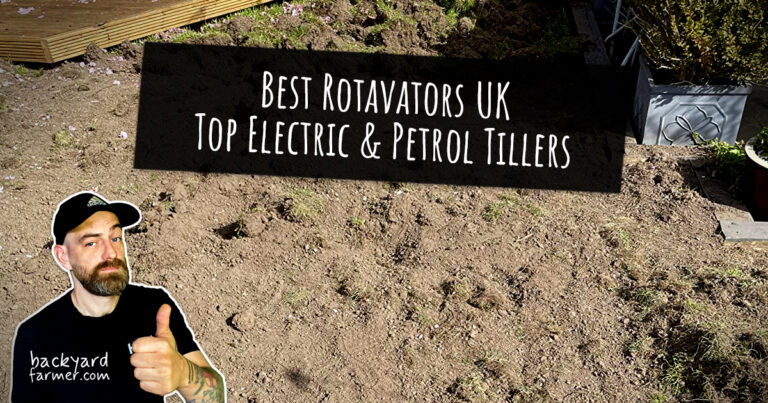
Preparing soil properly is one of the most important steps when starting a vegetable garden or improving existing beds. After all, healthy soil supports stronger plants and better harvests. Whether you’re breaking up compacted ground, refreshing an allotment plot, or mixing compost into established soil, the right rotavator can save hours of digging and heavy work.
In this guide to the best rotavators for UK gardens, we compare some of the most reliable machines currently available. Each rotavator suits a slightly different type of gardener. For example, some models work best for small gardens and raised beds, while others are better suited to larger vegetable plots, allotments, or heavier soils.
More importantly, choosing the best rotavator for your garden makes soil preparation faster, easier, and far less physically demanding. Instead of spending a full afternoon digging by hand, you can loosen and prepare beds in a fraction of the time.
Choosing the Right Type of Rotavator
However, not all rotavators are designed for the same jobs. Some garden tillers and rotavators are built for light soil cultivation and regular maintenance, while others provide the extra power needed to break new ground or tackle compacted soil.
In general, UK gardeners tend to choose between three main types of rotavator:
Electric Rotavators
Electric rotavators are often the best option for small gardens and established vegetable beds. Because they are lighter and easier to manoeuvre, they work particularly well for routine soil preparation, raised beds, and smaller plots.
Petrol Rotavators
Petrol rotavators deliver significantly more power and digging strength. As a result, they are usually better suited to allotments, larger gardens, and heavier clay soil where deeper cultivation is required.
Cordless Tillers
Cordless garden tillers offer a convenient and lightweight alternative. They are especially useful for raised beds, borders, and compact garden spaces where manoeuvrability matters more than raw digging power.
Compare the Best Rotavators
Below you’ll find a quick comparison table of the best rotavators available in the UK. This makes it easy to compare the main options before we explore each model in more detail.
After the table, we break down the strengths, weaknesses, and ideal use cases for each rotavator. As a result, you can confidently choose the best rotavator for your garden or allotment.
If you’re new to soil preparation, it’s also worth reading our guide on when is the best time to rotavate a garden. Timing and soil conditions can make a big difference to rotavator performance and soil structure.
Quick Comparison of the Best Rotavators for UK Gardens
If you’re short on time, the table below provides a quick overview of the best rotavators for UK gardens featured in this guide. Each garden rotavator suits a slightly different type of gardener and soil condition. For example, some machines work best as a rotavator for small gardens or raised beds, while others are better suited to allotments, larger vegetable plots, or heavier soil.
As a result, this comparison table makes it easier to quickly understand the differences between the best rotavators available in the UK, including electric, petrol, and cordless models.
| Model | Type | Power | Working Width | Weight | Best For |
|---|---|---|---|---|---|
| Hyundai HYT1500E | Electric | 1500W | ~45 cm | ~11 kg | Small gardens & veg beds |
| VonHaus 1400W Tiller | Electric | 1400W | ~40 cm | ~11 kg | Budget rotavator / light soil |
| Hyundai HYT150 | Petrol | 150cc 4‑stroke | ~45 cm | ~31 kg | Allotments & compacted soil |
| Husqvarna TF 325 | Petrol | ~212cc | up to ~60 cm | ~46 kg | Heavy soil & larger plots |
| Einhell GE‑CR 30 | Cordless | 18V battery | ~30 cm | ~5–6 kg | Raised beds & borders |
Together, these five machines represent some of the best garden rotavators currently available in the UK. Because they include electric rotavators, petrol rotavators, and cordless garden tillers, most gardeners should be able to find a rotavator that suits their garden size, soil type, and cultivation needs.
However, choosing the best rotavator for your garden or allotment usually comes down to three key factors:
- The size of your garden or allotment
- The type of soil you are working with (for example clay soil, compacted ground, or lighter soil)
- Whether you are maintaining existing beds or breaking new ground
In the sections below, we look at each garden rotavator in more detail. We explain where each model performs best, so you can confidently choose the best rotavator for a UK garden, allotment, or vegetable plot.
Best Electric Rotavator for Small Gardens – Hyundai HYT1500E
If you have a small garden, raised beds, or an established vegetable patch, an electric rotavator can be a very practical and affordable option. In fact, the Hyundai HYT1500E electric rotavator is one of the most widely available garden rotavators in the UK, and it works particularly well for light soil cultivation and routine garden maintenance.
For gardeners looking for the best rotavator for small gardens, this model offers a strong balance of power, ease of use, and affordability.
Overview
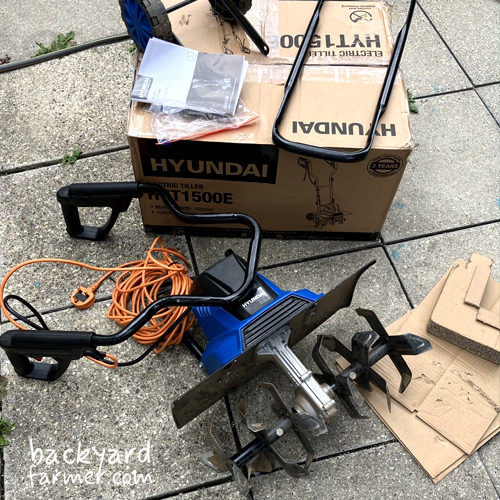
The Hyundai HYT1500E is a 1500W electric garden rotavator (garden tiller) designed to help gardeners prepare soil in vegetable beds, flower borders, and smaller plots. Because it combines decent power with a manageable weight, it strikes a useful balance between performance and manoeuvrability.
As a result, it works especially well for gardeners who want to loosen soil, mix compost, and prepare vegetable beds without using a heavier petrol rotavator.
With a working width of around 45 cm, the HYT1500E can cover a reasonable area with each pass. At the same time, it remains easy to control in tighter spaces such as raised beds or smaller vegetable gardens. Because the machine is relatively lightweight, it is also far easier to handle than many larger petrol rotavators.
Key Specifications
- Power: 1500W electric motor
- Working width: approximately 45 cm
- Working depth: up to around 22 cm
- Weight: roughly 11 kg
- Power source: mains electric
Pros
- Lightweight and easy to manoeuvre in smaller gardens
- Good working width for vegetable beds and garden plots
- Much quieter than petrol rotavators
- Excellent for mixing compost and improving soil structure
Cons
- Requires access to mains electricity
- Not designed for breaking heavy turf or new ground
- Can struggle in very compacted clay soil
Best For
The Hyundai HYT1500E works best for gardeners who need a machine for light cultivation and regular soil preparation, particularly in:
- Small gardens
- Raised vegetable beds
- Established garden borders
- Vegetable plots that have already been dug
Because it is lightweight and easy to control, it is a particularly good electric rotavator for small gardens and raised beds.
However, if you need to break new ground, reclaim an overgrown plot, or cultivate heavy clay soil, a petrol rotavator for allotments or larger gardens will usually be the better option.
Quick Verdict
Overall, the Hyundai HYT1500E is a reliable electric rotavator for UK gardens. It offers a good working width, manageable weight, and enough power for everyday soil preparation.
Consequently, if you are looking for the best electric rotavator for small gardens, this Hyundai model is a practical and accessible choice for home gardeners and vegetable growers.
Best Budget Rotavator – VonHaus 1400W Garden Tiller
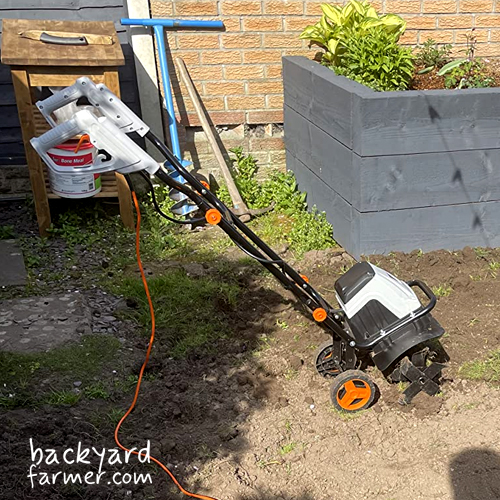
If you’re looking for an affordable way to prepare soil in a small garden, the VonHaus 1400W Garden Tiller rotavator is a strong budget-friendly option. It’s widely available across the UK and, importantly, provides enough power for light soil cultivation and routine garden maintenance while still remaining compact and easy to handle.
For gardeners searching for the best budget rotavator for small gardens, this electric model offers a practical balance between price, performance, and ease of use.
Overview
The VonHaus 1400W is an electric garden rotavator (garden tiller) designed for gardeners who need a simple machine for maintaining vegetable beds, flower borders, and smaller garden plots.
Because it has a working width of around 40 cm, it suits tighter garden spaces where manoeuvrability matters more than raw digging power.
Like many electric rotavators for UK gardens, it performs best on soil that has already been loosened or cultivated. In other words, it works well for maintaining beds rather than breaking completely new ground.
However, for many home gardeners this is exactly the job required each spring when refreshing vegetable beds before planting.
Key Specifications
- Power: 1400W electric motor
- Working width: approximately 40 cm
- Working depth: around 20 cm
- Weight: roughly 11 kg
- Power source: mains electric
Pros
- Affordable budget rotavator for small gardens
- Lightweight and easy to manoeuvre
- Well suited to vegetable beds and smaller garden plots
- Simple electric setup with minimal maintenance
Cons
- Less powerful than petrol rotavators
- Requires access to a mains cable
- Can struggle with heavy clay soil or thick turf
Best For
The VonHaus 1400W garden tiller works best for gardeners who want a budget electric rotavator for light soil preparation, particularly for jobs such as:
- Loosening soil before planting vegetables
- Maintaining raised beds or vegetable patches
- Mixing compost or organic matter into soil
- Refreshing flower borders and garden beds
Because it is lightweight and easy to control, it works especially well as a rotavator for small UK gardens and established vegetable plots.
However, if you are working with heavier soil, breaking turf, or cultivating a large allotment, a petrol rotavator for allotments or larger gardens will usually handle the job more effectively.
Quick Verdict
Overall, the VonHaus 1400W Garden Tiller is a reliable budget rotavator for UK gardens. While it isn’t designed for breaking tough ground, it performs well for routine soil preparation and offers excellent value for gardeners who want an affordable electric rotavator for small gardens.
Best Rotavator for Allotments – Hyundai HYT150 Petrol Rotavator
If you work a larger vegetable plot or an allotment, a petrol rotavator can make soil preparation far easier. In this case, the Hyundai HYT150 Petrol Rotavator provides the extra power needed to break up compacted ground and prepare larger areas much faster than most electric machines.
For gardeners searching for the best rotavator for allotments or larger UK gardens, this Hyundai model offers a strong balance of power, durability, and working width.
Overview
The Hyundai HYT150 runs on a 150cc 4‑stroke petrol engine, which produces far more torque than a typical electric garden tiller or rotavator. Because of this extra power, it can dig deeper into tougher ground and handle more demanding soil preparation tasks.
As a result, it works especially well for:
- Allotments
- New vegetable gardens
- Compacted or overgrown garden plots
Many gardeners also use petrol rotavators like this when reclaiming neglected beds or preparing soil at the start of the growing season.
With a working width of around 45 cm, the HYT150 strikes a useful balance between coverage and control. On the one hand, it is wide enough to cultivate larger vegetable beds and allotment plots efficiently. On the other hand, it remains manageable in the tighter spaces often found in UK allotments.
Key Specifications
- Engine: 150cc 4‑stroke petrol engine
- Working width: approximately 45 cm
- Working depth: up to around 25 cm
- Weight: roughly 31 kg
- Fuel type: unleaded petrol
Pros
- Much more powerful than electric rotavators
- Excellent petrol rotavator for allotments and larger gardens
- Suitable for breaking new ground and compacted soil
- Allows deeper soil cultivation than most small electric tillers
Cons
- Heavier than electric garden rotavators
- Requires fuel and occasional maintenance
- Louder during operation than electric machines
Best For
The Hyundai HYT150 petrol rotavator works best for gardeners who need a powerful rotavator for heavier soil preparation, particularly when dealing with:
- New allotment beds
- Compacted or clay soil
- Overgrown garden plots
- Larger vegetable gardens
Because this petrol garden rotavator carries more weight and engine power, it can dig in properly and loosen stubborn ground. As a result, soil preparation becomes much quicker and far less physically demanding compared with using a smaller electric rotavator.
Quick Verdict
Overall, the Hyundai HYT150 is a very capable petrol rotavator for UK gardens and allotments. If you regularly cultivate larger beds or new plots, the extra engine power and digging ability make it a clear step up from smaller electric garden tillers.
Best Rotavator for Heavy Soil – Husqvarna TF 325
If you regularly deal with heavy soil, clay soil, or larger vegetable plots, a more powerful machine can make a big difference. In this case, the Husqvarna TF 325 petrol rotavator is a premium garden rotavator designed for gardeners who need extra power, durability, and deeper soil cultivation.
For gardeners searching for the best rotavator for heavy soil or clay soil in UK gardens, this Husqvarna model offers a strong combination of engine power, working width, and build quality.
Overview
The Husqvarna TF 325 is built for serious soil preparation and demanding cultivation tasks. It runs on a powerful petrol engine and, importantly, has a wider working area than most lightweight garden tillers. Because of this, it can break up compacted soil, clay ground, and neglected garden beds far more effectively than smaller electric rotavators.
With a working width of up to 60 cm, this petrol rotavator allows you to cultivate larger areas much more quickly. As a result, it works particularly well for:
- Allotments
- Large vegetable gardens
- Clay-heavy soil conditions
At the same time, the heavier frame helps the rotavator dig properly into the ground rather than bouncing across hard soil. This additional weight and engine power are especially useful when preparing soil that has become compacted over time.
Key Specifications
- Engine: approx. 212cc petrol engine
- Working width: up to around 60 cm
- Working depth: up to around 30 cm
- Weight: approximately 46 kg
- Fuel type: unleaded petrol
Pros
- Powerful petrol engine suited to heavy soil conditions
- Wide working width ideal for larger vegetable gardens and allotments
- Durable Husqvarna build quality
- Highly effective rotavator for clay soil and compacted ground
Cons
- Much heavier than electric garden rotavators
- Higher price compared with smaller garden tillers
- Requires fuel and routine maintenance
Best For
The Husqvarna TF 325 petrol rotavator is a strong choice for gardeners who need a heavy‑duty rotavator for demanding soil conditions, particularly when working with:
- Heavy clay soil
- Large vegetable gardens
- Overgrown or neglected plots
- Allotments requiring regular cultivation
Because it combines extra weight with a powerful petrol engine, this garden rotavator can dig into stubborn ground and loosen soil effectively. As a result, preparing beds becomes much faster and less physically demanding compared with using a lightweight electric rotavator.
Quick Verdict
Overall, the Husqvarna TF 325 is a powerful petrol rotavator for UK gardens, allotments, and heavy soil conditions. If you regularly cultivate clay soil or larger vegetable beds, the extra power and wider working width make it a clear upgrade from smaller electric garden tillers.
Best Cordless Rotavator – Einhell GE‑CR 30
If you mainly maintain smaller beds, borders, or raised planters, a lightweight cordless tiller can be a very handy tool. In this case, the Einhell GE‑CR 30 cordless rotavator is a practical option for gardeners who want a simple, low‑maintenance garden rotavator.
It runs on Einhell’s Power X‑Change battery system and, as a result, provides an easy way to keep soil loose without dealing with petrol engines or long extension leads.
For gardeners searching for the best cordless rotavator for small UK gardens or raised beds, this compact cordless garden tiller offers a strong balance of convenience, manoeuvrability, and ease of use.
Overview
The Einhell GE‑CR 30 is a battery‑powered garden rotavator (cordless garden tiller) designed for light soil preparation and regular garden maintenance. Unlike larger petrol rotavators or mains‑powered machines, it does not require fuel or a power cable. Because of this, it works particularly well in:
- Tight garden spaces
- Raised vegetable beds
- Small vegetable patches
- Areas further away from the house
With a working width of around 30 cm, this cordless rotavator is well suited to smaller cultivation tasks. For example, you can use it for loosening soil between crop rows, refreshing vegetable beds, or preparing small planting areas.
At the same time, the lightweight design makes it easy to lift, move around the garden, and store after use.
Key Specifications
- Power source: Einhell Power X‑Change battery system
- Working width: approximately 30 cm
- Working depth: around 20 cm
- Weight: roughly 5–6 kg
- Motor type: cordless electric motor
Pros
- Lightweight and very easy to manoeuvre
- No petrol engine or power cable required
- Excellent cordless rotavator for raised beds and small gardens
- Compatible with Einhell Power X‑Change battery system
Cons
- Less powerful than petrol rotavators
- Narrower working width than larger garden tillers
- Best suited to lighter soil and routine maintenance work
Best For
The Einhell GE‑CR 30 cordless rotavator works best for gardeners who want a compact garden rotavator for light cultivation and soil maintenance, particularly in:
- Raised vegetable beds
- Small garden plots
- Vegetable rows and planting areas
- Mixing compost into topsoil
Because of its compact size and cordless design, it performs best when maintaining garden beds rather than breaking completely new ground.
Quick Verdict
Overall, the Einhell GE‑CR 30 is a useful cordless rotavator for UK gardens, raised beds, and smaller vegetable plots. While it will not replace a heavy‑duty petrol rotavator, it makes it quick and convenient to keep soil cultivated and beds well prepared throughout the growing season.
Electric vs Petrol Rotavators
When choosing the best rotavator for your garden, one of the first decisions is whether you need an electric rotavator or a petrol rotavator. Both types of garden rotavator have their place. However, the right choice usually comes down to three key factors: the size of your garden or allotment, the type of soil you are working with, and the type of cultivation work you plan to do.
Once you understand how these two types of garden tiller or rotavator differ, it becomes much easier to choose a machine with enough power for the job. As a result, you avoid buying something heavier, noisier, or more expensive than you actually need.
Electric Rotavators
Electric rotavators are often the best rotavators for small gardens and raised beds. In general, they are lighter, quieter, and easier to handle than petrol machines. As a result, they work particularly well for routine soil preparation in vegetable beds, raised planters, and garden borders.
Gardeners typically use an electric garden rotavator for tasks such as:
- Loosening soil that has already been cultivated
- Mixing compost or manure into vegetable beds
- Preparing small vegetable patches
- Maintaining raised beds and garden borders
Because electric rotavators run on a mains cable or battery, they usually require very little maintenance. In addition, they are often more affordable than petrol garden tillers, which makes them a popular choice for many home gardeners.
However, electric rotavators are mainly designed for lighter soil cultivation. For example, they can struggle when breaking thick turf, heavily compacted soil, or dense clay ground.
Petrol Rotavators
Petrol rotavators are designed for heavier soil preparation and larger garden areas. Since they use a petrol engine, these machines generate more torque and digging power, which allows them to cultivate soil more deeply.
Because of this additional power, gardeners commonly use petrol garden rotavators for:
- Preparing new vegetable gardens
- Breaking up compacted or clay soil
- Cultivating larger allotment plots
- Reclaiming neglected or overgrown garden areas
Of course, petrol machines are heavier and require fuel as well as occasional maintenance. Even so, they deliver the extra power needed for tough cultivation jobs, which makes soil preparation much faster and far less physically demanding.
Which Type Should You Choose?
In most cases, the choice between an electric rotavator and a petrol rotavator is fairly straightforward:
- Electric rotavators are usually the best option for small UK gardens, raised beds, and lighter soil maintenance.
- Petrol rotavators are better suited to allotments, larger gardens, and heavy or compacted soil.
So, if your vegetable beds are already cultivated and you mainly need a machine for seasonal soil preparation, an electric garden rotavator will usually do the job perfectly well. However, if you are breaking new ground or working compacted soil, the extra power of a petrol rotavator for allotments or larger plots will make the work much easier.
Choosing the Right Rotavator for Your Garden
Not all rotavators are built for the same job. In reality, choosing the best rotavator for your garden usually comes down to three key factors: the size of your plot, the type of soil you are working with, and whether you are maintaining beds or breaking new ground.
Therefore, before buying a garden rotavator or garden tiller, it helps to think about how you will actually use it during the growing season. After all, choosing the right machine makes soil preparation easier, quicker, and far less physically demanding.
Rotavator for Small Gardens
If you have a small garden or raised beds, a lightweight electric rotavator or cordless garden tiller is usually the most practical option. In general, these machines are easy to handle, simple to store, and powerful enough for routine soil cultivation.
Gardeners commonly use an electric rotavator for small gardens to:
- Loosen soil before planting vegetables
- Mix compost or organic matter into beds
- Refresh soil in vegetable plots or borders
Because electric rotavators are lighter and easier to manoeuvre, they work particularly well in tight garden spaces, raised beds, and smaller vegetable gardens where larger machines would feel awkward.
Rotavator for Allotments
Allotments and larger vegetable plots often require something with more power and digging ability. In these situations, a petrol rotavator is usually the better option.
Since petrol-powered garden rotavators generate more torque, they can dig deeper and break up tougher soil conditions. As a result, gardeners often choose a petrol rotavator for allotments when:
- Cultivating larger vegetable beds
- Breaking up compacted soil
- Preparing allotment plots at the start of the growing season
Although petrol rotavators are heavier than electric models, the extra engine power usually makes the work much faster and far less physically demanding.
Rotavator for Clay Soil
Clay soil can be particularly difficult to cultivate. It compacts easily and, when wet, becomes heavy and sticky. Because of this, gardeners working with clay often benefit from a more powerful rotavator designed for heavy or compacted soil.
At the same time, timing is important. Many experienced gardeners recommend rotavating clay soil only when it is slightly dry and crumbly, rather than wet. This approach helps protect soil structure and allows the rotavator to break the soil up properly.
Rotavator for Breaking Up Lawn or Turf
Rotavators are also commonly used when converting lawn into a vegetable garden or planting bed. However, breaking turf is one of the toughest jobs for any garden tiller.
Smaller electric rotavators may struggle with thick grass roots. For that reason, many gardeners prefer a heavier petrol rotavator for breaking new ground. In addition, removing turf first or weakening the grass beforehand can make the job far easier.
Ultimately, choosing the best rotavator for your garden or allotment ensures soil preparation becomes faster, easier, and far more efficient. When the machine matches your garden size, soil type, and cultivation needs, preparing beds becomes a much simpler task.
What Experienced Gardeners Say About Rotavators
Spend a little time reading UK gardening forums or allotment discussions, and you will quickly notice a common theme: not every garden rotavator suits every job. In fact, many experienced growers point out that beginners often expect a small garden tiller or electric rotavator to behave like a heavy-duty agricultural machine.
However, the most common advice from experienced gardeners is actually quite simple. Match the rotavator to the soil type and the job you want to tackle, rather than choosing the cheapest or most powerful machine available.
Once you follow this approach, soil preparation becomes much easier, quicker, and far less frustrating.
Electric Rotavators for Small Gardens and Light Cultivation
Many gardeners recommend electric rotavators for small gardens, raised beds, and established vegetable plots. These machines are typically lightweight, easy to manoeuvre, and ideal for routine soil cultivation.
Gardeners commonly use an electric garden rotavator for tasks such as:
- Raised vegetable beds
- Established garden borders or vegetable patches
- Mixing compost or organic matter into soil
- Light spring soil preparation
Because electric rotavators are lighter and easier to control, they work particularly well in small UK gardens and maintained vegetable beds. As a result, they are often considered some of the best rotavators for routine garden soil preparation.
However, experienced gardeners also note that electric machines can struggle with compacted soil, thick turf, or heavy clay ground. Therefore, they are usually better suited to maintenance work rather than breaking new ground.
Petrol Rotavators for Allotments and Tough Soil
For allotments or larger vegetable plots, gardeners often recommend a petrol rotavator instead. These petrol-powered garden rotavators are heavier and produce more torque, which allows them to dig deeper into tougher soil conditions.
Because of the additional engine power, gardeners commonly use a petrol rotavator for allotments and larger gardens when:
- Preparing new vegetable gardens
- Reclaiming overgrown garden plots
- Breaking up compacted or clay soil
- Cultivating larger vegetable beds
Of course, petrol rotavators require fuel and occasional maintenance. Even so, many gardeners say the additional power makes soil preparation much faster and far less physically demanding.
Cordless Rotavators for Raised Beds
Cordless cultivators and battery-powered rotavators are also becoming more popular. In particular, they suit gardeners who want a compact and convenient garden tiller for smaller jobs.
Typically, gardeners use a cordless rotavator for raised beds and small vegetable plots, including tasks such as:
- Maintaining raised vegetable beds
- Loosening soil between crop rows
- Light soil maintenance throughout the growing season
However, because cordless machines are smaller and lighter, they are usually best suited to light cultivation and routine maintenance rather than breaking new ground.
The Most Common Rotavator Buying Mistake
One mistake appears again and again in gardening discussions: buying a rotavator that is too small or underpowered for the task.
For example, a compact electric rotavator for small gardens may work perfectly in beds that have already been cultivated. However, the same machine can struggle badly when used to break turf or cultivate heavily compacted soil.
Therefore, before buying a rotavator, it helps to think carefully about:
- Your soil type
- The size of your garden or allotment
- The type of cultivation work you plan to do
Taking a few minutes to match the garden rotavator to the job can save a great deal of frustration later.
Ultimately, advice from experienced gardeners tends to lead to the same conclusion: choose the best rotavator for your garden and soil conditions, rather than simply picking the model that looks best on paper.
When Should You Use a Rotavator?
A garden rotavator really comes into its own when you need to loosen, aerate, and prepare soil for planting. Compared with digging everything by hand, using a garden tiller or rotavator can save a huge amount of time and effort. However, using the machine at the right time and in the right conditions makes a big difference to the final soil structure.
In most UK gardens and allotments, gardeners use rotavators at the start of the growing season. At this stage, it is common to prepare vegetable beds or refresh soil that has been resting over winter.
Preparing Vegetable Beds with a Rotavator
One of the most common uses for a garden rotavator is preparing soil before planting crops. As the blades rotate, they break up clumps of soil and create a finer, more workable texture. As a result, sowing seeds and planting vegetables becomes much easier.
Gardeners typically use a rotavator for vegetable beds to:
- Loosen compacted soil before sowing seeds
- Mix compost or manure into the topsoil
- Prepare vegetable beds in spring
- Refresh soil after harvesting a previous crop
Consequently, the soil becomes easier to cultivate and plant roots can establish more quickly.
Breaking New Ground with a Rotavator
Rotavators are also very useful when creating new vegetable beds or garden plots. However, breaking new ground is one of the toughest jobs for any garden tiller or rotavator.
In these situations, a petrol rotavator for allotments or larger gardens is often the better choice. Petrol machines can cut through turf and compacted soil much more effectively than smaller electric models.
Even then, preparing new ground usually requires several lighter passes. Gradually loosening the soil while incorporating organic matter helps improve soil structure and fertility.
Maintaining Established Garden Beds
Once beds are established, gardeners usually use a rotavator for light soil cultivation rather than deep digging. For example, a quick pass across the surface can help:
- Break up surface crusts
- Mix compost or fertiliser into the soil
- Prepare beds between planting cycles
Because these tasks are lighter, a smaller electric rotavator or cordless garden tiller is often more than enough for regular maintenance in vegetable gardens and raised beds.
Timing Matters When Rotavating Soil
Timing is just as important as choosing the best rotavator for your garden. In particular, soil moisture levels make a big difference when rotavating.
If the soil is too wet, it can become sticky and compact rather than loosening properly. On the other hand, very dry soil can be difficult for the blades to penetrate.
For the best results, try to rotavate soil when it is slightly dry and crumbly rather than wet or muddy. If you’re unsure about the timing, it’s worth reading our guide on when is the best time to rotavate a garden. This explains how soil conditions affect soil cultivation and rotavator performance.
Rotavating works best when soil conditions are right. If you’re unsure about timing, see our guide on the best time to rotavate a garden.
Common Rotavating Mistakes
A garden rotavator can make soil preparation much faster and easier. However, if you use a rotavator or garden tiller incorrectly, it can damage soil structure or make cultivation more difficult. In many cases, gardeners run into problems because they rotavate at the wrong time or try to use the machine for jobs it simply wasn’t designed for.
Fortunately, avoiding a few common mistakes can make a big difference. As a result, you will get far better results from your garden rotavator while also protecting your soil.
Rotavating Wet Soil
One of the most common mistakes is using a rotavator on soil that is too wet. When soil is saturated, the blades smear and compact the ground rather than properly loosening it.
As a result, this can lead to:
- Dense soil clumps
- Poor drainage
- Damaged soil structure
Instead, wait until the soil is slightly dry and crumbly before using a garden rotavator or tiller. At that point, the blades can break up the soil properly rather than compressing it.
Trying to Break Heavy Turf with a Small Rotavator
Many compact electric rotavators for small gardens are designed for cultivating existing beds, not cutting through thick grass or tough turf. Because of this, trying to break new lawn with a lightweight machine can quickly become slow and frustrating.
If you want to convert lawn into a vegetable bed or planting area, it often helps to:
- Remove turf first
- Weaken the grass beforehand
- Use a heavier petrol rotavator for tougher soil
By preparing the area first, the garden rotavator can work far more effectively and break up the soil properly.
Rotavating Soil Too Frequently
Although garden rotavators are extremely useful tools, using them too frequently can actually break down soil structure over time. Excessive soil cultivation disturbs beneficial soil organisms and can leave the ground more prone to compaction.
Therefore, in most gardens and allotments, rotavating once at the start of the growing season is usually enough. After that, lighter cultivation or hand tools often work better for maintaining vegetable beds.
Not Removing Stones or Debris
Before starting any rotavator or garden tiller, it is always worth checking the ground for large stones, roots, or debris. Otherwise, these objects can jam the blades or cause unnecessary wear on the machine.
A quick check beforehand allows the rotavator blades to work more smoothly. In addition, it reduces the risk of damaging the equipment.
Ultimately, avoiding these common rotavating mistakes helps you get the most out of your garden rotavator, while keeping your soil in good condition for planting, vegetable growing, and long‑term soil health.
Frequently Asked Questions About Rotavators
Yes, electric rotavators can work very well for small gardens, raised beds, and established vegetable plots. In general, they are lighter, quieter, and easier to maintain than petrol machines. As a result, an electric garden rotavator is often a great choice for light soil cultivation such as loosening soil, mixing compost, or refreshing vegetable beds that have already been worked.
However, if you need to break new ground or work with heavy clay soil, a petrol rotavator is usually the better option. Because petrol-powered garden rotavators or tillers produce more torque, they can dig deeper and handle compacted soil far more easily.
Most garden rotavators can dig to a depth of around 20–30 cm, although this depends on the rotavator model and the soil conditions. Typically, smaller electric rotavators for small gardens work at the shallower end of that range, while larger petrol rotavators for allotments or larger plots can cultivate soil more deeply.
Even so, it is usually better to make several lighter passes with a rotavator rather than trying to dig to full depth in a single pass. This approach breaks the soil up more evenly and makes the garden tiller easier to control.
Yes, a garden rotavator is often used when turning lawn into vegetable beds or garden borders. Rotavating can quickly break up turf and loosen the soil ready for planting.
However, thick grass roots can be difficult for smaller electric rotavators to cut through. Because of this, many gardeners recommend removing the turf first or weakening the grass beforehand. In addition, using a heavier petrol rotavator for breaking new ground can make the process much easier
In many cases, removing grass before using a rotavator or garden tiller will make soil cultivation far easier. Otherwise, thick turf can wrap around the blades and slow the machine down.
Some gardeners remove turf manually with a spade. Others weaken the grass by covering it with cardboard or mulch before rotavating. Either way, preparing the ground first usually allows the garden rotavator to work more effectively.
Used correctly, rotavating soil can help loosen compacted ground and improve aeration. This makes it easier for plant roots to grow and helps organic matter mix into the soil.
For that reason, gardeners often use a rotavator for soil preparation when starting vegetable beds or incorporating compost. However, too much rotavating can gradually damage soil structure. Because of this, many gardeners prefer to use a garden rotavator occasionally for cultivation, rather than repeatedly tilling the same area.
Conclusion: Choosing the Best Rotavator for Your Garden
In the end, choosing the best rotavator for your garden usually comes down to three simple factors:
- The size of your plot
- The type of soil you are working with
- How often you plan to cultivate your beds
While no single garden rotavator suits every situation, the machines in this guide cover the most common needs for UK gardeners and allotment growers.
Best Rotavators for Small Gardens
For small gardens, raised beds, and vegetable plots, lightweight electric rotavators such as the Hyundai HYT1500E or the VonHaus 1400W garden tiller are often the most practical option.
These machines are:
- Affordable and easy to use
- Lightweight and simple to manoeuvre
- Ideal for loosening soil, mixing compost, and preparing beds before planting
As a result, electric models are often the best rotavators for routine soil preparation in small UK gardens.
Best Rotavators for Allotments and Larger Gardens
However, if you work a larger vegetable garden or an allotment, a petrol rotavator such as the Hyundai HYT150 usually makes soil preparation much easier.
Because petrol-powered garden rotavators provide more power and digging depth, they can:
- Cultivate larger areas more efficiently
- Break up compacted soil
- Prepare new vegetable beds or allotment plots
Consequently, petrol rotavators are often the best choice for allotments and heavier soil conditions.
Best Rotavators for Heavy Clay Soil
Gardeners dealing with heavy clay soil or particularly tough ground may benefit from a more powerful machine such as the Husqvarna TF 325.
With its stronger engine and wider working width, this type of heavy‑duty garden rotavator can:
- Dig deeper into compacted soil
- Loosen stubborn ground more effectively
- Prepare larger vegetable beds with less effort
Because of this extra power, heavy‑duty machines are often the best rotavators for clay soil and demanding cultivation work.
Best Cordless Rotavators for Light Cultivation
On the other hand, if you mainly carry out light cultivation in smaller spaces, a compact cordless rotavator or garden tiller such as the Einhell GE‑CR 30 can be a convenient solution.
These machines are particularly useful for:
- Maintaining raised beds
- Loosening soil between crop rows
- Refreshing smaller vegetable plots
Because cordless models are lightweight and easy to manoeuvre, they work especially well for regular maintenance tasks throughout the growing season.
Ultimately, choosing the best rotavator for a UK garden or allotment means matching the machine to your soil conditions, garden size, and cultivation needs.
When you select the right garden rotavator, soil preparation becomes faster, easier, and far less physically demanding. As a result, you can spend less time digging and more time planting, growing, and enjoying your garden.