UK Bee Identification Tool – Free Interactive Bee ID Guide
Not sure which bee you’ve just spotted?
If you’re trying to identify bees in the UK, you’re not alone. Many common species look similar at first glance. However, small details like tail colour, stripe pattern, size and habitat can quickly narrow things down. This free UK bee identification tool helps you filter what you saw step‑by‑step, then shows your most likely matches.
It’s designed for real garden sightings — whether you’re a gardener, wildlife enthusiast, smallholder, or just curious about pollinators.
This page combines a free interactive UK bee identification tool with a practical guide to the most commonly spotted bee species.
Interactive UK Bee Identification Tool
Use the filters to select what you observed. Once you’ve answered the questions, your UK bee ID matches will appear below.
How the Bee Identification Tool Works
This tool is built around the way most people actually observe bees — quickly, often from a short distance.
Follow these simple steps to identify common UK bee species quickly and accurately.
Step 1: Choose the Tail Colour
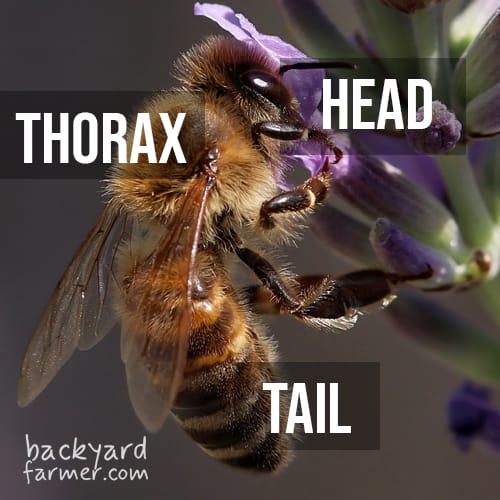
Focus on the very end of the abdomen (the “tail”). Is it:
- White or buff?
- Red or ginger?
- Orange or brown?
- Fully dark?
Tail colour is often the fastest shortcut for bumblebee identification in the UK.
Step 2: Select the Stripe Pattern
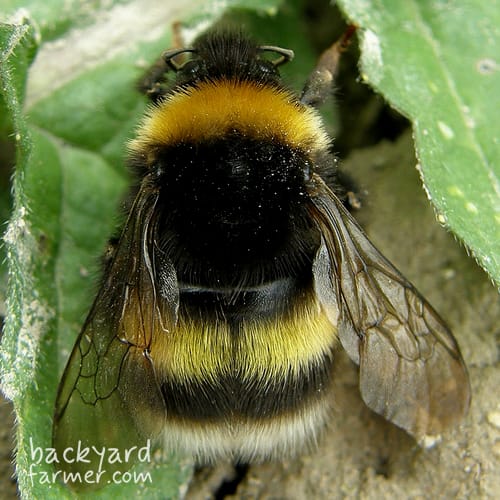
Next, look at the thorax and abdomen:
- Are there one or two yellow bands?
- Is the body mostly black?
- Are there orange or red sections?
Stripe placement helps distinguish between similar UK species.
Step 3: Consider Size and Habitat
If you’re stuck between a couple of options, behaviour and habitat can help:
- Large and loud bees in early spring are often queen bumblebees.
- Small ground‑nesting bees in sandy soil may be mining bees.
- Bees around drilled wood or bee hotels may be mason or leafcutter bees.
Step 4: View Your Likely Matches
Once you’ve selected the features, the tool will display possible matches. You can then click through to the full UK bee species profiles to confirm your ID.
Why Bee Identification in the UK Matters
Bees are some of the most important pollinators in the UK. By learning to recognise them, you:
- Develop a deeper awareness of local biodiversity
- Notice seasonal patterns in pollinator activity
- Spot rare or declining species
- Make more informed planting decisions in your garden
For gardeners especially, understanding which bees visit your space helps you choose plants that support pollinators from spring through autumn.
If you’re building a wildlife‑friendly garden, UK bee identification is often the first step toward designing a space that truly supports them. If you want to go further, see our guide to making your garden wildlife‑friendly