
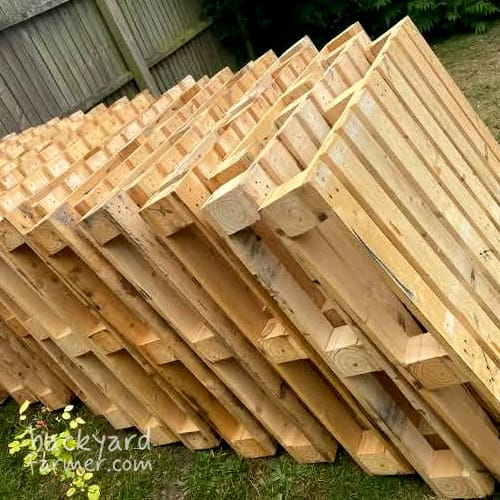
Free pallets are often available through local giveaway listings or by asking businesses that receive regular deliveries, including independent builders’ merchants, garden centres, warehouses and trade suppliers. Availability changes daily, and many pallets are reused or owned by pallet-pooling companies, so always ask before collecting.
Use the Free Pallet Finder below to identify likely sources near you, then call ahead to check what is available. This guide also explains which pallet markings to look for, which pallets to avoid and how to transport them safely.
Free Pallet Finder
Find Free Pallets Near You
Enter your town, postcode, or area to open quick searches for local businesses that may have spare pallets.
Searches for your area
These links open live local searches in a new tab, so you can call ahead and ask politely about spare or unwanted pallets.
Tip:
Always ask before taking pallets. Look for clean, untreated pallets, avoid anything stained or chemically marked, and be ready to collect promptly.
Best approach: Search online listings first for pallets that are explicitly offered free. When approaching businesses, ask the manager or goods-in team rather than assuming pallets outside are unwanted.
| Source | Likelihood | Best approach | Important caveat |
|---|---|---|---|
| Facebook Marketplace and local groups | High but variable | Search daily and set alerts | Inspect before collecting |
| Freecycle and Trash Nothing | Variable | Search by postcode | Listings disappear quickly |
| Independent builders’ merchants | Good | Call the goods-in team | Some pallets are returnable |
| Garden centres and nurseries | Good seasonally | Ask after large deliveries | Avoid fertiliser or chemical contamination |
| Industrial estates and warehouses | Variable | Ask each business directly | Never take pallets left outside |
| Major retail chains | Branch-dependent | Call before travelling | Many pallets are reused or returned |
| Pallet recyclers | Usually paid rather than free | Ask about damaged one-way pallets | Do not imply free stock is guaranteed |
Best Places to Find Free Pallets Near You in the UK
Free pallets are usually easiest to find through local giveaway listings or by asking businesses that receive regular palletised deliveries. Availability changes quickly, and many pallets are reused, returned or owned by a pallet company, so always ask before collecting.
Check Online Listings First
Facebook Marketplace, Freecycle, Trash Nothing and local community groups are often the quickest places to find pallets that are explicitly being offered for free.
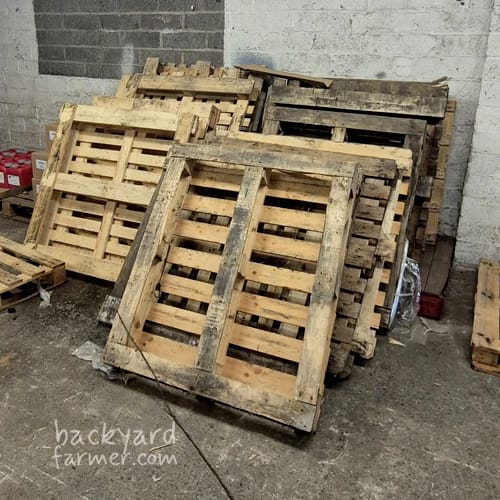
Search for:
- Free pallets
- Wooden pallets
- Scrap wood
- Pallet wood
- Collection only
Check regularly and respond quickly, as useful listings often disappear within hours.
Builders’ Merchants and Hardware Stores
Independent builders’ merchants and trade suppliers receive regular deliveries of paving, timber, insulation and other bulky materials.
Larger chains such as B&Q, Wickes and Travis Perkins may occasionally have unwanted or damaged one-way pallets, but availability varies by branch. Many pallets are reused or returned, so call ahead or ask the goods-in team before travelling.
Never remove pallets from a loading bay or storage area without permission.
Garden Centres and Nurseries
Garden centres, nurseries and landscaping suppliers frequently receive compost, paving, fencing and pots on pallets.
Independent businesses may be more flexible than large chains, particularly after a large delivery. Ask whether they have any unwanted, non-returnable pallets and whether collection can be arranged.
Avoid pallets that are stained, strongly scented or likely to have carried chemicals.
Industrial Estates and Warehouses
Industrial estates can be useful because several businesses are located close together. Warehouses, workshops, manufacturers and trade suppliers may have odd-sized or damaged pallets they no longer need.
Approach each business separately and ask a manager or warehouse employee. Do not assume pallets left outside are free, as some may be awaiting collection by their owner.
Timber Yards and Building-Supply Companies
Timber yards and building suppliers may have broken pallets, bearers or wooden offcuts available.
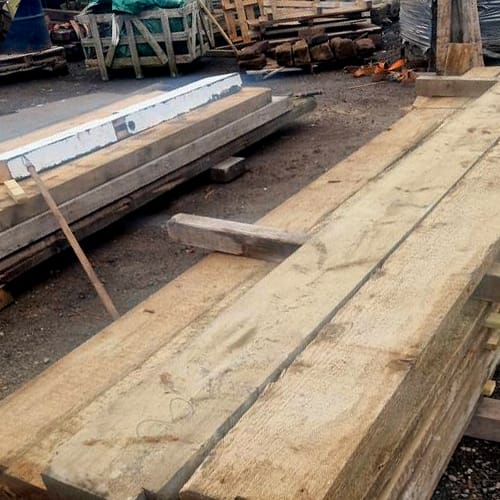
These can be useful for projects where full pallets are unnecessary, although damaged wood should be checked carefully for:
- Split boards
- Protruding nails
- Oil or chemical staining
- Mould and rot
- Branded ownership markings
Supermarkets and Retail Stores
Some supermarkets and retail stores may occasionally release unwanted pallets, but most operate return or reuse systems.
Ask the store manager or goods-in team rather than approaching the loading bay yourself. Calling ahead is usually more effective than arriving without warning.
What to Ask
A simple request is usually best:
“Hello, I’m looking for one or two unwanted wooden pallets for a pallet wood store home project. Do you have any that are not returnable or owned by a pallet company, and would it be possible to collect them?”
Mentioning how many you need and that you can collect promptly makes it easier for staff to give a clear answer.
Check Ownership and Safety Before Collecting
Only take pallets when the business or property owner has clearly given permission. Avoid branded pool pallets, including blue CHEP pallets, as these normally remain the property of the pallet company.
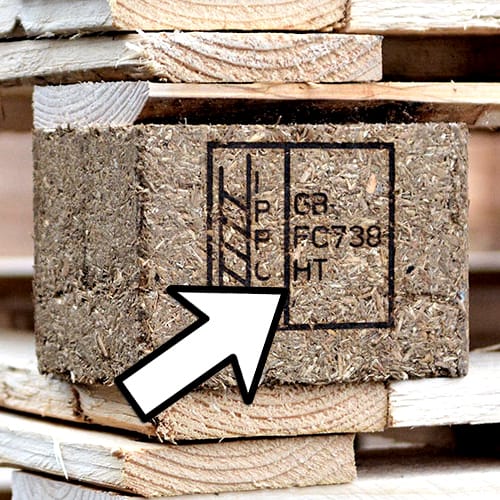
Treatment stamps can provide useful information:
- HT: Heat treated for pest control
- MB: Treated with methyl bromide; avoid
- DB: Debarked
An HT mark does not guarantee that a pallet is suitable for every project. Reject wood that is painted, oily, mouldy, badly stained, strongly scented or of unknown previous use. Inspect each pallet for broken boards and exposed nails before loading it.
What You Need to Collect and Transport Pallets Safely
Before collecting pallets, make sure you can load and secure them safely. Wear sturdy closed-toe footwear and check each pallet for loose boards, protruding nails and sharp splinters before lifting it.
Use ratchet straps to secure pallets in a van, trailer or on a suitable roof rack. Do not transport them loose, allow them to obstruct your view or let them extend beyond the vehicle without following the relevant load rules.
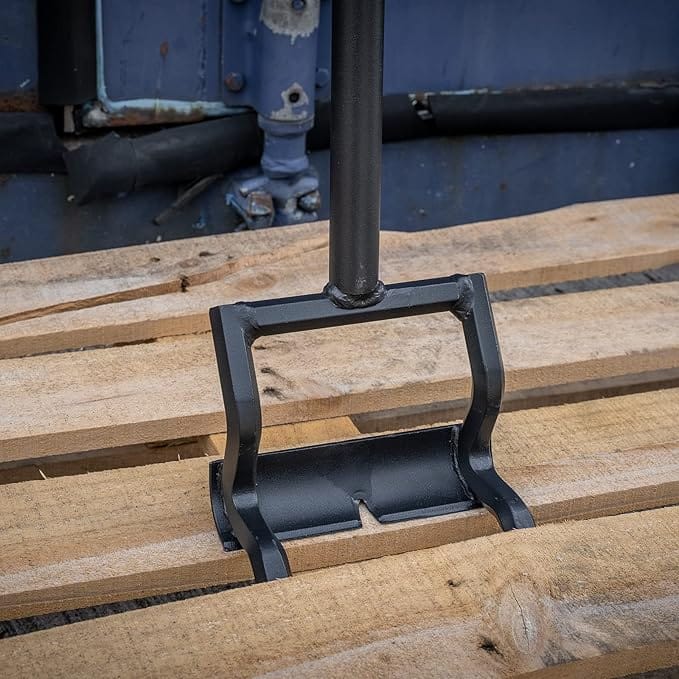
Pallet Buster
A pallet buster makes it easier to prise boards away from the blocks while reducing the risk of splitting the timber. It is particularly useful when you want to reuse the slats rather than cut the pallet apart.
See our guide to taking a pallet apart without breaking the boards.
Cut-Resistant Gloves
Heavy-duty gloves help protect your hands from splinters, rough timber and exposed nails while loading or dismantling pallets. Choose a close-fitting pair that still allows a secure grip.
Only dismantle pallets once you have permission to take them and have moved them to a safe working area. Do not start cutting or breaking them apart at a shop, warehouse or collection point.
FAQs
The best places to start are Facebook Marketplace, Freecycle, independent builders’ merchants, garden centres and businesses on industrial estates. Major retailers and supermarkets are less predictable because many of their pallets are reused or returned, so call ahead before travelling.
Sometimes. These big chains often reuse or return pallets, but local store managers may allow you to take broken or spare ones. It varies by location, so it’s best to ask politely.
Sometimes, but you must ask first. Pallets behind stores might be returned for a deposit or reused. Taking them without permission could be considered theft or trespassing.
HT = Heat Treated (safe to use)
MB = Methyl Bromide (toxic, avoid)
DB = Debarked (neutral)
An HT stamp is preferable to MB, but it does not reveal what the pallet previously carried. Only reuse pallets that are clean, unpainted, unstained and free from unusual smells or mould.
No. Blue CHEP pallets normally remain the property of CHEP, even when they are left outside a business or appear unwanted. Do not take, dismantle, sell or reuse one for a DIY project. Ask the business to arrange collection through CHEP instead.
Use a roof rack, trailer, or van. Strap them down securely and wear gloves when loading. Always check the pallet condition before taking — avoid anything cracked, mouldy, or greasy.
Check the treatment stamp, ownership markings and overall condition. Avoid MB-marked pallets, branded pool pallets, and wood that is painted, oily, mouldy, strongly scented or badly stained. An HT stamp confirms heat treatment but not previous use, so reject any pallet with an uncertain history.
Conclusion
Free pallets are easiest to find when you combine online alerts with direct, polite enquiries to local businesses. Always confirm that the pallet is genuinely available, avoid branded pool pallets and inspect the wood for damage or contamination before taking it home. Use the finder above to identify likely local sources, then call ahead before travelling.