

Home » Pallet Projects for the Backyard
Pallet Projects for the Backyard
Old pallets are one of my favourite bits of rough garden timber. They are cheap, often free, and with a few basic tools, they can become raised beds, wood stores, planters, wildlife projects and all sorts of useful bits around the plot.
That said, pallets are not magic timber. Some are clean and solid, while others are split, stained or better left alone. So, before you start building, it is worth knowing where to find decent pallets, how to take them apart, and which projects they actually suit.
This page brings together my DIY pallet projects, free pallet sourcing tips and reclaimed-material guides, so you can find a simple idea and turn unwanted timber into something useful for the garden.
Find Free or Cheap Pallets
Before you build anything, you need a decent pallet or two. Builders’ merchants, farms, warehouses, garden centres and small local businesses often have spare pallets from deliveries, but it is always worth asking before you take anything.
Some pallets are reused, returned or owned by suppliers, so the pile around the back is not always fair game. A polite ask usually gets you further anyway, and it can turn into a handy local source if they know you will take the odd clean pallet off their hands.
For more places to try, start with my free pallet sourcing guide or use the UK Pallet Finder Tool to look for possible pallet sources near you.

DIY Pallet Projects You Can Build
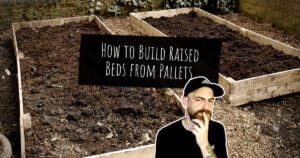
The best pallet projects for the garden are the ones that solve an actual problem. A raised bed gives you more growing space, a wood store keeps logs dry, and a bug hotel turns offcuts into something useful for wildlife.
These guides are built around normal gardens, allotments and backyard growing spaces, not perfect workshop builds. Some use whole pallets, while others use broken-down boards or mixed reclaimed timber. Start with the project that fixes the job in front of you, then build from there.
Before You Build With Pallets
Pallets are great for rough-and-ready garden projects, but they do need a quick sense check before you start cutting. I look for clean, dry timber that feels solid, then leave anything oily, stained, mouldy, rotten or chemical-smelling well alone.
Also, be pickier if the wood will sit near edible crops, chickens, pets or children. A scruffy pallet might be fine for a log store, but I would be much more careful using the same timber for a raised bed or planter.
Quick rule: if you would not want the timber near your food, do not use it for a food-growing planter or raised bed. Keep questionable pallet wood for rough storage, tool racks or non-edible garden jobs instead.
Pallet Safety, Sourcing and DIY Tips
Finding pallets is only half the job. The useful bit comes when you can spot decent timber, take it apart without wrecking it, and work out whether pallet wood is actually the right material for what you want to build.
These guides cover the practical side of DIY pallet projects: where to find pallets, how to break them down, what other reclaimed materials are worth looking for, and which basic tools make the job less frustrating.
Start With One Simple Pallet Project
You do not need to plan a full garden makeover. Start with one clean pallet, one useful job and a simple build. A rough wood store, a practical raised bed or a small wildlife project might not look showroom-perfect, but it still saves material, saves money and adds something genuinely useful to the garden.
That is the sweet spot with reclaimed timber. It does not have to be flawless. It just has to earn its keep.
Pallet Project FAQs
Yes, pallets can be safe for garden projects if you choose them carefully. I would avoid anything stained, oily, painted, mouldy, chemical-smelling or badly rotten, especially if the wood will sit near edible crops. Clean, solid pallets are the ones worth keeping.
A raised bed, wood store or simple bug hotel is a good first pallet project because the finish does not need to be perfect. You get something useful at the end, and you learn how pallet timber behaves without taking on a complicated build.
Try builders’ merchants, farms, warehouses, garden centres and small local businesses, but always ask before taking anything. Some pallets are reused, returned or owned by suppliers, so a quick, polite ask saves trouble and can lead to a regular source.