
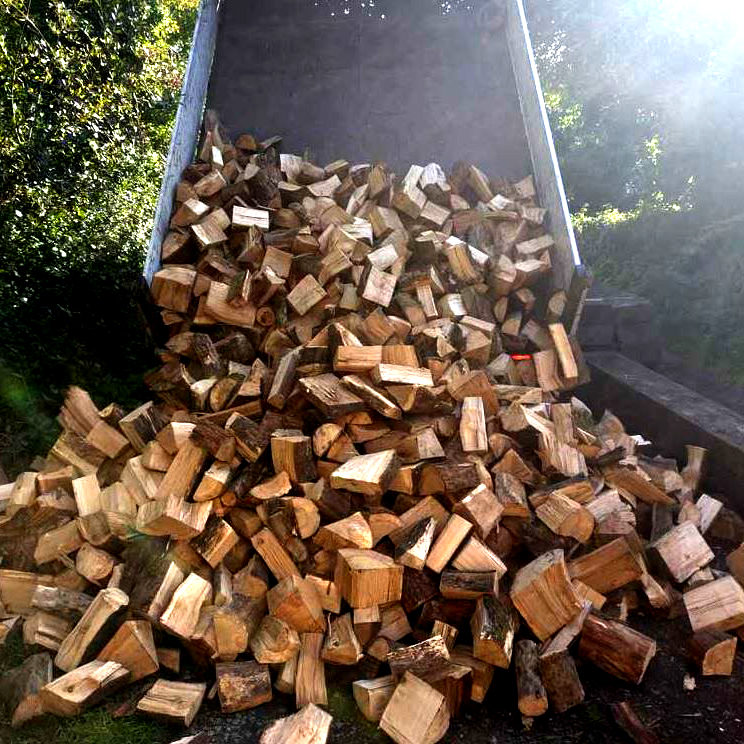
Free firewood is often available from tree surgeons, landscapers, landowners and local giveaway listings, but most free logs are freshly cut and need seasoning before they can be burned.
Use the Free Firewood Finder below to identify likely local sources, then call ahead to ask whether any unwanted logs are available. This guide explains where to look, how to collect wood legally and how to prepare it for safe use.
Free Firewood Finder
Find local tree surgeons for free logs
Enter your town, postcode, or area to open quick searches for nearby tree surgeons, arborists, and possible log sources.
Searches for your area
These links open live local searches in a new tab, so you can call around and ask politely about spare logs, rounds, or arisings.
Tip:
Ask if they have any untreated logs, rounds, or arisings they need gone. Be clear that you can collect, and remember that most free wood will need seasoning before use.
The finder identifies businesses that commonly handle logs and tree waste; it does not confirm current availability. Always contact the business before travelling.
Best Places to Find Free Firewood Near You in the UK
Finding free firewood is usually about identifying people who regularly handle surplus green wood and being ready to collect it. Tree surgeons, landscapers, farmers, smallholders, councils and homeowners may all need timber removed after pruning, storm damage, hedge cutting or garden clearance.
Most free logs will be freshly cut rather than ready to burn, so you will need suitable transport, safe handling equipment and somewhere to cut, split and season the wood. Always confirm that you have permission before collecting anything.
| Source | Likelihood | Best approach | Main limitation |
|---|---|---|---|
| Tree surgeons and arborists | High | Contact smaller local firms | Logs are usually green and mixed species |
| Facebook Marketplace and local groups | Variable | Set alerts and respond quickly | Listings disappear quickly |
| Farmers and smallholders | Variable | Ask politely and offer prompt collection | Access may be difficult |
| Landscapers and builders | Occasional | Ask when local work is underway | Wood may be unsuitable or mixed with waste |
| Council maintenance teams | Low and location-dependent | Check official notices or contact the council | Never collect without permission |
| Neighbours and local contacts | Good over time | Let people know what you can collect | Supply is irregular |
Tree Surgeons and Arborists
Tree surgeons are usually the best place to start if you want a regular supply of free logs. They frequently remove storm-damaged trees, overgrown branches and unsafe specimens, sometimes producing more timber than they can easily process or store.
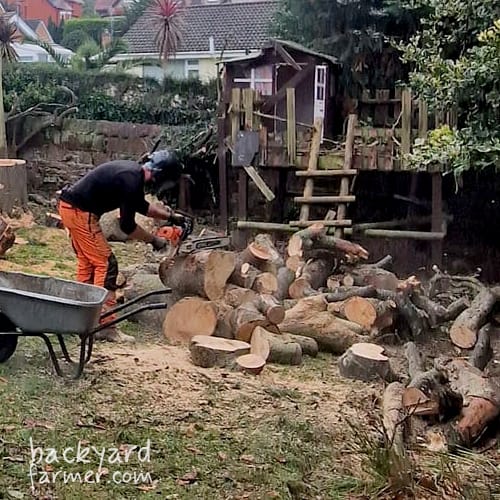
Smaller independent firms may be more flexible than larger contractors. When contacting them:
- Explain that you are happy to take green or mixed-species logs
- Offer flexible collection times
- Confirm the size and quantity before travelling
- Check that your vehicle can reach the collection point
- Ask whether cutting or splitting on site is permitted
Most arborist wood will need processing and seasoning, but it can become a dependable source if you collect promptly and leave the area tidy.
Facebook Marketplace and Community Groups
Facebook Marketplace, neighbourhood groups and local giveaway pages are often the quickest places to find one-off loads.
Look for posts such as:
- “Free logs — collection only”
- “Fallen tree — free to anyone who wants it”
- “Firewood — free if you take everything”
Set local alerts where possible and check listings after storms or winter pruning work. Before agreeing to collect, ask about the size of the timber, access to the site and whether specialist lifting or cutting equipment will be required.
Farmers and Smallholders
Farms and smallholdings can produce surplus wood through hedgerow work, boundary clearance, fallen branches and the removal of old trees.
Approach respectfully and explain that you are looking for green logs to season for domestic use. Never assume wood is free simply because it has been stacked near a field or track.
A reliable collector who arrives when agreed and removes the full quantity offered may become a useful repeat contact.
Landscapers and Builders
Landscaping and building projects sometimes involve removing trees, shrubs or clean untreated timber. Contractors may be willing to give this material away when it reduces disposal work.
Ask whether any suitable logs will be available once the job is complete. Avoid painted, treated or contaminated wood, construction offcuts containing adhesives, and timber mixed with general building waste.
Local Councils and Park Teams
Councils handle tree waste differently. Some chip everything on site, while others temporarily stack timber after maintenance or storm damage.
Check your council’s website, social media pages and tree-maintenance notices. You can also contact the relevant department and ask whether residents are ever permitted to collect surplus logs.
Never remove timber from parks, verges, roadside areas or council-managed land without express permission.
Neighbours and Local Contacts
Some of the best free firewood never appears online. Neighbours clearing gardens, allotment holders removing old fruit trees and gardeners carrying out winter pruning may all have wood they need moved.
Let people know that you collect green logs and can transport them safely. Word of mouth becomes more valuable over time, particularly when people know you will:
- Arrive when agreed
- Take only what has been offered
- Work safely
- Leave the collection area tidy
What to Ask
Keep your message clear:
“Hello, I’m looking for green or unseasoned logs for domestic firewood. Do you ever have clean, untreated timber available for collection? I can collect promptly and understand that it may need cutting and seasoning.”
Before travelling, confirm the approximate size and quantity of the logs, access arrangements, collection time and whether any processing on site is allowed.
The best time to ask is often after strong winds, winter storms or late-winter pruning work. Free logs rarely remain available for long, so having transport, gloves, eye protection and suitable storage ready can make the difference.
Is It Legal to Collect Free Firewood in the UK?
Free firewood is legal to collect only when the landowner, business or organisation responsible for the wood has given permission. Fallen branches and roadside logs are not automatically free, and removing them without consent could be treated as theft.
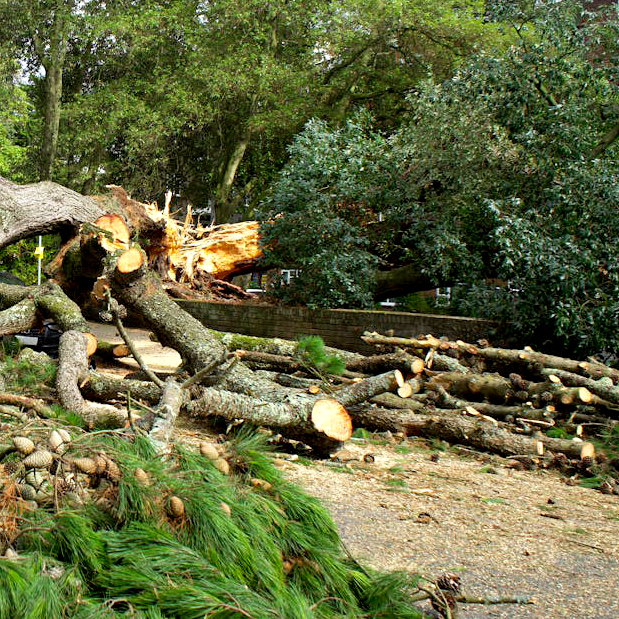
Never collect wood from parks, verges, public woodland, council land or private property unless you have been clearly authorised to do so. Before collecting, confirm:
- Which wood you may take
- Where and when you can access it
- Whether cutting or splitting on site is allowed
- Whether the timber is clean and untreated
The rules also cover what you can safely burn, particularly in Smoke Control Areas. Painted, pressure-treated or contaminated timber should never be used as domestic firewood.
For the complete rules on ownership, public woodland, Smoke Control Areas and safe timber, read my guide to collecting firewood legally and safely in the UK.
How Long Does Free Firewood Take to Season?
Most free logs from tree surgeons, storm damage and garden clearances are freshly cut rather than ready to burn. Treat them as future fuel: split them promptly, stack them off the ground with good airflow and allow enough time for the moisture content to fall below 20%.
As a rough guide, split softwood may season within 6–12 months, while ash and birch often need around a year. Dense hardwoods such as oak and beech can require 18–24 months or longer, especially when left in large rounds.
The most reliable way to check is with a moisture meter used on the freshly split face of a log. For detailed seasoning times, stacking advice and storage methods, see my guide to seasoning and storing firewood properly.
Best Types of Free Firewood
A mixed load of hardwood and softwood is often more useful than searching for one ideal species.
| Wood type | Examples | Best use |
|---|---|---|
| Dense hardwood | Oak, beech | Longer burns once fully seasoned |
| Medium hardwood | Ash, birch | General heating and easier lighting |
| Softwood | Pine, spruce, fir | Kindling, quick heat and shorter fires |
Oak and beech provide steady heat but usually take longer to season. Ash and birch are useful all-round options, while pine and spruce dry more quickly and work well for kindling.
When collecting free logs, you may not be able to choose the species. Split larger hardwood rounds early, keep quicker-burning softwood for lighting fires, and save dense hardwood for colder weather.
For a fuller comparison of burn time, heat output and seasoning needs, link here to your dedicated guide to the best firewood for UK stoves and fireplaces.
Planning to cook with the wood? Use only clean, untreated timber of known origin and see the dedicated guide to choosing firewood for pizza ovens and outdoor cooking.
Is Free Firewood Worth Collecting?
Free firewood can save money, but it is better viewed as raw material than ready-to-burn fuel. Its real value depends on how far you travel, whether you already own suitable tools and how much storage space you have.
Although the wood itself may be free, you still need to account for:
- Fuel for collection trips
- Cutting and splitting equipment
- Gloves and safety gear
- Dry, well-ventilated storage
- Time spent processing and stacking the logs
Free logs make most sense when they are available locally, you already have the basic equipment and you can store them for at least one seasoning cycle. They are less practical when you need dry fuel immediately, have limited outdoor space or must travel a long distance for small quantities.
Free firewood works best as part of a planned supply rather than an immediate source of fuel. Collect and process logs when they become available, then burn them only after they have seasoned properly.
Buying certified dry logs may still be more practical for occasional stove users or anyone without suitable storage. However, households that burn wood regularly may benefit from building a reliable local supply over time.
Always collect with permission, avoid painted or treated timber and follow any Smoke Control Area rules that apply.
Frequently Asked Questions About Free Firewood in the UK
Try local arborists, tree surgeons, Facebook Marketplace, community groups, farmers, smallholders, landscapers, and neighbours clearing fallen trees. Most free logs come from people who need timber moved quickly.
Yes, but only with permission. Fallen wood still belongs to the landowner, so always get consent before collecting from private land, farms, woodland, parks, verges, or council-managed areas.
Softwood usually takes 6–12 months, while many hardwoods need around 12 months. Dense woods such as oak can take 18–24 months. Aim for firewood below 20% moisture before burning.
It is best to avoid it. Green wood burns poorly, creates more smoke, blackens stove glass, and can increase creosote build-up in the chimney.
It can be, especially if you already have transport, tools, storage space, and time to process it. If you need dry logs straight away, buying ready-to-burn firewood may be easier.
Usually, no. Fallen branches still belong to the landowner or managing authority. Always check the rules and get permission before taking wood.
Final Thoughts
Free firewood is easiest to source when you build relationships with local tree surgeons, landowners and people carrying out garden or tree work. Be clear about what you can collect, turn up when agreed and never remove timber without permission.
Most free logs will need cutting, splitting and seasoning before use, so treat them as future fuel rather than an immediate replacement for ready-to-burn logs. With suitable transport, tools and storage, they can become a useful long-term supply.