
Introduction
If you’re wondering when to plant potatoes in the UK, the simple answer is March to May. In other words, that’s the typical potato planting window in the UK you’ll see in most guides.
However, once you speak to experienced gardeners — or spend time on allotments — you quickly notice something else:
👉 Most people don’t actually plant by date — they plant by conditions.
So, while terms like when to sow potatoes UK or planting potatoes UK often point to the same timeframe, the real answer depends on what’s happening in your soil right now.
Quick Answer — When to Plant Potatoes in the UK
If you’re looking for a simple, reliable guideline, most potatoes in the UK are planted between March and May. In other words, this is the core potato planting window in the UK you’ll see across most guides.
Typical Planting Times by Type:
- First earlies: late March to April
- Second earlies: March to April
- Maincrop potatoes: April to early May
However, these dates are only a starting point.
What Actually Affects Planting Time?
In practice, the exact timing for planting potatoes in the UK depends on your conditions. So, it’s worth adjusting based on what’s happening in your garden right now:
- Colder northern or exposed areas usually plant later (often early to mid-April)
- Heavy clay soils warm up slowly, so planting may need to be delayed by a couple of weeks
- Milder southern or coastal areas can often plant earlier
- Containers or grow bags can be planted slightly earlier than the ground, as they warm up faster
👉 The key rule: plant when your soil is workable — not cold, wet, or clumpy — rather than relying purely on the calendar.
The Safest Planting Window
So, while March can work in good conditions, April is usually the safest and most reliable planting window for potatoes in the UK.
Even then, May is still perfectly fine — especially for maincrop varieties.
A Simple Way to Think About It
If you’re asking when to sow potatoes in the UK, the answer is essentially the same. However, always let soil conditions guide your decision first, not just the date.
What Actually Affects Planting Time?
In practice, the best time to plant potatoes depends on a few key factors:
- Type of potato (first early, second early, or maincrop)
- Soil condition (warm, workable, and free-draining)
- Frost risk in your area
- Location in the UK (North vs South, coastal vs inland)
For example, a sheltered garden in the South may be ready as early as March. However, a colder garden with heavy soil in the North might not be suitable until April — or even later.
Why Timing Matters More Than Dates
Plant too early into cold, wet soil, and your potatoes can rot before they get started. On the other hand, if you wait until conditions are right, they establish quickly and grow far more reliably.
👉 So, getting the timing right is less about the calendar — and more about your soil.
What You’ll Learn in This Guide
In this guide, I’ll show you exactly when to plant potatoes in the UK, using both traditional timing and real-world experience from UK growers.
You’ll also get:
- A clear potato planting calendar UK growers can actually use
- Simple ways to check if your soil is ready
- Practical tips to help you avoid common planting mistakes
👉 By the end, you’ll be able to plant with confidence — not guesswork.
Plan Your Potato Planting Properly
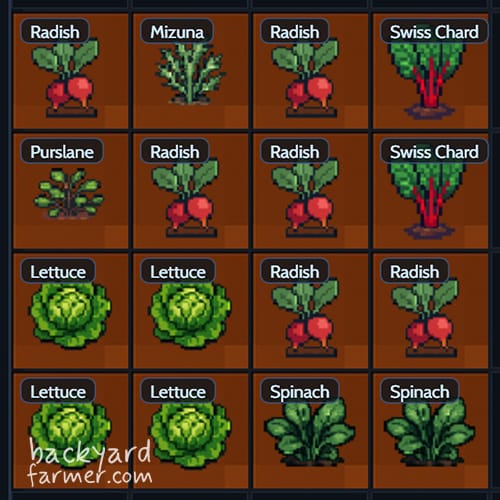
Getting your timing right is one thing — but when you’re growing potatoes alongside other crops, it’s easy to lose track of what goes where and when. Use the Backyard Farmer Allotment Planner to map out your planting dates, spacing, and crop layout in one place.
Potato Planting Calendar UK (Month by Month)
To keep things simple, here’s how potato planting in the UK typically lines up across the year.
However, treat this as a guide rather than a fixed rule. In practice, soil conditions matter more than any calendar date when deciding when to plant potatoes in the UK.
Month-by-Month Potato Planting Guide
| Month | Can You Plant Potatoes? | What’s Happening / Notes |
|---|---|---|
| February | ⚠️ Rarely | Usually too early for planting potatoes in the UK. Instead, focus on chitting seed potatoes and preparing beds. However, you can start potatoes in containers or under cover in very mild areas. |
| March | ✅ Sometimes | The first planting window opens in milder regions. However, only plant if the soil is workable — not cold, wet, or waterlogged. Frost risk is still high across much of the UK. |
| April | ✅ Yes (Best Time) | For most gardeners, this is the best time to plant potatoes in the UK. Soil is warming up, conditions are improving, and crops establish much more reliably. |
| May | ✅ Yes | Still a great time for planting potatoes in the UK, especially maincrop varieties. In fact, many crops perform just as well — or even better — thanks to warmer soil conditions. |
| June | ⚠️ Late Option | Still possible, particularly in containers or with fast-growing varieties. While yields may be smaller, late planting potatoes in the UK can still be worthwhile. |
Key Takeaway
👉 When to plant potatoes in the UK depends more on soil conditions than dates.
So, if your soil is cold, wet, or clumpy, it’s better to wait — even if you feel like you’re “on time.”
What Experienced Growers Actually Do
In practice, many experienced growers delay planting by a week or two if conditions aren’t right. As a result, they often get stronger growth and better yields.
So, if you’re unsure, April is a safe default for most regions. However, the best results usually come from planting potatoes when your soil is ready — not just when the month changes.
Don’t Plant by Date — Plant by Soil
Most guides will tell you when to plant potatoes in the UK is March or April. And while that’s a useful starting point, it’s not how experienced growers actually decide when to plant potatoes.
In fact, if you spend any time on UK allotments, you’ll hear the same advice again and again:
👉 “Don’t plant by the calendar — plant by the soil.”
This is where a lot of beginners come unstuck when planting potatoes in the UK.
Why Dates Alone Don’t Work
A warm week in March can make it feel like the season has arrived. However, if the soil is still cold, wet, or heavy, your potatoes won’t get going.
Instead, they often just sit there — or worse, rot before they even sprout.
👉 So, what matters most isn’t the date — it’s the condition of your soil.
What Good Soil Conditions Look Like
So, before you plant anything, check your soil first. This is the most reliable way to decide when to plant potatoes in the UK.
Ideally, it should be:
- Crumbly, not sticky — it should break apart easily in your hand
- Free-draining — no standing water or soggy patches
- Slightly warmed up — not icy cold to the touch
If soil is sticking to your boots or tools, it’s a clear sign it’s still too wet. So, it’s worth holding off a bit longer before planting potatoes.
Why Planting Too Early Causes Problems
Planting into poor conditions is one of the biggest causes of failure when growing potatoes in the UK.
- In cold soil, potatoes are slow to sprout
- In wet soil, they can rot before they establish
- As a result, early growth is often weak and uneven
On the other hand, if you wait even a week or two for better conditions, you’ll usually see faster, stronger growth and healthier plants overall.
The Real Rule to Follow
So, instead of asking “What month is it?”, ask:
👉 “Is my soil ready for planting potatoes?”
It’s a small shift. However, it makes a big difference when deciding when to plant potatoes in the UK.
Typical Timing (Based on Conditions)
In most UK gardens, that usually means:
- Late March in mild, well-drained areas
- Early to mid-April for many gardeners
- Later for heavy clay soils or colder regions
And if you’re unsure, it’s almost always better to wait a little longer. In most cases, potatoes planted into good conditions will quickly catch up — and often outperform those planted too early.
Key Takeaway
👉 The best time for planting potatoes in the UK is when your soil is ready — not just when the calendar says so.
Is It Safe to Plant Yet? (Simple Checklist)
If you’re not sure when to plant potatoes in the UK, this quick checklist will help. In most cases, if you can tick most of these off, you’re good to go — regardless of the date on the calendar.
Quick Soil Check Before Planting
Before planting potatoes in the UK, run through these simple checks:
- The soil is crumbly, not sticky
When you pick it up, it should break apart easily rather than clumping together. - There’s no standing water
Beds should be free-draining, not holding onto moisture after rain. - The soil isn’t cold to the touch
It should feel cool, not icy — a clear sign the soil is starting to warm up. - Frost risk is manageable
Occasional light frosts are fine. However, avoid planting during periods of hard or repeated frost. - You can work the soil easily
You shouldn’t be fighting heavy, compacted ground when digging.
👉 If most of these are true, it’s usually the right time for planting potatoes in the UK — even if the calendar says otherwise.
If You’re Not Sure — Wait
One of the most common mistakes when deciding when to plant potatoes is rushing in after the first warm spell.
However, if conditions aren’t quite there yet, waiting one or two weeks can make a big difference.
In better soil conditions, potatoes will:
- Sprout faster
- Establish more evenly
- Grow more strongly from the start
So, a short delay now often leads to a much better crop later.
Simple Rule of Thumb
👉 If your soil feels like spring, plant. If it still feels like winter, wait.
In the end, this simple check is often more reliable than any fixed planting date. In fact, it’s exactly how many experienced growers decide when to plant potatoes in the UK.
When to Plant First Early, Second Early, and Maincrop Potatoes
Not all potatoes go in at the same time. In fact, the best planting window depends on the type you’re growing. Once you understand the differences, it becomes much easier to decide when to plant potatoes in the UK based on your conditions.
First Early Potatoes
First earlies are the earliest potatoes you can plant — and the first you’ll harvest.
- Typical planting time: late March to early April
- Harvest time: around June
If you’re asking when to plant first early potatoes in the UK, this is your earliest window. Because they grow quickly, you can plant them slightly earlier than other types. However, they’re also more exposed to frost early in the season.
So, if you’re planting first earlies early, be ready to protect them:
- Earth up shoots if frost is forecast
- Use fleece or cloches in colder spots
👉 In milder parts of the UK, some gardeners start in mid-March. However, this only works if the soil is actually ready.
Second Early Potatoes
Second earlies follow not long after and sit nicely in the middle.
- Typical planting time: late March to mid-April
- Harvest time: July to August
If you’re wondering when to plant second early potatoes in the UK, this is your main window. They’re a bit more forgiving than first earlies and, as a result, less exposed to early frost. Because of that, they’re a solid choice if you’re just getting started.
👉 For most gardeners, planting second earlies in April gives very reliable results.
Maincrop Potatoes
Maincrop potatoes go in later and take longer to grow. However, they produce bigger yields and store much better.
- Typical planting time: April to early May
- Harvest time: August to October
If you’re deciding when to plant maincrop potatoes in the UK, this later window is ideal. Because they’re planted into warmer soil, they establish more quickly and are less affected by early-season frost.
👉 If you’re unsure — or planting on the later side — maincrop potatoes are usually the safest bet.
Quick Comparison
| Type | Planting Time | Harvest Time | Notes |
|---|---|---|---|
| First Earlies | Late March–Early April | June | Fastest crop, higher frost risk |
| Second Earlies | Late March–Mid April | July–August | Balanced timing and yield |
| Maincrop | April–Early May | Aug–October | Best for storage, more forgiving |
So, once you know which type you’re growing, it’s much easier to line up your planting time with your conditions — and ultimately decide when to plant potatoes in the UK for the best results.
What Decides the Best Time to Plant Potatoes?
Planting calendars are useful. However, they only tell part of the story. In practice, a few key factors decide whether your potatoes actually grow well. Once you understand these, it becomes much easier to work out when to plant potatoes in the UK for your own garden.
Soil Temperature (More Important Than Dates)
First of all, potatoes need the soil to warm up.
If the soil is still cold, sprouting slows right down. In some cases, seed potatoes just sit there for weeks without doing much. That’s exactly why soil temperature is key when planting potatoes in the UK.
What to Look For
As a simple guide:
- Soil should feel cool, but not cold
- Avoid planting into soil that still feels like winter
👉 Warmer soil leads to faster growth and stronger plants.
Frost Risk
Frost often gets mentioned as the main risk when deciding when to plant potatoes. And while it’s true that young shoots can be damaged, it’s usually manageable.
How to Protect Your Plants
- Earth up soil around shoots to protect them
- Use fleece or covers if needed
👉 In reality, light frost is usually less damaging than poor soil conditions when planting potatoes in the UK.
Wet or Heavy Soil (Major Failure Point)
This is where most problems start.
If your soil is:
- Waterlogged
- Sticky
- Compacted
Then planting early can easily lead to rotting seed potatoes before they even sprout.
👉 In fact, many growers lose more crops to wet soil than to frost. So, soil condition is one of the biggest factors in deciding when to plant potatoes in the UK.
Clay vs Sandy Soil
Your soil type also plays a big role in planting potatoes in the UK.
Clay Soil
- Warms up slowly
- Holds onto water
- Usually needs planting later
Sandy or Light Soil
- Warms up faster
- Drains well
- Can often be planted earlier
👉 As a result, clay soils can be 2–3 weeks behind lighter soils in spring.
North vs South UK
Location matters too when deciding when to plant potatoes in the UK.
- Southern UK: generally milder, so planting can happen earlier
- Northern or exposed areas: colder, so it’s safer to wait a bit longer
At the same time, coastal areas often benefit from slightly milder conditions compared to inland spots.
Growing Method (Ground vs Containers)
Finally, how you grow your potatoes makes a difference.
- In the ground: you need to wait for suitable soil conditions
- In containers or grow bags: you can often start earlier, especially in sheltered areas
👉 This gives you more flexibility if you want an earlier start without the risk of cold, wet soil.
The Big Picture
So, when you put all of this together, timing becomes much more flexible.
That’s why two gardeners just a few miles apart can plant weeks apart — and both still get great results.
👉 Instead of following a fixed date, match your planting time to your conditions. This is the most reliable way to decide when to plant potatoes in the UK.
Can You Plant Potatoes Earlier Than March?
This comes up a lot — especially after a mild winter or a few warm days in late February. Naturally, people start wondering when to plant potatoes in the UK, and whether they can get going early.
The short answer: yes, you can plant earlier than March — but only if the conditions are right.
For most UK gardeners, planting straight into the ground in February is still too early. The soil is usually cold, wet, and slow to warm up. As a result, the risk of rot and poor growth is much higher when planting potatoes in the UK this early.
However, in some situations, an earlier start can work.
When Early Planting Is Possible
You might be able to plant earlier if:
- You’re in a mild southern or coastal area
- Your soil is light and free-draining
- You’ve got sheltered growing conditions
- The soil is already workable and not waterlogged
Even then, there’s still some risk — particularly from late frosts. So, timing still depends on conditions rather than fixed dates.
👉 Because of that, most growers treat early planting as a bonus — not their main crop.
The Safer Approach: Start in Containers
If you want an early start without the risk, containers are a much more reliable option.
What to Use
You can plant potatoes in:
- Grow bags
- Pots
- Buckets
Why It Works
These can be started earlier (often February to early March). Then, you can:
- Keep them in a sheltered spot
- Move them outside once conditions improve
This way, you avoid the biggest issue with early planting — cold, wet ground — which is one of the main problems when planting potatoes too early in the UK.
👉 In practice, many experienced growers use containers to get an earlier harvest without the gamble.
The Risk of Planting Too Early
If you plant too early into poor conditions, problems usually follow.
- Slow or uneven sprouting
- Rotting seed potatoes
- Weak early growth
On the other hand, potatoes planted a bit later — in better conditions — often catch up quickly and end up stronger overall.
A Practical Rule
👉 If your soil isn’t ready, don’t rush — either use containers or wait a couple of weeks.
In most UK gardens, waiting until March or April for ground planting gives far more reliable results. So, when deciding when to plant potatoes in the UK, conditions will always matter more than trying to start early.
Is It Too Late to Plant Potatoes in May or June?
If you’ve missed the earlier planting window, don’t worry — it’s not too late to plant potatoes in May, and in some cases even June.
In fact, when people ask when to plant potatoes in the UK, late planting is often more flexible than expected.
While planting earlier (March–April) is often recommended, plenty of UK gardeners still get good results from later plantings — especially when soil conditions are better.
Planting Potatoes in May
May is still a reliable and often underrated time for planting potatoes in the UK, particularly if you’re growing maincrop potatoes.
Why May Works Well
- Warmer soil makes planting easier
- Plants establish more quickly
- There’s less risk from frost
👉 In fact, potatoes planted in May often grow just as well — or even better — than earlier plantings, simply because conditions are more favourable.
Planting Potatoes in June (Late Option)
June is getting late. However, it can still work — especially if you plan around it.
If you’re wondering whether you can still plant potatoes in the UK this late, the answer is yes — with a few adjustments.
How to Make Late Planting Work
You’ll have the best results if you:
- Choose fast-growing varieties
- Grow in containers or grow bags
- Accept a slightly smaller yield
Best Uses for Late Planting
Late planting tends to suit:
- New potatoes
- Quick crops rather than long-term storage
👉 Because of this, some growers deliberately plant a late batch to extend their harvest window.
What to Expect from Late Planting
Compared to earlier plantings, you’ll usually notice:
- Slightly smaller yields
- A shorter growing window
- A later harvest overall
However, because the soil is warmer, plants often establish faster. As a result, they can still produce a worthwhile crop when planting potatoes later in the UK.
Best Options for Late Planting
If you’re planting late, it’s worth choosing varieties and methods that give you more flexibility.
Recommended Choices
- Maincrop varieties — generally more forgiving on timing
- Containers or grow bags — better control over conditions
👉 These options help reduce risk and improve results when planting later in the season.
A Practical Takeaway
👉 It’s better to plant late in good conditions than early in poor ones.
So, if your earlier window didn’t work out, don’t write the season off. In many cases, planting potatoes in May — or even June — can still give you a solid crop, as long as conditions are right.
Should You Chit Potatoes Before Planting?
Chitting simply means letting your seed potatoes sprout before planting. Usually, you do this by placing them somewhere cool and light for a few weeks.
You’ll often see it recommended in guides about when to plant potatoes in the UK. However, in practice, it’s not as essential as it’s often made out to be.
What Chitting Does
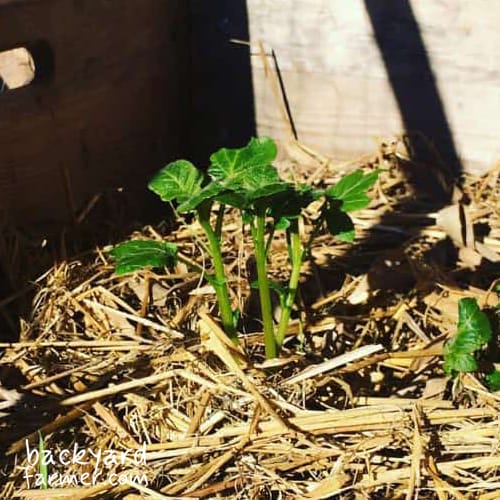
Chitting gives your potatoes a head start by encouraging short, sturdy shoots before they go into the ground.
As a result, it can:
- Speed up early growth
- Help you get an earlier harvest (especially with first earlies)
- Improve establishment in cooler conditions
👉 So, for early crops, chitting can give you a useful edge — particularly when planting potatoes in the UK early in the season.
When to Start Chitting
Most gardeners start chitting around late January to February, in preparation for planting potatoes in the UK in spring.
How to Chit Potatoes
- Place seed potatoes in egg boxes or trays
- Keep them in a cool, bright, frost-free spot
- Let short green shoots develop (around 1–2 cm long)
At this stage, you’re simply giving them a head start before planting — nothing complicated.
Is Chitting Necessary?
This is where real-world growing differs from the textbooks.
Many experienced growers will tell you:
👉 Chitting is helpful — but not essential.
In other words, potatoes will still grow perfectly well without it — especially if you’re planting into warm, well-prepared soil.
So, while chitting can help, it doesn’t change the core answer to when to plant potatoes in the UK — conditions still matter more than preparation techniques.
When Chitting Makes the Most Difference
Chitting tends to matter more when:
- You want an earlier harvest
- You’re planting in cooler early-season conditions
- You’re growing first early potatoes
👉 In these cases, that head start can make a noticeable difference when planting potatoes early in the UK.
When You Can Skip It
On the other hand, you can safely skip chitting if:
- You’re planting later in spring (April–May)
- Soil conditions are already good and workable
- You’re growing maincrop varieties
In fact, in these conditions, potatoes often catch up quickly anyway — so you won’t see much difference.
A Practical Takeaway
👉 If you’ve got the time, chit your potatoes — but don’t stress if you don’t.
At the end of the day, it’s a useful extra step, not a critical one.
Good soil conditions — and choosing the right time for planting potatoes in the UK — will always matter more.
Why Many Gardeners Stagger Their Potato Planting
You’ll often hear experienced growers say the same thing — don’t plant all your potatoes in one go.
Instead, it’s usually better to stagger your planting over a few weeks. And once you try it, the reason becomes pretty clear — especially when you’re working out when to plant potatoes in the UK across a changeable spring.
What Staggered Planting Means
Rather than doing everything at once, you simply spread your planting out.
Example Planting Schedule
For example, when planting potatoes in the UK:
- Late March — first batch (if conditions allow)
- Early to mid-April — second batch
- Late April to early May — final batch
This approach works just as well on an allotment as it does in a smaller garden. As a result, you’re not tied to one exact planting date.
Why It Works So Well
Staggering your planting gives you a few clear advantages — especially when deciding when to plant potatoes in unpredictable conditions.
- Reduces risk
If early conditions aren’t ideal, you haven’t committed your entire crop - Extends your harvest
Instead of everything being ready at once, you’ll harvest over a longer period - Makes better use of space
You can rotate beds or reuse containers more efficiently - Adds flexibility with the weather
You’re not relying on one “perfect” planting day
👉 So, rather than trying to time everything perfectly, you give yourself some breathing room when planting potatoes in the UK.
A Simple Strategy to Follow
If you’re not sure where to start, keep it simple.
Step-by-Step Approach
- Plant your first batch when conditions look right
- Then wait 1–2 weeks
- Plant the next batch
After that, just repeat until your planting window closes. This way, you naturally spread your timing when planting potatoes in the UK.
Does It Make a Big Difference?
For most growers, yes — and it’s noticeable.
Instead of hoping you picked the perfect moment, you spread your chances. As a result, you’ll usually end up with a more consistent and reliable crop.
A Practical Takeaway
👉 Don’t put all your potatoes in the ground at once — spread your planting to spread your risk.
In the end, this small tweak makes the whole season feel more forgiving and less stressful — especially with how unpredictable UK weather can be when deciding when to plant potatoes in the UK.
What to Do After Planting Potatoes in the UK
Once your potatoes are in the ground, you’ve done the hard part. However, a few simple jobs now will help them establish quickly and grow into a strong, healthy crop — especially after planting potatoes in the UK in early spring.
Earthing Up
As your potato plants start growing, you’ll need to earth up — in other words, pull soil up around the stems.
When to Do It
- Start when shoots reach around 15–20 cm tall
- Cover most of the stem, leaving just the top leaves showing
Why It Matters
This simple step:
- Protects young shoots from frost
- Stops potatoes turning green in the light
- Encourages more tubers to form
👉 So, although it’s simple, earthing up is one of the most important jobs after planting potatoes in the UK.
Watering
Early on, potatoes don’t need much watering — especially in spring when the soil is still holding moisture.
However, it’s still worth keeping an eye on conditions after planting potatoes.
What to Watch For
- Dry spells during warmer weather
- Increased demand once plants are actively growing
👉 At the same time, avoid overwatering — particularly in heavy soil — as this can lead to rot.
Frost Protection
Late frosts can catch you out, especially with earlier plantings.
How to Protect Your Plants
If frost is forecast:
- Earth up soil over the shoots
- Or cover plants with fleece or protection
Most potatoes will bounce back from light frost damage. However, protecting them early helps keep growth strong and consistent when planting potatoes in the UK.
Keep Beds Weed-Free
Weeds will compete with your potatoes for nutrients, water, and space.
Simple Maintenance Tips
- Remove weeds regularly while plants are establishing
- Stay on top of it early, before things get crowded
👉 This small bit of maintenance makes a noticeable difference later on.
What to Do Next
Once your plants are up and growing well, the focus shifts to general care and keeping things on track.
👉 For a full step-by-step guide, see: How to Grow Potatoes in the UK.
A Practical Takeaway
👉 Get the planting right — then stay on top of earthing up and protection.
In the end, these simple steps are what turn a decent crop into a really good one when growing potatoes in the UK.
How Long After Planting Will Potatoes Be Ready in the UK?
Once your potatoes are in the ground, the next question is usually how long you’ll be waiting. While this isn’t directly about when to plant potatoes in the UK, it still links closely to timing. After all, planting date and growing conditions both affect how quickly your crop develops.
In general, most potatoes grown in the UK take between 10 and 20 weeks from planting to harvest. However, this depends on the variety and the conditions after planting potatoes in the UK.
First Early Potatoes
Typical Harvest Timing
- Time to harvest: around 10–12 weeks
- Typically ready from June onwards
These are the quickest to mature. As a result, they’re usually harvested as “new potatoes” while they’re still small, soft, and full of flavour.
👉 If you’re planting early in the season, these are often your first reward when growing potatoes in the UK.
Second Early Potatoes
Typical Harvest Timing
- Time to harvest: around 12–14 weeks
- Typically ready from July to August
These sit nicely in the middle. So, you’ll get a slightly bigger yield than first earlies, along with a bit more flexibility on timing.
Maincrop Potatoes
Typical Harvest Timing
- Time to harvest: around 16–20 weeks
- Typically ready from August to October
Maincrop varieties take longer. However, they reward you with bigger harvests and store much better through autumn and winter.
👉 Because they’re planted later, they often benefit from warmer soil, which helps them establish more quickly after planting.
What Affects Growth Time?
Even so, timing isn’t fixed. A few key factors can speed things up — or slow them down when planting potatoes in the UK.
Key Factors
- Soil temperature — warmer soil gets plants moving faster
- Planting time — later plantings often establish more quickly
- Weather conditions — steady warmth and moisture help a lot
- Variety differences — some simply grow faster than others
👉 So, although planting earlier might seem like a good idea, it doesn’t always lead to a faster harvest.
When Are They Ready to Harvest?
As a general rule when growing potatoes in the UK:
- Lift first earlies when the plants start flowering
- Leave maincrop potatoes longer so they bulk up and store well
👉 For a full guide on timing and harvesting techniques, see: When to Harvest Potatoes in the UK
A Practical Takeaway
👉 Earlier planting doesn’t always mean an earlier harvest — conditions matter more.
In fact, potatoes planted a bit later in warmer soil often catch up quickly — and can sometimes be ready sooner than you’d expect when planting potatoes in the UK.
Common Mistakes When Planting Potatoes in the UK
Even with the best intentions, a few common mistakes can hold your potatoes back. In most cases, it comes down to timing and conditions. However, once you understand these, it becomes much easier to get planting potatoes in the UK right.
Planting Too Early into Cold, Wet Soil
This is by far the most common issue when deciding when to plant potatoes in the UK.
It’s tempting to get started after a few warm days. However, if the soil is still cold or wet, problems usually follow:
- Slow or uneven sprouting
- Seed potatoes rotting in the ground
- Weak, patchy early growth
👉 If the soil isn’t ready, it’s always better to wait a little longer.
Following Calendar Dates Too Closely
Most guides give fixed dates for when to plant potatoes. However, they don’t reflect what’s actually happening in your garden.
Why This Causes Problems
- Spring can arrive earlier or later each year
- Soil conditions vary from plot to plot
👉 Use dates as a guide — but let your soil make the final call when planting potatoes in the UK.
Planting During a Warm Spell Too Soon
A few sunny days in late winter can be misleading.
On the surface, it feels like spring. However:
- The soil underneath may still be cold
- Frosts can still return
👉 So, always check the soil — not just the air temperature — when deciding when to plant potatoes in the UK.
Ignoring Soil Type
Your soil type plays a big role in timing.
How Soil Affects Planting
- Clay soils stay wet and cold for longer
- Light soils warm up much faster
👉 As a result, copying someone else’s planting date rarely works if your soil is different when planting potatoes in the UK.
Leaving Shoots Exposed to Frost
Early shoots are vulnerable, especially after an early start.
What Can Happen
- If left exposed, frost can knock them back
👉 When frost is forecast, earth up or cover shoots to protect them.
Trying to Rush the Season
After winter, it’s natural to want to get going as soon as possible. However, rushing rarely pays off.
👉 Potatoes planted later in good conditions will usually outperform early plantings in poor conditions.
A Practical Takeaway
👉 Most problems when planting potatoes in the UK start at planting time — so get this stage right, and everything else becomes much easier.
FAQ
In most cases, February is still too early for planting potatoes in the UK straight into the ground, as the soil tends to be cold and wet. However, you can get a head start by planting in containers or grow bags in a sheltered spot, then moving them outside once conditions improve.
March can work, especially in milder areas. However, when deciding when to plant potatoes in the UK, it really comes down to your soil conditions. For many gardeners, April is often more reliable, as the soil has warmed up and is easier to work.
Yes — in fact, this is one of the easiest ways to start earlier when planting potatoes in the UK. Containers warm up faster than the ground and can be moved into sheltered spots. As a result, you reduce the risk from cold and wet conditions.
Yes, you still can. It’s later than ideal; however, it works — especially in containers or with fast-growing varieties. When planting potatoes in the UK this late, you may get slightly smaller yields, but you can still grow a worthwhile crop.
Chitting can give your potatoes a useful head start and help you get an earlier crop. However, it’s not essential. If your soil conditions are good, potatoes will still grow perfectly well without it. So, timing and conditions matter more when deciding when to plant potatoes in the UK.
As a general guide, plant potatoes around 10–15 cm deep. This can vary slightly depending on soil type and how you’re growing them. After planting, you’ll then earth them up as they grow, which is an important step when growing potatoes in the UK.
Yes, you can — usually in containers. This gives you more control over conditions and allows for earlier planting, which is especially useful in colder areas of the UK.
If you’re planting late, maincrop potatoes and fast-growing varieties tend to be the safest options. They’re more forgiving on timing and can still produce a decent crop when planting potatoes in the UK in May or June.
Conclusion
When it comes to when to plant potatoes in the UK, you’ll often see a simple answer: March to May. And while that’s broadly true, the real key is understanding your conditions.
By now, you’ve seen that successful planting potatoes in the UK comes down to a few practical factors:
- Your soil (how warm and how well it drains)
- Your location in the UK (North vs South, coastal vs inland)
- The type of potatoes you’re growing
- The weather that particular season throws at you
👉 The main takeaway: don’t plant by the calendar — plant when your soil is ready.
For most gardeners, April is the safest and most reliable window for planting potatoes in the UK. However, planting a bit earlier or later can work just as well if conditions line up.
If you’re ever unsure, keep it simple:
👉 It’s better to plant a little late in good conditions than too early in poor ones.
Plan Your Planting with Confidence
If you want to take the guesswork out of when to plant potatoes in the UK and other crops, the Backyard Farmer Allotment Planner can help.
It lets you:
- Plan your planting dates through the season
- Organise beds and crop rotations
- Stay on track as the year moves on
👉 Start planning your potato crop (and everything else) with the Allotment Planner
In the end, once you get your timing right, growing potatoes in the UK is one of the easiest and most rewarding things you can do — whether you’re on an allotment or just using a few containers at home.