Crop-Specific Guides

This archive brings together practical, experience-led articles from The Backyard Farmer, covering gardening, DIY, indoor growing, foraging, reviews, and sustainable living. Each post is written with real-world use in mind — focusing on working with nature, building practical skills, and making sustainable choices more accessible.

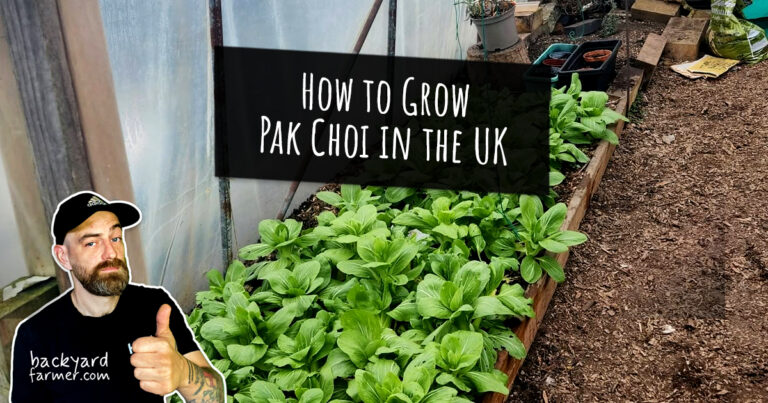
How to Grow Pak Choi in the UK

How to Grow Pak Choi in the UK

Pak choi is one of the quickest leafy vegetables you can grow in a UK garden or allotment. You can harvest baby leaves in around four weeks or allow plants to develop thick, crisp stems for stir-fries and other dishes. The biggest challenge is bolting,


Read Guide »
How to Grow Sweet Potatoes in the UK

How to Grow Sweet Potatoes in the UK

Sweet potatoes can be grown successfully in the UK, including outdoors, but they need more warmth than ordinary potatoes to produce a worthwhile harvest. In warmer parts of Britain, a sunny, sheltered bed can produce good results. Further north, a greenhouse or polytunnel offers more

Read Guide »
How to Grow Raspberries in the UK: Complete Guide

How to Grow Raspberries in the UK: Complete Guide

Raspberries are one of the easiest soft fruits to grow in the UK. Once established, a healthy row can crop for years with relatively little work beyond pruning, mulching and keeping unwanted suckers under control. The main thing to get right is whether you’re growing

Read Guide »
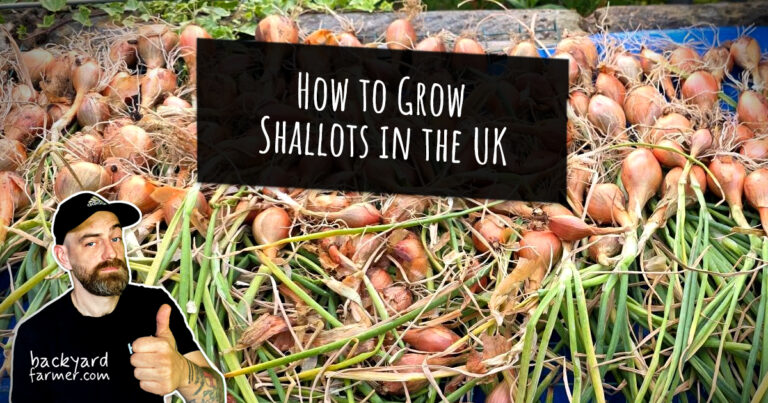
How to Grow Shallots in the UK

How to Grow Shallots in the UK

Shallots are probably my favourite onion to grow and eat, and they’re also one of the easiest to grow in the UK. Plant them 15–20cm apart in sunny, free-draining soil with the tip just showing. Spring is the safest planting time, although suitable varieties can

Read Guide »
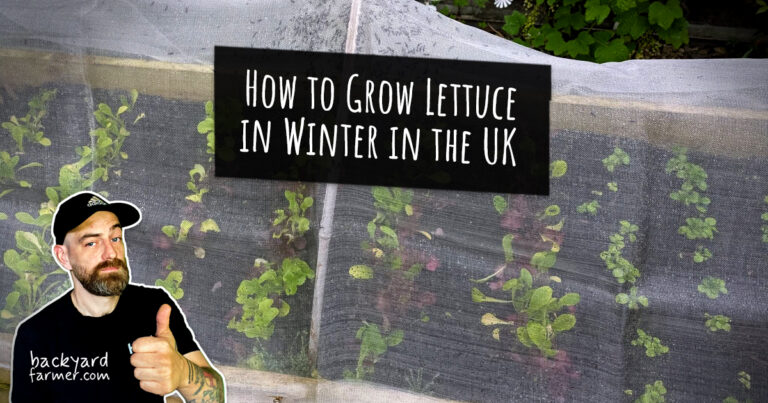
How to Grow Lettuce in Winter in the UK

How to Grow Lettuce in Winter in the UK

Yes, you can grow lettuce through winter in the UK. Choose hardy varieties and establish plants before the darkest part of the year. An unheated greenhouse, cold frame or cloche protects plants from wind, heavy rain and hard frost. Growth may slow dramatically during December

Read Guide »
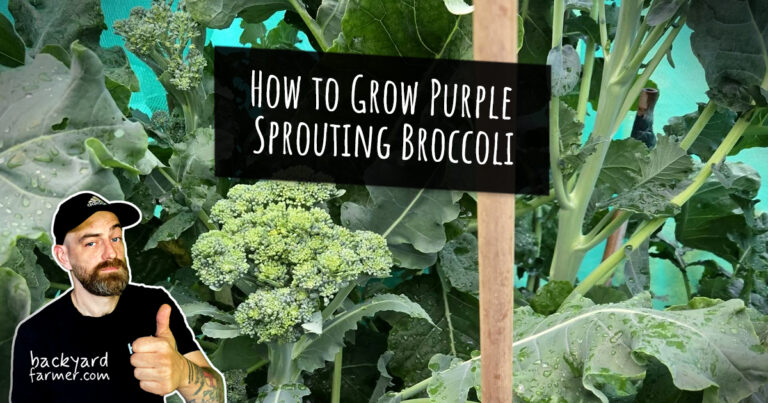
How to Grow Purple Sprouting Broccoli

How to Grow Purple Sprouting Broccoli

Purple sprouting broccoli (PSB) is a long-season brassica, usually sown in spring and harvested from late winter into spring. It takes patience, but it earns its space by producing fresh spears during the late-winter and early-spring hungry gap. This guide is based on UK growing

Read Guide »
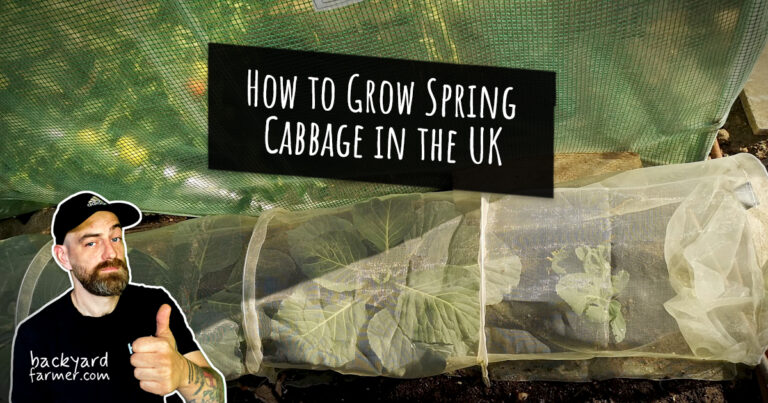
How to Grow Spring Cabbage in the UK

How to Grow Spring Cabbage in the UK

Despite the name, spring cabbage grown for a spring harvest is normally sown in late summer, planted out in autumn and left to overwinter. The plants sit through the coldest months before putting on stronger growth as light and temperatures increase. You can harvest them

Read Guide »
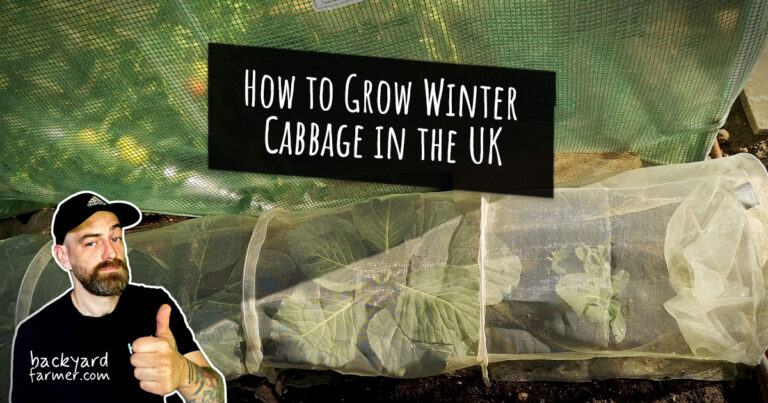
How to Grow Winter Cabbage in the UK

How to Grow Winter Cabbage in the UK

Winter cabbage isn’t a single variety, but a group of hardy cabbages grown for harvesting from late autumn through winter. Hardy varieties cope well with cold, but they need time to establish before the worst weather arrives. Spring cabbage is slightly different: it is usually

Read Guide »
How to Grow Jerusalem Artichokes in the UK

How to Grow Jerusalem Artichokes in the UK

Jerusalem artichokes are one of the easiest winter-harvest crops to grow in the UK. Plant the tubers in spring, give the tall plants plenty of room and harvest once the foliage dies back in late autumn. They need little maintenance and can produce heavy crops,

Read Guide »
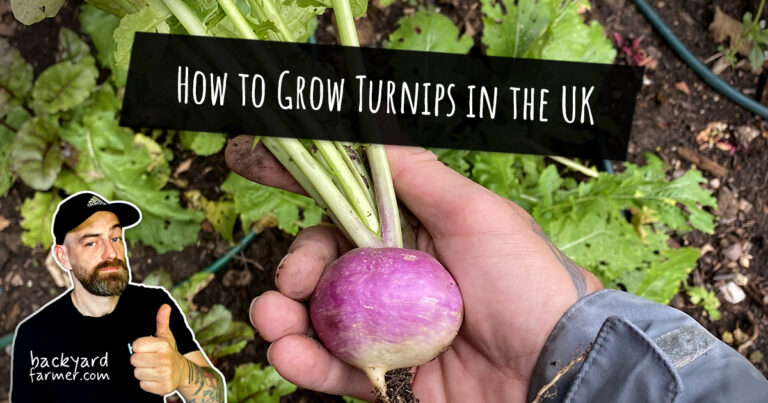
How to Grow Turnips in the UK

How to Grow Turnips in the UK

Turnips are one of the quickest root crops to grow in a UK garden or allotment. They are useful for filling gaps between longer-term crops, and because they can be harvested young, you do not need to wait for large roots before enjoying them. The

Read Guide »
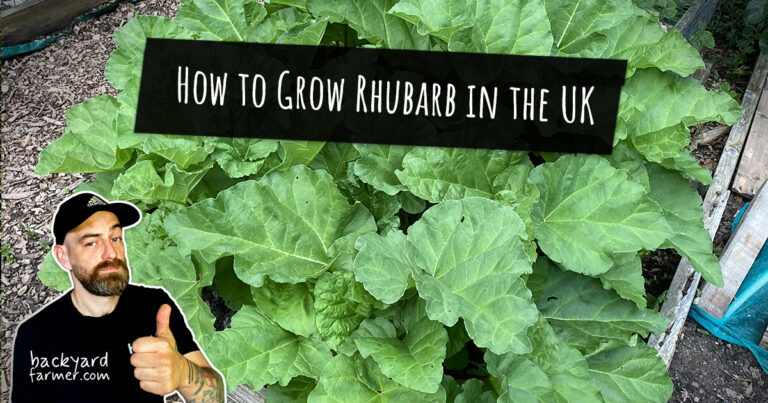
How to Grow Rhubarb in the UK

How to Grow Rhubarb in the UK

Rhubarb (Rheum × hybridum) is a hardy perennial that can remain productive for ten years or longer. The easiest way to grow it is from a dormant crown planted between November and March. Choose its position carefully, as rhubarb dislikes being moved unnecessarily. Give each

Read Guide »
Scroll to Top