
Introduction
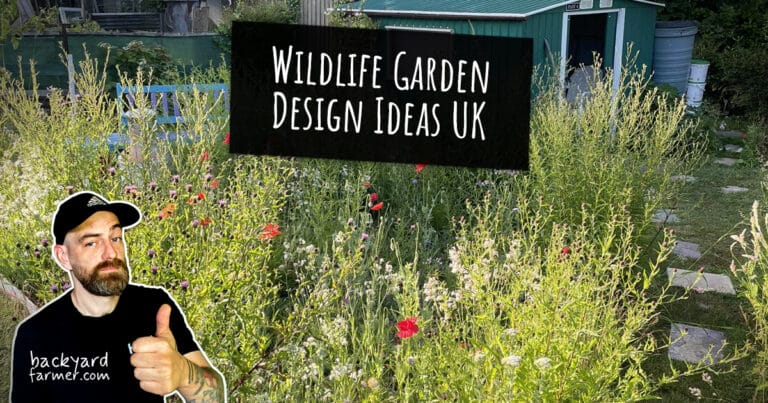
Designing a wildlife-friendly garden in the UK isn’t about letting everything run wild and hoping nature sorts itself out. Instead, it’s about making deliberate design choices that create a clear and practical wildlife garden layout UK gardeners can rely on — one that encourages wildlife to move in and stay.
What This Guide Covers
At its core, the best wildlife garden design ideas UK homeowners use focus on four essentials:
- Shelter
- Food
- Water
- Safe nesting spaces
When these elements work together, native wildlife can thrive throughout the year. As a result, your garden becomes more than decorative — it becomes functional, resilient and ecologically balanced.
Whether you have a small urban courtyard, a typical suburban lawn, or a larger rural plot, you can create a practical wildlife garden plan UK gardeners of any scale can adapt. In fact, size matters far less than structure. With careful planning, you can attract and support hedgehogs, birds, bees, butterflies and beneficial insects — all without needing acres of land or turning your garden into a jungle.
What You’ll Learn
In this guide, you’ll discover practical wildlife garden design ideas UK readers can apply immediately. More specifically, you’ll learn how to:
- Structure a wildlife garden layout UK gardens genuinely benefit from
- Position key features like ponds and hedging for maximum ecological impact
- Design layered planting schemes that support British wildlife year-round
- Create a wildlife garden UK homeowners can manage long term
So, if you’ve been searching for how to design a wildlife garden UK gardeners can make work in real life, or you’re looking for realistic small wildlife garden ideas UK homes can support, you’re in the right place.
Let’s build a garden that works with nature — not against it. If you’d like a broader overview before planning your layout, take a look at my guide on how to make your garden wildlife friendly, where I cover the key principles that help wildlife move in and stay long term.
What Makes a Garden Wildlife-Friendly?
Before diving deeper into wildlife garden design ideas UK gardeners can apply, it helps to step back and define what actually makes a garden wildlife-friendly. After all, a strong wildlife garden layout UK homeowners create should rest on clear principles — not scattered features.
It isn’t about bolting on fashionable additions. Instead, it’s about shaping the right conditions so wildlife feels safe enough to settle, feed and raise young.
In practical terms, a successful wildlife-friendly garden design in the UK provides four core elements:
- Shelter
- Water
- Food
- Nesting space
When these fundamentals are in place, your wildlife garden plan UK readers can follow becomes far more effective. As a result, biodiversity increases naturally and sustainably.
Shelter: Safe Cover From Weather and Predators
First and foremost, wildlife needs cover. However, many modern UK gardens are wide open — short lawns, hard landscaping and very little planting depth. Consequently, smaller species struggle to move safely through the space.
To strengthen shelter within your wildlife garden layout, you can:
- Plant native hedging along boundaries to create wildlife corridors
- Add dense shrubs and layered planting for year-round cover
- Leave areas of long grass uncut to support insects
- Build simple log piles or stack deadwood for ground habitat
Together, these features form the backbone of practical wildlife garden design ideas UK gardeners can implement in almost any setting. Even in a compact garden, dedicating one undisturbed corner noticeably improves biodiversity over time.
Water: A Lifeline for Garden Wildlife
Next, consider water. In fact, adding water is often the fastest way to increase activity within a wildlife garden layout UK homeowners manage.
Ideally, install a wildlife pond, as ponds support amphibians, insects and birds simultaneously. However, even a container pond or carefully placed bird bath can significantly strengthen a wildlife garden plan.
Position water in partial sunlight and include gentle slopes or stones for safe access. Consequently, insects and amphibians can move in and out without risk. Once water is established, you’ll usually see a visible rise in biodiversity within weeks.
Food Sources: Year-Round Feeding Opportunities
Of course, shelter and water mean little without reliable food. Therefore, wildlife garden design ideas UK readers adopt should prioritise natural feeding opportunities rather than relying solely on artificial feeders.
To support wildlife throughout the seasons, you can:
- Grow native flowering plants for pollinators
- Plant berry-producing shrubs for autumn and winter birds
- Leave seed heads standing through colder months
- Encourage insect-rich planting areas as part of your wildlife garden layout
By layering your planting scheme, you create a continuous supply of nectar, seeds and insects. As a result, your wildlife-friendly garden design in the UK becomes more self-sustaining and resilient.
Nesting and Overwintering Spaces
Finally, wildlife needs secure places to breed and survive winter. Without these, even well-fed species struggle to remain long term.
You can strengthen this part of your wildlife garden plan UK gardeners follow by:
- Adding hedgehog houses or leaving access gaps in fencing
- Installing bug hotels or stacking drilled logs
- Keeping thick ground cover and leaf piles in place
- Training dense climbers along walls or fences for additional shelter
When these four elements — shelter, water, food and nesting space — work together, your wildlife garden design shifts from decorative to genuinely functional.
With these foundations in place, you can confidently develop wildlife garden design ideas UK homeowners can adapt into a coherent wildlife garden layout UK spaces genuinely benefit from — supporting real biodiversity rather than simply the appearance of it.
Wildlife Garden Layout Ideas by Garden Size (UK)
When people search for wildlife garden design ideas UK gardeners can realistically apply, the first concern is usually space. So, how do you design a wildlife garden in the UK when space feels limited?
Fortunately, a strong wildlife garden layout UK homeowners create depends far more on structure than square footage. In other words, it’s not about how big your garden is — it’s about how well you organise it.
Below, you’ll find practical wildlife garden layout ideas UK readers can adapt based on garden size, whether you’re planning a small urban wildlife garden or developing a larger rural wildlife garden plan.
Small Urban Wildlife Garden Ideas (Terrace or Semi-Detached)
A small wildlife garden layout in the UK doesn’t need to feel cramped or chaotic. Instead, focus on layering, positioning and efficiency. In fact, many of the best small wildlife garden ideas UK homes use rely on smart placement rather than adding more features.
In tighter spaces, choose multifunctional elements that strengthen your overall wildlife garden plan.
Layout Principles for Small Wildlife Gardens
- Use vertical planting with climbers such as ivy or honeysuckle to create shelter without losing ground space
- Install a small container pond or half-barrel wildlife pond as a compact water zone
- Leave a narrow strip of long grass along a fence to support pollinators and insects
- Tuck a compact log pile into a shaded corner to strengthen ground habitat
- Position a bird feeding station close to shrubs for quick escape cover
If possible, create a small access gap at the base of fencing so hedgehogs can move between neighbouring gardens. Although it’s a simple adjustment, it significantly improves how your wildlife garden layout UK wildlife can actually use.
Ultimately, even a modest urban wildlife garden can provide genuine shelter, feeding and nesting opportunities when you design it intentionally.
Medium Suburban Wildlife Garden Layout
In a typical suburban setting, you usually gain more flexibility. Therefore, you can move beyond single features and start designing clear habitat zones within your wildlife garden layout.
A practical wildlife garden plan UK homeowners can follow divides the space into three functional areas:
- A water zone – ideally a wildlife pond positioned away from heavy foot traffic to reduce disturbance
- A planting zone – layered with native shrubs, flowering plants and areas of longer grass to support pollinators and birds
- A relaxation zone – seating near the house, allowing you to observe wildlife without constantly walking through habitat areas
For example, replacing part of a lawn with a wildflower patch immediately improves biodiversity. At the same time, native boundary hedging creates wildlife corridors that connect your garden to the wider landscape.
As a result, this balanced wildlife-friendly garden design UK readers can adopt keeps the space usable while strengthening ecological function.
Large or Rural Wildlife Garden Design
If you’re working with a larger plot, shift from simply adding features to building habitats. In this case, your wildlife garden design ideas UK rural gardeners implement should focus on scale, layering and long-term connection.
Effective approaches include:
- Creating a meadow strip or lightly rewilded area as part of a broader wildlife garden plan
- Installing a larger pond with shallow shelves to support amphibians and insects
- Planting native hedge corridors along boundaries to link habitats
- Developing a woodland-edge planting zone with trees, shrubs and ground cover
- Maintaining a compost or leaf-mould area as active wildlife habitat
Rather than tidying every edge, allow selected areas to remain slightly unmanaged. Although it may feel counterintuitive at first, structural variation dramatically increases species diversity.
Ultimately, the best wildlife garden layout UK gardeners can create mimics natural systems: layered, connected and intentionally imperfect. When you design with this mindset, your wildlife garden becomes a functioning ecosystem rather than a collection of isolated features.
The 5-Zone Wildlife Garden Design Method
If you’ve ever searched for wildlife garden design ideas UK gardeners can follow and ended up with a collection of disconnected tips, you’re not alone. It’s easy to add a pond here and a feeder there, only to realise your wildlife garden layout UK space still feels unstructured.
That’s exactly why this five-zone wildlife garden design method works.
Instead of thinking about isolated features, design in layers — just like natural ecosystems. When you structure your wildlife garden layout this way, each element supports the next. As a result, biodiversity increases more naturally and your wildlife garden plan becomes far more effective.
At its simplest, a balanced wildlife garden design includes five essential zones:
- Canopy (trees)
- Shrubs
- Flowers & pollinators
- Ground habitat & deadwood
- Water
When these zones overlap, they create a connected wildlife garden layout UK wildlife can actually use.
1. The Canopy Layer (Trees)
First, look up.
Even in smaller gardens, a well-chosen native tree can completely transform your wildlife-friendly garden design UK gardeners rely on. Trees add vertical structure. In turn, they attract a wider range of species.
Trees provide:
- Nesting sites for birds
- Early pollen sources for insects
- Shade and wind protection
- Height that expands your wildlife garden layout vertically
In compact spaces, choose smaller native varieties so they don’t overwhelm the garden. However, in larger wildlife garden plans, trees can anchor the entire layout and shape long-term structure.
2. The Shrub Layer
Next comes the backbone of many successful wildlife garden design ideas UK homeowners implement: shrubs.
Shrubs strengthen your wildlife garden layout in several important ways.
They provide:
- Dense cover for birds and hedgehogs
- Berries for autumn and winter feeding
- Nectar-rich flowers for pollinators
Plant shrubs along boundaries or in grouped clusters rather than scattering them randomly. As a result, you create wildlife corridors that connect your garden to neighbouring green spaces. Consequently, your wildlife garden plan becomes part of a wider ecological network rather than an isolated patch.
3. The Flower & Pollinator Layer
This is where colour meets ecology.
A strong wildlife-friendly garden design in the UK provides flowering plants across as much of the growing season as possible. Therefore, choose early, mid and late bloomers to ensure consistent nectar and pollen sources.
In addition, resist the urge to tidy too quickly. Allow some plants to set seed at the end of the season. Seed heads feed birds and shelter insects, which in turn strengthens the entire wildlife garden layout.
By layering flowering plants within your wildlife garden plan UK gardeners follow, you build resilience directly into the system.
4. The Ground & Deadwood Layer
While flowers catch the eye, much of the ecological work happens at ground level.
Many beneficial species live close to the soil surface. Therefore, deliberately strengthen this part of your wildlife garden design by including:
- Log piles or stacked deadwood
- Leaf piles left in autumn
- Undisturbed soil patches
- Areas of longer grass
Although these features look simple, they support beetles, amphibians, fungi and overwintering insects. As a result, they reinforce the foundations of your wildlife garden layout UK ecosystems depend on.
5. The Water Zone
Finally, incorporate water into your wildlife garden plan.
In most wildlife garden layouts UK gardeners create, water quickly becomes the most active zone. A pond with shallow edges works best because it supports amphibians, insects and birds simultaneously. However, even a smaller water feature can significantly increase biodiversity.
Position it away from constant disturbance and surround it with planting for shelter. Once established, you’ll often notice new species appearing within weeks.
Why the 5-Zone Method Works
When these five zones exist — even on a modest scale — your wildlife garden design ideas UK readers implement shift from decorative to functional.
Rather than simply adding features, you build a structured, layered wildlife garden layout UK wildlife can thrive in. And once that framework is in place, nature does much of the work for you.
Simple Wildlife Features That Make a Big Difference
While layout forms the backbone of strong wildlife garden design ideas UK gardeners can apply, specific features can dramatically increase biodiversity in a short space of time. However, the key is not to overcrowd your wildlife garden layout with too many additions at once.
Instead, choose one or two high-impact elements that meaningfully strengthen your overall wildlife garden plan, and then build gradually.
In many cases, small, well-placed changes deliver the biggest ecological results.
A Wildlife Pond
If you add just one feature to your wildlife garden layout UK space, make it water.
Consistently, wildlife ponds prove to be the most powerful addition within a wildlife-friendly garden design UK homeowners create. They attract frogs, newts, dragonflies, birds and countless beneficial insects. In fact, even a small, shallow pond in a half barrel can quickly become the most active part of your wildlife garden plan.
To maximise impact:
- Position the pond in partial sunlight
- Include gently sloping edges or flat stones for safe access
- Surround it with nearby planting for shelter
As a result, amphibians and insects establish themselves more easily. Once established, you’ll often notice new species appearing within weeks.
A Hedgehog-Friendly Corner
Next, strengthen your wildlife garden layout at ground level.
Hedgehogs need quiet shelter, dense cover and access between neighbouring gardens. Unfortunately, many modern fences interrupt these natural wildlife corridors.
To improve your wildlife garden design in practical terms:
- Leave a small gap at the base of fencing to create a hedgehog highway
- Install a hedgehog house in a shaded, sheltered corner
- Avoid fully sealing boundaries with solid barriers
Although these changes seem modest, they significantly improve how functional your wildlife garden plan becomes. In turn, you support local hedgehog populations more effectively.
A Bug Hotel or Deadwood Stack
Insects sit at the foundation of any successful wildlife garden layout UK gardeners design. Therefore, when insect populations increase, birds and mammals benefit naturally.
You don’t need an elaborate structure. A bug hotel, drilled log stack or simple deadwood pile provides valuable overwintering habitat for solitary bees, beetles and other beneficial species.
For best results:
- Place it somewhere dry and sheltered
- Position it close to flowering plants
- Keep it slightly off the ground where possible
As a result, you strengthen pollinator numbers while reinforcing the wider ecosystem your wildlife garden plan depends on.
A Long Grass or Wild Patch
Although closely cut lawns look tidy, they offer limited ecological value.
Allowing one section of grass to grow longer immediately improves your wildlife garden layout UK wildlife can use. Longer grass supports pollinators, ground beetles and other invertebrates. In many wildlife garden design ideas UK homeowners adopt, this area works best along a boundary or within a less-used corner.
Even a strip one metre wide can noticeably increase biodiversity. Over time, you’ll likely see more butterflies, bees and beetles actively using that space.
A Thoughtful Bird Feeding Station
Bird feeders certainly play a role, particularly in winter. However, positioning them correctly strengthens your wildlife-friendly garden design.
For example:
- Place feeders near shrubs or hedging for immediate escape cover
- Keep feeding areas clean to reduce disease risk
- Supplement feeders with natural berry-producing shrubs
As a result, birds rely on a balanced mix of natural and supplemental food sources.
Why These Features Work
Ultimately, the most effective wildlife garden design ideas UK gardeners implement aren’t complicated. Instead, they combine structure, shelter and carefully positioned habitat features within a cohesive wildlife garden layout.
Start with one improvement. Then observe how wildlife responds. From there, expand your wildlife garden plan gradually and confidently, allowing biodiversity to build naturally over time.
What to Avoid in a Wildlife Garden (UK-Specific)
When exploring wildlife garden design ideas UK gardeners can apply, it’s easy to focus only on what to add. However, what you avoid matters just as much. In fact, certain popular garden trends can quietly undermine even the best wildlife garden layout UK homeowners carefully plan.
So, if your goal is to create a functional wildlife-friendly garden design UK wildlife can genuinely thrive in, steer clear of the following common pitfalls.
Artificial Grass
Artificial lawns remove one of the most valuable habitats in any wildlife garden plan: living soil.
Without healthy soil, worms, beetles and microorganisms disappear. As a result, birds and hedgehogs lose an essential food source. While synthetic turf may look tidy and low maintenance, it actively reduces the ecological value of your wildlife garden layout.
By contrast, a natural lawn — even a slightly uneven or patchy one — supports far more biodiversity. In other words, small imperfections often strengthen wildlife garden design rather than weaken it.
Excessive Paving and Hard Landscaping
Large paved areas might feel practical. Nevertheless, they significantly reduce planting space, shelter and foraging opportunities.
Of course, patios and seating areas still have a place within wildlife garden design ideas UK homeowners adopt. However, instead of paving wall to wall, balance hard surfaces with:
- Borders and layered planting
- Native hedging for shelter
- Container planting where space is tight
Wherever possible, choose permeable materials that allow rainwater to soak into the soil. A well-planned wildlife garden layout UK gardeners create should still support soil life, drainage and planting depth. Otherwise, the space becomes visually neat but ecologically poor.
Sterile Gravel-Only Gardens
Gravel can work well in certain low-maintenance or drought-prone areas. However, a garden made entirely of decorative stone offers very little food, nesting space or shelter.
If you include gravel within your wildlife garden plan UK readers might follow, break it up with:
- Planting pockets
- Log or deadwood features
- Nectar-rich flowering plants
That way, you restore ecological function rather than creating a purely ornamental surface.
Ultimately, successful wildlife garden design ideas UK spaces rely on living systems, not static materials.
Harsh or Excessive Lighting
Bright garden lighting may feel secure and modern. Unfortunately, it disrupts nocturnal species such as bats, moths and hedgehogs.
To protect wildlife within your wildlife garden layout, use motion sensors instead of constant floodlighting. Choose warm-toned bulbs and keep them positioned low to the ground. After all, darkness plays a vital role in wildlife-friendly garden design UK environments depend on.
By reducing light pollution, you allow natural behaviour patterns to continue.
Over-Tidying
Finally, there’s the strong temptation to tidy everything.
Many UK gardens are managed too intensively. Cutting back every seed head in autumn, removing every fallen leaf, and trimming hedges during nesting season all reduce habitat value and weaken your wildlife garden plan.
Instead, allow selected areas to remain slightly wild. For example:
- Leave seed heads standing through winter
- Let leaves collect in one designated corner
- Reduce mowing frequency in less-used zones of your wildlife garden layout
Although this approach may feel counterintuitive at first, intentional “mess” supports insects, birds and small mammals. As a result, your wildlife-friendly garden design becomes more resilient and ecologically balanced.
The Bigger Picture
A successful wildlife garden design isn’t about neglect. Rather, it’s about thoughtful management that mimics natural systems.
By avoiding overly sterile practices, you strengthen your wildlife garden plan UK gardeners can sustain long term — creating a more dynamic, layered and genuinely welcoming habitat for local wildlife.
A Simple Wildlife Garden Plan You Can Copy
If you’re not quite sure where to begin, this simple wildlife garden layout UK gardeners can adapt provides a clear and practical starting point. It works particularly well in medium-sized spaces. However, you can easily scale it up or down depending on the size of your garden.
Rather than scattering features randomly, this wildlife garden plan focuses on connected habitat zones. As a result, each area supports the next, creating a cohesive wildlife-friendly garden design UK homeowners can manage long term.
Example Wildlife Garden Layout
Below is a structured layout you can copy and adapt.
Back Corner – Water Zone
Start with a small wildlife pond in a quiet corner of the garden. Position it away from heavy foot traffic to reduce disturbance. Add shallow edges and surrounding planting for cover so frogs, insects and birds can use it safely.
In many wildlife garden design ideas UK gardeners implement, water becomes the most active and biodiverse feature. Therefore, give this area space to develop naturally.
Boundary Edges – Shelter Corridors
Next, plant native hedging or dense shrubs along at least one boundary. This instantly creates a wildlife corridor and strengthens your overall wildlife garden layout UK wildlife can move through safely.
Over time, these sheltered edges become the backbone of your wildlife garden design. Consequently, your garden feels more connected and ecologically balanced.
One Side Border – Wildflower & Pollinator Strip
Instead of maintaining wall-to-wall lawn, replace part of a border edge with mixed, nectar-rich planting. Include early, mid and late flowering species to extend the feeding season.
Importantly, allow some plants to go to seed at the end of the season. Consequently, you support pollinators in summer and birds in winter — reinforcing your wildlife garden plan across the seasons.
Shaded Corner – Log Pile & Leaf Habitat
In a tucked-away spot, stack logs or create a small deadwood pile. Then, during autumn, let leaves collect naturally in that area.
Although it may look modest, this ground-level habitat plays a crucial role in the wildlife garden layout UK ecosystems depend on, supporting insects, amphibians and overwintering species.
Near the House – Seating & Observation Area
Finally, maintain a practical seating space closer to the house. From here, you can enjoy the garden and observe wildlife without repeatedly disturbing quieter habitat zones.
In this way, your wildlife-friendly garden design remains both usable and ecologically balanced.
Why This Wildlife Garden Layout Works
This wildlife garden design idea UK gardeners can follow works because it:
- Connects shelter rather than creating isolated pockets
- Positions water strategically within the wildlife garden layout
- Balances habitat with practical living space
- Mimics natural edge habitats found in the wider UK landscape
Even in a smaller space, you can apply the same wildlife garden plan UK homeowners use here. Simply reduce the scale of each zone rather than removing entire habitat layers.
So, when planning your wildlife garden layout in the UK, think in terms of structure and balance. Keep habitat around the edges, activity closer to the house, and always include at least one dedicated quiet zone.
By doing so, you transform scattered wildlife garden design ideas UK readers often see online into a coherent, functioning ecosystem.
How to Start Converting a Regular Garden into a Wildlife Garden
If your garden is currently mostly lawn, paving or neat ornamental beds, redesigning it for wildlife can feel like a big leap. However, you don’t need to start from scratch. In reality, most successful wildlife garden design ideas UK gardeners implement begin with small, deliberate shifts that gradually reshape the space.
So, rather than aiming for a dramatic overhaul, build your wildlife garden layout UK homeowners can manage step by step.
Step 1: Reduce Lawn Gradually
Lawns absolutely have their place within a wildlife garden plan. That said, large areas of closely cut grass offer limited habitat value.
Instead of removing everything at once, reduce or reshape just 10–20% of your lawn. Then replace that section with:
- A wildflower strip to support pollinators
- A shrub border to add structure and shelter
- A long-grass patch to strengthen ground-level habitat
Immediately, this improves your wildlife garden layout UK wildlife can use, without sacrificing practical garden space. Over time, you can expand these habitat zones as your confidence grows.
Step 2: Add One Reliable Water Source
If your garden currently lacks water, prioritise this next. Water consistently ranks as one of the most powerful elements in wildlife garden design ideas UK gardeners rely on.
Even a small container pond or shaded bird bath can shift a standard garden toward a fully wildlife-friendly garden design UK ecosystems benefit from. Water attracts birds, amphibians and insects quickly. Consequently, biodiversity often increases within weeks.
To maximise impact:
- Position the water feature within your wildlife garden layout near planting for shelter
- Avoid placing it in areas of heavy foot traffic
- Allow surrounding vegetation to establish naturally
By doing so, you encourage a stable and self-sustaining ecosystem.
Step 3: Plant Three Native Shrubs
Next, strengthen the structure of your wildlife garden plan.
Native shrubs provide food, shelter and year-round interest. More importantly, they anchor your wildlife garden layout UK gardeners design for long-term resilience.
Choose varieties that:
- Flower for pollinators in spring and summer
- Produce berries for birds in autumn and winter
- Create dense cover for nesting and protection
Plant them along boundaries or in quieter corners. As a result, you create shelter corridors that connect different parts of your wildlife garden design, rather than leaving isolated habitat pockets.
Step 4: Leave One Area Untidy
This is often the hardest adjustment — yet it delivers strong ecological benefits.
Select one small corner and allow it to remain slightly unmanaged. For example:
- Leave seed heads standing through winter
- Let leaves collect naturally
- Reduce mowing frequency in that section of your wildlife garden layout
Although it may feel like you’re doing less, you’re actively supporting insects, birds and small mammals. In turn, biodiversity increases as your wildlife garden plan matures.
Step 5: Reduce Chemical Inputs
Finally, rethink routine pesticide and herbicide use. A healthy wildlife garden layout in the UK depends on strong insect populations. Without insects, birds and mammals struggle to thrive.
By tolerating minor imperfections — such as chewed leaves or patches of clover — you strengthen the resilience of your wildlife-friendly garden design UK gardeners aim to build.
Build Gradually, Observe and Adjust
Above all, avoid rushing the process.
The most effective wildlife garden design ideas UK homeowners implement develop over time. Add one feature. Observe how wildlife responds. Then refine your wildlife garden layout accordingly.
Gradually, these incremental improvements compound. What begins as a modest adjustment can evolve into a thriving, layered wildlife garden plan UK gardeners feel proud of — one that supports birds, bees, hedgehogs and beneficial insects throughout the seasons.
Conclusion: Designing a Wildlife Garden That Truly Works
Designing a wildlife-friendly space isn’t about chasing perfection. Instead, it’s about applying clear, practical wildlife garden design ideas UK gardeners can sustain long term — built on structure, intention and steady, manageable change.
At its core, the most effective wildlife garden design ideas UK homeowners use remain simple. Focus on the fundamentals:
- Provide shelter
- Add water
- Plant for pollinators
- Allow space for natural processes
When you prioritise these basics, your wildlife garden layout UK spaces benefit from becomes more resilient, balanced and ecologically functional.
Why Structure Matters More Than Size
Whether you’re working with a compact urban courtyard or a larger rural plot, thoughtful planning will always outperform square footage.
In fact, a small, well-structured wildlife garden plan UK gardeners follow — with layered planting, a reliable water source and undisturbed habitat corners — will often support more biodiversity than a large but sterile garden.
Therefore, don’t wait for the “perfect” space. Start with the space you already have and improve it intentionally.
Start Small and Build Gradually
If you’re developing your own wildlife garden layout in the UK, begin with one practical step:
- Add a pond
- Plant a native hedge
- Create a pollinator strip
Then pause and observe how wildlife responds. As a result, your wildlife-friendly garden design evolves naturally rather than feeling forced.
Over time, these small improvements compound. Gradually, your wildlife garden design ideas shift from decorative concepts into a functioning ecosystem — one that supports hedgehogs, birds, bees and beneficial insects throughout the seasons.
The Bigger Picture
Ultimately, successful wildlife garden design in the UK isn’t about stepping back from gardening. Rather, it’s about gardening with purpose, building a coherent wildlife garden plan, and creating a wildlife garden layout UK biodiversity can genuinely thrive in.
Design with intention. Build in layers. Then let nature meet you halfway.