

Choosing the best battery garden tools is less about finding one standout mower, trimmer or hedge cutter and more about choosing the right battery ecosystem to build around. Once you own a couple of batteries and chargers, it makes sense to stay within the same platform wherever possible.
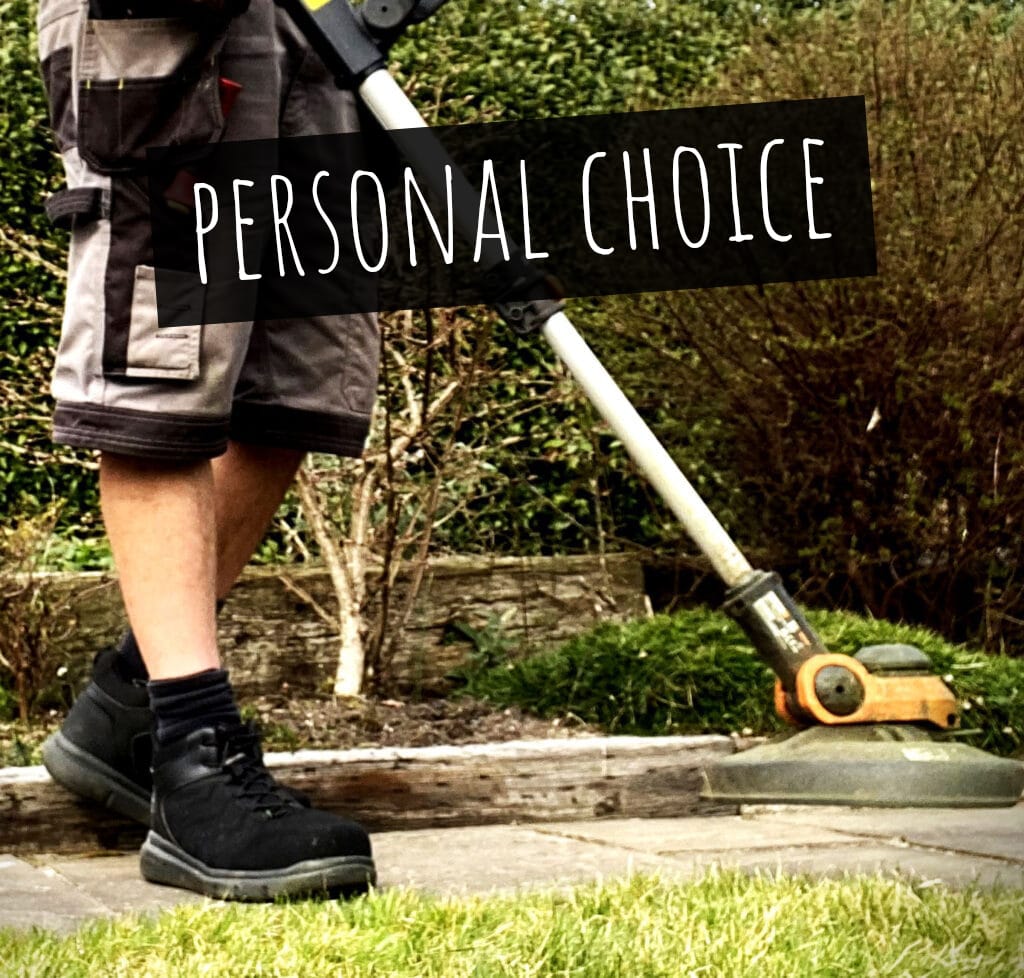
For most home gardeners, Worx is my best all-round choice thanks to its balance of price, usability and a broad range of compatible garden tools. Makita is the stronger option for professional or heavier-duty use, while Ryobi is a good-value choice for homeowners who want access to a large cordless tool range without paying premium prices.
I use Worx myself, so this guide combines firsthand experience with a practical comparison of the three systems to help you choose the one that best fits your garden, workload and budget.
Best Overall — Worx
Best balance of price, garden range and everyday usability.
Best for Professional Use — Makita
Best for users who need a more extensive professional-grade tool ecosystem.
Best Budget Ecosystem — Ryobi
Strong choice for homeowners wanting a broad cordless range without spending premium money.
Quick Comparison of the Best Battery Garden Tool Brands
The best battery garden tool brand depends on how heavily you use your tools, your budget, and which system you want to build around. For most home gardeners, Worx offers the best all-round balance, while Makita suits heavier or professional use and Ryobi is a strong value option.
| Brand | Best For | Main Strength | Main Consideration |
|---|---|---|---|
| Worx | Most home gardeners | Good balance of price, usability and compatible tools | Less suited to the heaviest professional workloads |
| Makita | Professional and heavier use | Power, durability and a very broad tool range | Higher cost if starting from scratch |
| Ryobi | Budget-conscious home gardeners | Good value and a large cordless range | Better suited to routine home use |
Which Battery Garden Tool Brand Should You Choose?
For most UK gardens, Worx is my first choice thanks to its practical tool range, interchangeable batteries and sensible pricing.
Choose Makita for heavier or professional use, or Ryobi if value and a large range of compatible tools matter most.
The important thing is to choose a platform you can keep expanding, rather than judging each tool in isolation.
Best Overall Battery Garden Tool Brand – Worx
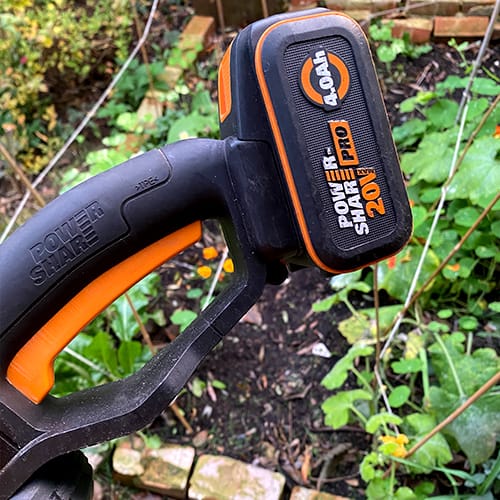
Worx is my top choice for most home gardeners because its PowerShare system offers a strong balance of price, usability and a useful range of cordless garden tools. I use the platform myself, and the big advantage is being able to move compatible batteries between tools rather than buying a separate battery and charger every time you expand the kit.

For normal garden maintenance — mowing, trimming, edging, hedge cutting and blowing — the range covers most of what a homeowner is likely to need. Worx also sits in a useful middle ground: more capable and better developed than many budget-only systems, without pushing into the higher prices associated with more trade-focused brands.
Worx PowerShare at a Glance
| Feature | Detail |
|---|---|
| Best for | Most home gardeners |
| Battery system | PowerShare |
| Main strength | Balance of value, usability and tool choice |
| Best suited to | Regular domestic garden maintenance |
| Main drawback | Less focused on the heaviest professional workloads |
Best For
Gardeners who want to build a practical cordless setup around one battery platform without spending professional-tool money.
Pros
- Broad range of garden tools
- Interchangeable batteries across compatible PowerShare tools
- Good balance of price and performance
- Easy platform to expand over time
- Strong choice for routine garden maintenance
Cons
- Not the obvious choice for continuous heavy professional use
- Higher-demand tools may require larger or multiple batteries
Verdict: For a typical UK garden, Worx is the platform I would choose first — and it is the system I use myself.
Best Battery Garden Tool Brand for Professional Use – Makita
Makita is the stronger choice for gardeners who need tools for heavier or more frequent use. Its cordless ecosystem is considerably broader than garden tools alone, making it particularly attractive to professional gardeners, landscapers and anyone already invested in Makita equipment.
The main appeal is less about finding the cheapest individual tool and more about buying into a large, established cordless system. If you regularly move between hedge trimmers, blowers, saws and other demanding equipment, that breadth can make the higher initial investment worthwhile.
For an average homeowner maintaining a modest garden, however, Makita can be more system than you actually need. Batteries, chargers and tools tend to represent a larger investment, particularly if you are starting from scratch.
Makita at a Glance
| Feature | Detail |
|---|---|
| Best for | Professional and heavier use |
| Battery system | Broad Makita cordless ecosystem |
| Main strength | Extensive tool range and heavy-use capability |
| Best suited to | Frequent or demanding workloads |
| Main drawback | Higher cost of entry |
Best For
Professional gardeners, heavier users and anyone who already owns compatible Makita batteries and tools.
Pros
- Very broad cordless tool range
- Well suited to frequent use
- Strong option for demanding garden jobs
- Particularly attractive if already invested in Makita
Cons
- More expensive to enter from scratch
- Potentially unnecessary for straightforward domestic gardening
Verdict: Choose Makita if your tools work hard, you use them frequently, or you already have a Makita cordless setup.
Best Budget Battery Garden Tool Brand – Ryobi
Ryobi is a strong choice for home gardeners who want a large cordless ecosystem at a more accessible price. Its ONE+ platform covers a wide range of garden and DIY equipment, which makes it easy to add tools gradually without continually buying into different battery systems.
That breadth is Ryobi’s biggest attraction. Someone starting with a grass trimmer or hedge trimmer can later add a mower, blower, saw or DIY tool while continuing to use compatible batteries within the same system.
It is best viewed as a homeowner-focused value option rather than a direct replacement for a professional platform. For normal garden maintenance, though, that may be exactly the balance many people need.
Ryobi ONE+ at a Glance
| Feature | Detail |
|---|---|
| Best for | Budget-conscious home gardeners |
| Battery system | ONE+ |
| Main strength | Large range at accessible prices |
| Best suited to | Domestic garden and DIY use |
| Main drawback | Less focused on intensive professional work |
Best For
Homeowners who want a broad selection of cordless garden and DIY tools while keeping the initial investment sensible.
Pros
- Large range of compatible tools
- Good value for home users
- Easy platform to expand
- Garden and DIY tools within the same wider ecosystem
- Good choice for routine maintenance
Cons
- Less suited to continuous professional workloads
- Some users may prefer a more heavy-duty platform for demanding work
Verdict: Ryobi makes the most sense when value and range matter more than outright professional capability.
Are Battery-Powered Garden Tools Worth It?
For most routine garden jobs, yes. Modern battery-powered tools offer plenty of power for mowing, trimming, pruning and general maintenance, while being quieter and easier to live with than petrol alternatives.
Advantages of Battery-Powered Garden Tools
- Lightweight and easy to handle – Usually easier to manoeuvre than petrol tools.
- Low maintenance – No fuel mixing, spark plugs or engine servicing.
- Quieter operation – Better suited to residential gardens and longer working sessions.
- No exhaust emissions during use – A cleaner option around the garden.
- Lower ongoing costs – Once you own the batteries and chargers, there is no petrol to buy.
Battery tools are now a practical choice for most home gardeners, although petrol still has an advantage for sustained heavy-duty work where maximum power and unrestricted runtime matter most.
Battery vs Petrol Garden Tools
For most routine garden maintenance, battery tools are the more convenient option. They are quieter, require less maintenance and are usually easier to handle. Petrol still makes sense when you need sustained power for heavier work or want to keep working without stopping to recharge batteries.
| Feature | Battery Tools | Petrol Tools |
|---|---|---|
| Best for | Routine garden maintenance | Heavy or prolonged work |
| Noise | Lower | Higher |
| Maintenance | Minimal | Regular servicing required |
| Weight | Usually lighter | Usually heavier |
| Runtime | Limited by battery capacity | Refuel and continue |
| Convenience | Excellent for home gardens | Better for demanding workloads |
For most UK gardens, battery tools now cover mowing, trimming, hedge cutting and general maintenance very well. If you regularly tackle large areas, dense growth or prolonged professional work, petrol tools may still be the better fit.
How to Choose a Battery Garden Tool Brand
Once you start buying cordless tools, the battery platform matters almost as much as the individual tool. Before committing to a brand, look at the wider system and whether it will still suit you as your collection grows.
Battery Compatibility
Check which tools can share the same batteries. A platform with good compatibility can save a lot of money when you add more equipment later.
Tool Range
Think beyond the tool you need today. Look at whether the brand also offers the mowers, trimmers, hedge cutters, blowers or saws you may want in future.
Power Requirements
Choose the system around the work you actually do. Routine maintenance rarely requires the most powerful platform available, while heavier jobs may justify a more capable setup.
Battery Capacity
Higher-capacity batteries generally provide longer runtime but also add weight and cost. For larger gardens, owning two compatible batteries can often be more useful than simply buying the biggest battery available.
Weight and Ergonomics
Battery size affects the overall balance of a tool, particularly with hedge trimmers, pole tools and blowers. A lighter setup can make a noticeable difference during longer sessions.
Warranty and Support
A cordless platform can be a long-term investment, so consider battery availability, replacement costs, warranty cover and UK support as well as the price of the first tool.
Frequently Asked Questions About Battery-Powered Garden Tools
For most home gardeners, Worx is my best all-round choice thanks to its balance of price, usability and a broad range of compatible garden tools. Makita is better suited to professional or heavier use, while Ryobi is a strong option for homeowners who want good value and a large cordless tool range.
For most routine jobs such as mowing, hedge trimming, edging and blowing, modern battery tools provide plenty of power. Petrol tools still hava an advantage for sustained heavy-duty work, particularly where maximum output and unrestricted runtime matter more than weight, noise or maintenance.
Yes, provided the tools belong to the same compatible battery platform. Systems such as Worx PowerShare and Ryobi ONE+ are designed around interchangeable batteries, which is one of the main reasons it pays to choose your ecosystem carefully before buying several tools.
Runtime varies depending on the tool, battery capacity and workload. A grass trimmer may run much longer than a mower or chainsaw using a similar battery, so it is better to compare the battery supplied with the individual tool rather than rely on one general runtime figure.
For larger gardens or longer jobs, having a second compatible battery can also reduce downtime.
There is no single voltage that is best for every job. Lower-voltage systems can be perfectly suitable for lighter garden maintenance, while more demanding tools may use higher-voltage or multi-battery setups.
Rather than choosing on voltage alone, look at the tool itself, battery capacity, expected workload and the wider platform you are buying into.
Battery lifespan varies depending on how often the battery is used, how it is charged and how it is stored. Lithium-ion batteries gradually lose capacity over time rather than suddenly stopping after a fixed number of years.
Keeping batteries away from extreme temperatures and following the manufacturer’s storage and charging guidance can help maximise their useful life.
Final Verdict
For most UK home gardeners, Worx is the best all-round battery garden tool brand. Its PowerShare system offers a strong mix of sensible pricing, useful garden tools and interchangeable batteries, and it is the platform I use myself.
If you need something more suited to frequent or professional use, Makita is the stronger choice, while Ryobi makes sense for homeowners who want a broad cordless ecosystem at a more accessible price.
Whichever brand you choose, the biggest decision is the battery platform, not the first tool. Pick a system with the range, performance and compatibility you are likely to need over the next few years, and it becomes much easier and cheaper to expand your cordless setup.