
Introduction
Handmade soap has made a huge comeback in the UK — and honestly, it makes complete sense. As more people search for handmade soap UK options and look for natural soap bars, interest continues to grow.
More of us are stepping away from synthetic ingredients, plastic bottles, and harsh detergents. Because of this, we’re beginning to appreciate handmade bars that:
- Feel genuinely good on the skin
- Use natural ingredients found in artisan and cold‑process soaps
- Are crafted with care by small UK makers
- Align with an eco‑friendly, low‑waste lifestyle
This shift isn’t only about skincare. It’s also about choosing products that last longer, feel better to use, and support a lifestyle that’s kinder to both people and the planet. As a result, many shoppers are moving towards natural handmade soap, artisan soap, and other sustainable bathroom swaps.
What This Guide Covers
In this guide, we’ll explore:
- What makes handmade soap so special
- How artisan and natural soap bars differ from supermarket soaps
- How to choose the right handmade soap for your skin, routine, and values
- Which UK brands create some of the best handmade soaps
So whether you’re after something gentle and botanical, looking for a natural, palm‑oil‑free option, or simply curious about how proper small‑batch soap is made, you’re in the right place.
Let’s dive into the world of handmade soap in the UK — a place where natural ingredients, traditional cold‑process craft, and thoughtful design come together to create something genuinely good for everyday life.
What Makes Handmade Soap Special?
Handmade soap stands apart from supermarket bars for one clear reason: it’s crafted with intention. Every bar begins with real oils, real botanicals, and a traditional approach that puts skin health and sustainability first. Because of this, handmade soap often feels better, works better, and naturally supports a low‑waste lifestyle.
As more people search for handmade soap UK, natural soap bars, and artisan soap, they’re discovering just how different a cold‑process bar can be.
Natural Ingredients
Unlike many commercial soaps packed with synthetic detergents and harsh additives, handmade bars usually focus on natural, skin‑friendly ingredients. These often include:
- Cold‑pressed plant oils like olive, coconut, or rapeseed
- Moisturising butters such as shea or cocoa
- Essential oils in place of artificial fragrances
- Botanicals and clays that add gentle colour and skin benefits
This natural blend creates a bar that’s gentler, richer, and far more nourishing — especially for those with sensitive, dry, or easily irritated skin.
Artisan & Small‑Batch Methods
Most handmade natural soap in the UK uses the traditional cold process method. This craft‑led technique:
- Keeps oils nutrient‑rich
- Retains natural glycerin (excellent for moisture)
- Produces a long‑lasting, creamy bar with a luxurious feel
Because these soaps are made in small batches, makers focus on quality, curing time, and balanced ingredient blends, rather than using shortcuts found in mass‑produced products.
Eco & Skin Benefits
Handmade soap appeals to anyone looking to simplify their routine and make more eco‑friendly choices. Typically, these bars offer benefits such as:
- Plastic‑free packaging
- Low‑waste, small‑batch production
- Palm‑oil‑free or sustainably sourced ingredients
- Gentle, natural formulas ideal for sensitive or dry skin
Altogether, this mix of craftsmanship, sustainability, and skin‑friendly ingredients is exactly why natural handmade soap has become a favourite across the UK — and why more people are switching to artisan, eco‑friendly soap bars every day.
Best Handmade & Artisan Soap Bars in the UK
The UK has a thriving handmade soap scene, and interest continues to rise as more people switch to natural handmade soap bars and artisan soap UK brands. Small-batch makers are producing bars that look beautiful, smell incredible, and feel genuinely nourishing on the skin. Below is a curated list of standout UK soap makers — each offering something unique in terms of ingredients, style, and overall personality.
For a deeper look at eco-friendly alternatives, you can also explore my full guide to palm-oil-free soap options in the UK.
Hiltwood – Best for Botanical, Sustainable Soap
Hiltwood blends traditional cold-process craft with a clean, nature-first aesthetic. Their bars lean into herbs, clays, and essential oils, creating soaps that feel earthy, calming, and deeply nourishing. Check out my full hands on review of Hiltwoods fantastic soap here: Hiltwood Soap Review (UK)
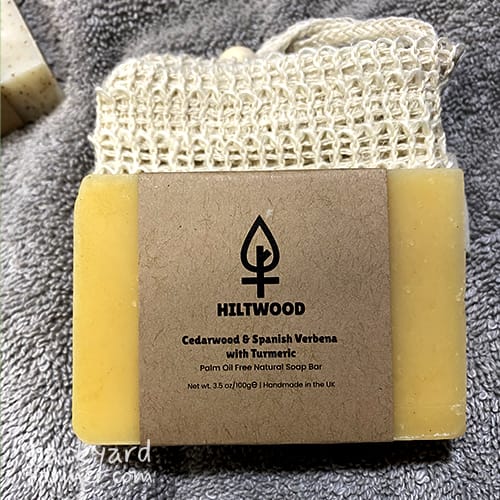
- Palm-oil-free, plastic-free, and eco-focused
- Packed with botanicals like lavender, rose, chamomile, comfrey, and sage
- Small-batch production with thoughtful scent and texture combinations
Perfect for anyone looking for a truly natural handmade soap with strong sustainability values.
Bean & Boy – Rustic Everyday Value
This family-run studio focuses on simple, honest formulations that feel wholesome and grounded.
- Vegan and palm-oil-free
- Natural, earthy scents
- Minimalist style
- Great for sensitive skin and everyday washing
Wylder Naturals – Modern Botanical Aesthetics
Wylder Naturals creates stylish, modern bars with balanced botanical scents, making them ideal for gifting.
- Strong emphasis on botanicals
- Naturally coloured with clays and activated charcoal
- Beautiful, contemporary designs
Little Soap Company – Easily Available Natural Soap Bars
One of the most accessible UK brands offering natural-style handmade bars, especially for people transitioning away from supermarket soaps.
- Organic ranges available
- Reliable quality and familiar scents
- Stocked widely across UK retailers
Highland Soap Co – Luxury Scottish Craft
Inspired by Scottish landscapes, these bars feel aromatic and indulgent.
- Premium packaging
- Classic, clean essential-oil blends
- Ideal for fans of everyday luxury
Yorkshire Soap Company – Gift-Focused Artisan Soap
Known for their intricate, decorative designs and strong fragrances, Yorkshire Soap Company is a go-to for gifts.
- Vibrant, ornate bars
- Seasonal and themed collections
- Great for birthdays, Mother’s Day, and home spa gifts
Other Notable Handmade Soap Brands
- Cosy Cottage – Gentle, palm-oil-free formulas
- Chalke Valley Soaps – Elegant, luxury-feel bars
- BrambleWood Soap Co. – Simple, natural bars ideal for sensitive skin
Together, these brands show just how diverse the handmade soap UK market really is — from rustic everyday bars to luxurious artisan soap designs. Whether you’re treating yourself or shopping for a thoughtful, eco-friendly gift, there’s a handmade soap bar to suit every skin type, scent preference, and personal style.
Natural vs Handmade vs Artisan Soap (What’s the Difference?)
With so many different terms floating around — natural, handmade, artisanal, organic — it’s no surprise people get confused. These labels often overlap, yet each one highlights something slightly different. Since people searching for handmade soap UK, natural soap UK, or artisan soap want clarity before buying, here’s the no-nonsense breakdown.
Handmade Soap: The Method
“Handmade” describes how the soap is made. Most UK makers use the traditional cold process method — the gold standard for authentic handmade natural soap.
Handmade soap usually means:
- Crafted in small batches by independent makers
- Slow-cured for a harder, longer-lasting bar
- Created using traditional, hands-on techniques
- Easy to customise with botanicals, clays, and essential oils
This method is the foundation of most artisan and natural soap brands in the UK.
Natural Soap: The Ingredients
“Natural” focuses on what’s inside the bar. These soaps avoid harsh detergents and synthetics, which is why they’re popular among people looking for natural soap bars UK or 100% natural soap, which typically includes:
- Plant oils and butters (olive, coconut, shea, cocoa)
- Essential oils for fragrance
- Botanical colourants like clays, charcoal, or herbs
- Zero SLS/SLES, foaming agents, or artificial dyes
If a bar claims to be 100% natural, it should be fully plant-based with no petrochemicals.
Artisan Soap: The Craft
“Artisan” highlights the creativity behind the bar. People searching for artisan soap UK are usually looking for something visually beautiful, gift-worthy, and full of personality.
Artisan soaps tend to be:
- More visually expressive and artistic
- Often themed, seasonal, or design-led
- Scented with thoughtful essential-oil blends
- Hand-poured, hand-cut, and genuinely crafted
How to Choose the Right Handmade Soap (UK Guide)
Choosing the right handmade soap can feel a bit overwhelming at first — especially now that the handmade soap UK market is full of gorgeous, small-batch bars. Thankfully, once you understand what your skin actually needs, the choice becomes much easier. This guide breaks down how to choose the best natural handmade soap bars, based on your skin type, routine, and values.
For Sensitive Skin
If your skin reacts to everything, keep things as gentle and minimal as possible.
- Choose unscented or lightly scented bars
- Look for calming ingredients like oatmeal, calendula, chamomile, or shea butter
- Avoid synthetic fragrances and rough exfoliants
These soothing ingredients work well with most natural soap bars and help support a healthier, calmer skin barrier.
For Dry Skin
Dry skin thrives with nourishing soaps rich in plant oils and butters.
- Look for olive oil, shea butter, cocoa butter, or avocado oil
- Choose bars with a creamy, low-foam lather
- Avoid charcoal-heavy or clay-heavy soaps, which can feel drying
These richer blends are brilliant in colder months and suit mature or moisture-loving skin types.
For Oily or Acne-Prone Skin
If you deal with breakouts or oily patches, go for a bar that detoxifies without stripping.
- Activated charcoal to draw out excess oil
- Tea tree, eucalyptus, or rosemary essential oils to clarify
- Bentonite or green clays for balance and purification
These ingredients are common in artisan soap UK formulas designed to support clearer-looking skin.
For Hair, Body & Shaving
Many handmade natural soap bars work across multiple uses, making them ideal for a low-waste bathroom.
- Castor oil creates a thick, creamy lather great for shaving
- Peppermint, rosemary, or eucalyptus work well for hair and body
- Cocoa butter adds glide for shaving bars
Choosing a multipurpose bar helps simplify your routine and cuts down on plastic bottles.
For Gifts
Handmade soap makes an easy, eco-friendly gift — thoughtful, affordable, and genuinely useful.
- Pick artisan or decorative bars for birthdays, thank‑you gifts, or care packages
- Choose botanical or floral blends for a spa-style feel
- Look for recyclable or compostable packaging to keep things sustainable
Brands like Hiltwood, Wylder Naturals, and Yorkshire Soap Company offer beautiful, gift-ready options across the handmade soap UK scene.
With a bit of thought about skin type, scent preferences, and how you like to use your soap, it becomes much easier to narrow down the perfect bar — whether it’s for everyday washing, a cosy self-care ritual, or a thoughtful eco-friendly gift.
Ingredients to Look For (and Avoid)
One of the biggest advantages of choosing handmade soap UK brands is knowing exactly what’s going onto your skin. Instead of long, synthetic-heavy ingredient lists, you get simple, recognisable ingredients — natural oils, butters, clays, and botanicals. Below is a clear, SEO-friendly breakdown of the best ingredients to look for in natural handmade soap bars, along with a few to avoid.
Oils & Butters
These nourishing ingredients form the base of most artisan soap UK bars and greatly influence how the soap feels.
- Olive Oil – gentle and moisturising; ideal for sensitive skin
- Coconut Oil – naturally cleansing and creates a bubbly lather
- Shea Butter – deeply nourishing and softening; perfect for dry skin
- Cocoa Butter – adds firmness and gives a velvety, creamy feel
- Castor Oil – boosts lather, making it great for shaving or shampoo bars
- Avocado Oil – rich and conditioning for mature or very dry skin
Most handmade natural soap blends combine several of these oils to create a balanced, long-lasting bar.
Botanicals & Clays
Botanicals and clays give handmade soaps their natural colour, gentle exfoliation, and skin-friendly benefits — without synthetic dyes.
- French Green Clay – detoxifying and ideal for oily or congested skin
- Kaolin Clay – mild, creamy, and perfect for sensitive skin
- Activated Charcoal – clarifying and deeply cleansing
- Oatmeal – soothing for irritated or eczema-prone skin
- Nettle, Calendula, Lavender, Rose – herbal additions that support skin health and add gentle texture
These ingredients also add visual appeal, creating the earthy, botanical look people love in artisan soap.
Essential Oils
Instead of artificial fragrances, the best handmade soaps use essential oils to create natural scent profiles.
- Lavender – calming and familiar
- Peppermint – cooling and invigorating
- Tea Tree – antibacterial and ideal for breakout-prone skin
- Eucalyptus – clean, fresh, and uplifting
- Rosemary – herbal, earthy, and energising
Essential oils provide scent without overwhelming the skin, making them a popular choice across the handmade soap UK market.
Avoid These Synthetics
Although not all synthetics are harmful, many commercial soaps rely on harsh ingredients that can irritate the skin — the opposite of what you expect from natural soap bars UK.
- SLS / SLES – strong foaming agents that strip natural oils
- Artificial Fragrance Oils – a common cause of skin sensitivity
- Synthetic Dyes – add colour but offer no skin benefits
- Petrochemicals – not something you’d expect in true natural soap
Handmade soap makers typically avoid these additives, which is why their bars tend to feel gentler, kinder, and far more nourishing.
Choosing soaps with natural oils, botanicals, and essential oils ensures your bar genuinely supports your skin, fits into your eco-friendly routine, and delivers the quality people expect from handmade soap UK brands.
Palm-Oil-Free, Vegan & Eco-Friendly Options
Many people choose handmade soap UK brands not just for the skin benefits, but because handmade bars naturally support a more ethical and eco-friendly lifestyle. Whether you’re avoiding palm oil, switching to vegan ingredients, or cutting down on packaging waste, the world of natural handmade soap offers plenty of easy, sustainable options.
Palm-Oil-Free Options
Palm oil appears in many commercial soaps, yet its production is often linked to deforestation and habitat loss. For this reason, more UK makers now create palm-oil-free handmade soap without sacrificing quality.
Benefits of palm-oil-free soap:
- More environmentally responsible and sustainable
- Uses richer alternatives like olive oil, shea butter, and cocoa butter
- Supports small-batch, low-impact production
If you want to explore the topic in more depth, you can read the full guide here.
Vegan Handmade Soap
Vegan soaps avoid animal-derived ingredients like tallow, milk, or honey, and instead focus on plant oils, natural butters, and botanical additives. This makes them very popular among people seeking vegan handmade soap UK options.
Why many choose vegan soap:
- Naturally gentle and nourishing for most skin types
- Fully biodegradable and better for the planet
- Ideal for cruelty-free and low-waste lifestyles
Most artisan soap UK makers now offer vegan ranges, so making the switch is straightforward.
Eco-Friendly Choices
Handmade soap is already a big win for low-waste living, especially compared with plastic bottled body washes. However, you can make your routine even greener by choosing soaps with additional eco-friendly features.
Look for brands that offer:
- Plastic-free packaging such as paper wraps, compostable sleeves, or completely naked bars
- Natural colourants and essential oils instead of synthetic dyes or fragrances
- Locally sourced ingredients to help lower the carbon footprint
- Cold process methods, which use less energy overall
Many UK makers — including Hiltwood, Bean & Boy, and Wylder Naturals — build sustainability into every part of their process, from sourcing to packaging.
Altogether, choosing palm-oil-free, vegan, or eco-conscious soap is one of the simplest everyday swaps you can make. These handmade natural soap bars support better skin health, reduce waste, and help create a greener, more sustainable home.
FAQ: Handmade Soap UK
Below are some of the most common questions people ask when they’re exploring handmade soap UK, natural soap bars, or artisan soap for the first time. The answers are simple, reassuring, and easy to follow — ideal for beginners.
Generally, yes. Handmade soap keeps its natural glycerin, a deeply moisturising ingredient that many commercial brands remove during processing. Because handmade bars use plant oils and butters instead of detergents, they tend to be much gentler, making them a great choice for people searching for natural handmade soap or options for sensitive skin.
Absolutely. Natural soaps cleanse just as effectively as commercial bars, but they avoid harsh surfactants and synthetic additives. Ingredients commonly found in natural soap UK products — such as coconut oil, olive oil, clays, and activated charcoal — provide excellent cleansing power while staying kind to your skin.
Most cold‑process soaps take 4–6 weeks to fully cure. This slower curing process allows water to evaporate, creating a harder, longer‑lasting bar with a milder, more stable formula — exactly what you’d expect from high‑quality handmade natural soap bars.
For many people, yes. Natural soap:
– Cleans the skin without stripping natural oils
– Comes plastic‑free and supports low‑waste living
– Avoids synthetic fragrances, dyes, and foaming agents commonly found in body wash
If you have sensitive or reactive skin, natural handmade soap is usually the gentler and more eco-friendly option.
All cosmetic products sold in the UK — including handmade soap — must meet strict UK cosmetic regulations. This includes:
– A Cosmetic Product Safety Report (CPSR)
– Clear, legally compliant labelling
– Registration through the UK SCPN portal
Most small-batch artisan soap UK makers work with certified assessors to ensure their recipes are safe, legal, and fully compliant.
These FAQs help demystify the basics and give you the confidence to choose handmade soap UK products that genuinely fit your skin needs, your values, and your lifestyle. Once you make the switch, you’ll quickly see why natural and artisan soap has become so popular.
Final Thoughts
Choosing handmade soap UK brands is an easy way to bring natural ingredients, traditional craft, and a more eco‑friendly mindset into your everyday routine. Handmade bars offer something supermarket soaps simply can’t match — a combination of care, quality, and thoughtful formulation that feels genuinely good on the skin.
If you’re interested in even cleaner ingredients, you can also read my guide to organically made soap in the UK.
Why Handmade Soap Feels Different
- Rich, creamy lather from real plant oils found in high‑quality natural handmade soap bars
- Gentle, natural scents created with essential oils and botanicals
- Small‑batch craftsmanship that prioritises quality over mass production
- Eco‑friendly values, from plastic‑free packaging to low‑impact processes
A Soap for Every Skin Type
Across the growing handmade soap UK scene, makers now offer bars for almost every skin concern:
- Sensitive skin – simple, soothing, fragrance‑light blends
- Dry skin – nourishing oils and butters for extra moisture
- Oily or acne‑prone skin – clarifying clays and essential oils
- Everyday use – balanced formulas that suit most households
Great for Beginners & Long‑Time Fans
Whether you’re switching from bottled body wash or you already love natural soap bars, this guide helps highlight:
- Why handmade and artisan soap UK brands stand out
- How exploring different makers introduces you to new scents, textures, and botanicals
The Heart of Handmade Soap
Handmade soap embraces:
- Simplicity — natural oils, real botanicals, and minimal ingredients
- Tradition — slow curing and classic cold‑process methods
- Thoughtful formulation — focusing on skin health, not shortcuts
- Independent makers — supporting small UK businesses and ethical production
A Small Change That Makes a Big Difference
Whether you’re:
- Upgrading your everyday routine, or
- Choosing a thoughtful eco‑friendly gift
Handmade soap is one of the simplest swaps you can make. High‑quality handmade natural soap bars help reduce waste, support local makers, and bring more nature, care, and quality into your skin routine. Once you make the switch, it’s hard to look back.