
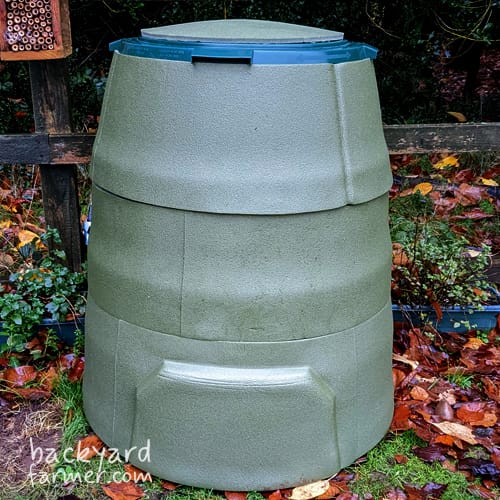
The Green Johanna 330L Hot Composter is designed for households that want to compost more than ordinary garden waste. Alongside fruit and vegetable scraps, it can handle cooked food, meat, fish and dairy, making it a more versatile option than a conventional compost bin.
I’ve used the Green Johanna myself, and its large capacity, pest-resistant design and ability to deal with everyday household food waste are its main strengths. In this review, I’ll look at how it performs in practice, what it’s like to live with and whether it justifies the higher price.
Green Johanna 330L Specifications
| Specification | Detail |
|---|---|
| Capacity | 330L |
| Material | 100% recycled plastic |
| Dimensions | 80 × 80 × 93 cm |
| Weight | Approx. 10 kg empty |
| Ventilation | Integrated aeration system |
| Pest Protection | Integrated perforated base plate |
| Insulation | Optional winter jacket available |
| Assembly | Self-assembly required |
| Warranty | 5 years |
BYF Note: I use the Green Johanna myself, so this review includes my own experience alongside the product specifications and wider owner feedback.
Best For
- Lots of kitchen waste
- Cooked food, meat, fish & dairy
- Medium to large gardens
Pros
- 330L capacity
- Pest-resistant base
- Recycled plastic
- 5-year warranty
Cons
- Higher upfront cost
- Needs regular aeration
- Slower in cold weather
What It’s Like to Use
Capacity & Everyday Composting
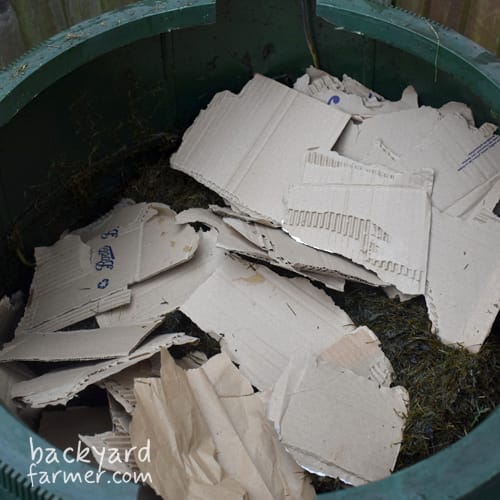
The 330L capacity gives the Green Johanna plenty of room for regular household food waste alongside garden material. It is particularly well suited to households producing a steady stream of kitchen scraps without needing constant emptying.
Its upright design also keeps the footprint reasonably compact for the amount it can hold.
Build Quality & Pest Resistance
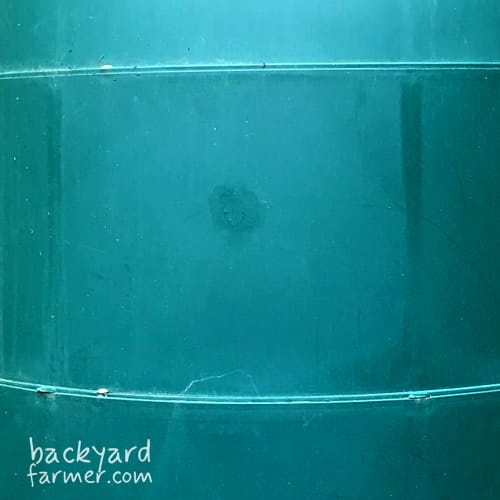
The body is made from 100% recycled plastic and is designed for permanent outdoor use. At around 10kg empty, it is manageable to position during setup but becomes very stable once in use.
An integrated base plate helps deter pests while still allowing worms and other soil organisms access from below.
Aeration & Composting Performance
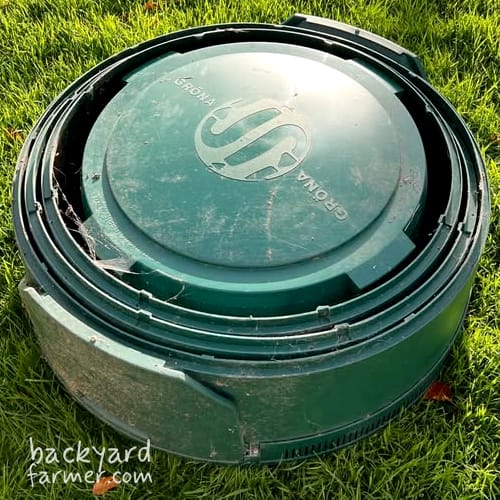
The Green Johanna uses an integrated ventilation system to keep air moving through the composting material.
Good airflow is important, but the bin still needs the right balance of materials and regular aeration. It isn’t completely hands-off, particularly if you want to maintain faster decomposition.
Setup & Cold-Weather Use
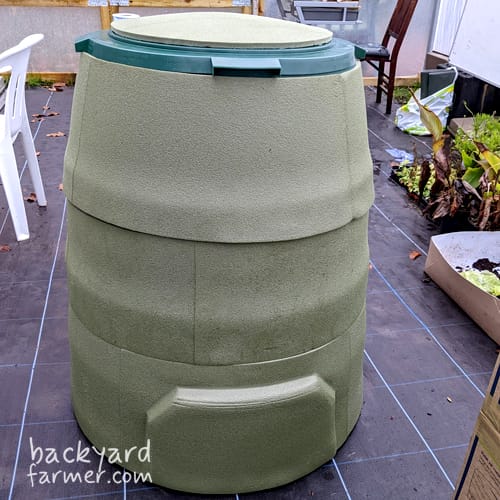
The Green Johanna requires self-assembly, but the modular design keeps installation relatively straightforward.
An optional insulating winter jacket is also available to help retain heat during colder weather. It isn’t essential for everyone, but it can be useful in exposed locations or where winter temperatures noticeably slow composting.
What Owners Say
Common positives
Owners regularly praise the pest-resistant design, sturdy construction and large 330L capacity. The modular build also makes assembly relatively straightforward.
Common drawbacks
The main criticism is temperature performance in colder or shaded locations. Some users feel it behaves more like a conventional compost bin unless it is positioned well and managed carefully, with the optional insulating jacket helping in winter.
Worth knowing
Feedback is generally positive, but the Green Johanna performs best when it is given the right mix of materials, regular aeration and a suitable position. That makes it more capable than a basic compost bin, but not completely hands-off.
Do You Need the Winter Jacket?
The Green Johanna Winter Jacket is optional, but it can help the composter retain heat during colder weather. It is most useful in exposed gardens, shaded positions or during winter when decomposition naturally slows.
For many users, the Green Johanna will still work without it, but the jacket can make it easier to maintain warmer conditions and keep the composting process moving through the colder months.
Worth considering if:
- your garden is cold or exposed
- the composter sits in partial shade
- you want to keep composting actively through winter
A strong choice for households wanting to compost more food waste than a conventional bin can comfortably handle.
FAQs About the Green Johanna Hot Compost Bin
It has an integrated perforated base plate designed to deter pests while still allowing worms and other soil organisms access. The secure lid also helps reduce the risk of unwanted visitors.
Yes. One of the Green Johanna’s main advantages is that it can take cooked food, meat, fish and dairy alongside ordinary fruit and vegetable scraps.
Yes, although decomposition may slow as temperatures fall. The optional insulating jacket can help retain heat during colder months.
Regular aeration helps keep the material mixed and supports decomposition. How often it needs turning will depend on what you are adding and how actively the bin is composting.
No. It requires self-assembly, but the modular design is relatively straightforward and instructions are supplied.
Its upright 80 × 80cm footprint makes it suitable for many medium and large gardens, although you will need enough space around it for filling and maintenance.
There isn’t a fixed timescale. Composting speed depends on temperature, the mix of materials, moisture and aeration, so results will vary throughout the year.
The main jobs are keeping a reasonable balance of materials and aerating the contents regularly. It is relatively low maintenance, but not completely hands-off.
The main composter, integrated base and aerating stick are supplied. The insulating winter jacket is an optional extra.