

Introduction
Finding the best garden centre near you can be a bit hit-and-miss. Some places are brilliant for healthy plants, compost, herbs, shrubs, and proper gardening advice, while others are better for gifts, cafés, and seasonal displays.
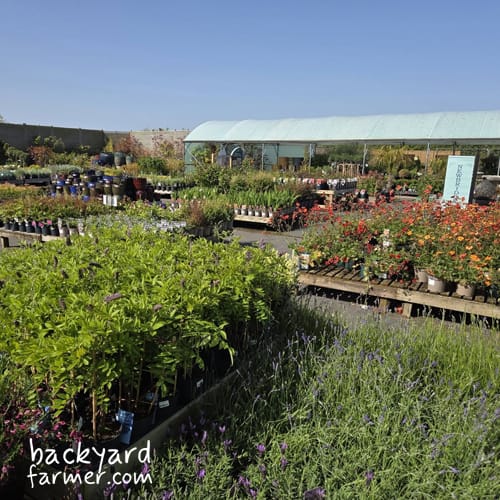
That is why I have added a Garden Centre Finder Tool to this guide. You can enter your town, postcode, or area, then quickly search for local garden centres, plant nurseries, compost suppliers, and gardening shops nearby.
A good local garden centre does more than sell plants. It can help you choose varieties suited to your area, pick up the right compost or tools, and get practical advice for the season you are growing in.
Below, I’ll show you how to find garden centres near you, what to look for before buying plants, and how to choose places that actually help your garden thrive.
Garden Centre Finder
Find Garden Centres Near You
Enter your town, postcode, or area to open quick searches for garden centres, nurseries, compost suppliers, and growing supplies.
Searches for your area
These links open live local searches in a new tab, so you can check opening times, compare suppliers, and call ahead if needed.
Tip:
Stock changes quickly with the seasons, so it is worth checking opening times and calling ahead if you need compost, plants, tools, or a specific growing supply.
What Makes a Good Garden Centre?
Not all garden centres near you offer the same experience. My first job was in a Garden Centre, so it’s fair to say I’ve spent more time in them than most. Some focus heavily on retail displays and seasonal gifts, while others are better for healthy plants, specialist knowledge, and practical gardening advice.
Because of this, knowing what to look for makes it much easier to spot the best garden centre near you — one that genuinely helps your garden thrive.
Healthy, Well-Cared-For Plants
First of all, look closely at the plants themselves. A good local garden centre usually takes pride in its stock, so the plants should look strong, healthy, and properly maintained.
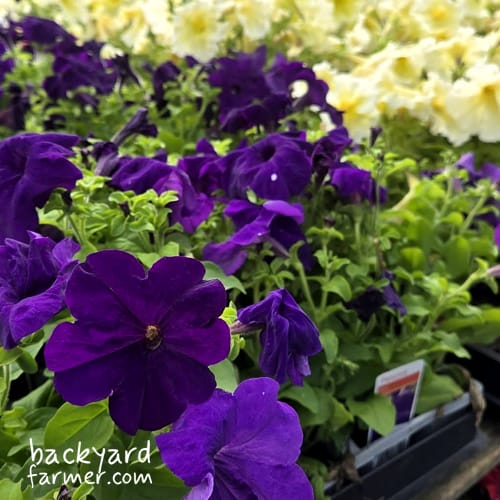
Healthy plants are typically:
- Well watered, but not sitting in soggy compost
- Free from obvious pests or disease damage
- Upright and sturdy, rather than wilted or yellowing
- Compact and well-grown, not stretched, weak, or overcrowded
If the plants look well cared for at the garden centre, they’re far more likely to establish well once you take them home.
Knowledgeable Staff
Another clear sign of a good garden centre is helpful, knowledgeable staff. One of the real advantages of visiting a proper local garden centre or plant nursery, rather than a supermarket or DIY store, is that you can ask questions and get practical advice.
Good staff can help you:
- Choose plants suited to your soil and growing conditions
- Select the right compost, mulch, or fertiliser
- Solve common problems like pests, poor growth, or plant diseases
- Work out what to plant at the right time of year
This kind of advice is especially valuable if you’re new to gardening. It also helps when you’re trying to grow something unfamiliar.
Seasonal and Local Plant Selection
Good garden centres and plant nurseries usually stock plants that match the time of year and local climate. Instead of pushing everything at once, they rotate their stock as the seasons change.
For example, you’ll often see:
- Vegetable seedlings and herbs in spring
- Bedding plants and annuals in early summer
- Shrubs, bulbs, and perennials later in the year
- Seasonal compost, feeds, and plant supports when they’re actually needed
Many local garden centres also work with nearby growers. Because of this, the plants are often better suited to regional growing conditions, which improves your chances of success once they’re planted.
A Good Range of Gardening Supplies
Finally, the best garden centres near you usually carry the core supplies you actually need to garden properly.
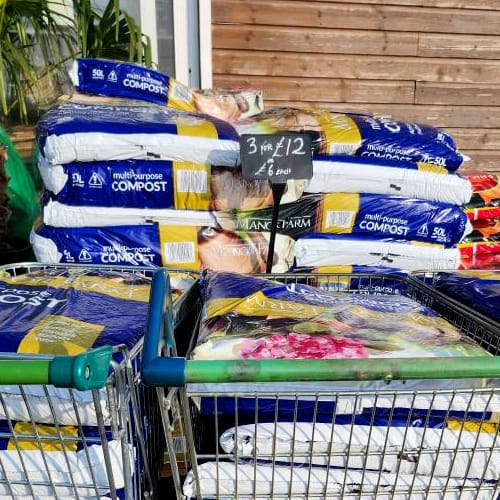
This typically includes:
- Quality compost and soil improvers
- Seeds and young vegetable plants
- Pots, trays, and propagation supplies
- Reliable gardening tools
- Plant feeds, supports, labels, and pest-control options
Having these essentials in one place makes gardening much easier. It also means you can pick up everything you need — from plants to compost — during a single visit.
Types of Garden Centres You Might Discover
When you start searching for the best garden centre, you’ll quickly notice that there are several different types of places selling plants and gardening supplies.
Understanding the differences helps you decide which local garden centre, plant nursery, or garden retailer is actually worth visiting.
Independent Garden Centres
Many gardeners prefer independent garden centres. These are often run by experienced growers, horticulturists, or local families. As a result, the focus usually stays on plant quality, local knowledge, and practical gardening advice.
In these local garden centres, you’ll often find:
- Unusual or locally grown plants
- Staff with strong horticultural knowledge
- Plants suited to local growing conditions
- A more personal, practical shopping experience
Independent centres can be some of the best garden centres near you if you want reliable advice and plants that grow well in your area.
Large Garden Centre Chains
Large garden centre chains usually offer a wider range of products alongside plants. In addition to shrubs and flowers, you’ll often find garden furniture, tools, compost, barbecues, gifts, and seasonal items.
Many larger garden centres near you may also include:
- Cafés or restaurants
- Large seasonal plant displays
- Garden accessories and gifts
- A wide range of compost, pots, and tools
While these centres can feel more retail-focused, they are still useful when you want to pick up a wide range of gardening supplies in one visit.
Specialist Plant Nurseries
Some businesses focus mainly on growing specific types of plants. These specialist plant nurseries can be fantastic places to find high-quality plants or unusual varieties that you might not see in standard garden centres.
For example, some plant nurseries near you may specialise in:
- Fruit trees and soft fruit
- Perennials and cottage-garden plants
- Native or wildlife-friendly plants
- Herbs, alpines, roses, or ornamental grasses
So, if you’re searching for something specific or a little unusual, a specialist local plant nursery is often well worth visiting.
Tips for Visiting a Garden Centre
Once you’ve found a few promising garden centres near you, a little preparation can go a long way.
Most garden centres are full of tempting plants and colourful displays, so it’s easy to get distracted. However, with a simple plan in mind, you’ll find it much easier to focus on what your garden actually needs.
Visit at the Right Time of Year
Try to visit a local garden centre at a time that matches what you want to grow. Good garden centres and plant nurseries follow the seasons, so the plants available usually reflect what should be planted at that time of year.
In spring, you’ll usually see:
- Vegetable seedlings and young salad crops
- Herbs and early bedding plants
- Seed potatoes, onion sets, and propagation supplies
Later in the year, the focus often shifts towards:
- Shrubs and hardy perennials
- Spring-flowering bulbs for autumn planting
- Fruit bushes, trees, and winter-interest plants
As a result, visiting garden centres near you during the main planting seasons usually means fresher plants and a better overall selection.
Bring a Simple Plant List
Before heading out to a garden centre near you, it helps to jot down a quick list of what you’re looking for. Otherwise, it’s very easy to fill a trolley with plants you didn’t plan to buy.
Your list might include:
- Vegetables or herbs you want to grow
- Compost or soil improvers
- Pots, trays, or essential garden tools
- Any plants you need for gaps in borders, containers, or raised beds
Even a short list can help you stay on track while browsing the garden centre plant displays.
Check Plant Quality Before Buying
While browsing a garden centre, take a moment to check the overall health of the plants before putting them in your basket. Healthy plants give you a much better chance of success once they’re in the ground.
In particular, look for:
- Leaves without obvious pests or damage
- Soil that feels moist but not waterlogged
- Strong stems and compact, healthy growth
- Roots that are established but not badly pot-bound
On the other hand, it’s usually best to avoid plants that look weak, yellowing, wilted, or overcrowded in their pots.
Ask Staff for Advice
Another advantage of visiting a proper local garden centre or plant nursery is the chance to speak with knowledgeable staff.
If you’re unsure about a plant, compost choice, or planting time, ask before buying. More often than not, experienced staff can recommend varieties suited to your local conditions and suggest plants that work well in your garden space.
Compare a Few Local Centres
If you have several garden centres near you, it’s often worth visiting more than one. Different centres may specialise in different plants, and prices can vary quite a bit.
By comparing a couple of local garden centres, you’re more likely to find the best plants, helpful advice, and gardening supplies for your needs.
Plan Before You Visit
Before visiting a garden centre, it helps to know what you actually need. These guides can help you plan your beds, choose what to plant, and avoid buying random plants that do not fit your space.
- Allotment Planner: useful if you are planning raised beds or small growing spaces.
- UK Vegetable Planting Calendar: helps you check what to sow, plant, and harvest each month.
- What to Plant Each Month in the UK: a simple month-by-month guide before you shop.
Frequently Asked Questions
Use the Garden Centre Finder Tool to open quick Google Maps searches for garden centres, plant nurseries, and gardening suppliers near your town or postcode. Then compare reviews, photos, opening times, and directions before visiting.
Independent garden centres are often better for plant advice, local knowledge, and unusual varieties. Large chains can still be useful for compost, tools, pots, and general garden supplies.
Spring is the best time for vegetable seedlings, herbs, bedding plants, and compost. Autumn is also useful for shrubs, bulbs, fruit bushes, trees, and hardy perennials.
Look for strong stems, healthy leaves, and compost that is moist but not waterlogged. Avoid plants that look wilted, yellowing, pest-damaged, or overcrowded in their pots.