
Intro: Why This Planner Exists
I’m a working gardener based in the UK, and I built this free vegetable garden planner for a simple reason: I needed a practical, reliable way to plan real food growing — not just sketch tidy diagrams that look good on screen but fall apart in the ground.
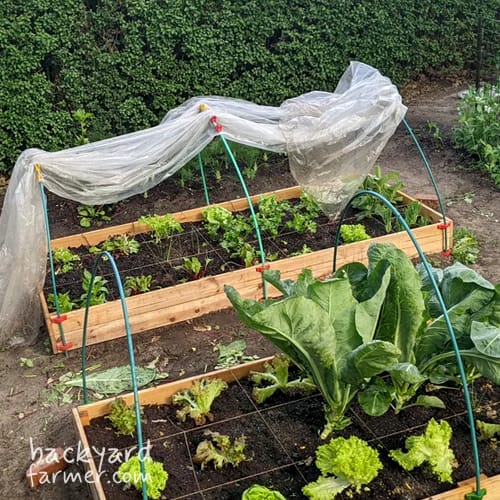
Like many people, I grow in limited space. I juggle seasons, weather, and time, and ultimately I want my vegetable garden to actually feed me, not just look good in a photo. That’s where a clear garden layout planner makes all the difference.
In the UK, we usually call this kind of growing space an allotment. In the US, however, it’s closer to what you’d call a vegetable garden, a raised bed garden, or a community garden plot. Although the language changes, the challenge stays the same: making the most of the space you’ve got.
In California, in particular, that makes a lot of sense. Growing conditions vary hugely across the state:
- Cool, foggy coastal climates
- Hot inland valleys
- Higher‑elevation and shorter‑season areas
Because of that range, planning a vegetable garden in California matters far more than following one‑size‑fits‑all advice or generic planting charts.
This California vegetable garden planner is designed to help you think clearly about garden layout, crop spacing, and seasonal flow, so you can plan a garden that fits your climate, your space, and the food you actually want to grow. Whether you’re working with raised beds, a backyard plot, or a community garden, the same planning principles apply.
It’s flexible, free to use, and built to support good decision‑making — not to lock you into rigid rules or paid subscription software.
Continue your vegetable garden planning journey
If you’re using the Free Vegetable Garden Planner for California, these guides will help you decide what to grow, when to sow, and best practices for productive gardens suited to your region.
- Spring vegetable planting guide UK — what to sow in March-May – A detailed seasonal planting resource that offers insights into sowing schedules and timing that gardeners everywhere can adapt.
- What vegetables are good to grow – A foundational overview of productive and rewarding vegetable choices — useful when planning your California garden layout.
- What to plant each month in the UK – While UK-oriented, the structure in this guide helps you understand month-by-month planning principles you can adapt for California seasons.
Gardening in California Is Diverse – Planning Matters
California is often talked about as if it has one long, perfect growing season. In reality, anyone who actually grows food here knows that gardening in California is far more complex than that.
The state spans a huge range of climates. For example, a vegetable garden on the cool, foggy coast behaves very differently from one in a hot inland valley. At the same time, both are worlds apart from high‑elevation or mountain growing areas. Even within the same region, temperature swings, wind exposure, soil type, and local microclimates can change noticeably from one neighbourhood to the next.
Because of this variation, planning a vegetable garden in California is less about following fixed rules and more about making informed, location‑specific decisions.
When you plan with that in mind, a vegetable garden planner helps you:
- Choose crops that genuinely suit your local growing conditions
- Plan garden layouts that manage heat, airflow, and water use
- Time sowing and succession planting more realistically
- Avoid overcrowding that leads to plant stress, pests, and reduced yields
Generic advice often assumes a single planting window or a uniform growing season. In California, however, that approach can easily leave you planting too early, too late, or battling crops through periods of extreme heat.
Using a California vegetable garden planner gives you space to think things through before you plant anything. Whether you’re working with raised bed gardens, a backyard vegetable garden, or a community garden plot, you can map out your garden layout, visualise crop spacing, and then adjust your plan to match how your garden actually behaves.
In the long run, that flexibility is what turns vegetable gardening from something you constantly react to into something you feel far more confident and in control of.
What This Free Vegetable Garden Planner Helps You Do
This free vegetable garden planner is designed to help you think clearly before you ever put plants in the ground. Instead of chasing perfection or sticking to rigid schedules, it gives you a practical way to plan a vegetable garden that actually works in the real world.
At its core, this vegetable garden planner helps you:
- Visualise your garden layout before planting, whether you’re working with raised bed gardens, a backyard vegetable garden, or a community garden plot
- Plan realistic crop spacing, so plants have room to grow, manage heat, and stay productive throughout the season
- Think through seasonal flow, including succession planting and how beds change over time
- Make better use of limited space, which is especially important in small gardens or shared growing areas
Because gardening conditions vary so widely across the state, the planner is intentionally flexible. As a result, you can adapt your garden layout, move crops around, and fine-tune spacing to suit your local conditions, rather than forcing your garden into a fixed template.
Instead of guessing or copying a generic plan, you end up with a clear visual garden planning tool you can adjust as the season progresses. Over time, as you learn how your garden responds to weather, soil, and seasonal shifts, the planner grows with you.
Whether you’re just getting started or already have a few seasons under your belt, using a free vegetable garden planner like this helps turn experience into insight — and insight into healthier plants and more reliable harvests.
How to Use the Planner for California Gardens
This online vegetable garden planner is designed to be straightforward, flexible, and easy to adapt. You don’t need to enter endless data or follow strict rules. Instead, use it as a garden planning tool to shape a plan that fits your space, your climate, and how you actually grow food in California.
1. Set up your growing space
First, define the growing space you’re working with. That might be:
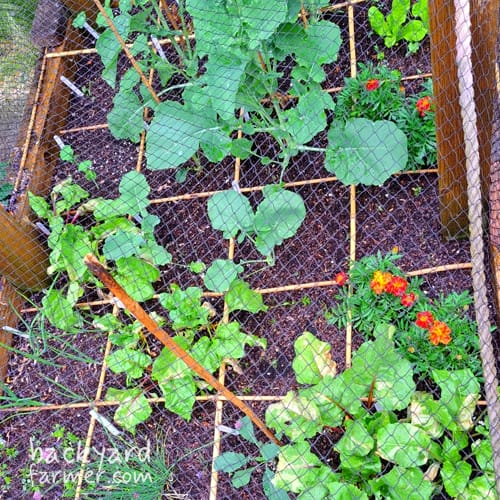
- A raised bed garden in a backyard
- Multiple vegetable beds with paths between them
- A single plot in a community garden
At this stage, you don’t need millimetre‑perfect accuracy. However, getting the proportions roughly right makes planning your vegetable garden layout far easier later on.
2. Add crops and test layouts
Next, start placing the crops you want to grow. As you do, think about:
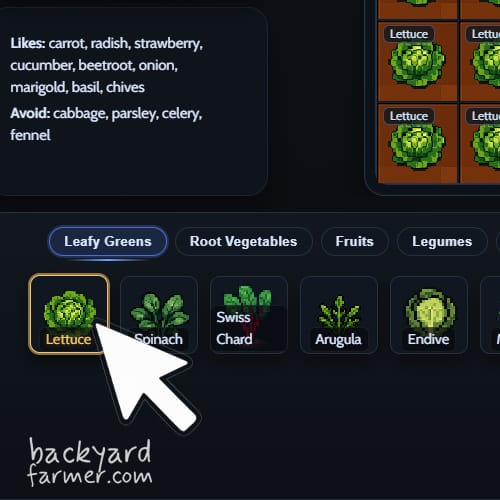
- How much space each plant will need once it matures
- Airflow and spacing, particularly in warmer California climates
- Grouping crops you tend to water, feed, or harvest at the same time
Here, the goal isn’t a perfect design — it’s a realistic garden layout that reflects how your vegetable garden actually functions.
3. Think seasonally, not just once
Because California has long and varied growing seasons, it’s easy to plan for one moment and forget that gardens change over time.
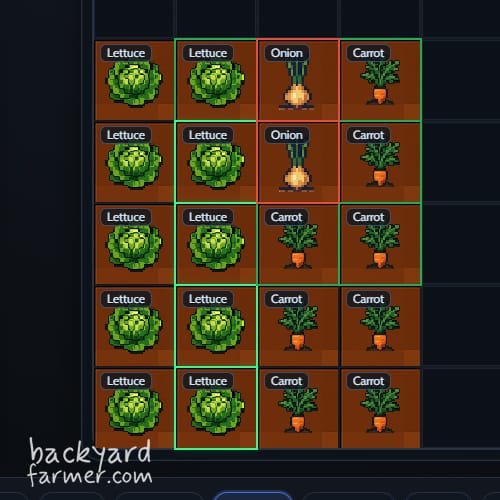
Use this vegetable garden planner to:
- Visualise succession planting across the season
- Avoid overcrowding beds early on
- Leave space for later plantings and second harvests
This approach is especially useful if you grow food year‑round or replant beds multiple times.
4. Adjust for your local conditions
Finally, let your own observations guide your decisions. Every California vegetable garden behaves a little differently:
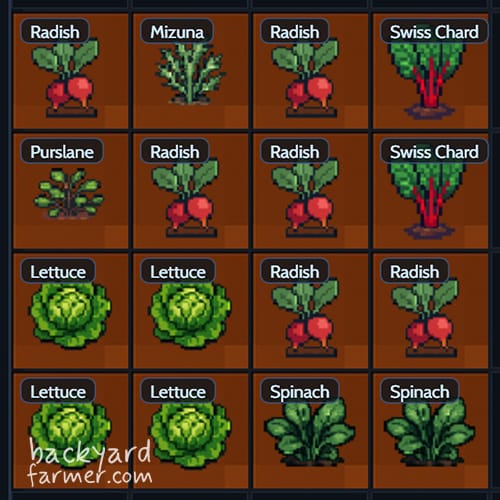
- Coastal gardens may need slightly tighter spacing to retain warmth
- Hot inland areas often benefit from extra airflow and wider spacing
- Higher elevations usually call for simpler, shorter‑season garden plans
The planner gives you a clear structure. In turn, you bring the local knowledge.
Used this way, a free vegetable garden planner becomes a practical companion rather than a set of instructions. Over time, it helps you plan with intention, learn from each season, and steadily improve how your vegetable garden performs.
California-Specific Considerations
California offers huge growing potential. However, it also comes with challenges that make thoughtful planning essential. A vegetable garden that thrives in one part of the state can easily struggle just a few hours away, which is why using a vegetable garden planner matters so much here.
Long growing seasons (with limits)
Many areas of California benefit from extended growing seasons. As a result, succession planting and multiple harvests are often possible. That said, long seasons can also lead to tired soil and stressed plants if beds are pushed too hard, year after year.
Using a vegetable garden planner helps you:
- Rotate crops more intentionally instead of repeating the same patterns
- Avoid planting vegetable beds too densely, season after season
- Leave space for rest periods, cover crops, or soil‑building phases
Heat, airflow, and spacing
In warmer inland regions, heat stress is often a bigger challenge than cold. When plants are packed too closely together, they struggle with airflow, water demand, and disease pressure.
Planning your garden layout ahead of time allows you to:
- Space crops to improve airflow and reduce heat stress
- Cut down competition for water during hot spells
- Visualise shade patterns and keep paths and access practical
This is where a well‑planned raised bed garden layout can make a real, noticeable difference.
Water awareness
Across much of California, water availability and efficiency play a major role in how well a vegetable garden performs.
With a clear garden plan in place, you can:
- Group crops with similar watering needs
- Design raised beds and layouts that are easier to irrigate evenly
- Avoid wasted space that still demands water and attention
Frost still matters in some regions
Although California is known for mild winters, frost remains a real concern in higher elevations, inland valleys, and desert areas.
Planning ahead helps ensure:
- Tender crops aren’t planted too early
- Garden beds are used efficiently during shorter growing windows
- Simpler, more realistic garden plans where the season demands it
When you take these regional factors into account, a generic layout becomes a California vegetable garden plan that actually works where you live. A free vegetable garden planner gives you the structure to think this through once — and then refine your vegetable garden layout season after season.
For region-specific growing advice, the University of California Cooperative Extension provides detailed guidance on vegetable gardening across California.
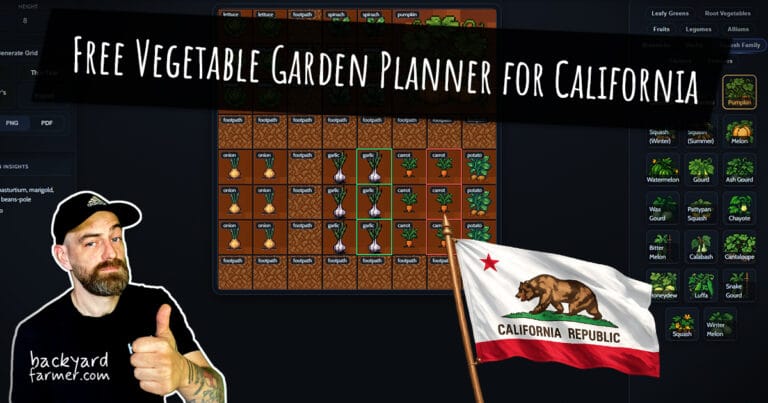
The Planner
The free vegetable garden planner is now a standalone online garden planning app, built for real-world growing rather than tidy diagrams that don’t survive first contact with the soil.
This is the same tool I use to plan my own gardens. I built it to help you slow things down and think clearly about garden layout, crop spacing, and seasonal flow before you plant anything. That way, you can make better decisions upfront — which matters even more in a state as varied as California.
You can use this vegetable garden planner to:
- Sketch out clear garden layouts for raised bed gardens, backyard vegetable gardens, or community garden plots
- Test different crop spacing ideas before committing them to the ground
- Plan succession planting and bed use across long or changeable growing seasons
- Adjust and refine your garden plan as you observe how your plants actually respond
There’s no signup, no subscription, and no pressure to get everything right first time. Instead, start simple, move things around, and treat the planner as a working garden planning tool rather than a finished design.
Because the planner runs as a separate web app, you can open it in a new tab, experiment freely, and come back to this guide whenever you need context, tips, or next steps.
Once you’ve sketched out a layout that feels realistic, you can return here at any time to refine your plan, sense-check decisions, or explore the related guides below.
Who This Planner Is For
This free vegetable garden planner is for people who want clarity, not complexity.
It works well if you:
- Are new to growing food and want a clear, practical starting point
- Already grow vegetables but want better structure, spacing, and planning
- Work with raised beds, small backyards, or shared community garden plots
- Prefer hands-on tools over paid subscription software and rigid systems
You don’t need to be an expert, and you don’t need to follow a single method. Instead, this garden planner supports experimentation, learning, and steady improvement — season after season.
A Note on Terminology
In the UK, this kind of growing space is often called an allotment. In the US, it’s more commonly referred to as a vegetable garden, raised bed garden, or community garden plot.
Although the language differs, the planning challenges stay the same: making good use of space, timing plantings well, and growing food that suits your local climate.
Related Guides for California Gardeners
If you’d like to go a bit deeper, these guides pair well with this California vegetable garden planner:
- What to plant this month in California
- Raised bed vegetable gardening in dry climates
- Planning a productive vegetable garden layout
Together, these resources can help you refine decisions once you’ve sketched out your initial garden plan.
Conclusion
A productive vegetable garden rarely comes from perfect diagrams or rigid schedules. Instead, it grows out of understanding your space, your climate, and how your garden changes over time.
This California vegetable garden planner is here to help you do that thinking up front. As a result, you can grow with more confidence, waste less effort, and enjoy more reliable harvests.
Start simple, adjust as you go, and grow what you’ll actually eat.